
Private and Parochial Schools: A Modern Guide for Families
Understanding private and parochial schools: differences, benefits, and how to choose the right fit for your child.
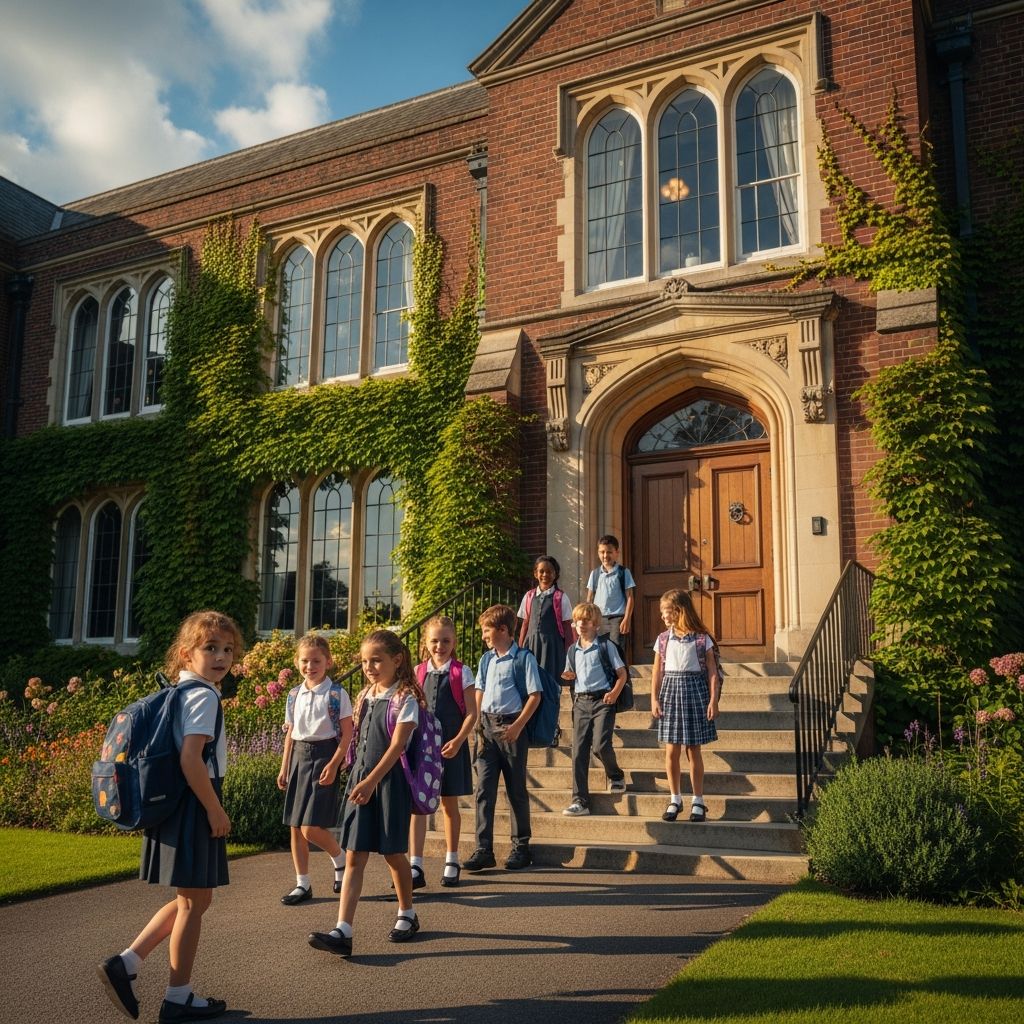
Understanding the Landscape of Non-Public Education
For many families, the decision about where to educate their child extends beyond the local public school. Private and parochial schools represent distinct alternatives, each with its own philosophy, structure, and set of expectations. These institutions operate independently of the public school system, relying on tuition, donations, and sometimes religious or organizational support rather than taxpayer funding. As a result, they can offer different curricula, class sizes, and school cultures, making them appealing to parents seeking a specific educational environment.
Private schools are independent institutions that are not governed by local, state, or federal education departments in the same way public schools are. They set their own admissions standards, hire their own staff, and design their own academic programs. Parochial schools, a subset of private schools, are typically affiliated with a religious denomination—most commonly Catholic, but also Protestant, Jewish, Islamic, and others. These schools integrate religious instruction and values into the daily experience, often alongside a standard academic curriculum.
How Private Schools Operate
Private schools are funded primarily through tuition payments and private donations. Because they do not receive direct public funding, they are not required to follow the same state-mandated curriculum or standardized testing schedules as public schools, although many choose to align with or exceed state standards. This independence allows for greater flexibility in teaching methods, course offerings, and school policies.
Admission to private schools is selective. Families typically apply, submit records, and may participate in interviews or entrance exams. This process enables schools to shape their student body according to academic, behavioral, or philosophical criteria. In practice, this can mean smaller class sizes, more individualized attention, and a more consistent school culture, but it can also limit socioeconomic and racial diversity compared to public schools.
Private schools vary widely in focus and mission. Some emphasize college preparation and academic rigor, while others prioritize arts, athletics, or specific pedagogical approaches such as Montessori, Waldorf, or International Baccalaureate. The lack of a single model means that families must carefully research individual schools to understand what each offers.
The Role and Structure of Parochial Schools
Parochial schools are private schools that are run by or in close association with a religious organization. In the United States, the most common type is the Catholic parish school, but many other faith traditions operate similar institutions. These schools are not only places of academic instruction but also centers for religious formation, where students learn about doctrine, participate in worship, and are expected to live according to the values of the sponsoring faith.
While parochial schools follow a core academic curriculum similar to public schools, they add religious education as a regular subject. Daily prayer, weekly Mass or worship services, and religious holidays are often integrated into the school calendar. Discipline and behavior expectations are frequently grounded in religious teachings, and the school environment is designed to reflect a particular moral and spiritual worldview.
Because many parochial schools are supported by a church or diocese, tuition is often lower than at non-religious private schools. However, families are usually expected to be active members of the congregation or to make additional financial or volunteer contributions. This close relationship between school and religious community can be a strength for families seeking a faith-based education, but it may be a barrier for those who are not part of that tradition.
Key Differences Between Private and Parochial Schools
While all parochial schools are private, not all private schools are parochial. The main distinction lies in religious affiliation and mission:
- Religious Integration: Parochial schools incorporate religious instruction and practice into the school day; private schools may be secular or have a spiritual component without formal religious affiliation.
- Funding and Governance: Parochial schools are often governed by a religious body (e.g., a diocese or synagogue) and may receive subsidies from that body; private schools are typically governed by an independent board and rely entirely on tuition and donations.
- Admissions and Community: Parochial schools often give preference to members of the associated congregation; private schools may prioritize academic performance, extracurricular talent, or other criteria.
- Curriculum Flexibility: Both types have more freedom than public schools, but parochial schools may be more constrained by religious doctrine in subjects like science, sex education, and social studies.
Advantages of Choosing a Private or Parochial School
Families choose private and parochial schools for a variety of reasons. Some of the most commonly cited benefits include:
- Smaller Class Sizes: Many private and parochial schools maintain lower student-to-teacher ratios, allowing for more personalized instruction and closer relationships between students and teachers.
- Stronger Academic Focus: These schools often emphasize academic achievement, college preparation, and intellectual development, with advanced coursework and enrichment opportunities.
- Discipline and Safety: Research and parent reports frequently note that private and parochial schools tend to have more orderly environments, fewer behavioral issues, and a stronger sense of community.
- Values-Based Education: Parochial schools, in particular, provide a consistent moral and ethical framework grounded in religious teachings, which many families value highly.
- Parental Involvement: Private and parochial schools often expect and encourage active participation from parents, which can strengthen the home-school connection.
Challenges and Considerations
Despite their advantages, private and parochial schools are not the right fit for every family. Important challenges include:
- Cost: Tuition at private schools can be substantial, and even parochial schools require fees that may be difficult for some families to afford. Additional costs for uniforms, supplies, transportation, and extracurriculars can add up quickly.
- Limited Accessibility: Because admission is selective and tuition-based, these schools often serve a more homogeneous population in terms of income, race, and background, which can limit students’ exposure to diverse perspectives.
- Religious Requirements: Parochial schools may require families to adhere to specific religious practices, attend services, or participate in fundraising, which can be a burden or conflict for some.
- Curriculum Constraints: In some parochial schools, the curriculum may be shaped by religious doctrine in ways that limit the teaching of certain topics, such as evolution or comprehensive sex education.
- Geographic and Logistical Factors: These schools are not evenly distributed, and families may face long commutes or transportation challenges.
Comparing Educational Outcomes
Research on student outcomes in private and parochial schools shows mixed but generally positive trends. Studies have found that, on average, students in private and parochial schools tend to perform as well as or better than their public school peers on standardized tests, are more likely to attend and complete college, and report higher levels of engagement and self-discipline.
For example, analyses of national assessment data have shown that low-income students in Catholic schools often outperform their public school counterparts by the equivalent of nearly two grade levels in math and reading. These advantages appear to persist even when controlling for family background, suggesting that school culture, expectations, and support systems play a significant role.
However, it is important to interpret these findings carefully. Much of the performance gap can be attributed to differences in student selection, family resources, and school environment rather than the school type alone. A private or parochial school may provide excellent opportunities, but it is not a guarantee of superior outcomes for every child.
Factors to Consider When Choosing a School
Deciding between a private, parochial, or public school requires thoughtful consideration of several factors:
- Academic Goals: Does the school offer the level of rigor, course variety, and college preparation that match your child’s needs and aspirations?
- Values and Beliefs: How important is a faith-based education? Are you comfortable with the school’s religious or philosophical orientation?
- Financial Situation: Can your family realistically afford tuition and related expenses over the long term?
- Learning Style: Does your child thrive in a structured, traditional environment, or would they benefit more from a flexible, innovative approach?
- Social and Emotional Fit: How does the school handle discipline, bullying, and student support? Does the culture feel welcoming and inclusive?
- Location and Logistics: How far is the school from home? What are the transportation options and time commitments?
Questions to Ask During the School Selection Process
When visiting or researching private and parochial schools, families should ask specific, meaningful questions to get a clear picture of what each school offers:
- What is the average class size, and how does the school support individualized learning?
- What qualifications and experience do teachers have?
- How does the school assess student progress and communicate with parents?
- What is the school’s approach to discipline and student behavior?
- How are religious beliefs and practices integrated into the curriculum and daily life?
- What extracurricular activities, sports, and arts programs are available?
- What financial aid, scholarships, or payment plans are offered?
- How diverse is the student body in terms of race, income, and background?
- What is the school’s track record for college admissions and student outcomes?
- How involved are parents expected to be, and what opportunities exist for participation?
Common Misconceptions About Private and Parochial Schools
Several myths can cloud families’ understanding of these schools:
- “Private schools are always better academically.” While many private and parochial schools perform well, quality varies widely. A public school with strong programs and supportive teachers may be a better fit for some students.
- “Parochial schools are only for very religious families.” Many families choose parochial schools for their discipline, safety, and academic focus, even if they are not deeply religious. However, families should be prepared for a faith-based environment.
- “All private schools are elite and exclusive.” While some are highly selective and expensive, many private and parochial schools serve middle-income families and prioritize accessibility within their communities.
- “Private schools don’t have to follow any rules.” Private and parochial schools must still comply with basic health, safety, and civil rights laws, even if they are not bound by every public school regulation.
How to Evaluate a School’s Quality
When assessing a private or parochial school, look beyond rankings and marketing materials. Consider:
- Visit the School: Observe classrooms, talk to teachers and students, and get a feel for the atmosphere.
- Review the Curriculum: Ask for sample syllabi, course descriptions, and information about how the school supports different learning needs.
- Check Accreditation: Accreditation by a recognized body indicates that the school meets certain standards of quality and accountability.
- Look at Outcomes: Review college placement data, standardized test results, and alumni success stories, but interpret them in context.
- Read Reviews and Talk to Families: Connect with current and former parents to hear honest, firsthand experiences.
FAQs About Private and Parochial Schools
What is the main difference between a private school and a parochial school?
A private school is an independent, non-public institution that is not funded by the government. A parochial school is a type of private school that is affiliated with a religious organization and integrates religious education into its program.
Are parochial schools only Catholic?
No, while Catholic parish schools are the most common type of parochial school in the U.S., there are also parochial schools associated with Protestant denominations, Jewish congregations, Islamic centers, and other religious groups.
Do private and parochial schools have to follow state education standards?
They are not required to follow state standards in the same way public schools are, but many choose to align with or exceed them. They must still comply with basic health, safety, and civil rights laws.
Can students with special needs attend private or parochial schools?
Yes, but these schools are not required to provide the same level of special education services as public schools under federal law. Families should carefully review what support is available and whether it meets their child’s needs.
Are there financial aid options for private and parochial schools?
Many private and parochial schools offer financial aid, scholarships, or sliding-scale tuition based on family income. It is important to ask about these options early in the application process.
How do discipline policies differ in private and parochial schools?
These schools often have stricter discipline policies and higher behavioral expectations than public schools. Parochial schools may also base rules on religious teachings about morality and conduct.
Final Thoughts: Making the Right Choice for Your Child
Choosing between a private, parochial, or public school is one of the most important decisions a family can make about their child’s education. There is no single “best” option; the right choice depends on the child’s personality, learning style, and needs, as well as the family’s values, beliefs, and resources.
Private and parochial schools offer valuable alternatives to public education, with smaller classes, strong academic programs, and often a more structured and values-driven environment. However, they also come with higher costs, selective admissions, and, in the case of parochial schools, a religious framework that may not suit every family.
The most effective approach is to gather information, visit schools, ask thoughtful questions, and reflect honestly on what kind of environment will help your child thrive academically, socially, and emotionally. With careful consideration, families can find a school that not only educates but also inspires and supports their child for years to come.
References
- National Center for Education Statistics (NCES) Fast Facts: Public and private school comparison — U.S. Department of Education, NCES. Accessed 2025. https://nces.ed.gov/fastfacts/display.asp?id=55
- Private vs Public Schools Debate: Pros, Cons & Statistics — PrivateSchoolVillage.org. 2024. https://www.privateschoolvillage.org/post/private-school-vs-public-school-debate-statistics-pros-and-cons
- Private schools excelling as public schools fall, test shows — OC Path Think, NextSteps. 2024. https://ocpathink.org/post/independent-journalism/private-schools-excelling-as-public-schools-fall-test-shows
Similar Articles








Read full bio of Sneha Tete


