
Prescription Drugs and Driving: Key Legal Risks
Discover essential facts about how prescription medications can lead to DUI charges and what drivers must know to stay safe and legal.
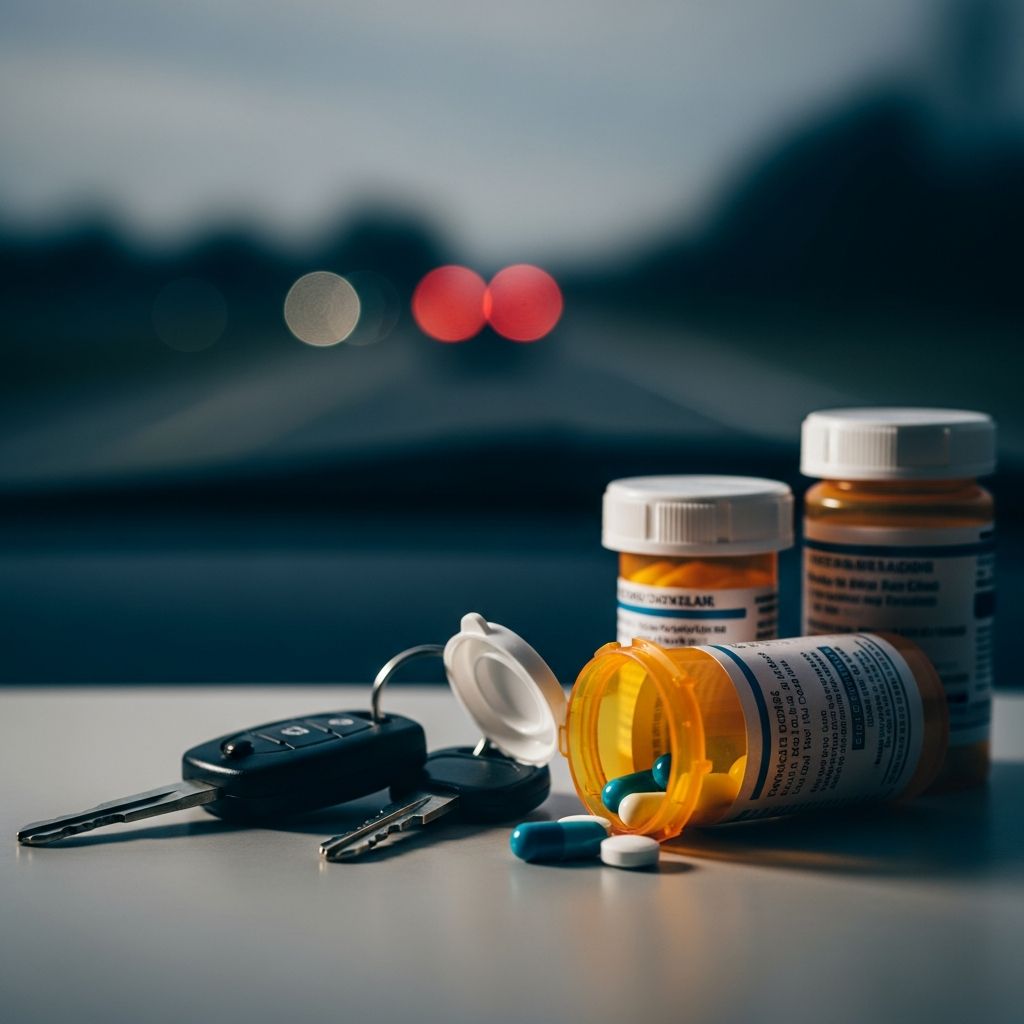
Many drivers assume that taking prescribed medications as directed protects them from DUI charges. However, laws in all U.S. states treat impairment from prescription drugs similarly to alcohol, potentially leading to arrests even with a valid prescription. This article examines the legal framework, common risks, consequences, defenses, and practical advice for navigating these challenges.
Understanding Impairment from Legal Medications
Impairment occurs when a substance affects a person’s ability to operate a vehicle safely, regardless of its legality. Unlike alcohol DUIs with specific blood alcohol concentration (BAC) limits, prescription drug cases focus on observed behaviors like poor coordination or delayed reactions. Officers assess field sobriety tests, driving patterns, and toxicology to determine if normal faculties are compromised.
State laws vary but align on this principle. For instance, Florida Statute 316.193 prohibits driving if prescription drugs impair normal faculties, without requiring a specific drug level in the blood. California defines impairment as lacking the care of a sober, prudent driver. This means everyday medications can trigger charges if they cause drowsiness or slowed reflexes.
Common Medications That Pose Driving Hazards
Certain prescriptions frequently lead to traffic stops due to their side effects. Painkillers like opioids (e.g., oxycodone), sedatives (e.g., Valium), muscle relaxants, and sleep aids (e.g., Ambien) often warn against driving. Antihistamines and some antidepressants can also impair reaction times.
- Opioids: Reduce pain but slow response and cause drowsiness.
- Benzodiazepines: Used for anxiety, leading to sedation and poor judgment.
- Sleep Medications: Linger in the system, affecting next-day driving.
- Anticonvulsants: For seizures, may cause dizziness or fatigue.
Always check labels: “May cause drowsiness” signals risk. Consult pharmacists or doctors about driving after doses.
State Variations in Prescription Drug DUI Penalties
Penalties mirror alcohol DUIs but escalate with priors. No national standard exists; states set fines, jail time, and suspensions independently. Here’s a comparison:
| State | First Offense | Second Offense | Third Offense |
|---|---|---|---|
| Florida | Up to 6 months jail, $1,000 fine, 1-year suspension | Up to 9 months jail, $2,000 fine, 2-year revocation | Up to 12 months jail, $4,000 fine, up to 10-year revocation |
| Virginia | Fines, suspension; impairment proven via tests | Increased penalties; criminal record impact | Felony possible with priors |
| California | Misdemeanor: fines, suspension; impairment-based | Aggravated factors elevate to felony | Mandatory minimums |
| Louisiana | Up to 6 months jail, $1,000 fine | Up to 6 months jail, $1,000 fine, IID | Up to 5 years jail, $2,000 fine |
Additional consequences include ignition interlock devices (IID), probation, substance abuse programs, and higher insurance rates. Professional licenses (e.g., healthcare, law) may be jeopardized.
How Police Build a Prescription DUI Case
Arrests often start with erratic driving: weaving, slow speeds, or improper stops. Officers use standardized field sobriety tests (SFSTs) like walk-and-turn, one-leg stand, and horizontal gaze nystagmus. Unlike alcohol, no per se limits exist for most drugs, so cases rely on officer testimony, dashcam footage, and blood tests showing active metabolites.
Blood draws confirm presence but must link to impairment. Therapeutic levels aren’t automatic guilt, but prosecutors argue side effects match observations.
Strong Defenses Against Prescription DUI Charges
Valid defenses exist, emphasizing lack of actual impairment or procedural errors. Key strategies include:
- Challenge the Stop: No reasonable suspicion (e.g., no weaving)? Evidence may be suppressed.
- Question Probable Cause: Faulty SFSTs or biased observations weaken arrest validity.
- Medical Compliance Defense: Prove adherence to prescription; some states consider this mitigating if no excess dosage.
- Expert Testimony: Toxicologists can show levels weren’t impairing or alternative causes (fatigue, illness).
- No Warning Label: If meds lacked drive warnings and followed FDA guidelines.
Attorneys often secure dismissals by highlighting prosecution burdens: prove impairment beyond doubt.
Immediate Steps After a Prescription DUI Arrest
Act fast: Request DMV hearing within 10 days to contest suspension. Silence is golden—avoid discussing meds without counsel. Hire a DUI specialist familiar with drug cases; they dissect tests and negotiate pleas.
Document everything: prescription, dosage times, doctor notes. This builds compliance evidence.
Preventing Prescription-Related Driving Incidents
Proactive habits reduce risks:
- Read labels thoroughly; heed “do not drive” advisories.
- Ask prescribers about driving safety; request alternatives if needed.
- Avoid driving first 24-48 hours on new meds.
- Use rideshares or public transit post-dose.
- Never mix with alcohol, amplifying effects.
NHTSA campaigns stress: Legal drugs impair like illegal ones. Plan ahead for safety.
Frequently Asked Questions (FAQs)
Can I get a DUI if I followed my prescription exactly?
Yes, if impairment is observed. Compliance helps defenses but doesn’t guarantee immunity.
Are there zero-tolerance levels for prescription drugs?
Rarely; most states use impairment standards, not per se limits.
Will a prescription DUI affect my job?
Often yes, especially licensed professions. Fight charges aggressively.
How long do prescription drugs stay detectable?
Varie: opioids 1-4 days, benzos up to 30 days. Impairment windows shorter.
What’s the best way to fight a prescription DUI?
Retain experienced counsel early; challenge evidence chain.
Long-Term Impacts and Career Considerations
Beyond immediate penalties, convictions create criminal records, spiking insurance 20-50% for years. Employment background checks flag DUIs; pilots, truckers, surgeons face license loss. Expungement possible post-probation in some states, but prevention trumps cure.
Families suffer too: suspensions disrupt commutes, child custody battles cite irresponsibility.
Emerging Trends in Drug-Impaired Driving Enforcement
Roadside drug tests advance, but oral swabs detect presence, not impairment. States push IIDs for drug DUIs. Federal NHTSA funds awareness, noting prescription misuse in 10% of fatal crashes.
Drivers: Knowledge empowers. Heed warnings, drive sober—always.
References
- Prescription Medications and DUI: When Legal Drugs Lead to Illegal Charges — Meltzer & Bell, P.A. 2023. https://www.meltzerandbell.com/news/prescription-medications-and-dui-when-legal-drugs-lead-to-illegal-charges/
- Can You Be Charged with a DUI While on Prescription Medication? — Strickland Attorneys. 2024. https://stricklandattorneys.com/can-you-be-charged-with-a-dui-while-on-prescription-medication/
- What Legal Defenses Are Available for DUI When Prescribed Medications Are Involved? — SC Weston Law. 2023. https://scwestonlaw.com/what-legal-defenses-are-available-for-dui-when-prescribed-medications-are-involved/
- Prescription Medication as a Legal Basis for DUI or DWI — Justia. 2024. https://www.justia.com/criminal/drunk-driving-dui-dwi/handling-a-dui-stop/prescription-medication-dui/
- The Impact of Prescription Medications on DUI Charges: Legal Considerations and Defense Strategies — Whiddon Law Office. 2023. https://www.whiddonlawoffice.com/blog/the-impact-of-prescription-medications-on-dui-charges-legal-considerations-and-defense-strategies/
- Prescription and Over-the-Counter Medicines — National Highway Traffic Safety Administration (NHTSA). 2024. https://www.nhtsa.gov/campaign/prescription-and-over-counter-medicines
Similar Articles








Read full bio of Sneha Tete


