
Who Pays After an Injury on Someone Else’s Property?
Understand when property owners, occupiers, and others can be held legally responsible for injuries caused by dangerous conditions on land or buildings.
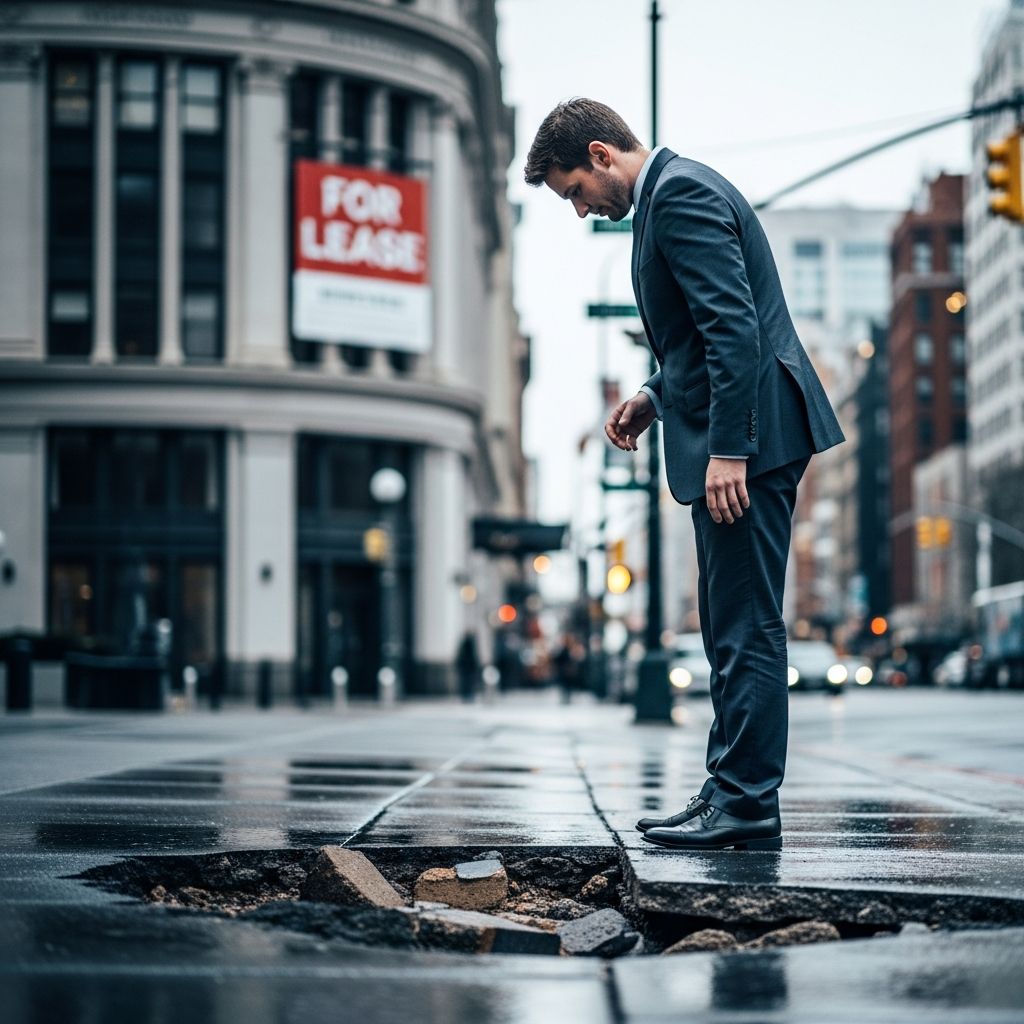
When an injury happens on property you do not own, the immediate questions are: Who is legally responsible? and Who pays for the harm? Premises liability law is the area of personal injury law that answers these questions by examining the condition of the property, the people who control it, and the behavior of everyone involved.
This guide explains how responsibility is determined, which parties can be held liable, what an injured person must prove, and what practical steps both visitors and owners should take after an accident.
What Is Premises Liability?
Premises liability is the legal responsibility that owners and occupiers of land have for injuries caused by unsafe conditions on their property when they fail to act with reasonable care. In most cases, these claims are based on negligence rather than intentional harm.
In simple terms, the law expects people and businesses who control property to:
- Keep the property in a reasonably safe condition
- Inspect for hazards that could hurt visitors
- Fix dangerous conditions within a reasonable time
- Warn visitors about hazards that are not obvious
If they do not meet these obligations and someone is injured as a result, they may have to pay compensation for the harm.
Who Can Be Held Responsible?
Responsibility does not always rest solely with the deed-holding owner. Premises liability can extend to several different parties, depending on who had control over the condition that caused the injury.
| Potentially Liable Party | Typical Role | When They May Be Responsible |
|---|---|---|
| Property owner | Holds legal title to the land or building | Retains control over the property or failed to maintain overall safety |
| Tenant or business operator | Leases or occupies space | Controls day-to-day conditions inside the leased area (e.g., store floors) |
| Property manager | Manages maintenance and operations | Responsible for inspections, repairs, or safety protocols that were neglected |
| Contractor or maintenance company | Performs construction, repairs, or cleaning | Created or left a dangerous condition (e.g., open trench, wet floors without signs) |
| Security provider | Provides guards or security systems | Failed to provide reasonable security where crime risks were foreseeable |
In many cases, more than one party shares fault. For example, a shopping center owner, a store tenant, and a janitorial company might all be named in a lawsuit if a customer slips on a long-ignored spill.
How Visitor Status Affects the Duty of Care
The level of care owed by a property owner or occupier often depends on why the injured person was on the property. Most states still recognize three traditional categories of visitors, though some have modified or merged them by statute or court decision.
Business Visitors (Invitees)
Invitees are individuals who enter property for a business purpose or for the mutual benefit of both sides, such as shoppers in a store or clients in an office.
- They are owed the highest duty of care.
- Owners or occupiers must actively inspect for hazards.
- Dangers must be repaired or clear warnings must be provided.
Social Guests (Licensees)
Licensees are people who have permission to be on the property for social or non-commercial reasons, such as friends invited for dinner.
- The owner must warn of known, non-obvious dangers.
- There is usually no duty to constantly inspect for unknown hazards.
Uninvited Visitors (Trespassers)
Trespassers enter property without permission. In many states, owners owe them only a limited duty not to intentionally or recklessly cause harm, such as setting traps.
- There is usually no duty to make premises safe for adult trespassers.
- However, special rules may apply to children, especially in cases involving an “attractive nuisance” like an unfenced swimming pool.
Because state law varies and categories are evolving, an attorney familiar with local rules is often needed to determine the precise duty owed in a particular case.
Key Elements of a Premises Liability Claim
To recover compensation, an injured person must prove more than just that an accident occurred. Most premises liability claims require proof of the same basic elements of negligence.
- Duty of care – The defendant had a legal responsibility to keep the premises reasonably safe for the type of visitor involved.
- Breach of duty – The defendant failed to act as a reasonably careful property owner or occupier would have acted in similar circumstances.
- Causation – The unsafe condition and the defendant’s failure to fix or warn about it directly caused the injury.
- Damages – The injured person suffered actual, compensable harm, such as medical expenses, lost income, or pain and suffering.
Dangerous Conditions and Owner Knowledge
A central question in these cases is whether there was a dangerous condition on the property and whether the defendant knew or should have known about it.
- Examples of dangerous conditions include wet floors, broken steps, poor lighting, exposed wiring, missing handrails, or unsecured merchandise.
- The hazard must pose an unreasonable risk of harm that could have been reduced or eliminated through ordinary care.
Courts often distinguish between:
- Actual notice – The owner or employees actually knew about the hazard, for example because someone complained or a worker caused the condition.
- Constructive notice – The hazard existed long enough that a reasonably careful owner should have discovered and addressed it through inspections.
Common Types of Premises Liability Accidents
While premises liability law covers many scenarios, certain types of accidents appear frequently in court cases and insurance claims.
- Slip and fall incidents
Often caused by spills, freshly mopped floors without warning signs, ice or snow, or smooth surfaces becoming slick. - Trip and fall accidents
Linked to uneven flooring, torn carpets, raised thresholds, cords, or clutter in walkways. - Defective stairs, railings, and walkways
Falls on broken steps, missing handrails, or cracked sidewalks can lead to serious fractures or head injuries. - Falling objects
Items dropped from shelves, storage areas, or construction sites may strike customers or passersby. - Inadequate security
Assaults or crimes in parking lots, apartment complexes, or hotels where crime risks were foreseeable and security measures were insufficient. - Swimming pool and recreational injuries
Drownings or near-drownings where access was not properly controlled, or where supervision and warnings were lacking. - Exposure to hazardous substances
Contact with mold, carbon monoxide, or chemical fumes in poorly maintained buildings.
What Compensation May Be Available?
If a premises liability claim succeeds, the defendant or their insurer may be required to compensate the injured person for a range of losses.
- Medical expenses – Emergency care, surgery, hospitalizations, medication, rehabilitation, and future medical needs.
- Lost income – Wages lost during recovery and, in serious cases, reduced ability to earn income in the future.
- Pain and suffering – Physical pain, emotional distress, and loss of enjoyment of life caused by the injury.
- Property damage – Repair or replacement of personal property damaged in the incident.
The specific amount depends on the severity of the injuries, the clarity of fault, insurance coverage limits, and applicable state law.
Defenses and Shared Fault
Property owners and insurers frequently raise defenses to limit or eliminate liability. One of the most important issues is whether the injured person shares some responsibility for the accident.
- Comparative negligence – In many states, damages are reduced by the injured person’s percentage of fault. If someone ignored obvious warnings or behaved recklessly, their recovery may be lowered proportionally.
- Open and obvious dangers – Owners may argue that the hazard was so apparent that a reasonable person would have avoided it without a warning.
- Lack of notice – Defendants often claim they had neither actual nor constructive notice of the hazard and thus had no reasonable chance to fix it.
- No duty owed – In some situations, such as injuries to trespassers, the owner may argue that the law imposes little or no duty of care.
Practical Steps After a Premises Injury
Immediate actions after an accident can significantly impact any future claim. Public health and legal guidance consistently recommend documenting both the injury and the conditions that caused it.
For Injured Visitors
- Seek prompt medical attention to protect your health and create a record of your injuries.
- Report the incident to the property owner, manager, or security and ask for a copy of any incident report.
- Gather evidence by taking photos or video of the hazard, your injuries, and the surrounding area, and collecting contact information from witnesses.
- Preserve physical evidence, such as damaged clothing or shoes involved in the fall.
- Avoid detailed statements to insurers before understanding your rights; consider speaking with a qualified attorney.
For Property Owners and Occupiers
- Respond quickly when informed of hazards; cordon off the area and arrange repairs or cleanup.
- Document conditions through incident reports, maintenance logs, and photographs.
- Review safety procedures and inspection routines to ensure they are reasonable for the type of property and typical visitors.
- Notify your insurer promptly if an injury occurs that may lead to a claim.
Frequently Asked Questions (FAQs)
Does a property owner always have to pay if someone is hurt on their land?
No. The injured person must show that the owner or occupier was negligent and that this negligence caused the injury. If the owner acted reasonably, or if the injured person was mostly at fault, the owner may not be liable.
What if the hazard appeared just moments before the accident?
If a dangerous condition develops only moments before an accident, the defendant may argue there was no reasonable opportunity to discover and fix it. Courts look at how long the hazard existed and how often inspections are performed to decide whether the owner should have known about it.
Can I bring a claim if I was partially at fault?
In many states with comparative negligence rules, you can still recover damages even if you share some blame, but your compensation may be reduced according to your percentage of fault. Some states bar recovery if you are more than 50% at fault; others allow recovery as long as you are not 100% responsible.
Are landlords responsible for injuries in rented units?
Responsibility depends on the lease terms and who controlled the dangerous condition. Landlords are often liable for defects in common areas or structural problems, while tenants may be responsible for hazards inside their leased space. In some cases, both can be held liable.
Do I need a lawyer for a premises liability case?
Premises liability cases can involve complex issues of property law, building codes, insurance coverage, and medical evidence. Many people find that consulting an attorney experienced in personal injury law helps them understand their options and avoid costly mistakes in dealing with insurers.
References
- Premises Liability Law — Justia. 2024-01-15. https://www.justia.com/injury/premises-liability/
- What Is Premises Liability in the Law? — Simon Law Firm. 2023-08-10. https://simonlawpc.com/blog/premises-liability/what-is-premises-liability/
- Common Examples of Premises Liability Cases — Rosen Justice Injury Lawyers. 2023-05-05. https://rosenjustice.com/blog/premises-liability-case-examples/
- Understanding Premises Liability: Examples and Reasons for Filing a Lawsuit — VOZH Law. 2022-11-18. https://www.vozhlaw.com/understanding-premises-liability-examples-and-reasons-for-filing-a-lawsuit/
- What Is Premises Liability? — The National Trial Lawyers. 2022-09-30. https://thenationaltriallawyers.org/article/what-is-premises-liability/
- What Is Premises Liability Law? — Super Lawyers. 2023-02-22. https://www.superlawyers.com/resources/premises-liability-plaintiff/
- What Is Premises Liability and Who Is Responsible? — Stracci Law Group. 2023-06-14. https://www.straccilaw.com/blog/what-is-premises-liability-and-who-is-responsible
Similar Articles








Read full bio of Sneha Tete


