
Practical Guide to U.S. Embassies and Consulates
Understand what U.S. embassies and consulates do, how they work, and how to prepare for your visa interview.
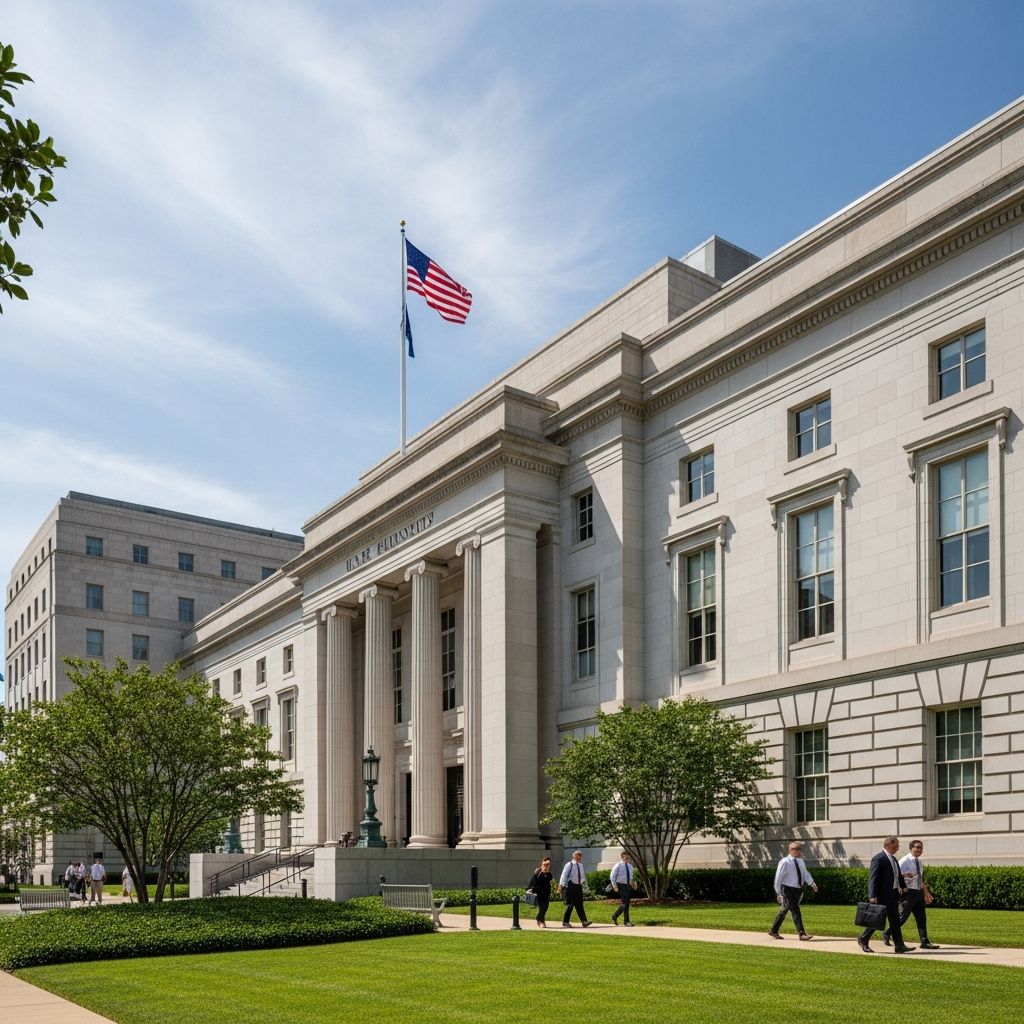
For millions of people around the world, a U.S. embassy or U.S. consulate is the main point of contact with the United States government. These diplomatic posts handle visas, assist U.S. citizens abroad, and serve as a bridge between the U.S. and the host country.1
This guide explains, in clear and practical terms, what embassies and consulates do, how they differ, and how to work with them effectively—especially if you are applying for a U.S. visa.
Embassies vs. Consulates: What’s the Difference?
Both embassies and consulates are official U.S. government offices overseas, but they serve different roles and often cover different regions.7
| Feature | U.S. Embassy | U.S. Consulate / Consulate General |
|---|---|---|
| Primary role | Represents the U.S. government to the host country at the national level | Provides local consular and visa services in major cities or regions |
| Head official | U.S. Ambassador | Consul General or Consul |
| Location | Usually in the capital city | Often in large commercial or regional centers outside the capital |
| Typical services | Diplomacy, political and economic relations, consular services | Visa processing, assistance to U.S. citizens, notarial and limited emergency services |
| Visa interviews | Often, but not always, conducted here | Frequently the main location for local visa interviews |
Key Functions of U.S. Diplomatic Posts
Although each post is unique, most U.S. embassies and consulates focus on three broad categories of work.7
1. Visa and Immigration Services
Consular sections are responsible for issuing visas in accordance with U.S. immigration law. They do not create immigration policy, but they apply the law and regulations to individual cases.48
- Nonimmigrant visas for temporary travel, such as tourism, business, study, or temporary work.
- Immigrant visas for people intending to live permanently in the United States, usually based on family or employment petitions.6
- Visa interviews conducted by consular officers to assess eligibility and review documentation.
Visa decisions are generally final at the consular level, and most denials cannot be appealed. However, applicants may reapply if their circumstances change or if they can present stronger evidence.
2. Services for U.S. Citizens Abroad
U.S. embassies and consulates provide essential services to American citizens outside the United States, which may include:7
- Issuing or renewing U.S. passports and adding limited-validity emergency passports in urgent situations.
- Helping in emergencies such as arrests, serious illness, accidents, or deaths abroad.
- Providing information about local medical care, lawyers, and resources during crises or natural disasters.
- Recording births abroad to U.S. citizen parents through a Consular Report of Birth Abroad (CRBA).
- Notarial services (such as administering oaths or certifying copies of certain documents).
3. Diplomatic and Public Affairs Work
Beyond public-facing consular services, embassies and larger consulates play a diplomatic role:
- Maintaining political, economic, security, and cultural relationships with the host country.
- Supporting U.S. businesses and facilitating trade and investment.
- Running educational and cultural programs, including exchanges and outreach events.
Planning a Visa Visit: Where to Start
If you are applying for a visa, your first point of reference should be the official website of the specific U.S. embassy or consulate where you plan to apply.45
Check Which Post Serves You
Most applicants must apply in their country of residence, not necessarily their country of citizenship.7
- Use the U.S. Department of State’s official visa website to locate the correct post for nonimmigrant or immigrant visas.7
- Some posts accept applications only from residents of their consular district, so confirm that you are eligible to apply there.
Review Local Instructions Carefully
Although core rules come from U.S. federal law, each embassy or consulate may have local procedures.5
- Unique appointment systems or local scheduling portals.
- Country-specific instructions on how to pay visa fees.
- Lists of additional documents commonly expected in that region.
- Security policies, such as rules about electronic devices and bag size.
Preparing for a Nonimmigrant Visa Interview
For visitor, student, and many other temporary visa types, you will usually complete an online application, pay a fee, and then appear at the embassy or consulate for an interview.48
Step 1: Complete the Online Application (Form DS-160)
Most nonimmigrant visa applicants must submit Form DS-160 online via the Consular Electronic Application Center (CEAC).34
- Have your passport, travel plans, and travel history available.
- Gather employment, education, and family details before you start the form.3
- Upload a digital photo that meets U.S. government standards (size, background, and recency).5
- After submission, print the confirmation page; you must bring this to your interview.38
Step 2: Pay the Visa Application Fee
The visa fee (often called the MRV fee for nonimmigrant visas) is required before an interview can be scheduled.4
- The fee amount depends on your visa category (for example, visitor, student, or work).
- Payment methods vary by country and may include online payments, bank deposits, or authorized payment centers.5
- Keep both digital and paper copies of your fee receipt—some posts require the receipt number to schedule your appointment.
Step 3: Schedule the Interview
Once you have the DS-160 confirmation page and have paid the fee, you can typically schedule a visa interview through the local embassy or consulate’s appointment system.45
- Wait times can differ substantially between posts and even between visa categories, so check estimated wait times early.
- Apply well in advance of your intended travel date to avoid problems caused by backlogs or unexpected delays.4
Step 4: Prepare Your Supporting Documents
Consular officers rely on both your interview and your documents to decide whether you qualify under U.S. law.48
- Valid passport with sufficient validity beyond your planned stay.
- DS-160 confirmation page and appointment confirmation.
- Evidence of your purpose of travel (such as conference invitations, tour plans, or business letters).
- Proof of sufficient finances, such as bank statements or sponsorship letters.
- Evidence of strong ties to your home country, including employment, property ownership, or family obligations.
- For students or exchange visitors: school documents and SEVIS-related forms and fee receipt.35
Step 5: Attend the Interview at the Embassy or Consulate
On the day of your interview, you will pass through security and then meet with a consular officer.5
- Arrive early, follow posted security instructions, and bring only essential documents.
- Your photo and fingerprints are usually taken as part of the process.
- The consular officer may ask questions about your travel, work, finances, and family situation.
- Be concise and truthful; inconsistencies can lead to delays or denials.
Understanding Immigrant Visa Processing at a Consular Post
For permanent immigration, most family- and employment-based cases involve an immigrant visa interview at a U.S. embassy or consulate after a petition is approved in the United States.6
Role of USCIS and the National Visa Center (NVC)
- A U.S. citizen or permanent resident relative or a sponsoring employer files an immigrant petition with U.S. Citizenship and Immigration Services (USCIS).6
- Once approved, the case usually moves to the National Visa Center (NVC), which collects fees and supporting documents, including the Affidavit of Support and financial evidence.6
- After the case becomes “documentarily complete,” the NVC schedules an interview at the appropriate U.S. embassy or consulate, subject to visa number availability.
Medical Exams and Local Requirements
Immigrant visa applicants must complete a medical examination with a panel physician approved by the U.S. embassy or consulate before the interview.6
- The list of authorized doctors is provided by the embassy or consulate and is not interchangeable with any other medical provider.
- Bring your vaccination records and any requested test results to the medical exam.
At the Immigrant Visa Interview
During the immigrant visa interview, consular officers verify eligibility, examine family or employment relationships, and review financial sponsorship documents.6
- Applicants may be asked about their relationship with the petitioner, past immigration history, and any prior U.S. stays.
- If approved, the visa is usually placed in the passport and returned with instructions on paying the immigrant fee and entering the United States.
Security, Access, and Practical Tips for Visiting a Post
U.S. embassies and consulates maintain strict security measures to protect both staff and visitors.
- Electronic devices such as mobile phones, laptops, and cameras may be prohibited or heavily restricted inside the compound.5
- Only visa applicants and those explicitly permitted (such as parents of minor children) are usually allowed to enter.
- Bring physical copies of required documents in an organized folder to speed up security and processing.
- Check the specific post’s website for security rules and items that are not allowed inside.
Frequently Asked Questions (FAQs)
Q: Can I choose any U.S. embassy or consulate for my visa interview?
A: In most cases, you must apply at the U.S. embassy or consulate in the country where you live. Some posts may accept non-residents in limited situations, but applying outside your residence area can make your case more complex and may increase the chance of delays.7
Q: Does an embassy or consulate guarantee my visa will be approved?
A: No. The post provides a location and staff for processing applications, but consular officers must apply U.S. immigration law. Even perfect documentation does not guarantee a visa; you must still meet all legal requirements for your category.48
Q: How early should I schedule my visa interview before traveling?
A: The U.S. government recommends applying as early as possible because wait times and case processing can vary by post and by season.4 Checking estimated wait times on the official Department of State website will help you determine how far in advance to apply.
Q: What if my visa is denied at the embassy or consulate?
A: Many denials are based on specific sections of U.S. immigration law, such as failing to show strong ties to your home country for a visitor visa. In most nonimmigrant cases, there is no formal appeal, but you can reapply if your circumstances change or if you have stronger evidence.
Q: Can a U.S. embassy or consulate help me once I arrive in the United States?
A: No. Once you are in the United States, issues related to your status or stay fall under the authority of agencies such as U.S. Citizenship and Immigration Services (USCIS) or U.S. Customs and Border Protection (CBP). Embassies and consulates primarily assist people outside the U.S. and U.S. citizens abroad.67
References
- Visitor Visa — U.S. Department of State, Bureau of Consular Affairs. 2024-05-10. https://travel.state.gov/content/travel/en/us-visas/tourism-visit/visitor.html
- How to apply for or renew a U.S. tourist visa — USAGov. 2024-03-15. https://www.usa.gov/tourist-visa
- How to Fill Out Form DS-160 — Boundless Immigration. 2024-01-05. https://www.boundless.com/immigration-resources/form-ds-160-explained
- U.S. Visas — U.S. Department of State, Bureau of Consular Affairs. 2025-09-06. https://travel.state.gov/content/travel/en/us-visas.html
- Visa Application Step-by-Step Instructions — U.S. Embassy in Papua New Guinea. 2023-11-20. https://pg.usembassy.gov/visa-application-step-by-step-instructions/
- The Immigrant Visa Process — U.S. Department of State, Bureau of Consular Affairs. 2024-02-28. https://travel.state.gov/content/travel/en/us-visas/immigrate/the-immigrant-visa-process/step-1-submit-a-petition.html
- How to apply for or renew a U.S. tourist visa — USAGov (overview of embassy interview preparation). 2024-03-15. https://www.usa.gov/tourist-visa
Similar Articles








Read full bio of medha deb


