
The Power of Local Action in Community Organizing
Empower your neighborhood and drive real change through grassroots mobilization.
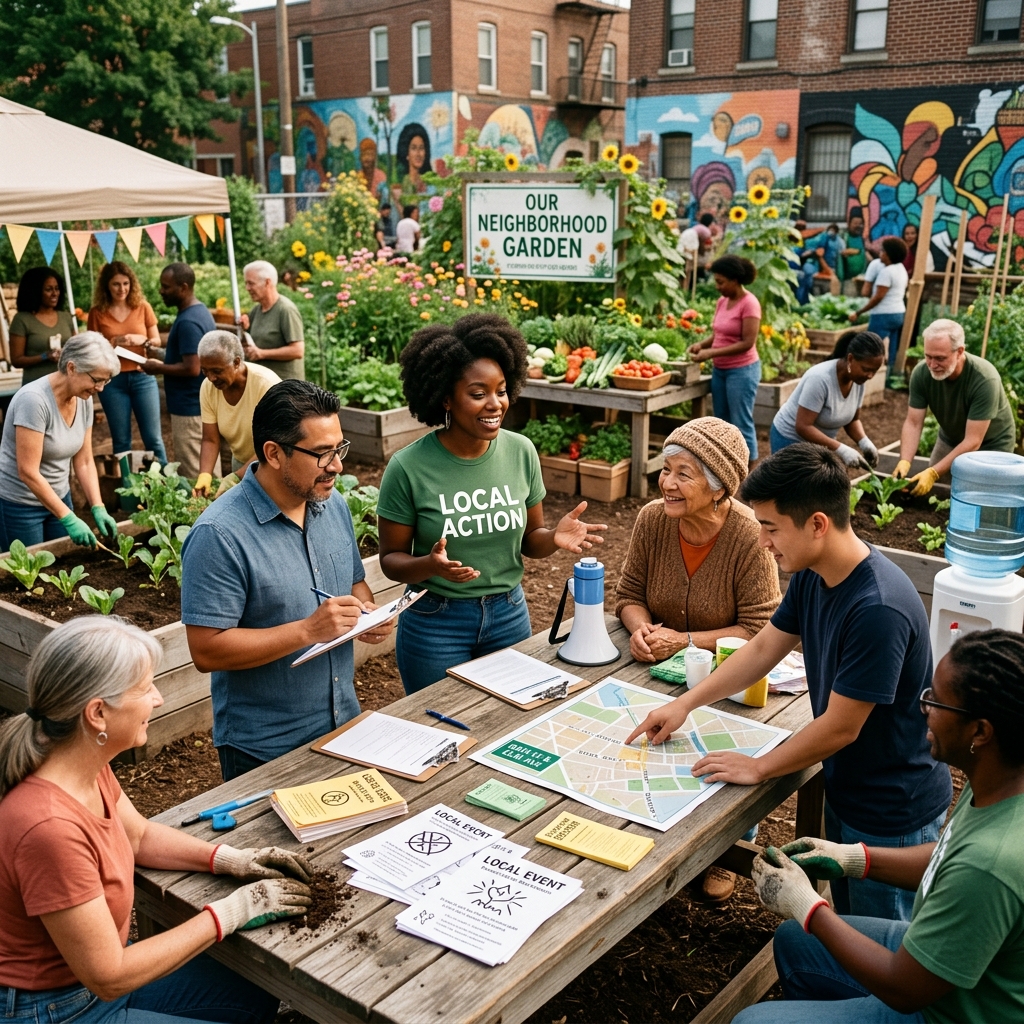
In a world increasingly dominated by global headlines and national political gridlock, the most profound transformations often start in the most unassuming places: our own neighborhoods. Grassroots mobilization remains the lifeblood of sustained social progress. It is the practice of ordinary people coming together to assert their agency, advocate for equitable policies, and reshape the civic infrastructure of their immediate surroundings. While national elections draw the vast majority of media attention, it is at the local level—in city halls, school board meetings, and community centers—that decisions directly impacting daily life are made.
Becoming an active participant in this localized arena not only creates tangible improvements in public safety, education, and housing but also acts as a vital counterweight to democratic erosion. This comprehensive guide explores the principles, strategies, and methodologies of effective community organizing, providing actionable insights for individuals seeking to make a definitive difference in their own backyards.
The Resurgence of Grassroots Mobilization
In recent years, the United States has witnessed a powerful resurgence in grassroots mobilization. Fueled by growing frustration with systemic inequities and a desire for more responsive governance, citizens are increasingly bypassing traditional, top-down advocacy models in favor of community-led initiatives. This shift represents a return to the foundational principles of democracy, where civic engagement extends far beyond the ballot box. It involves a continuous, active participation in the decision-making processes that shape community life.
According to recent demographic analyses of civic engagement, while formal volunteering rates experienced fluctuations over the last few turbulent years, the spirit of informal helping and grassroots problem-solving remains incredibly resilient. People are organizing mutual aid networks, advocating for environmental justice, and demanding local accountability with a renewed sense of urgency. This resurgence is not merely a reaction to contemporary crises; it is a proactive reclamation of civic power by marginalized and mainstream communities alike.
Why Local Governance Matters More Than Ever
The disproportionate focus on federal politics often obscures the immense power wielded by local government entities. City councils, zoning boards, and municipal courts possess the authority to enact policies that immediately affect affordable housing availability, public transit efficiency, and local environmental standards. Engaging with local governance matters more than ever because these institutions are uniquely positioned to address the specific, nuanced challenges of a given community—challenges that sweeping federal legislation often overlooks.
Furthermore, local officials are generally more accessible and responsive to sustained constituent pressure than their national counterparts. A well-organized coalition of residents can successfully lobby a city council to reallocate municipal budgets, block harmful development projects, or implement robust tenant protections. By redirecting advocacy efforts toward these local structures, community organizers can achieve concrete policy victories that directly enhance the quality of life for their neighbors, proving that structural change begins at home.
Building Civil Resistance Through Daily Actions
Effective community organizing is deeply intertwined with the concept of civil resistance—the use of strategic, nonviolent methods to challenge unjust systems and demand accountability. However, civil resistance is not solely defined by large-scale protests or dramatic acts of defiance. It is equally rooted in the daily, localized actions that build solidarity and disrupt the status quo. These actions shape the cultural mindset of a neighborhood and create a sustainable environment for long-term reform.
- Neighborhood Assemblies: Organizing frequent local meetings to democratize conversation and uncover shared concerns among residents.
- Targeted Canvassing: Going door-to-door to educate community members on their rights, pending local legislation, and avenues for legal recourse.
- Economic Leverage: Initiating collective boycotts or “buy-local” campaigns to pressure businesses that fail to pay living wages or respect environmental standards.
These daily acts of civil resistance serve a dual purpose: they apply continuous pressure on power structures while simultaneously empowering participants. By engaging in these localized actions, individuals transition from passive observers to active architects of their community’s future.
Core Principles of Effective Neighborhood Advocacy
Successful neighborhood advocacy is not a product of spontaneous outrage; it requires strategic planning, disciplined execution, and a deep understanding of the community’s unique dynamics. To catalyze meaningful change, organizers must adhere to several core principles that elevate their efforts from disjointed activism to cohesive, impactful advocacy. Chief among these principles is the commitment to centering the voices of those most directly affected by the issues at hand.
Advocacy must be firmly rooted in the lived experiences and explicit desires of the community members who bear the brunt of systemic failures. Additionally, effective organizers must prioritize relationship-building over transaction-based activism. It is the strength of these interpersonal connections that sustains a movement during challenging periods. By fostering a sense of shared destiny and collective responsibility, organizers create a resilient foundation capable of weathering inevitable setbacks and securing long-term victories.
Identifying the True Needs of the Community
The first critical step in any organizing effort is to accurately identify the most pressing needs of the community. This process requires organizers to step back from their own assumptions and engage in active, empathetic listening. It involves conducting deep canvassing, facilitating town hall discussions, and hosting informal neighborhood gatherings to create spaces where residents can articulate their concerns without fear of dismissal.
True community needs are often multifaceted and deeply interconnected; for example, a complaint about rising crime rates may actually stem from a lack of after-school programs or systemic youth unemployment. By prioritizing direct community input, organizers ensure that their advocacy goals are authentic and widely supported. This bottom-up approach not only legitimizes the campaign but also empowers residents by demonstrating that their voices and experiences are the primary drivers of the movement.
Mapping Local Power Dynamics
Once a community’s needs have been clearly defined, organizers must map the local power dynamics to understand how to effectively push for change. Power mapping is a strategic exercise that involves identifying key decision-makers, understanding their motivations, and analyzing the networks of influence that surround them. Who holds the authority to enact the desired policy change? What are their political vulnerabilities?
By systematically answering these questions, organizers can develop targeted strategies that maximize their impact. If a city council member is resistant to implementing affordable housing mandates, a power map might reveal that they rely heavily on campaign contributions from a specific real estate developer. Organizers can then direct their pressure campaigns not only at the politician but also at the developer, thereby disrupting the established power structure and creating an opening for community-driven policies.
Strategies for Building Lasting Coalitions
No single organization or neighborhood group possesses the inherent power to dismantle deeply entrenched systemic issues on its own. The magnitude of structural inequality requires the collective strength of diverse alliances. Building lasting coalitions is therefore an essential strategy for any successful grassroots movement. Coalitions amplify the volume of advocacy efforts, pool scarce resources, and bring together a wide array of expertise and lived experiences.
A robust coalition might include tenant unions, environmental justice advocates, civil rights organizations, and local labor chapters working in concert to advance a shared, comprehensive agenda. To ensure longevity, these alliances must be structured around mutual respect, transparent communication, and an equitable distribution of decision-making power. When diverse groups unite under a shared vision, they create a formidable political force capable of overcoming the fragmented nature of local opposition.
Finding Common Ground Across Differences
Constructing a powerful coalition inevitably involves bringing together individuals and groups with varying priorities, political ideologies, and cultural backgrounds. The challenge for organizers lies in finding common ground across these differences without diluting the movement’s core objectives. This requires a nuanced understanding of intersectionality—the recognition that various forms of systemic oppression are deeply interconnected.
By highlighting these intersections, organizers can demonstrate how seemingly disparate issues are actually linked by common systemic failures. For instance, an environmental group fighting industrial pollution and a community health organization addressing asthma rates serve different immediate constituencies but share a fundamental goal: improving public health and safety. Finding common ground involves framing issues in a way that resonates across different demographics, emphasizing shared values and collective benefits.
The Role of Digital Tools in Modern Organizing
While the foundation of community organizing remains face-to-face interaction and relationship building, modern advocacy is significantly enhanced by the strategic use of digital tools. Social media platforms, secure messaging applications, and targeted email campaigns allow organizers to rapidly disseminate information, mobilize volunteers, and amplify their messaging far beyond the physical boundaries of their neighborhood.
Digital tools are instrumental in coordinating logistics for direct actions, raising necessary funds through crowdsourcing, and tracking legislative developments in real time. Furthermore, data analytics and constituent relationship management software enable organizations to meticulously track engagement, identify potential leaders, and tailor their outreach strategies. However, organizers must be cautious not to substitute digital engagement for genuine, on-the-ground relationship building. Digital tools should be viewed as powerful amplifiers of traditional organizing methods.
From Planning to Execution: A Step-by-Step Approach
Transitioning from the theoretical planning phase to actionable execution is often where grassroots campaigns encounter their most significant hurdles. To navigate this transition successfully, organizers must adopt a structured, step-by-step approach that breaks down ambitious goals into manageable, sequential tasks. This begins with the formulation of a comprehensive campaign strategy that clearly outlines the desired outcomes, the target audience, the necessary resources, and a realistic timeline.
Each phase of the campaign should be meticulously planned, from initial community outreach and base-building to direct action and policy negotiation. By creating a detailed roadmap, organizers provide their volunteers with a clear sense of direction and purpose, minimizing confusion and maintaining momentum. Execution requires flexibility; campaigns must be prepared to pivot their tactics in response to unexpected developments or counter-mobilization by opponents.
Establishing Clear, Achievable Objectives
The momentum of a grassroots campaign is largely dependent on its ability to secure tangible victories. Therefore, it is crucial to establish clear, achievable objectives that serve as stepping stones toward broader systemic change. While the ultimate goal might be the complete overhaul of a city’s criminal justice system, intermediate objectives could include the implementation of specific transparency policies or the establishment of an independent civilian oversight board.
These achievable objectives provide volunteers with concrete evidence that their efforts are yielding results, thereby boosting morale and encouraging continued participation. When setting these objectives, organizers should employ the SMART framework—ensuring that goals are Specific, Measurable, Achievable, Relevant, and Time-bound. This methodology forces campaigns to ground their aspirations in reality and provides a clear metric for evaluating success.
Mobilizing Resources and Volunteers
A well-conceived strategy is rendered useless without the necessary resources and personnel to execute it. Mobilizing volunteers and securing funding are constant imperatives for community organizers. Volunteer recruitment should be an ongoing, active process that utilizes both digital outreach and traditional canvassing. To retain volunteers, organizations must ensure that their contributions are valued, providing adequate training and clear pathways for leadership development.
Volunteers are more likely to remain engaged when they are entrusted with meaningful responsibilities rather than merely performing menial tasks. Simultaneously, grassroots campaigns must develop diversified funding streams to sustain their operations. This can include small-dollar donor drives, applying for grants from progressive foundations, and hosting community fundraising events. By cultivating a broad base of financial and human capital, organizations insulate themselves from the pressures of resource scarcity.
Navigating Challenges and Maintaining Momentum
The trajectory of grassroots organizing is rarely linear; it is fraught with bureaucratic roadblocks, internal disagreements, and fierce opposition from entrenched interests. Navigating these challenges while maintaining the movement’s momentum is a true test of organizational resilience. One of the primary obstacles is the inevitable fatigue that accompanies protracted political struggles. Activists frequently invest immense emotional and physical energy into their work.
When campaigns stall or suffer defeats, the resulting demoralization can quickly erode the movement’s base. To counter this, organizers must foster a culture of collective care, celebrating small victories and institutionalizing rest. Maintaining momentum also requires continuous innovation; when a specific tactic loses its efficacy, campaigns must swiftly adapt, deploying new strategies that disrupt the opposition’s expectations and reignite public interest.
Overcoming Burnout in Activism
Activist burnout is a pervasive threat that can dismantle even the most well-organized movements. Defined as a state of chronic physical and emotional exhaustion caused by prolonged stress, burnout is particularly prevalent in social justice work due to the high stakes and frequent exposure to systemic trauma. To combat this, organizations must prioritize the mental and emotional well-being of their members as a core operational strategy.
This involves establishing realistic expectations, encouraging regular sabbaticals, and creating safe spaces for volunteers to process their frustrations and grief. Leadership must model sustainable activism by demonstrating that self-care is not a sign of weakness, but a prerequisite for long-term effectiveness. By actively addressing the psychological toll of organizing, movements can retain experienced advocates and preserve essential institutional knowledge.
Adapting to Legislative or Pushback Hurdles
As grassroots campaigns gain traction and begin to threaten established power structures, they inevitably face sophisticated legislative hurdles and aggressive pushback. Opponents may introduce preemption laws at the state level to nullify local progressive ordinances, launch well-funded misinformation campaigns, or employ bureaucratic red tape to stall policy implementation. To survive these counter-attacks, organizers must cultivate a high degree of strategic agility.
This means anticipating potential roadblocks and developing contingency plans before crises emerge. When faced with legislative pushback, campaigns can shift their focus from direct lobbying to public education, leveraging media relations to expose the undemocratic tactics of their opponents. Building alliances with progressive legal organizations can also provide the necessary expertise to challenge discriminatory laws in court. Pushback is often evidence of a movement’s growing influence.
Frequently Asked Questions (FAQs)
Q: How do I find existing community organizing groups in my area?
A: Start by researching local issues on social media, attending city council meetings, or checking community bulletin boards. Non-profit directories and local civil rights organization chapters are also excellent resources.
Q: I don’t have much time or money; how can I still contribute?
A: Grassroots movements rely on diverse contributions. You can make a difference by making a few phone calls, sharing digital resources, or attending an hour-long community meeting. Consistency, even in small doses, is more valuable than sporadic large efforts.
Q: What if local politicians simply ignore our demands?
A: If direct lobbying fails, organizers escalate tactics through public protests, media campaigns, or, most importantly, electoral organizing to vote unresponsive officials out of office during the next election cycle.
Q: How can we ensure our movement is inclusive and diverse?
A: Center the leadership of marginalized groups, translate materials into multiple languages, hold meetings at accessible times and locations, and actively listen to feedback from different demographic segments within your community.
References
- Current Population Survey Civic Engagement and Volunteering Supplement — AmeriCorps. 2026-01-27. https://americorps.gov/about/our-impact/civic-engagement
- To Save Democracy, Fund Organizing — Stanford Social Innovation Review. 2023-03-21. https://ssir.org/articles/entry/to_save_democracy_fund_organizing
- Fostering Inclusion in American Neighborhoods — Joint Center for Housing Studies, Harvard University. https://www.jchs.harvard.edu/
- Racial Justice Activist Burnout of Women of Color in the United States: Practical Tools for Counselor Intervention — PubMed Central (PMC). 2021-08-26. https://doi.org/10.1007/s10447-021-09449-7
Similar Articles








Read full bio of Sneha Tete


