
Using a PO Box for Business Registration: Rules and Alternatives
Discover why PO Boxes can't be used for most business registrations and explore compliant virtual address solutions for privacy and legality.
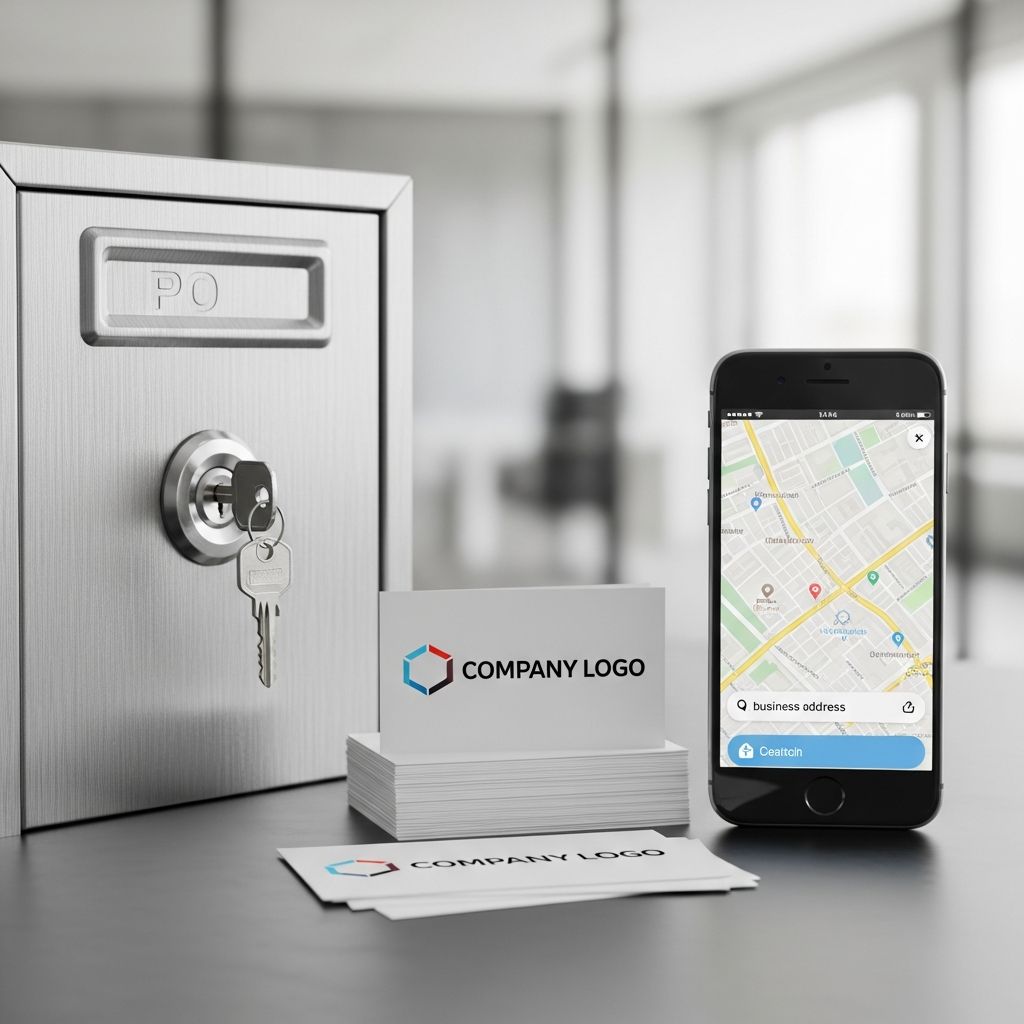
Registering a business in the United States often requires providing a physical street address rather than a PO Box, as most states mandate this for legal compliance, transparency, and service of process. This guide examines the limitations of PO Boxes, explores state and federal requirements, and outlines practical alternatives to maintain privacy while meeting obligations.
Why Physical Addresses Are Mandatory for Business Formation
Government agencies insist on verifiable physical locations to ensure businesses are accessible for official correspondence and legal service. A PO Box, managed by the United States Postal Service (USPS), functions solely as a private mailbox and lacks the attributes of a business premises, such as staffed reception during business hours.
Key reasons include:
- Service of Process: States require a location where legal documents can be delivered reliably to a responsible party.
- Public Accountability: Physical addresses promote transparency, allowing regulators and the public to locate the business.
- Compliance Verification: Authorities need assurance that the business operates from a legitimate site, not a transient postal facility.
Attempting to use a PO Box on formation documents typically results in immediate rejection, delaying your business launch and incurring additional fees.
Registered Agent Requirements and Address Standards
Every LLC, corporation, or limited partnership must appoint a registered agent—a person or entity authorized to receive legal notices. This agent must maintain a physical street address in the state of formation, open during regular business hours.
| Requirement | PO Box Allowed? | Physical Address Needed? |
|---|---|---|
| Registered Agent Address | No | Yes, in-state street address |
| Principal Business Location | No | Yes, verifiable premises |
| Mailing Address (Secondary) | Yes, in some cases | No |
PO Boxes fail because they cannot guarantee immediate access to documents, a core duty of registered agents. Professional registered agent services provide compliant addresses, often bundling mail forwarding for convenience.
State-by-State Variations in Address Policies
While the prohibition on PO Boxes is widespread, nuances exist across jurisdictions. California, for instance, explicitly bans them in Articles of Incorporation, demanding a California street address. New York’s Secretary of State requires an office address for document delivery, disqualifying postal boxes.
- Delaware: Even with its pro-business stance, formation papers need a physical Delaware address.
- Wyoming: Mandates street addresses for transparency in its registry.
- Montana: Offers minor flexibility but still prioritizes physical locations for core filings.
- Tennessee: Rejects PO Boxes for base jurisdiction claims, requiring open business hours and staff presence.
Annual reports and renewals mirror these rules; using a PO Box risks administrative dissolution. Always consult your state’s Secretary of State website for the latest statutes.
Federal Guidelines: IRS and EIN Applications
The Internal Revenue Service (IRS) distinguishes between mailing and physical addresses on Form SS-4 for Employer Identification Numbers (EINs). Line 4a permits a PO Box for mail receipt, but Line 5a demands a street address for the principal place of business.
Instructions state: “Don’t enter a P.O. box number here,” underscoring the need for a real location. This applies to tax registrations and compliance filings. Federal rules align with states, rejecting PO Boxes for operational addresses while tolerating them for non-critical mail.
PO Boxes for Mailing vs. Official Purposes
PO Boxes shine for everyday mail handling—secure, private, and flexible—but falter for official use. Businesses can pair a PO Box with a physical address: use the street address for registrations and the box for correspondence.
USPS guidelines allow “PO Box street addressing,” where mail uses the post office’s street address plus a unit number, but this doesn’t convert it into a qualifying business address. It’s a workaround for delivery, not registration.
Viable Alternatives to PO Boxes for Compliance
To sidestep using a home address, consider these options:
- Virtual Offices: Provide legitimate street addresses in commercial buildings, complete with mail receipt and forwarding. They satisfy state, IRS, and banking needs.
- Privacy Address Services: Specialized providers offer registered agent roles plus unique street addresses for filings, shielding personal details.
- Co-Working Spaces: Rent a mailbox-style service with a real address, often including professional perks.
- Registered Agent Companies: Many include address usage in packages, ensuring in-state compliance.
Virtual offices excel for international entities entering the US market, offering documentation like lease proofs for banks and licenses.
| Option | Pros | Cons | Best For |
|---|---|---|---|
| Virtual Office | Physical address, mail handling, scalable | Monthly fees | Startups, remote ops |
| Privacy Service | Full compliance, agent included | Membership tiers | LLCs needing privacy |
| Home Address | Free | Privacy loss | Sole proprietors |
| PO Box | Cheap mail | Not for registration | Supplemental use |
Banking, Licensing, and Third-Party Verifications
Banks scrutinize addresses for account openings; PO Boxes often trigger flags or rejections. Virtual addresses from reputable providers pass muster, backed by confirmation letters.
- Google Business Profiles demand physical locations for verification.
- Amazon Seller accounts prefer street addresses to confirm legitimacy.
- State licenses and permits echo registration rules, requiring street addresses.
Prepare documentation: address verification letters, CMRA (Commercial Mail Receiving Agency) forms, or lease agreements to smooth approvals.
Steps to Secure a Compliant Business Address
- Research State Rules: Review Secretary of State guidelines for your formation state.
- Select a Provider: Choose virtual office or agent services with proven compliance.
- Gather Proof: Obtain usage letters and forwarding setups.
- File Documents: Use the new address on Articles of Organization/Incorporation.
- Update Everywhere: EIN, banks, websites, and vendors.
This process typically takes days, far quicker than PO Box rejections.
Frequently Asked Questions
Can a PO Box ever be used for business registration?
No, most states prohibit PO Boxes for principal addresses or registered agents due to lack of physical presence.
Does the IRS accept PO Boxes for EIN applications?
Only for mailing addresses; principal business locations require street addresses per Form SS-4 instructions.
Are virtual addresses legal in all states?
Yes, provided they are real street addresses in commercial spaces and meet agent requirements.
What if I run a fully online business without a physical office?
Use a virtual office or registered agent service to provide the necessary street address.
How much do privacy address services cost?
Tiers start around $100-300 annually, including agent and mail services.
Best Practices for Address Management in 2026
As remote work persists, virtual solutions proliferate. Prioritize providers with state-specific approvals, robust mail handling, and integration for EIN/banking. Regularly audit addresses during annual filings to avoid penalties. Privacy remains paramount—combine physical compliance with PO Boxes for mail where permitted.
For evolving rules, monitor official state portals. Compliant addressing fortifies your business foundation against legal hurdles.
References
- Can I Use a PO Box for My LLC? — Main Street Business Services. 2023. https://www.mainstreetbusiness.com/post/can-i-use-a-po-box-for-my-llc
- Virtual Office vs P.O. Box | Legal Differences for US Registration — Foothold America. 2024. https://www.footholdamerica.com/blog/virtual-address-vs-po-box-us-registration/
- Do You Need a Physical Address for Your Small Business? — Nolo. 2023. https://www.nolo.com/legal-encyclopedia/physical-business-address-llc.html
- 284 PO Box Street Addressing — United States Postal Service (USPS). 2024. https://pe.usps.com/text/pub28/28c2_039.htm
- MC-IRP-7 – Requirements to Claim Tennessee as Base Jurisdiction — Tennessee Department of Revenue. 2024. https://revenue.support.tn.gov/hc/en-us/articles/360060949331-MC-IRP-7-Requirements-to-Claim-Tennessee-as-Base-Jurisdiction
Similar Articles








Read full bio of medha deb


