
Pet Safety While Driving: Legal and Safety Considerations
Understand pet transportation laws, safety risks, and liability concerns for drivers.
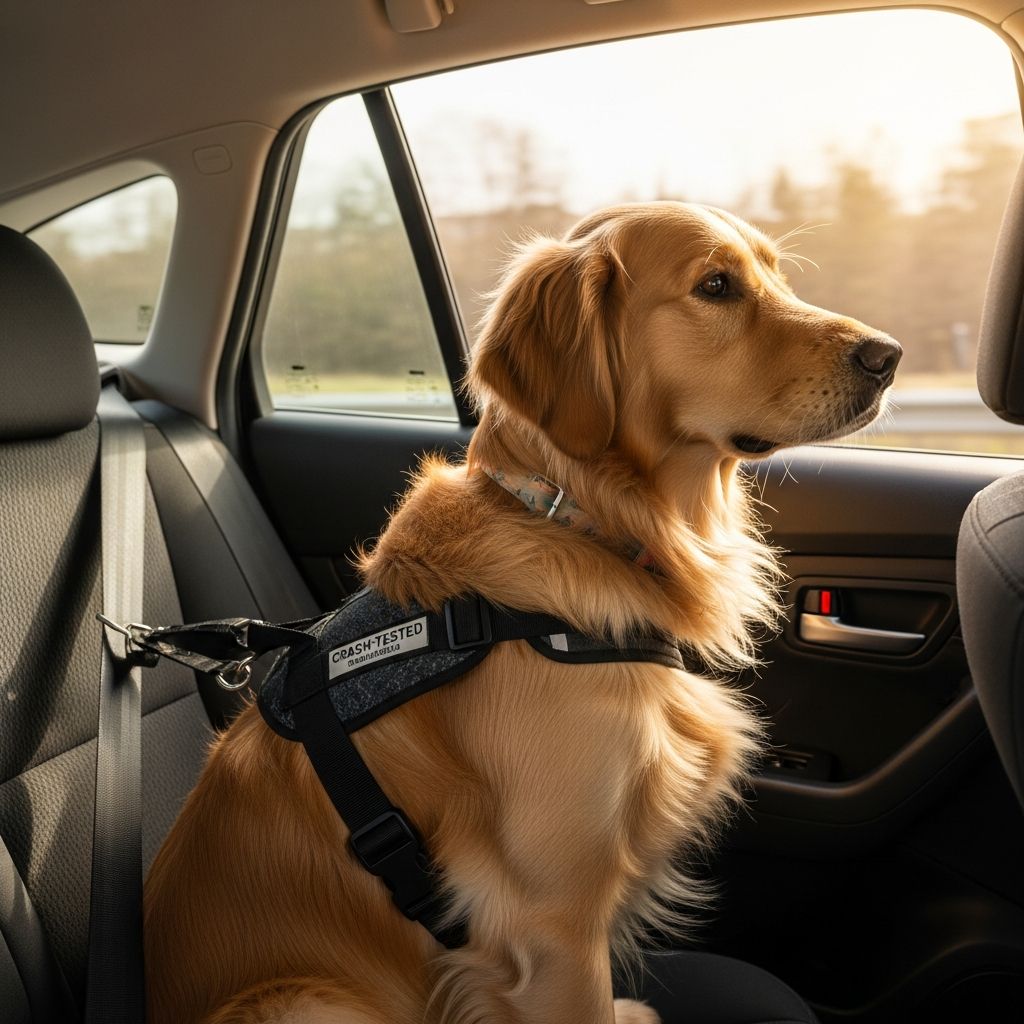
The Legal Landscape of Pet Transportation in Vehicles
Transporting animals in vehicles presents a complex intersection of legal obligations, safety considerations, and animal welfare concerns. While many drivers casually allow their pets to roam freely or sit on their laps during drives, the legal and practical implications of this practice extend far beyond simple convenience. Understanding the regulatory framework that governs pet transportation is essential for any driver who shares the road with their furry companions.
In many jurisdictions, including California, the legal status of pets in vehicles is surprisingly permissive on the surface. However, this apparent freedom comes with significant hidden responsibilities and potential consequences that drivers must carefully consider. The law distinguishes between what is technically prohibited and what constitutes negligent or reckless behavior, creating a gray area where drivers may find themselves liable even when no specific statute has been violated.
Understanding Distracted Driving Laws and Pet-Related Violations
One of the most significant legal risks associated with driving while managing pets stems from distracted driving statutes. Unlike specific pet restraint laws that may not exist in many states, distracted driving laws are comprehensive and actively enforced. These statutes cast a wide net that encompasses any activity preventing a driver from maintaining full attention on the road and vehicle control.
When a pet sits on a driver’s lap, multiple distracting scenarios emerge: the driver may glance down at the animal, instinctively reach out to pet or comfort it, or become startled by unexpected vocalizations. Each of these behaviors diverts attention from the primary task of driving safely. Law enforcement agencies increasingly recognize pet-related distractions as enforcement opportunities, particularly as awareness of the dangers grows.
The consequences of a distracted driving citation can accumulate quickly. Initial fines may exceed $100 when combined with court costs and surcharges, but the real penalty often comes in the form of points added to a driver’s record. Multiple infractions within a specific timeframe can result in license suspension or revocation, potentially affecting employment and mobility for extended periods. Furthermore, if distracted driving contributes to an accident, charges of reckless driving may be added, significantly escalating both fines and potential jail time.
How Distraction Laws Apply to Pet Situations
Distracted driving statutes do not require a driver to be using a cell phone or eating to be in violation. The legal standard is broader: any activity that materially reduces the driver’s ability to control the vehicle or maintain awareness of road conditions and traffic may result in citation. A pet on the lap clearly meets this standard because:
- The driver’s hands may be unavailable for steering or braking
- Visual attention is divided between the road and the animal
- Sudden pet movements can cause involuntary steering corrections
- Unexpected sounds or behavior can startle the driver into dangerous reactions
Specific Truck Bed Restraint Requirements
While many jurisdictions lack specific lap-pet restrictions for enclosed vehicles, the situation differs dramatically for trucks with open beds. California and several other states have enacted explicit requirements for animals transported in truck beds, recognizing the heightened dangers of unrestrained pets in exposed cargo areas.
California Vehicle Code Section 23117 mandates that dogs riding in truck beds must be either secured in a crate or cross-tethered with restraints that prevent the animal from jumping or falling from the vehicle. This requirement reflects both animal welfare concerns and public safety considerations. An unsecured pet falling from a moving truck can create hazards for trailing vehicles and may result in serious injury or death to the animal.
Connecticut, Maine, and Massachusetts have implemented comparable requirements, recognizing that restraint systems for truck bed transportation are essential safeguards. The specific methods approved typically include:
- Secure crates or cages anchored to the truck bed
- Cross-tether systems with dual attachment points
- Barriers that prevent movement toward the bed’s edge
The Negligence and Liability Framework
Beyond statutory violations, drivers may face liability through negligence law when pets contribute to accidents or injuries. All drivers owe a duty of reasonable care to other road users, and this duty is arguably breached when a pet distraction contributes to unsafe operation. In 2018 alone, distracted driving caused over 2,400 fatalities in the United States, underscoring the gravity of this legal principle.
If an accident occurs and investigation reveals that a pet on the driver’s lap was a contributing factor, the injured parties have grounds for civil litigation. Insurance companies may deny or reduce claims if evidence suggests the driver’s pet management constituted negligence. Additionally, the negligent driver may be found liable for medical expenses, property damage, and pain and suffering damages well exceeding the cost of a distracted driving citation.
The legal doctrine of comparative negligence may apply, meaning that even if the other driver bears some responsibility, the pet-owning driver’s distraction will reduce any damages they can recover and increase their share of liability. This principle creates a financial incentive beyond safety to properly restrain and manage pets during vehicle operation.
Animal Welfare and Cruelty Considerations
Pet safety during vehicle travel intersects with animal cruelty and neglect statutes in several important ways. While allowing a pet to sit on your lap is unlikely to trigger animal cruelty charges by itself, the consequences of an accident resulting from pet-related distraction could. If an unrestrained pet is injured or killed due to the driver’s negligent operation, charges of animal cruelty may be pursued, particularly if the driver’s behavior was reckless or wanton.
More commonly, animal cruelty charges arise from pets left in vehicles under dangerous conditions, such as extreme heat or cold. However, if a pet is injured as a result of poor vehicle safety practices—such as being unrestrained during a collision—prosecutors may argue that the owner’s failure to take basic precautions constitutes recklessness endangering the animal. Convictions for animal cruelty can result in substantial fines and, in some cases, prohibitions on future pet ownership.
Physical Injury Risks in Collision Scenarios
Beyond legal liability, the physical dangers to pets in vehicles cannot be overstated. During a collision, the forces involved are tremendous and indiscriminate. A pet on a driver’s lap experiences the full force of the driver’s torso impacting the steering wheel and dashboard, creating crushing injuries that are often fatal. The animal has no protection comparable to the driver’s airbag systems or the structural protection of the vehicle itself.
Airbag deployment, while protective for human passengers, can cause severe injuries or death to animals positioned in front seats. The force and speed of airbag inflation create impact equivalent to being struck by a moving object at high velocity. This is why veterinarians and safety experts consistently recommend rear-seat positioning for pet travel, and why professional pet restraint systems are designed exclusively for rear-seat use.
Even minor accidents can result in serious pet injuries when the animal is unrestrained. Sudden stops, sharp turns, and low-speed collisions apply forces that an unrestrained animal cannot withstand. The pet may strike interior surfaces, become tangled in equipment, or suffer internal injuries from blunt force trauma.
Comparative State Laws and Regional Variations
The legal approach to pet transportation varies significantly across the United States. Some states have recognized the importance of explicit pet restraint requirements and have enacted comprehensive legislation. Hawaii prohibits pets from riding on a driver’s lap and mandates secure restraint to prevent driver distraction. New Jersey and Rhode Island similarly require pets to be restrained using seat belt harnesses, carriers, crates, or barriers, with violations resulting in fines.
California, by contrast, lacks specific legislation prohibiting lap pets in enclosed vehicles, though Vehicle Code Section 23117 addresses truck bed transportation. This absence of explicit prohibition, however, does not mean the practice is safe or legally risk-free. Drivers in California remain subject to distracted driving statutes and negligence liability even without a specific pet restraint law.
The variation in state laws creates confusion for drivers who travel across state lines with their pets. A practice legal in one state may be illegal in another, requiring drivers to adjust their pet transportation methods based on location. This patchwork of regulations also reflects the ongoing evolution of vehicle safety law, as more jurisdictions recognize the risks posed by unrestrained pets.
Insurance Implications and Claims Denials
Insurance companies take an active role in discouraging risky pet transportation practices. If an accident occurs and the insurer determines that an unrestrained pet was a contributing factor, they may deny or significantly reduce claims. Some policies include specific exclusions for accidents involving unrestrained animals, placing full liability on the driver.
Additionally, insurance premiums may increase following an accident attributed to pet distraction. Insurers view such incidents as evidence of negligent behavior, increasing the driver’s risk profile. In some cases, repeated incidents may result in policy cancellation, making it difficult or expensive to obtain coverage elsewhere.
The denial of insurance coverage is particularly significant because it leaves the driver personally liable for all damages, including medical expenses, vehicle repairs, and liability for injuries to third parties. A single accident could result in financial liability far exceeding the annual cost of a pet restraint system.
Safe Pet Transportation Practices and Best Methods
The safest approach to pet transportation involves multiple protective measures. The rear seat is consistently identified as the safest location for pet travel, providing distance from airbag deployment zones and reducing driver distraction. Within the rear seating area, several containment options are appropriate:
| Restraint Method | Safety Level | Best For | Considerations |
|---|---|---|---|
| Crates or Carriers | High | Small to medium pets | Reduces pet movement; may cause anxiety in some animals |
| Seat Belt Harnesses | High | Dogs of all sizes | Allows limited movement; requires proper fitting |
| Vehicle Barriers | High | Multiple pets or larger dogs | Confines pet to cargo area; prevents forward movement |
| Pet Booster Seats | Moderate to High | Small dogs | Elevates pet; requires restraint integration |
Each method has advantages depending on the pet’s size, temperament, and the frequency of travel. Professional pet restraint systems are engineered to absorb impact forces and distribute them across the pet’s body in ways that minimize injury risk during collisions.
Local Ordinances and Additional Regulations
Beyond state-level legislation, some local jurisdictions have implemented additional regulations governing pet transportation. Cities such as Los Angeles and San Diego in California have enacted local ordinances addressing pet restraint and the treatment of unattended animals in vehicles. These local laws may impose stricter standards than state law, requiring drivers to comply with the more stringent requirements.
Drivers should research local regulations in the areas where they regularly travel with pets. Local animal control agencies can provide information about municipal requirements, and failure to comply with local ordinances can result in citations and fines in addition to any state-level penalties.
Frequently Asked Questions About Pet Vehicle Transportation
Q: Is it illegal to let my dog ride on my lap while driving?
A: While no specific law in most states explicitly prohibits lap riding, the practice violates distracted driving statutes and exposes drivers to liability. Even in states without specific pet restraint laws, allowing a pet on your lap can result in citations for distracted driving if law enforcement observes it.
Q: What are the main consequences of violating pet transportation laws?
A: Consequences include distracted driving citations (exceeding $100 with fees), license points that can lead to suspension, potential reckless driving charges, civil negligence liability if an accident occurs, insurance claim denials, increased premiums, and in some cases, animal cruelty charges if a pet is injured due to negligent transportation practices.
Q: Are there any states where pet restraints are legally required?
A: Yes. Hawaii, New Jersey, and Rhode Island have enacted explicit pet restraint laws requiring animals to be secured during vehicle travel. Additionally, most states that don’t have general pet restraint laws do require restraint for animals in truck beds to prevent falling or jumping from vehicles.
Q: What is the safest way to transport a pet in a vehicle?
A: The safest method involves placing your pet in the rear seat of the vehicle using a crash-tested restraint system such as a crate, seat belt harness, or vehicle barrier. This positioning protects both the pet and the driver by minimizing distraction and reducing injury risk during collisions.
Q: Can my insurance company deny my claim if a pet was unrestrained during an accident?
A: Yes. Insurance companies may deny or reduce claims if they determine that an unrestrained pet contributed to the accident. Some policies include specific exclusions for unrestrained animal-related incidents, leaving the driver personally liable for all damages.
Q: What should I do if I’m cited for distracted driving related to my pet?
A: You should consult with a traffic attorney immediately. The citation will add points to your driving record and may affect your insurance rates. An attorney may be able to negotiate reduced charges or dismissal depending on the circumstances of the citation.
References
- Is It Legal To Drive With A Pet In Your Lap In California? — LVNV Lawyer. 2024. https://www.lvnvlawyer.com/is-it-legal-to-drive-with-a-pet-in-your-lap-in-california/
- Dogs in Cars: Understanding California’s Dogs in Cars Law — Parris Law Firm. 2024. https://parris.com/news/personal-injury/laws-about-dogs-in-cars-understanding-the-law-in-california
- Understanding State Laws when Traveling in a Vehicle with Your Dog — 4Knines. 2024. https://4knines.com/blogs/news/state-laws-when-traveling-in-a-vehicle-with-your-dog
- Laws About Dogs In Cars While Driving: California Rules For Pet Transportation — State Law Firm. 2024. https://statelawfirm.com/post/california-dog-in-car-laws/
Similar Articles








Read full bio of medha deb


