
Pennsylvania Car Crash Laws 2026: Essential Steps & Deadlines
Navigate Pennsylvania's car accident rules: from insurance requirements to claims and timelines in 2026.
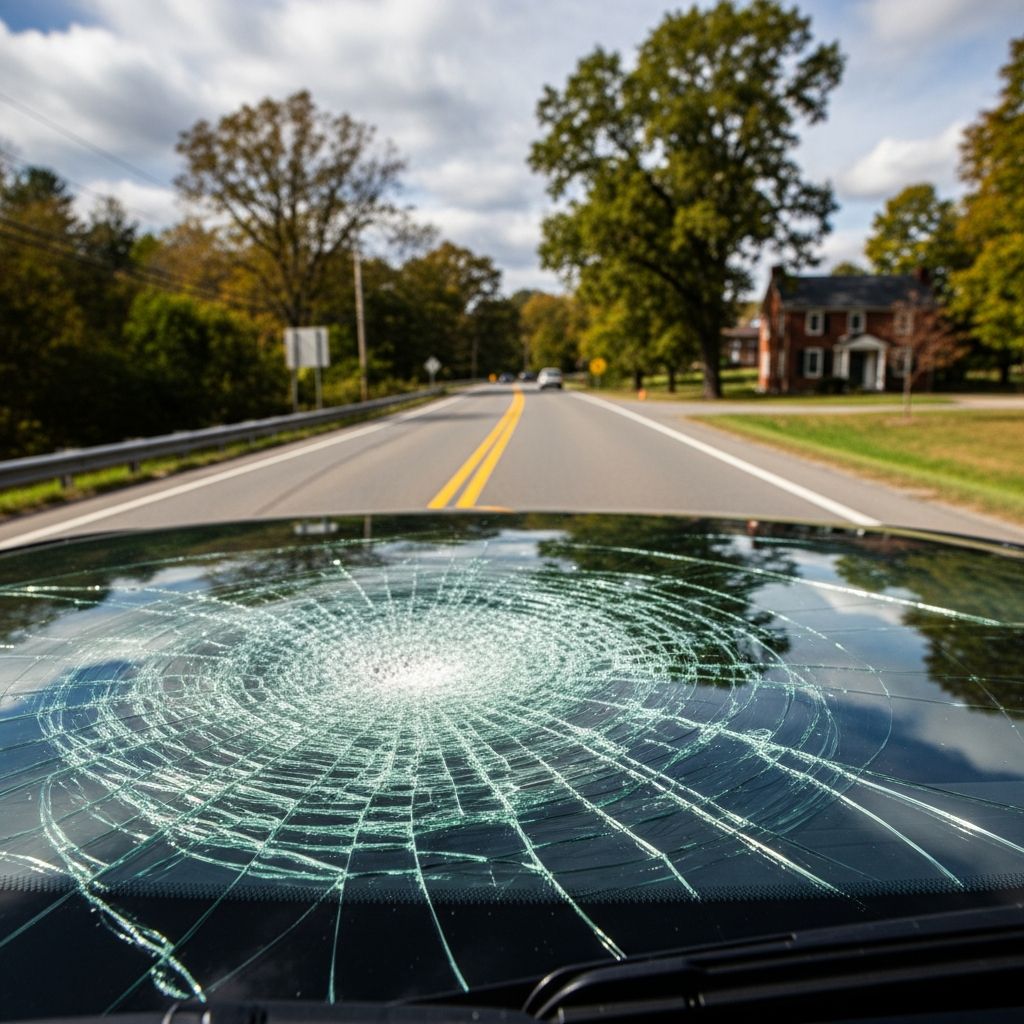
Pennsylvania’s roads see thousands of collisions annually, and knowing the legal framework can make all the difference for drivers involved in crashes. This guide breaks down key regulations, from immediate response protocols to insurance mandates and lawsuit timelines, updated for current standards.
Immediate Steps After a Collision
When a crash occurs, safety and documentation are priorities. First, check for injuries and move to a safe location if possible. If anyone is hurt or damage exceeds $500 in property, Pennsylvania law requires reporting to police, who will generate an official report crucial for insurance and legal claims.
Avoid admitting fault verbally or in writing, as Pennsylvania follows modified comparative negligence, where responsibility is apportioned by percentage. Statements like ‘my fault’ can undermine future claims. Exchange information with other parties—names, contacts, insurance details, and vehicle info—but decline signing any impromptu agreements.
- Prioritize medical attention: Adrenaline masks pain; seek evaluation same-day to document hidden injuries like whiplash.
- Photograph the scene: Capture vehicle positions, damage, road conditions, and signage.
- Notify your insurer promptly, but consult an attorney before recorded statements from opposing companies.
Pennsylvania’s Insurance Framework: Limited No-Fault System
PA operates a hybrid no-fault system mandating Personal Injury Protection (PIP) coverage, minimum $5,000, covering medical expenses and lost wages regardless of fault. This ‘first-party’ benefit activates immediately post-crash.
Beyond PIP lies the tort threshold, where drivers select full or limited tort options at policy inception:
| Tort Option | Premium Impact | Sue for Pain & Suffering |
|---|---|---|
| Full Tort | Higher | Any injury |
| Limited Tort | Lower | Serious injury only (e.g., fractures, permanent loss) |
Full tort allows broader claims; limited restricts non-economic damages unless ‘serious’ harm is proven. Verify your choice via declarations page. Property damage minimum remains $5,000—nation’s lowest, under review for increase to $25,000 amid rising repair costs averaging $14,000 per incident.
Uninsured and Underinsured Motorist Protections
Despite mandates, uninsured drivers proliferate in areas like Philadelphia. PA requires uninsured (UM) and underinsured (UIM) coverage, payable by your policy if the at-fault party lacks sufficient limits (minimum $15,000 bodily injury per person).
Stacked vs. unstacked policies affect multi-vehicle claims; higher limits safeguard against inadequate opponent coverage. Recent adjustments include accident surcharges capped at $2,350 effective July 2026 for claims under three-year aggregates.
Fault Determination: Modified Comparative Negligence
PA employs modified comparative fault: Victims recover damages reduced by their fault percentage if 50% or less at fault. Exceeding 50% bars recovery entirely.
Factors influencing fault include traffic signals, speed, distractions, and road defects. Evidence like dashcams, witnesses, and reconstruction experts clarifies liability. Partial fault (e.g., 30%) yields 70% compensation.
Compensation Elements in Crash Claims
Recoverable damages span economic and non-economic categories:
- Medical Costs: Past/future bills, therapy, surgery via PIP then tort.
- Lost Income: Wages, earning capacity if work-impaired.
- Pain & Suffering: Emotional distress, lifestyle impacts (tort-dependent).
- Property Loss: Vehicle repairs/replacement beyond minimums.
- Other: Scars, enjoyment loss, consortium.
Case value hinges on injury severity, liability clarity, policy limits, and documentation. Insurers often lowball early; delays reveal full extent.
Critical Deadlines: Statute of Limitations
Personal injury suits must file within two years of the crash date—not settlement time. Property damage follows six months in some cases. Government entities (PennDOT, SEPTA) impose 6-month notices, shorter suits.
Missing deadlines forfeits rights; tolling rare except minors/disabilities. Act swiftly on claims.
Dealing with Insurance Adjusters
Opposing adjusters contact quickly, seeking recorded statements to twist facts (e.g., ‘felt fine’ denies later injuries). Reject quick settlements pre-medical clarity; releases bar future pursuits.
Attorney involvement deters tactics, maximizes value via negotiation or litigation.
Special Scenarios: Hit-and-Runs and Government Involvement
Hit-and-runs trigger UM claims; proposed Senate bills mandate repair shops report identifiable vehicles for serious cases. Government crashes demand immediate legal review due to sovereign immunity caps and notices.
Recent Legislative Shifts Impacting Drivers
2026 brings accident surcharge hikes to $2,350 threshold. Property minimum reform (HB 1666) pushes $25,000 to match $14,000 averages. Stay updated via PennDOT, Insurance Department.
Frequently Asked Questions
Do I need a police report after every crash?
Yes, for injuries or $500+ damage; it’s vital evidence.
What’s the difference between full and limited tort?
Full allows pain/suffering suits for any injury; limited restricts to serious ones, saving premiums.
Can I sue if partially at fault?
Yes, if ≤50% responsible; damages pro-rated.
How long to file a lawsuit?
Two years for injuries; shorter for property/government.
What if hit by uninsured driver?
Your UM/UIM covers; pursue at-fault personally if assets exist.
This 1,678-word guide equips Pennsylvania drivers with actionable knowledge. Consult professionals for personalized advice.
References
- What to Do After a Car Accident in Philadelphia in 2026 — 1800cantwork.com. 2026. https://www.1800cantwork.com/what-to-do-after-a-car-accident-in-philly/
- Pennsylvania Increases Accident Surcharge for Private Passenger Auto Insurance — AAIS. 2026-01-03. https://aaisviews.aaisonline.com/compliance-alerts/pa-increases-accident-surcharge-for-private-passenger-auto-insurance
- Increasing Automobile Property Damage Minimums — Pennsylvania General Assembly. 2025-06-25. https://www.palegis.us/house/co-sponsorship/memo?memoID=46975
- Pennsylvania Car Accident Statute of Limitations — Sean Logue Law. 2026. https://www.seanloguelaw.com/blog/car-accident-statute-limitations-pennsylvania/
- Penn. Bill Would Use Collision Shops to ID Hit-and-Run Vehicles — FenderBender. 2026. https://www.fenderbender.com/11467300
Similar Articles








Read full bio of Sneha Tete


