
Pedestrian-Vehicle Crashes: Rights and Recovery Guide
Understand your legal rights, fault determination, injury impacts, and compensation paths after a pedestrian-vehicle collision in Tennessee.
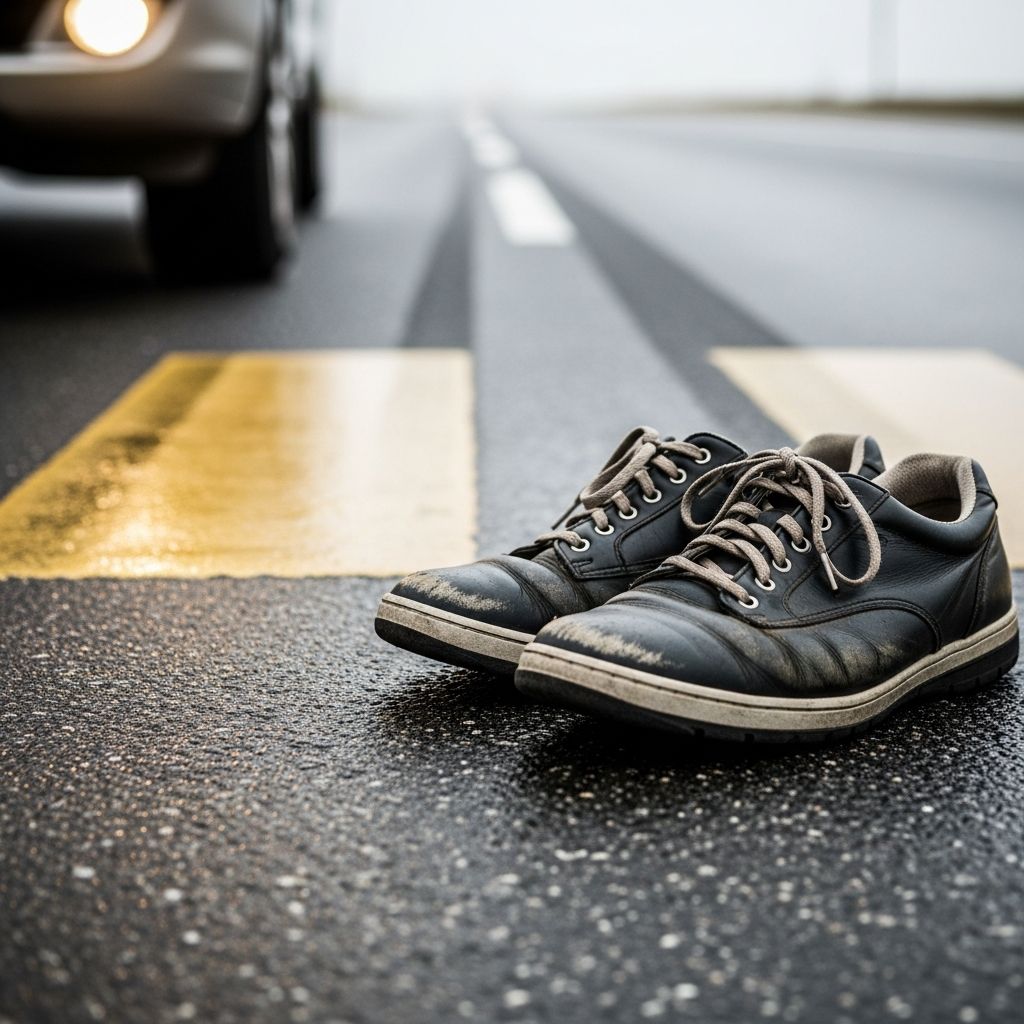
Collisions between vehicles and pedestrians represent some of the most severe incidents on roadways, often resulting in life-altering injuries due to the vulnerability of those on foot. In Tennessee, these events trigger specific legal frameworks designed to hold responsible parties accountable and support injured individuals in rebuilding their lives. This article delves into the intricacies of fault determination, injury consequences, compensation avenues, and practical steps for victims.
Legal Foundations of Liability in Pedestrian Incidents
Establishing who bears responsibility is the cornerstone of any pedestrian crash claim. Drivers owe a heightened duty of care to pedestrians, who lack the protective enclosure of a vehicle. This obligation includes maintaining control, adhering to speed limits, and vigilantly scanning for people on foot.
Key driver responsibilities under Tennessee statutes encompass yielding priority at intersections—treated as crosswalks regardless of markings—and exercising caution when emerging from driveways or alleys. Violations such as distracted operation, excessive speed, or impairment constitute breaches that can lead to liability.
- Failing to yield in crosswalks or school zones, as mandated by Tenn. Code Ann. § 55-8-136.
- Distracted behaviors like phone use, diverting attention from vulnerable road users.
- Impaired driving, amplifying collision risks through reduced reaction times.
- Improper maneuvers, including sudden turns without pedestrian checks.
Pedestrians, too, must act prudently by using designated crossings and staying visible, particularly in low-light conditions. When both parties contribute to the incident, Tennessee’s modified comparative negligence doctrine applies, apportioning fault percentages.
Tennessee’s Comparative Negligence Framework Explained
Tennessee operates under a modified comparative fault system, established in McIntyre v. Balentine, where recovery hinges on the pedestrian’s fault not exceeding 49%. If fault reaches 50% or more, no compensation is available, incentivizing mutual caution.
For instance, if damages total $100,000 and the pedestrian is deemed 30% responsible, the award adjusts to $70,000. Insurers frequently attempt to inflate pedestrian fault by citing factors like jaywalking or headphone use, underscoring the need for robust evidence.
| Fault Percentage (Pedestrian) | Recovery Eligibility | Example Adjustment ($100k Damages) |
|---|---|---|
| 0-49% | Yes, reduced by fault % | $51,000 – $100,000 |
| 50%+ | No recovery | $0 |
This system promotes fairness but demands precise fault reconstruction through police documentation, eyewitness accounts, and video evidence.
Prevalent Injuries and Their Long-Term Ramifications
Pedestrians absorb the full force of impacts, leading to a spectrum of injuries from minor abrasions to catastrophic traumas. The absence of barriers heightens severity, often necessitating prolonged medical intervention and rehabilitation.
- Traumatic brain injuries (TBIs): Concussions evolving into cognitive deficits, memory issues, or permanent impairment.
- Spinal damage: Herniated discs or cord injuries causing paralysis and mobility loss.
- Orthopedic trauma: Fractures in legs, hips, ribs requiring surgical fixation and therapy.
- Internal injuries: Organ rupture or bleeding demanding immediate surgical correction.
- Soft tissue damage: Extensive road rash, lacerations leading to scarring and infection risks.
These injuries disrupt employment, family dynamics, and recreational pursuits, compounding financial strain with emotional tolls. Catastrophic cases may involve amputations or lifelong care, significantly elevating claim values.
Categories of Recoverable Compensation
Victims pursue multifaceted damages to address tangible and intangible losses. Economic awards cover quantifiable costs, while non-economic elements compensate for subjective hardships.
Economic Damages
These encompass direct financial hits:
- Medical expenses: Ambulance, ER visits, surgeries, therapy, and projected future care.
- Lost earnings: Wages missed during recovery plus diminished earning potential.
- Property losses: Damaged clothing, devices, or aids.
Non-Economic Damages
Intangible sufferings include:
- Pain and discomfort from physical injuries.
- Emotional anguish, anxiety, or PTSD.
- Loss of life enjoyment, barring prior hobbies or family interactions.
- Disfigurement or permanent functional deficits.
In egregious cases, punitive awards deter reckless conduct like DUI-related crashes.
Gathering Essential Evidence Post-Collision
Immediate actions preserve claim viability. Document the scene meticulously before details fade.
- Notify authorities for an official report assigning preliminary fault.
- Capture photos of vehicle positions, injuries, signals, and roadway marks.
- Obtain witness contacts for corroborative statements.
- Seek medical evaluation, linking injuries to the event via records.
- Secure surveillance or dashcam footage promptly.
Avoid insurer discussions without counsel, as statements can be twisted to undermine claims.
Insurance Dynamics and Coverage Gaps
Tennessee mandates liability minimums, yet at-fault drivers’ policies often fall short for grave injuries. Uninsured/underinsured motorist (UM/UIM) coverage on the victim’s policy bridges deficiencies.
Settlement influencers include policy limits, injury gravity, and proof strength. Insurers undervalue claims, pushing lowball offers; legal representation counters this effectively.
Navigating Claims: When to Involve Professionals
While minor cases might settle informally, complex scenarios benefit from attorney involvement. Experts reconstruct events, negotiate aggressively, and litigate if needed, often on contingency— no upfront fees.
Pre-existing conditions do not bar recovery; aggravations are compensable under the “eggshell plaintiff” rule, where drivers accept victims’ baseline fragilities.
Preventive Measures for Safer Roadways
Beyond recovery, prevention curtails tragedies. Drivers should minimize distractions, respect pedestrian priority, and adapt speeds to conditions. Pedestrians benefit from high-visibility attire, signal obedience, and avoidance of impairments.
Communities advancing infrastructure like lighted crosswalks and enforcement reduce incidences.
Frequently Asked Questions
What if I share fault in a pedestrian crash?
Under Tennessee’s rules, you recover if less than 50% at fault, with awards reduced proportionally.
Does insurance cover future medical needs?
Yes, claims incorporate projected costs substantiated by expert projections.
How long do I have to file a claim?
Tennessee’s one-year statute applies; act swiftly to preserve rights.
Can I claim for emotional trauma?
Absolutely, as part of non-economic damages when linked to physical injuries.
What boosts my settlement value?
Severe injuries, clear driver negligence, strong evidence, and ample insurance elevate amounts.
References
- Pedestrian Hit by a Car in Tennessee? Here’s What Your Settlement… — The Higgins Firm. 2023. https://www.thehigginsfirm.com/pedestrian-hit-by-a-car-settlement/
- What to Do If You’re Hit by a Car While Walking in Tennessee — Tennessee Injury Attorney. 2023. https://www.tennesseeinjuryattorney.com/pedestrian-accidents/what-to-do-hit-by-car
- Pedestrian Accident Law | Personal Injury Law Center — Justia. 2024-01-17. https://www.justia.com/injury/motor-vehicle-accidents/pedestrian-accidents/
- Tennessee Laws Pertaining to Pedestrians — Griffith Injury Law. 2023. https://www.griffithinjurylaw.com/blog/tennessee-laws-pertaining-to-pedestrians/
- Understanding Liability in a Tennessee Pedestrian Accident Cases — Best Law HB. 2023. https://www.bestlawhb.com/understanding-liability-in-a-tennessee-pedestrian-accident-cases/
Similar Articles








Read full bio of medha deb


