
Legal Rights After Party Injuries: Understanding Your Compensation Options
Discover who bears liability for injuries at social gatherings and what damages you can recover.
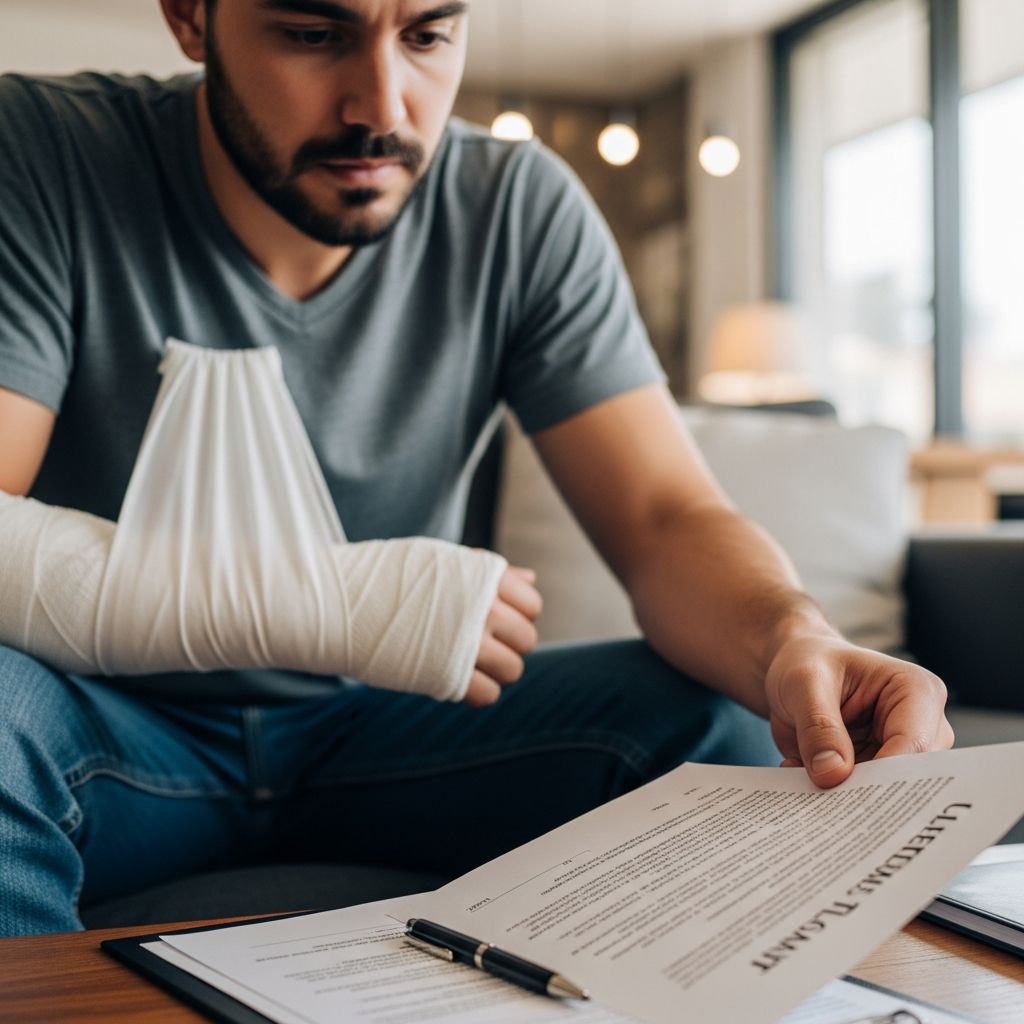
Understanding Your Legal Options When Injured at a Social Gathering
Social gatherings and parties are common experiences for college students and young adults, but injuries that occur during these events can create complex legal situations. When someone sustains an injury at a party—whether due to unsafe conditions, inadequate security, or another person’s negligence—questions arise about who can be held accountable and what compensation might be available. Understanding the legal framework surrounding such incidents is essential for protecting your rights and securing fair compensation for your losses.
Identifying Potential Defendants in Party-Related Injury Cases
When an injury occurs at a party, multiple parties may share responsibility for the incident. The specific circumstances of your case will determine which parties can be named as defendants in a personal injury claim. Understanding who might bear legal responsibility is the first step toward pursuing appropriate compensation.
The Party Host’s Responsibilities
The individual who organized or hosted the gathering typically has a duty to maintain the premises in a reasonably safe condition for guests. This duty includes identifying and addressing known hazards, maintaining structural integrity of the property, and preventing foreseeable injuries. If the host failed to exercise reasonable care—such as leaving spilled beverages on floors that could cause slips, neglecting to secure dangerous items, or failing to supervise activities that posed risks to attendees—they may be held liable for resulting injuries.
Property Owners and Landlords
The individual or entity who owns the property where the party takes place may also bear liability, even if they did not host the event. Property owners have an obligation to maintain their premises safely and to warn guests of known dangers. If an injury resulted from a property defect that the owner knew about or should have known about—such as broken stairs, faulty railings, or inadequate lighting—the owner could be named as a defendant.
Educational Institutions and Their Liability
When injuries occur at parties held on college or university property, the institution itself may face liability. Colleges and universities owe a duty of care to students on their campuses. To establish institutional liability, an injured student must demonstrate that the university failed to maintain safe conditions, provide adequate security, or address known hazards. However, the extent of university liability varies based on state law and the specific circumstances of the incident.
Third-Party Service Providers
Depending on the nature of the party, other parties may share responsibility for injuries. Security personnel hired to monitor the event, bartenders or beverage servers, catering companies, or equipment rental businesses could all potentially be held liable if their negligence contributed to the injury.
Establishing Legal Negligence in Party Injury Cases
To successfully pursue compensation for injuries sustained at a party, you must establish that the responsible party acted negligently. Negligence is a fundamental concept in personal injury law, and proving it requires meeting specific legal criteria.
The Four Elements of Negligence
Personal injury claims rest on demonstrating four essential elements:
- Duty of Care: The defendant owed you a legal obligation to act reasonably and prevent foreseeable harm. This duty exists between property owners and guests, party hosts and attendees, and educational institutions and students.
- Breach of Duty: The defendant failed to meet this obligation by acting in an unreasonable manner or failing to take necessary precautions. Examples include inadequate maintenance, failure to warn of hazards, insufficient security, or reckless behavior.
- Causation: The defendant’s breach of duty directly caused your injury. There must be a clear causal connection between the negligent act and your harm.
- Damages: You sustained quantifiable losses—physical injuries, medical expenses, or other measurable harm—as a result of the negligent conduct.
Without establishing all four elements, your claim may be unsuccessful. This is why documenting the circumstances of your injury and gathering evidence is critically important.
Categories of Compensation Available to Injury Victims
If you successfully establish negligence and prove that you suffered damages, you may recover compensation in several categories. Understanding the types of damages available helps you assess the true value of your claim.
Economic Damages: Quantifiable Financial Losses
Economic damages represent measurable financial harm directly resulting from your injury. These include:
- Medical expenses for emergency treatment, hospitalization, surgery, and ongoing care
- Medication and pharmaceutical costs necessary for your recovery
- Physical therapy, rehabilitation services, and mental health treatment
- Lost wages from time missed at employment due to your injury
- Loss of future earning capacity if your injury permanently impacts your ability to work
- Costs associated with property damage or destruction that occurred during the incident
Non-Economic Damages: Subjective Harm and Suffering
Beyond financial losses, you may recover compensation for subjective harm that doesn’t have a direct dollar value. These non-economic damages include:
- Pain and Suffering: Compensation for physical pain, discomfort, and the ongoing effects of your injury during recovery and beyond
- Emotional Distress: Damages for psychological trauma, anxiety, depression, or other mental health consequences of the incident
- Loss of Enjoyment of Life: Compensation when injuries prevent you from engaging in activities and hobbies you previously enjoyed
- Loss of Consortium: In some cases, family members may recover damages for the impact on their relationships and quality of life
Academic and Educational Impact Damages
For college students injured on campus, additional damages may be available. If your injury affects your ability to attend classes or complete coursework, you may be eligible for compensation covering tuition loss and other academic impacts, such as missed credits or the need to withdraw from courses.
Punitive Damages in Egregious Cases
In situations involving gross negligence or intentional harm, courts may award punitive damages designed to punish the defendant and deter similar behavior in the future. These damages go beyond compensating your losses and serve to penalize the responsible party for particularly reckless or reprehensible conduct. Punitive damages are available only in cases demonstrating that the defendant was indifferent to safety concerns or deliberately disregarded known risks.
Critical Steps to Take Immediately After an Injury
Your actions following an injury significantly impact your ability to recover compensation. Taking proper steps preserves evidence, establishes documentation, and strengthens your legal position.
Prioritize Medical Attention and Documentation
Seek immediate medical evaluation regardless of the apparent severity of your injury. Medical professionals can identify injuries that may not be immediately apparent, and their documentation creates a crucial record. Preserve all medical bills, treatment records, prescriptions, and communications with healthcare providers. This documentation serves as key evidence for demonstrating the extent of your damages and the expenses you incurred.
Report the Incident Formally
Notify appropriate authorities about the incident. For college campus injuries, report the incident to campus security or university administration and file an official report documenting exactly what happened, when it occurred, and where. This report creates an institutional record and prompts investigation by the responsible entity. For injuries at private residences, contact local police and request an accident report.
Gather and Preserve Evidence
Document the scene and circumstances thoroughly. Take photographs of the hazardous condition that caused your injury, capture the general environment and layout of the premises, and record contact information for any witnesses present. Maintain copies of all communications with the property owner, host, university, or their insurance representatives. This evidence becomes essential if your case proceeds to litigation.
Consult With a Personal Injury Attorney
For serious injuries or when liability is unclear, seek legal counsel from an experienced personal injury attorney. An attorney helps you understand your legal options, evaluates whether you have grounds for a claim, assists in gathering additional evidence, negotiates with insurance companies, and files lawsuits if necessary. Attorneys specializing in campus injuries or premises liability cases bring valuable expertise to complex situations.
Time Constraints: Understanding Statutes of Limitations
The law imposes strict deadlines for filing injury claims. These deadlines, called statutes of limitations, vary by state and can significantly impact your ability to recover compensation.
In California, for example, injured parties generally have two years from the date of the incident to file a personal injury claim. Some jurisdictions allow up to three years to file a formal complaint with the court. Once this deadline passes, you lose the right to pursue your claim regardless of merit. Importantly, if a university denies your claim or fails to respond within a certain timeframe, you can pursue legal action through the court system. These deadlines begin running from the date of your injury, making prompt action essential.
Special Considerations for Public vs. Private Institutions
The type of institution hosting the party affects your legal rights and the procedural requirements for pursuing a claim. If the party occurred on property owned by a public college or university, special rules govern lawsuits against government entities. Public institutions often benefit from governmental immunity protections that may limit liability or require following specific notification procedures before filing suit. Private institutions, by contrast, do not enjoy these same protections.
Regardless of the institution type, establishing negligence remains necessary to recover compensation. The key difference lies in procedural requirements and potential immunity defenses available to public entities.
Comparative Negligence and Shared Responsibility
In some cases, an injured party may have contributed partially to the circumstances leading to injury. Many jurisdictions apply comparative negligence principles, allowing injured parties who share fault to still recover compensation proportional to the other party’s responsibility. Under pure comparative negligence rules, even a plaintiff found 99% at fault can still recover damages for the 1% they are not responsible for, though their recovery is reduced accordingly.
This principle is important because minor contributory actions on your part do not necessarily eliminate your right to compensation. An attorney can help assess how comparative negligence might apply to your specific situation.
Navigating Insurance Company Tactics
When pursuing compensation, you will likely interact with insurance companies representing the defendant. Insurance companies frequently attempt to minimize payouts by offering lowest settlement amounts possible. They may attempt to assign blame to the injured party, present misleading damage valuations, or employ other tactics to reduce their financial exposure. An experienced personal injury attorney protects your interests during these negotiations, ensuring you receive fair compensation rather than accepting inadequate settlement offers.
Frequently Asked Questions
Q: Can I sue the host of a private party for my injuries?
A: Yes, you may be able to sue a private party host if you can prove they breached their duty of care to maintain safe premises and that this breach directly caused your injury.
Q: What if the party was held on college property?
A: The university may be held liable if it failed to maintain safe conditions, provide adequate security, or address known hazards on its property. However, public institutions may have immunity protections requiring special procedures.
Q: How long do I have to file a claim after being injured at a party?
A: Statutes of limitations vary by state, typically ranging from two to three years from the date of injury. It is critical to consult an attorney promptly to ensure you meet applicable deadlines.
Q: What damages can I recover besides medical bills?
A: You may recover pain and suffering, emotional distress, lost wages, loss of enjoyment of life, and in cases of gross negligence, punitive damages.
Q: What if I was partially responsible for my injury?
A: Depending on your jurisdiction’s comparative negligence laws, you may still recover compensation reduced by your percentage of fault.
Q: Should I accept the insurance company’s settlement offer?
A: It is advisable to consult with an attorney before accepting any settlement, as initial offers are often substantially lower than cases are worth.
References
- Premises Liability: Injury & Damages At College Party — Levi Law NY. 2024. https://levilawny.com/can-you-sue-for-damages-if-you-are-injured-at-a-college-party/
- Who’s To Blame for Your College Campus Injury or Assault? — McCready Law. 2024. https://mccreadylaw.com/blog/whos-to-blame-for-your-college-campus-injury-or-assault/
- Personal Injury on Campus: Legal Insights for College Students — Drake Law Group. 2024. https://www.drakelawgroup.com/post/legal-considerations-for-college-students-personal-injury-on-campus
- California College Campus Injuries and Students’ Rights — Maison Law. 2024. https://maisonlaw.com/personal-injury/university/students-rights/
- Injuries on a College Campus: Your Student’s Rights — Fetterman Law. 2024. https://lawteam.com/injuries-on-a-college-campus-your-students-rights/
Similar Articles








Read full bio of Sneha Tete


