
Are Parents Liable For Teen Driver Accidents: 5 Damages To Know
Understanding when parents face legal responsibility for their teenager's vehicle accidents and how to protect your family.
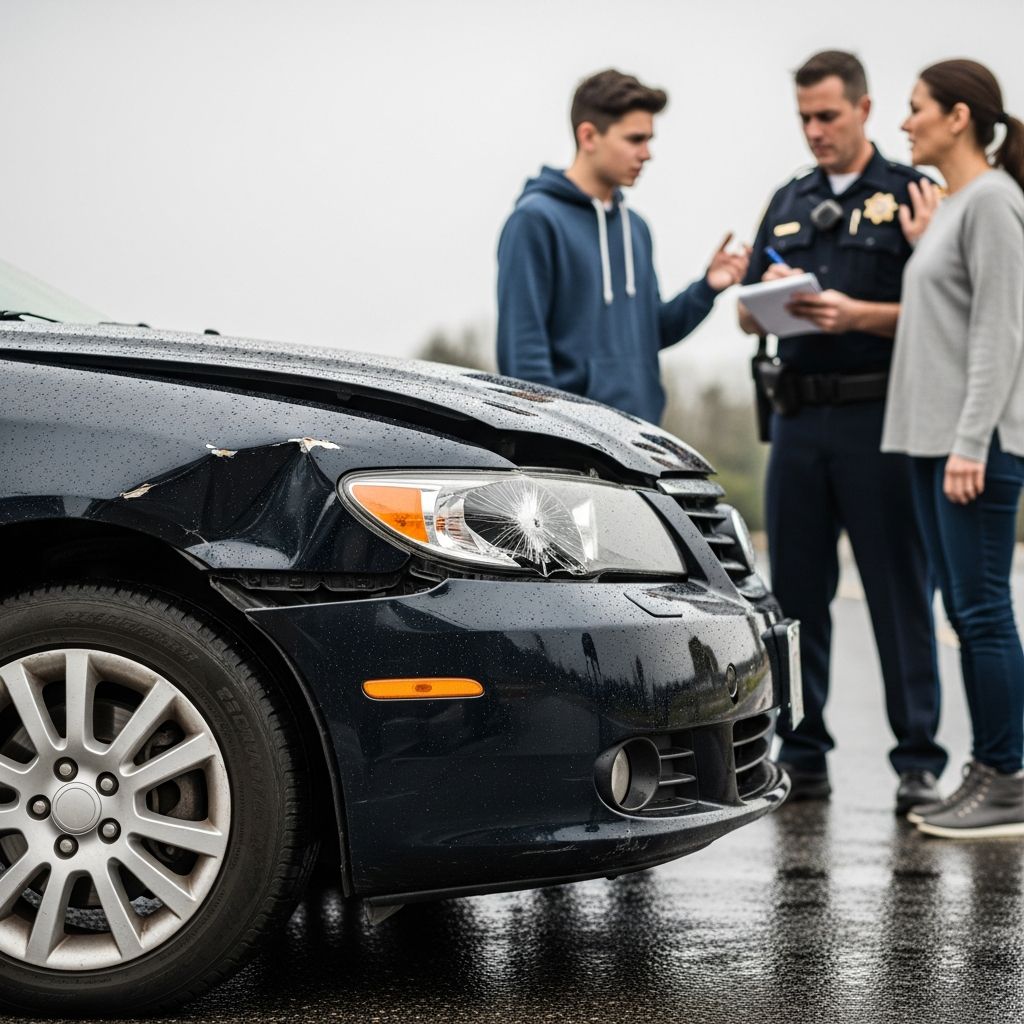
When a teenager gets behind the wheel, the excitement of newfound independence can quickly turn into a nightmare if an accident occurs. Parents often wonder if they could be held financially responsible for damages caused by their child’s driving mistakes. Legal frameworks across the U.S. impose specific liabilities on guardians for minors under 18, balancing family protection with public safety. This article delves into the core principles, state-specific rules, and practical advice for navigating these complex scenarios.
Core Legal Principles Behind Parental Accountability
Parental liability in vehicle incidents stems from doctrines designed to ensure someone with resources covers the costs of a minor’s negligence. Vicarious liability is a primary mechanism, where guardians are held accountable for their child’s actions simply because they signed the driver’s license application or provided the car. In states like Florida and California, statutes explicitly attribute a minor’s misconduct to the signing parent, making them answerable for resulting harms.
Negligent entrustment adds another layer, holding parents liable if they knowingly allow an unsafe driver—like a reckless or unlicensed teen—to operate a vehicle. Courts examine whether guardians ignored red flags such as prior tickets or substance abuse issues. The family purpose doctrine further extends responsibility, viewing family cars as tools for household use, thus imputing liability to the household head for accidents during permitted joyrides or errands.
State Variations in Holding Parents Responsible
Laws differ significantly by jurisdiction, creating a patchwork of protections and risks. Florida’s Section 322.09(b) directly ties the signatory parent’s liability to a minor’s driving errors, covering everything from fender-benders to severe collisions. California mirrors this with similar permit-signing rules. Other states rely more on ownership and permission: if parents own the car and permit its use, they may face claims even for adult children over 18.
In contrast, some regions limit liability to proven negligence by the parent, sparing them from automatic blame in unauthorized use cases. However, if a teen accesses keys left accessible, courts may still find implied permission, blurring lines of responsibility. Parents in no-fault states might deal with personal injury protection (PIP) thresholds before pursuing full claims.
| State Example | Key Liability Rule | Limits/Caps |
|---|---|---|
| Florida | Signer of license liable for minor’s negligence | No specific cap; insurance primary |
| California | Vicarious liability via permit signature | Up to $15,000-$30,000 in some cases |
| Texas | Ownership + permission required | Negligent entrustment focus |
| New York | Family purpose doctrine applies | Insurance handles most claims |
This table highlights how rules vary, emphasizing the need for location-specific legal counsel.
Vehicle Ownership and Permission Dynamics
The car’s title holder often bears the brunt. If registered to a parent, liability typically follows, regardless of who was driving—authorized or not. Unauthorized use doesn’t always absolve owners; Florida courts have ruled parents responsible since minors drive under implied family privileges. For vehicles in a teen’s name (rare before 18), co-registrants or insurers step in.
Permission is pivotal: explicit consent strengthens claims against parents, while ‘taking the keys without asking’ might shift some burden to the child, though rarely fully. Insurance policies listing teens as covered drivers activate coverage, but premiums spike post-incident.
Types of Damages Parents May Cover
- Property Damage: Repairs to other vehicles or structures impacted by the crash.
- Medical Bills: Emergency care, surgeries, therapies—even long-term rehab for victims.
- Lost Wages: Income forfeited by injured parties during recovery.
- Pain and Suffering: Compensation for emotional distress and reduced quality of life.
- Punitive Damages: Rare, but applied in egregious recklessness cases like DUI.
These can total hundreds of thousands, far exceeding standard insurance minimums, prompting lawsuits against parents personally if policies max out.
Insurance’s Role in Mitigating Risks
Auto policies are the first defense line. Adding teens as named drivers ensures coverage, though rates soar—often doubling or tripling. Liability limits (e.g., 100/300/100) dictate payout caps: $100K per person, $300K per accident for bodily injury. Umbrella policies offer extra layers for high-value claims.
Post-accident, insurers investigate ownership, permission, and fault. Minors’ claims go through parents’ policies, but if the child is the victim, guardians file on their behalf within statutes of limitations—two years in Florida, even if waiting until 18. Uninsured/underinsured motorist coverage protects families if the at-fault driver lacks sufficient insurance.
When Children Are Victims: Filing Claims
If your minor is injured, you act as their representative. Claims target the at-fault driver’s insurer or proceed to litigation if disputed. Factors like seatbelt defects or car seat failures can implicate manufacturers. Courts appoint guardians ad litem for settlements, ensuring fairness. Compensation mirrors adult claims but prioritizes future medical needs.
Time limits are strict: file promptly to avoid bars. Even post-18, the clock from injury date applies, compressing windows.
Post-Accident Steps for Involved Parents
- Ensure Safety: Move to safety, call 911 for injuries.
- Document Everything: Photos, witness contacts, police reports.
- Notify Insurer Immediately: Avoid admitting fault.
- Consult Attorney: Especially if injuries or disputes arise.
- Monitor Child’s Record: Supervise drives to build safe habits.
Proactive supervision—like passenger rides—can demonstrate due care, weakening entrustment claims.
Preventive Strategies for Concerned Guardians
Minimize risks by:
- Enrolling teens in defensive driving courses.
- Installing tracking devices or usage monitors.
- Setting firm rules: no passengers early on, curfews.
- Reviewing driving logs post-permit.
- Securing high-limit insurance early.
These steps not only reduce accidents but bolster defenses in liability disputes.
Frequently Asked Questions
Can parents be liable for an adult child’s crash?
Yes, if parents own the vehicle and gave permission, even post-18.
What if the teen drove without permission?
Liability persists if the car is parent-owned; implied access often factors in.
Does signing a license make me automatically liable?
In states like Florida, yes for minors’ negligence.
Can I sue a minor directly?
Yes, but settlements require parental approval; insurance covers most.
How do I protect my family financially?
Add umbrella coverage and list all drivers on policies.
Navigating Lawsuits and Defenses
If sued, parents can counter with proof of no permission, child’s sole fault, or contributory negligence by victims. Discovery phases reveal driving histories, texts, or app data proving entrustment lapses. Settlements dominate—95% of cases avoid trials—but juries penalize lax supervision harshly.
Age thresholds matter: under 18 triggers strongest liabilities; emancipation or military service may shield parents. Criminal elements like DUI amplify scrutiny, potentially piercing insurance exclusions.
Understanding these nuances empowers parents. Whether defending claims or seeking redress for your injured child, knowledge is key. Always engage experienced counsel for tailored guidance amid evolving laws and precedents.
References
- Are parents liable for their adult children’s car accidents? — DWK Law. 2023-05-15. https://www.dwklaw.com/faqs/are-parents-liable-for-adult-childrens-car-accidents/
- Are Parents Liable for Children’s Car Accidents in Florida? — Law Kevin. 2024-02-10. https://lawkevin.com/are-parents-liable-for-childrens-car-accidents/
- How Compensation Works in Car Accidents Involving Children — Farah & Farah. 2023-11-20. https://farahandfarah.com/blog/compensation-car-accidents-children/
- Are Parents Liable for Children’s Car Accidents? — Smith Law Center. 2024-01-08. https://www.smithlawcenter.com/blog/can-parent-be-sued-for-car-accident
- Am I Liable If My Teen Driver Causes a Car Accident? — Nolo. 2023-09-12. https://www.nolo.com/legal-encyclopedia/am-i-liable-if-my-teen-driver-causes-a-car-accident.html
- Are Parents Liable for the Children’s Car Accidents In Florida? — Kogan & DiSalvo. 2024-03-05. https://www.kogan-disalvo.com/florida-car-accident-lawyer/are-parents-liable-for-the-childrens-car-accidents-in-florida/
- Is a Parent Liable For a Child’s Car Accident — Jacobs & Jacobs. 2023-07-18. https://jacobsandjacobs.net/blog/parent-liability-for-child-car-accident/
Similar Articles








Read full bio of Sneha Tete




