
Parental Liability for Kids’ Spring Break Mishaps
Discover if parents face legal risks when teens get into trouble on unsupervised spring break trips, from crimes to accidents.
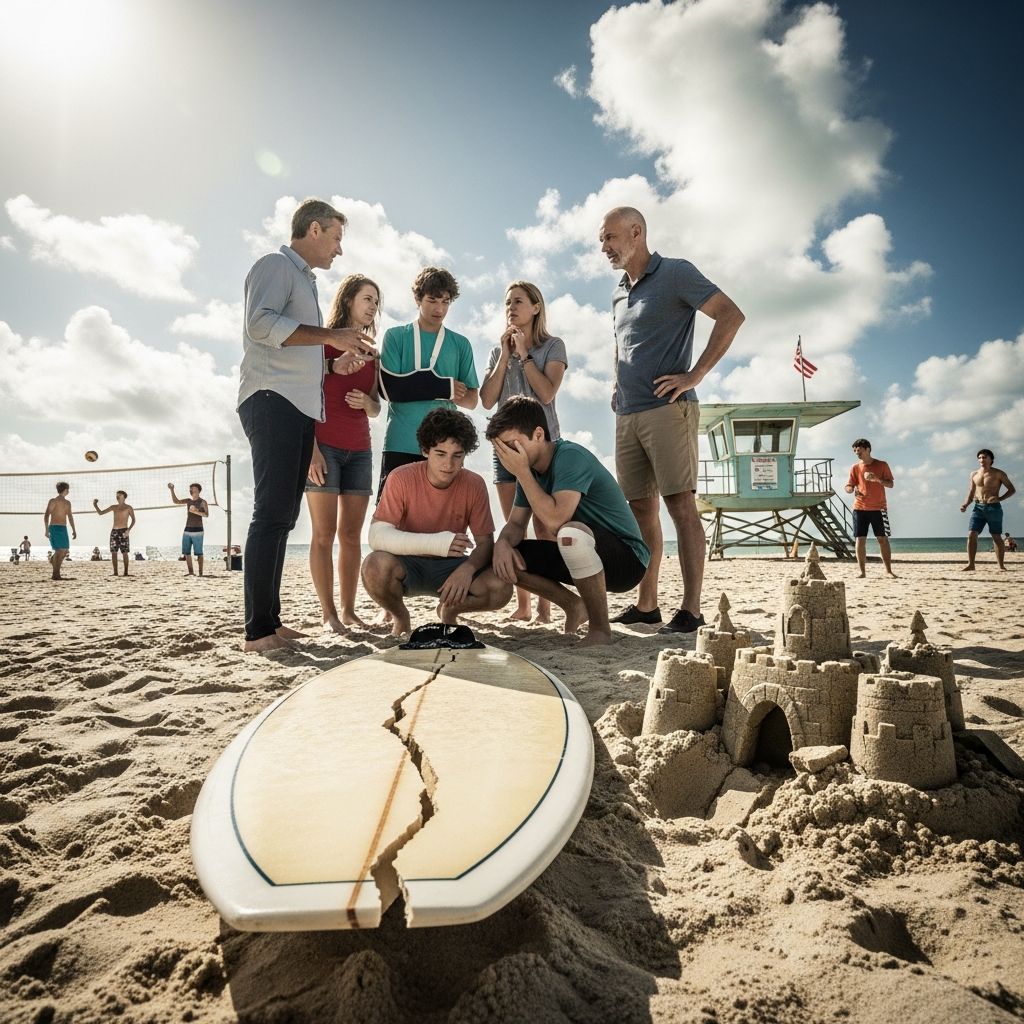
Every year, thousands of teenagers embark on spring break trips filled with excitement, beaches, and parties. But what happens when fun turns into trouble—like underage drinking, vandalism, or car accidents? Parents may wonder if they’re on the hook legally. While laws vary by state, parental responsibility statutes often hold guardians accountable for minors’ actions, even during unsupervised outings. This article breaks down the risks, legal frameworks, and practical steps to protect your family.
Understanding the Scope of Parental Accountability
Parental liability laws aim to encourage proper supervision of minors, typically those under 18. These statutes impose civil or criminal responsibility when a child’s willful or negligent acts cause harm. For spring break scenarios, this includes scenarios where kids access alcohol, vehicles, or engage in destructive behavior away from home.
Not all actions trigger liability. Courts examine factors like the child’s age, parental knowledge of risky behavior, and supervision efforts. Younger children face higher parental scrutiny due to presumed closer oversight needs.
Civil vs. Criminal Consequences for Parents
Civil liability is the most common outcome, requiring parents to pay for damages from their child’s actions, such as repairing vandalized property or covering medical bills from fights. Limits vary: some states cap at $5,000 for property damage, while others have no ceiling for personal injuries.
Criminal liability arises from direct parental involvement or gross negligence, like supplying alcohol to minors or leaving firearms accessible. Penalties include fines, probation, or jail time, especially in repeat cases.
| Type of Liability | Examples | Potential Penalties | State Variations |
|---|---|---|---|
| Civil | Vandalism, theft, injury | Financial restitution up to $25,000+ | Capped in CA, NY; unlimited in others |
| Criminal | Providing alcohol, negligent entrustment | Fines, probation, jail | WI, NJ emphasize negligence |
Common Spring Break Risks and Legal Exposures
- Underage Drinking and Substance Access: If a minor obtains alcohol or drugs from home before a trip, parents could face charges for inadequate storage. On-site, group purchases might not directly implicate parents unless negligence is proven.
- Vehicle Mishaps: Teens borrowing family cars for road trips risk ‘negligent entrustment’ claims if parents knew of unsafe driving habits. Accidents lead to joint liability for repairs and injuries.
- Property Damage and Vandalism: Hotel room destruction or beach graffiti often results in civil suits against parents, with courts assessing prior behavioral warnings.
- Fights and Assaults: Physical altercations during parties can trigger personal injury claims, holding parents responsible if the child has a history of violence ignored by guardians.
- False Alarms or Public Disruptions: Pranks like fake emergencies burden public resources, with some states fining parents up to $5,000.
State-by-State Breakdown of Key Laws
Laws differ significantly. California holds parents jointly liable for willful misconduct causing up to $25,000 in damage. New York’s statutes cover false reports and limit liability to $5,000. Wisconsin scrutinizes access to vehicles, drugs, and alcohol, potentially charging parents criminally.
In many states, signing a minor’s driver’s license application creates unlimited liability for accidents. Emancipated minors or those over 18 generally absolve parents.
Defenses Parents Can Use in Court
Parents aren’t defenseless. Strong arguments include:
- Demonstrating reasonable supervision: Proof of rules, curfews, and prior interventions shows diligence.
- Lack of prior knowledge: No history of the child’s dangerous tendencies weakens negligence claims.
- Child’s independence: For older teens on approved trips, argue they acted autonomously.
- Emancipation status: Formal legal independence ends parental duty.
Insurance often covers civil claims, but criminal matters require separate defense strategies.
Preventive Measures Before the Trip
Proactive steps minimize risks:
- Set Clear Rules: Discuss expectations, consequences, and emergency contacts in writing.
- Secure Home Resources: Lock alcohol, medications, keys, and valuables.
- Require Check-Ins: Daily calls or app-based location sharing ensures accountability.
- Purchase Travel Insurance: Covers damages not handled by homeowners’ policies.
- Educate on Laws: Review local ordinances for destinations like Florida or Mexico.
Group trips with adult chaperones shift some responsibility, though parents remain vigilant.
Real-World Case Studies
In one Wisconsin case, parents faced fines after their teen accessed home alcohol for a lake house party, leading to a DUI. Courts ruled negligence due to unlocked cabinets. A California family paid $15,000 for hotel vandalism by their 16-year-old, as prior warnings were ignored.
Conversely, a New York parent avoided liability by proving trip rules and no knowledge of the child’s prank calls. These examples highlight documentation’s importance.
Insurance and Financial Safeguards
Homeowners’ insurance typically covers minor-related damages up to policy limits, but exclusions apply for intentional acts. Umbrella policies extend protection. Consult agents pre-trip to confirm coverage for out-of-state incidents.
When to Consult a Lawyer
If trouble arises, act fast. A family law attorney can navigate juvenile courts, negotiate settlements, or defend against charges. Early intervention often reduces penalties and preserves records.
Frequently Asked Questions (FAQs)
Are parents liable for 18-year-olds on spring break?
Generally no, as adults bear full responsibility. Exceptions apply if parents co-sign loans or provide vehicles.
Does liability apply across state lines?
Yes, the child’s residence state laws often govern, but incident location rules may apply.
What if the child is emancipated?
Parents are typically fully released from liability.
Can schools or groups be liable instead?
If officially sanctioned, yes—shifting focus from parents.
How much can parents be sued for?
Varies: $2,500-$25,000 common caps; unlimited for severe injuries.
This guide equips parents with knowledge to enjoy spring break worry-free. Stay informed, communicate openly, and seek professional advice for peace of mind.
References
- When Your Child’s Bad Decisions Land You in Criminal Trouble — GRG Law. Accessed 2026. https://www.grgblaw.com/wisconsin-trial-lawyers/when-your-child-s-bad-decisions-land-you-in-criminal-trouble
- Are Parents Responsible for Their Child’s Crimes? — ShotLaw. Accessed 2026. https://shotlaw.com/blog/are-parents-responsible-for-their-childs-crimes/
- Parental Responsibility Laws in New York — Nolo. Accessed 2026. https://www.nolo.com/legal-encyclopedia/new-york-parental-responsibility-laws.html
- Parental Responsibility Laws In All 50 States — MWL-Law (PDF). 2018-02. https://www.mwl-law.com/wp-content/uploads/2018/02/PARENTAL-RESPONSIBILITY-LAWS-CHART.pdf
- Parental Responsibility Laws & Injuries Caused by Children — Justia. Accessed 2026. https://www.justia.com/injury/child-injury/parental-responsibility/
- Parental Responsibility For Children’s Actions — NJ Divorce Online. Accessed 2026. https://www.njdivorceonline.com/guide.asp?level=2&id=707
- Parental Liability: Child’s Car Accident — Jacobs & Jacobs. Accessed 2026. https://jacobsandjacobs.net/blog/parent-liability-for-child-car-accident/
Similar Articles








Read full bio of Sneha Tete


