
Complete Guide to Organ Donation Registration
Learn how to register as an organ donor and save lives through donation.
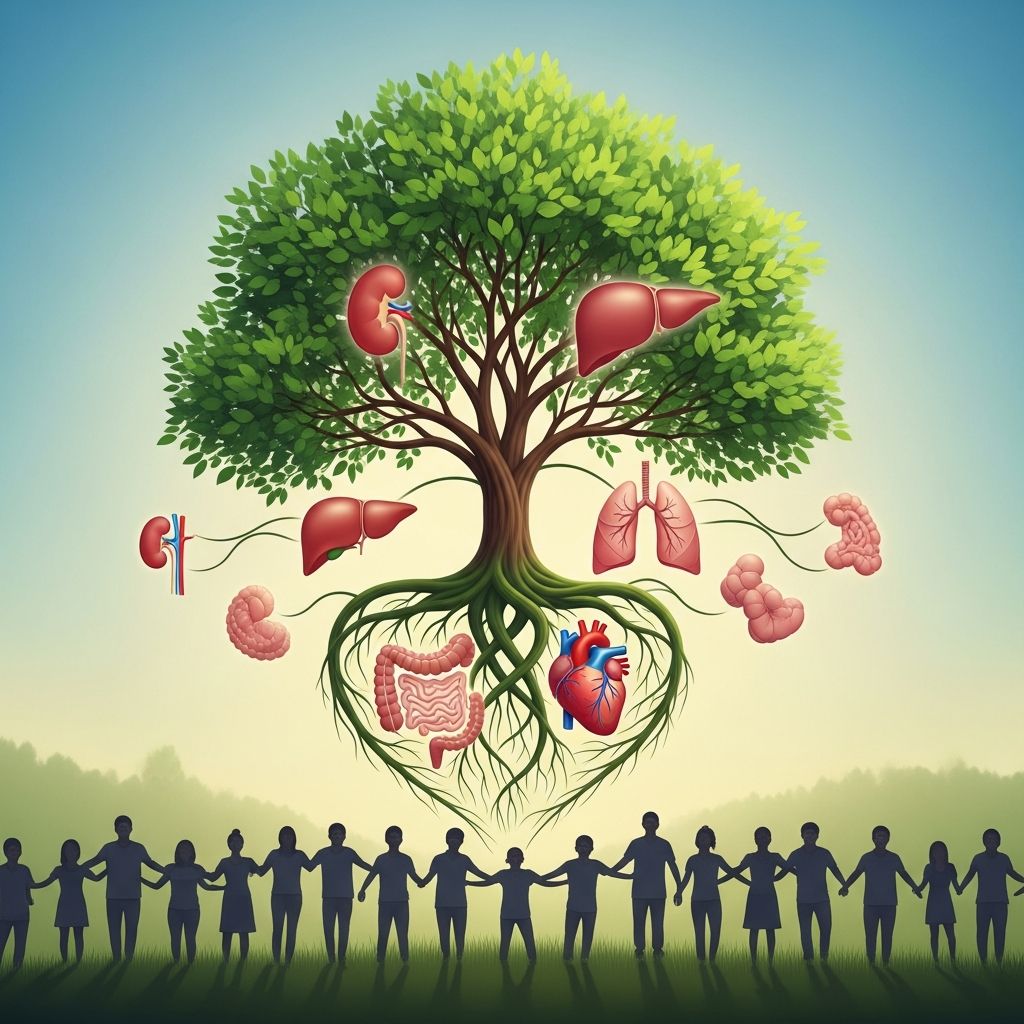
Each year, thousands of individuals face life-threatening conditions that only an organ transplant can address. The generous gift of organ donation represents one of the most profound ways a person can contribute to society, potentially saving multiple lives after their death or enabling someone to live a longer, healthier life through a living donation. Understanding how to become an organ donor is the first critical step in this lifesaving process.
Understanding Organ Donation and Its Impact
Organ donation represents a conscious choice to give the gift of life to individuals suffering from end-stage organ disease. More than 100,000 people across the United States are currently waiting for life-saving transplants, with many facing deteriorating health conditions while on transplant waiting lists. The ability to donate organs, tissues, and eyes offers hope to these individuals and their families.
The organs and tissues available for donation include kidneys, liver, heart, lungs, pancreas, and small intestines. Additionally, individuals can donate corneas and other tissues. What makes organ donation particularly valuable is that many organs can be donated either after death or by living donors, expanding the potential to help those in critical need.
Eligibility and Who Can Become a Donor
A common misconception is that only young, perfectly healthy individuals can become organ donors. In reality, medical professionals evaluate each potential donor individually, focusing on the health of specific organs rather than overall health status. Age is not a determining factor for deceased donors—individuals of all ages can be registered donors.
Healthcare providers assess whether specific organs are suitable for transplantation based on how they function at the time of death. Someone with diabetes, cancer, or heart disease may still be an excellent candidate for donating certain organs. The critical factor is the condition of the organs themselves and whether the risks associated with donation surgery are acceptable.
For living donors, the evaluation process is more comprehensive. Living donors must undergo extensive medical screening, including blood tests and compatibility evaluations, to ensure their safety and that their organs match potential recipients. Adults can typically donate kidneys or liver portions at established transplant centers.
Registration Methods: Getting Started as a Donor
Becoming an organ donor is remarkably straightforward, with multiple convenient registration options available to residents across all states.
Online Registration
The most accessible method for most people involves online registration through their state registry. This process typically requires having your driver’s license or state identification number readily available. Individuals over eighteen years old can register directly through their state’s official registry system. Some states also permit minors ages fifteen through seventeen to register with parental consent or signature.
Motor Vehicle Department Registration
Many individuals choose to register when renewing their driver’s license or identification card at their state’s motor vehicle office. Staff members can process donor registration as part of this routine transaction. This method integrates donation registration into an already-scheduled appointment, making it convenient for those renewing identification documents.
Digital Health Application Registration
Technology has made organ donor registration even more accessible through smartphone applications. Individuals using iPhones can register through the Health app, which securely transmits registration information to the national computer system managing organ donor records. This option represents the most streamlined approach for tech-savvy individuals.
The Legal Significance of Registration
When someone registers as an organ donor through their state registry, they are providing legal consent for organ donation after their death. This registration constitutes a legally binding decision that healthcare professionals and organ procurement organizations will honor. The state maintains secure records of all registered donors, enabling healthcare providers to quickly verify donation status when needed.
The importance of registration cannot be overstated. When a person dies or approaches death, hospitals contact their local Organ Procurement Organization, which searches state registries to determine if the individual registered as a donor. If registration is found, that serves as legal authorization for the donation process to proceed.
Communicating Your Decision to Family
While registration alone provides legal authorization for donation, healthcare professionals strongly recommend that donors communicate their decision to family members and loved ones. This conversation serves multiple important purposes.
First, it ensures that family members understand and respect the donor’s wishes. When a death occurs, Organ Procurement Organization staff will explain the donation process to the family, and family members are more likely to feel comfortable with the procedure if they already knew about the donor’s wishes.
Second, informing family members prevents confusion or conflict at a time when they are experiencing grief. Clear communication about donation intentions helps families unite around the decision rather than second-guessing it during an emotionally difficult period.
Third, even though registration provides legal authority independent of family consent, the support and understanding of loved ones makes the process smoother for everyone involved, including the healthcare professionals guiding the family through donation.
The Deceased Donor Process: From Registration to Transplantation
Understanding what happens after someone’s death can help individuals feel confident about their decision to register as a donor.
Initial Assessment
When a person dies in a hospital, medical professionals must first determine whether the individual is suitable for organ donation. Specially-trained medical practitioners from the Organ Procurement Organization visit the hospital to conduct a thorough medical evaluation. They review the deceased person’s medical history and current condition to assess whether organs remain viable for transplantation.
Authorization and Family Communication
Once the family has been informed of the death, hospital staff or Organ Procurement Organization representatives discuss donation with the family. If the deceased person registered as a donor, this information is shared with the family, and trained counselors explain the donation process and answer questions.
If the deceased did not register as a donor, the family is offered the opportunity to authorize donation based on what they believe the deceased would have wanted. This scenario underscores why registration and family communication are both important—they ensure the deceased person’s wishes are known and respected.
Organ Matching and Allocation
Once authorization is confirmed, medical professionals enter critical information into the national computer system managed by the Organ Procurement and Transplantation Network. This information includes blood type, body size, hospital location, and available organs and tissues. The system searches its database of individuals waiting for transplants to identify the best matches based on compatibility factors including blood type, tissue type, body size, how urgently they need the organ, geographical proximity, and time spent on the waiting list.
Importantly, the matching system never considers factors such as race, gender, sexual orientation, income, celebrity status, or social position. Allocation follows purely medical criteria designed to maximize successful outcomes.
Organ Recovery Surgery
When recipients have been identified, the donor is taken to an operating room where a specialized surgical team—different from the medical team that cared for the donor before death—carefully recovers organs and tissues. This separation of teams is required by federal law to maintain ethical standards. The surgical team treats the donor’s body with dignity and respect throughout the procedure, and the body is left in suitable condition for whatever funeral arrangements the family has chosen, including open casket services.
Recovered organs are placed in special preservation containers and transported to the transplant hospitals where recipients are waiting. The process moves quickly because organs begin to deteriorate after death, making rapid coordination essential.
Transplantation and Follow-up
Recipients receive surgery as quickly as possible, with transplant teams working around the clock to place organs before viability is compromised. The identities of donors and recipients remain confidential unless both parties agree to share information.
After donation, families receive follow-up communication from the Organ Procurement Organization. Typically within a few weeks, families are informed which organs were successfully transplanted, though recipient identities are kept confidential. Many organizations provide ongoing support to donor families, including bereavement counseling and memorial events.
Living Organ Donation: A Different Pathway
Living organ donation offers another avenue for individuals wishing to donate. More than 7,000 kidney and liver transplants were made possible by living donors in a recent year, demonstrating the significant impact of this donation method.
Becoming a Living Donor
Individuals interested in living donation should contact a transplant center that performs living donor evaluations. If someone wishes to donate to a specific person they know, they should reach out directly to that person’s transplant hospital to initiate the process.
Medical Screening and Compatibility Testing
Living donors undergo extensive medical screening, including blood tests, physical examinations, and psychological evaluations. These assessments ensure that donors are healthy enough to safely undergo donation surgery and live a normal life with one kidney or a portion of their liver.
Compatibility testing determines whether the donor’s organs are suitable for the specific recipient. Blood typing and tissue matching help predict how well the recipient’s body will accept the donated organ.
The Living Donation Surgery Process
When a living donor and recipient are matched and cleared for surgery, the transplant center coordinates the timing of both procedures. The donor and recipient typically undergo surgery simultaneously at the transplant center, with the donor’s surgery occurring in one operating room and the recipient’s in another. This careful coordination ensures the donated organ is transplanted as quickly as possible after removal.
Living donors report high satisfaction with their decision, knowing they have directly saved or significantly improved someone’s life. Transplant centers providing living donor services emphasize ongoing support for donors’ long-term health and well-being.
Special Considerations and Common Questions
Can minors register as donors?
While individuals must be eighteen years old to register independently, some states permit individuals ages fifteen through seventeen to register with parental consent or authorization.
Does medical history affect donor eligibility?
Having existing medical conditions does not automatically disqualify someone from being a donor. Medical professionals evaluate specific organs rather than overall health status. Someone with managed diabetes or hypertension may still donate suitable organs.
Can organ donation delay funeral arrangements?
Organ donation does not prevent traditional funeral practices. The donor’s body is treated with respect, and open casket funerals remain possible after organ donation. The donation process does not disfigure the body.
What if someone changes their mind about being a donor?
Donors can remove themselves from the registry at any time by contacting their state’s registry directly. This change takes effect immediately.
Do organ donors’ families have to pay for the donation?
Families are not charged for organ donation. The donor’s estate does not bear the costs of donation surgery; these expenses are covered by the transplant hospital.
Taking Action: Next Steps
Becoming an organ donor requires minimal effort but can produce extraordinary results. The first step involves selecting whichever registration method best suits individual circumstances—whether that means visiting a state website, registering during a motor vehicle office visit, or using a health application on a smartphone.
After completing registration, the next important step is communicating this decision to family members and loved ones. Having a conversation about organ donation wishes ensures that family members understand and support this choice.
Individuals considering living donation should research transplant centers in their area and reach out to discuss their interest in becoming a living donor. Transplant center staff can provide detailed information about the evaluation process and answer specific questions about living donation.
The gift of organ donation represents one of the most meaningful ways individuals can contribute to saving lives. By taking these simple steps today, people position themselves to potentially help multiple individuals experiencing organ failure, giving them a second chance at life and the opportunity to continue their journeys with loved ones.
References
- Organ Donation & Transplantation: How the Process Works — Cleveland Clinic. 2024. https://my.clevelandclinic.org/health/treatments/11750-organ-donation-and-transplantation
- How To Sign Up — OrganDonor.gov (U.S. Department of Health and Human Services). 2024. https://www.organdonor.gov/sign-up/how
- Deceased Organ Donation Process — UNOS (United Network for Organ Sharing). 2024. https://unos.org/transplant/deceased-donation/
- Donate Life America — Donate Life America. 2024. https://donatelife.net
- Ways to Become an Organ Donor — Yale New Haven Hospital. 2024. https://www.ynhh.org/services/transplantation/become-an-organ-donor
Similar Articles








Read full bio of medha deb


