
Senior Driving in Oregon: Licenses, Safety & Rights
Understanding Oregon's age-related driving requirements, renewal processes, and safety provisions for older motorists.
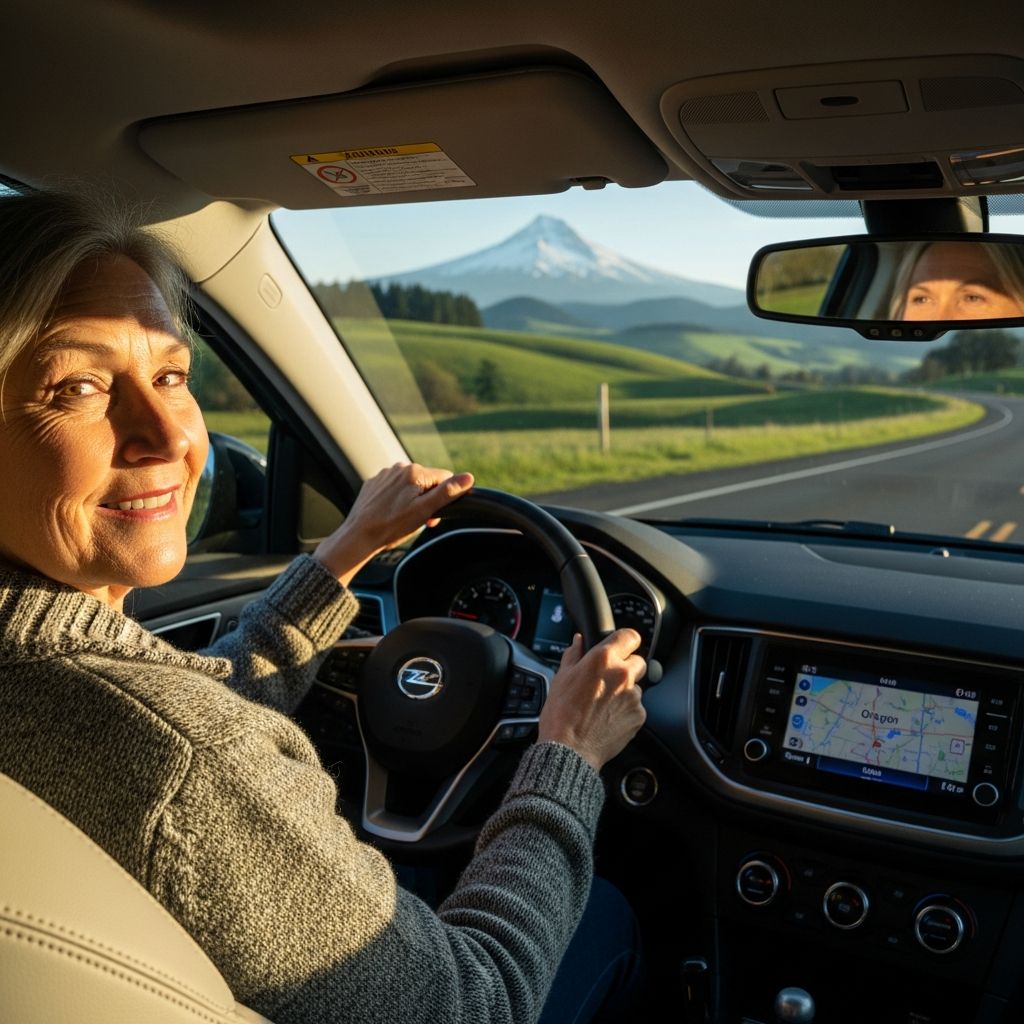
Navigating Oregon’s Driving Requirements as You Age
Oregon is home to nearly 3 million licensed drivers, with a steadily increasing proportion over the age of 65. As drivers grow older, maintaining safe driving practices becomes increasingly important for both personal well-being and public safety. While the Oregon Department of Motor Vehicles (DMV) enforces consistent traffic rules for all drivers regardless of age, the state has established specific regulations designed to ensure that mature drivers remain safe and competent behind the wheel. Understanding these age-related requirements can help older drivers maintain compliance with state law while continuing to enjoy the independence that driving provides.
License Renewal Timeline and Duration in Oregon
Oregon’s driver licensing system operates on an eight-year renewal cycle. Once your current license expires, you have a two-year grace period during which you must renew your credentials to continue driving legally. Unlike some states that impose mandatory age cutoffs, Oregon does not prohibit drivers of any age from renewing their licenses. However, the state has implemented targeted requirements for drivers who are 50 years old or older at the time their licenses expire. These regulations exist as a reasonable middle ground—ensuring public safety without imposing blanket restrictions based solely on chronological age.
Vision Screening Requirements for Drivers 50 and Older
One of the most significant requirements for mature drivers in Oregon is the mandatory vision screening. All drivers who will reach age 50 by the date their license expires must successfully complete a vision test during the renewal process. This screening is not optional and must be passed to obtain a renewed license.
The vision test evaluates two critical components of eyesight. First, it measures your visual acuity—the sharpness and clarity of what you can see—using corrective lenses if you normally wear glasses or contacts. Second, it assesses your field of vision, which is your peripheral vision and the total range of sight you can perceive without moving your eyes.
Oregon’s vision standards require drivers to demonstrate:
- Visual acuity of 20/70 or better (with corrective lenses, if needed)
- A field of vision spanning at least 110 degrees in total width
If your test results fall below these thresholds, the DMV will not renew your license without additional evaluation or restrictions. These standards are designed to identify vision problems that could compromise safe driving, such as cataracts, macular degeneration, or other age-related eye conditions.
Corrective Lenses and Additional License Restrictions
Many older drivers discover that wearing corrective lenses—glasses or contact lenses—is essential for meeting Oregon’s vision standards. The requirement to wear correction devices while driving is one of the most frequently imposed restrictions on driver’s licenses. However, Oregon’s DMV has authority to impose additional restrictions beyond eyewear requirements when circumstances warrant them.
The state may place various limitations on a license based on safety concerns, individual capabilities, or specific medical conditions. These restrictions appear on your physical license as letter codes that indicate the nature of the limitation. For example, a code might specify that you may only drive during daylight hours, require an automatic transmission vehicle, or restrict driving to local roads within a specific radius of your residence. Each restriction is individually tailored based on the DMV’s assessment of your driving fitness.
The At-Risk Driver Program and Safety Evaluations
Oregon recognizes that some drivers may have developing safety concerns that don’t fit neatly into standard renewal processes. The state operates an At-Risk Driver Program that allows concerned parties to request formal evaluations of drivers whose behavior suggests potential safety hazards.
The program accepts Driver Evaluation Request forms from a wide range of sources:
- Family members and relatives
- Friends and acquaintances
- Law enforcement officers
- Social service providers and healthcare professionals
- Any other person with knowledge of unsafe driving patterns
It’s important to understand that requests cannot be based solely on a driver’s age, medical diagnosis, or general health status. Instead, they must be grounded in specific, observable instances of unsafe driving behavior. For example, a request might cite multiple traffic violations within a short period, reports of near-miss incidents, or witnessed episodes of confusion while operating a vehicle.
All requests submitted to the program are kept confidential under Oregon state law. However, Oregon does not accept anonymous reports—the person making the request must be identifiable to the DMV. Once a request is received and properly documented, the state initiates an investigation and may require the driver to undergo additional testing, including a road test or medical evaluation.
To submit a Driver Evaluation Request, complete the official form and send it to:
DMV Driver Specialty Services
1905 Lana Avenue NE
Salem, OR 97314
Alternatively, you can fax your request to (503) 945-5329. The DMV’s Driver Fitness webpage provides additional resources and information about the program.
Disabled Parking Placards for Limited Mobility
Many older drivers experience mobility limitations that don’t necessarily affect their ability to operate a vehicle safely but make accessing buildings and facilities challenging. Oregon offers disabled person parking placards for drivers with certified mobility impairments. These permits provide convenient access to designated accessible parking spaces.
Eligibility for a parking placard typically includes drivers with conditions such as:
- Significant arthritis or joint disease limiting walking distance
- Chronic pain conditions affecting mobility
- Respiratory conditions making prolonged walking difficult
- Neurological conditions affecting balance or coordination
- Recent surgical recovery requiring limited weight-bearing
- Other medical conditions documented by a healthcare provider
To obtain or renew a parking placard, you must complete an application form that requires certification from a licensed medical practitioner. Oregon recognizes the following types of healthcare providers as eligible to sign the authorization:
- Licensed physicians (MD or DO)
- Advanced practice nurses (with appropriate clinical authorization)
- Physician assistants
- Chiropractors (in some circumstances)
- Other licensed healthcare professionals as defined by state regulations
Once your healthcare provider signs the completed application, you can submit it to the DMV through any of these methods:
- In person at any Oregon DMV office
- By mail to: DMV Driver Issuance Unit, 1905 Lana Avenue NE, Salem, OR 97314
- By fax to: 503-945-5181
The DMV typically processes placard applications within 10 to 14 days. Once approved, you’ll receive a physical placard that hangs from your rearview mirror or attaches to your license plate, allowing you to park in accessible spaces throughout Oregon and most other states that honor the federal permit system.
Safety Considerations and Traffic Risks for Senior Drivers
Research and statistical data consistently show that senior drivers face elevated risks of traffic-related injuries and collisions compared to younger age groups. While older drivers often demonstrate excellent judgment and extensive driving experience, age-related physiological changes can affect driving performance. Vision deterioration—including presbyopia (difficulty focusing at varying distances) and reduced night vision—significantly impacts situational awareness. Additionally, slower reaction times, reduced neck flexibility, and diminished hearing can all contribute to increased collision risk.
Some older drivers with documented patterns of unsafe driving behavior may face license suspension or revocation following evaluation by the DMV. These actions are not punitive but rather protective measures designed to prevent harm to the driver and others on the road. If your license has been suspended or revoked, you have legal options to challenge the decision or petition for reinstatement following a period of time and potential additional evaluation.
Legal Support and Resources for Challenging Driving Decisions
If you’re facing a traffic ticket, involved in a collision, or dealing with license suspension or revocation, you have the right to legal representation. An experienced Oregon traffic attorney can help you understand your options, represent your interests before the DMV, and navigate the appeals process if necessary. Legal assistance is particularly valuable if you believe a DMV decision was made in error or if circumstances have changed that would warrant license restoration.
Beyond legal support, Oregon DMV offices throughout the state can provide detailed information about agency regulations, specific requirements applicable to your situation, and guidance on the renewal process. Staff at these offices can answer questions about vision screening requirements, license restrictions, and safety evaluation procedures.
Frequently Asked Questions About Oregon Senior Driving Laws
Q: At what age do Oregon drivers first face special driving requirements?
A: Oregon requires vision screening for all drivers who will be 50 years old or older on the date their license expires. This is the age at which the state’s specific requirements for mature drivers begin.
Q: Can I renew my Oregon license online if I’m over 50?
A: Because drivers 50 and older must complete a vision screening, most online renewal options are not available. You’ll typically need to visit a DMV office in person to take the required vision test.
Q: What happens if I fail the vision screening?
A: If you don’t meet Oregon’s vision standards, the DMV will not automatically renew your license. You may have the opportunity to correct the issue (such as obtaining updated glasses), retake the test, or undergo additional evaluation. Your license will not be renewed until vision requirements are met.
Q: How do I report an unsafe driver in Oregon?
A: Complete a Driver Evaluation Request form and submit it to DMV Driver Specialty Services. Your report must cite specific unsafe driving behaviors rather than age or general health. Requests are confidential but cannot be anonymous.
Q: Is there an age limit for driving in Oregon?
A: No. Oregon does not impose a mandatory age cutoff for holding or renewing a driver’s license. However, drivers of any age who demonstrate unsafe driving patterns may face evaluation, restrictions, or license revocation.
Q: How long does it take to get a disabled parking placard?
A: Once you submit a completed application signed by a licensed healthcare provider, the DMV typically processes and issues your placard within 10 to 14 days.
Maintaining Your Independence While Driving Safely
Oregon’s regulations for mature drivers strike a balance between preserving independence and ensuring public safety. By understanding the vision screening requirements, recognizing potential safety concerns, and engaging with the DMV’s resources and evaluation programs, older drivers can make informed decisions about their continued driving. Whether you’re approaching age 50 and preparing for your first vision screening or managing multiple driving restrictions, knowledge of these regulations empowers you to navigate the licensing system effectively and maintain the mobility that enhances quality of life in Oregon.
References
- Oregon Driving Laws for Seniors and Older Drivers — Nolo. Accessed January 17, 2026. https://www.nolo.com/legal-encyclopedia/oregon-driving-laws-seniors-older-drivers.html
- License Renewals: What Are the New Rules for Senior Drivers? — Sterling and Tucker. Accessed January 17, 2026. https://www.sterlingandtucker.com/aging-drivers-and-the-law/
- Older Drivers: Safe and Smart — Insurance Institute for Highway Safety. Accessed January 17, 2026. https://www.iihs.org/topics/older-drivers
- Driver Fitness and At-Risk Driver Program — Oregon Department of Motor Vehicles. Accessed January 17, 2026. https://www.oregon.gov/odot/dmv
Similar Articles








Read full bio of Sneha Tete


