
One Drink’s Hidden Dangers: Health Risks Revealed
Discover how even a single alcoholic drink can trigger injuries, impair judgment, and pose serious health threats based on scientific evidence.
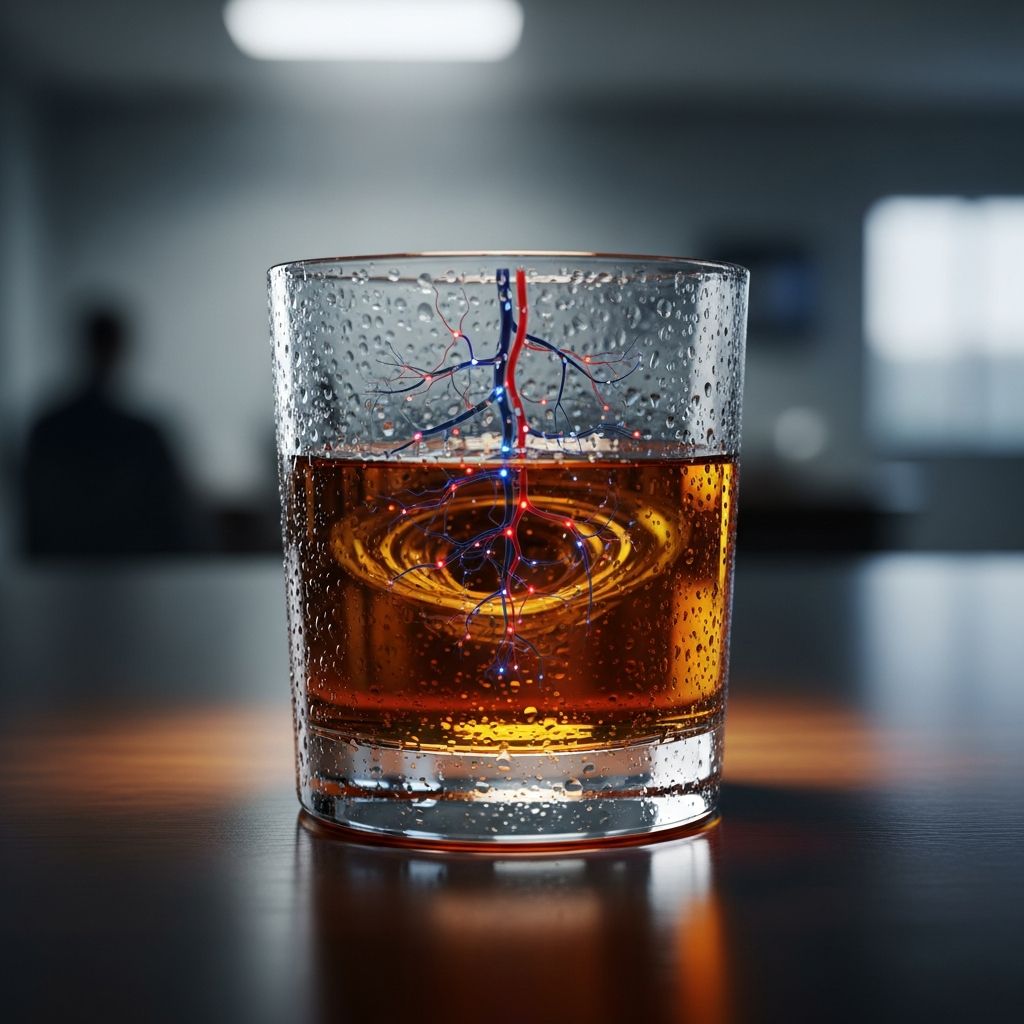
Many people believe that having just one alcoholic beverage is harmless, but scientific evidence shows otherwise. A single drink can impair coordination, slow reaction times, and increase the likelihood of accidents, leading to personal injuries with lasting consequences.
Immediate Physical Impairments from Minimal Alcohol Intake
Alcohol enters the bloodstream rapidly, affecting the central nervous system within minutes. Even low doses disrupt brain signaling, leading to reduced inhibitions, poorer judgment, and diminished motor skills. This can manifest as dizziness, altered balance, and slower reflexes, all of which heighten injury risk during everyday activities.
- Balance and Coordination Loss: A single drink raises the odds of falls, a leading cause of emergency visits. Alcohol affects the inner ear and cerebellum, impairing spatial awareness.
- Reaction Time Delay: Drivers or operators of machinery experience slowed responses, contributing to collisions.
- Judgment Impairment: Decisions become riskier, from crossing streets unsafely to engaging in altercations.
These effects peak around 30-60 minutes after consumption but can linger, especially on an empty stomach or in combination with fatigue.
Accident Risks Tied to a Single Serving
Statistics from health agencies underscore how one drink escalates danger in common scenarios. For instance, motor vehicle incidents spike even at low blood alcohol concentrations (BAC) below legal limits in many areas.
| Activity | Risk Increase with One Drink | Potential Injuries |
|---|---|---|
| Driving | Reaction time slows by 10-20% | Crashes, whiplash, fractures |
| Walking/Stairs | Fall risk doubles | Head trauma, sprains, hip fractures |
| Sports/Exercise | Coordination drops significantly | Strains, concussions, dislocations |
| Workplace Tasks | Error rates rise | Cuts, burns, machinery accidents |
Short-term harms extend beyond physical trauma. Alcohol poisoning, though rarer from one drink, can occur in sensitive individuals, causing vomiting, confusion, and respiratory depression.
Short-Term Bodily Reactions to One Drink
Beyond behavior, alcohol triggers physiological changes. It acts as a depressant, initially sedating the body while paradoxically increasing heart rate and blood pressure.
- Cardiovascular Strain: Even modest intake can cause arrhythmias or hypotension upon standing, risking fainting and falls.
- Gastrointestinal Distress: Irritation leads to nausea, acid reflux, or leaky gut effects, allowing toxins into the bloodstream.
- Immune Suppression: One heavy session weakens defenses for up to 24 hours, heightening infection susceptibility.
- Dehydration and Hangover Precursors: Diuretic properties cause fluid loss, headache, and fatigue the next day.
Women and smaller individuals metabolize alcohol slower, amplifying these effects from the same drink volume.
Brain and Nervous System Vulnerabilities
The brain is particularly sensitive. Alcohol interferes with neurotransmitter balance, disrupting communication pathways. A single drink can induce mild euphoria followed by anxiety, poor concentration, and memory lapses.
Peripheral nerves suffer too, with risks of temporary numbness or tingling. In vulnerable people, this contributes to mishaps like stumbling. Chronic low-level exposure compounds into neuropathy, but acute doses still pose immediate threats.
Longer-Term Concerns Starting from Occasional Drinks
While one drink alone rarely causes permanent damage, repeated instances build cumulative harm. Health bodies like the WHO state no safe consumption level exists, as risks for cancer, heart disease, and liver issues rise linearly with any intake.
- Cancer links: Esophageal, breast, and colorectal from GI inflammation.
- Heart issues: Hypertension and cardiomyopathy from muscle weakening.
- Bone and muscle: Increased fracture risk and myopathy.
Reversibility varies; early changes like mild liver fat can improve with abstinence, but neural damage may persist.
Legal and Liability Angles in Injury Cases
If a single drink contributes to an injury—yours or others’—legal recourse may apply. Premises liability holds bars or hosts accountable if overserving occurs, even if self-inflicted harm results indirectly. Personal injury claims hinge on proving negligence, like failing to monitor intoxication.
Product liability targets manufacturers for misleading low-alcohol claims. Dram shop laws in various jurisdictions impose penalties on servers contributing to impaired actions leading to harm.
Strategies to Minimize One-Drink Risks
Reducing exposure involves mindful choices:
- Pair with food to slow absorption.
- Hydrate alternately with water.
- Avoid high-risk activities for 2-3 hours post-drink.
- Know personal limits via BAC calculators.
- Opt for non-alcoholic alternatives mimicking taste.
Public health campaigns urge complete avoidance for zero risk, especially for youth, pregnant individuals, or those on medications.
Frequently Asked Questions (FAQs)
What happens physiologically after one drink?
Alcohol dilates blood vessels, raises heart rate, dehydrates tissues, and slows brain signals, impairing balance and judgment within 15-30 minutes.
Can one drink really cause a car accident?
Yes, low BAC levels (0.02-0.05%) double crash risk by delaying reactions and overconfidence.
Is it safer to have one drink slowly?
Slower sipping mitigates peak impairment but doesn’t eliminate risks; effects accumulate regardless.
Who is most vulnerable to one-drink effects?
Women, older adults, those with low body weight, or liver conditions experience stronger impacts.
Does one drink increase cancer risk?
Any amount elevates odds for certain cancers via DNA damage and inflammation.
Key Takeaways for Everyday Safety
Understanding that one drink carries tangible risks empowers better decisions. From slips on stairs to vehicular mishaps, the chain from sip to injury is shorter than assumed. Prioritize sobriety in hazardous settings to safeguard health and avoid legal entanglements.
References
- Alcohol’s Effects on the Body — National Institute on Alcohol Abuse and Alcoholism (NIAAA). Accessed 2026. https://www.niaaa.nih.gov/alcohols-effects-health/alcohols-effects-body
- How alcohol affects your body — Better Health Channel, Victoria Government. Accessed 2026. https://www.betterhealth.vic.gov.au/health/healthyliving/how-alcohol-affects-your-body
- The risks of drinking too much — NHS UK. Accessed 2026. https://www.nhs.uk/live-well/alcohol-advice/the-risks-of-drinking-too-much/
- Can You Reverse Alcohol Damage? — American Addiction Centers. Accessed 2026. https://americanaddictioncenters.org/alcohol/reverse-alcohol-damage
- Alcohol Use and Your Health — Centers for Disease Control and Prevention (CDC). Accessed 2026. https://www.cdc.gov/alcohol/about-alcohol-use/index.html
- How Alcohol Impacts the Brain — Northwestern Medicine. Accessed 2026. https://www.nm.org/healthbeat/healthy-tips/alcohol-and-the-brain
- No level of alcohol consumption is safe for our health — World Health Organization (WHO) Europe. 2023-01-04. https://www.who.int/europe/news/item/04-01-2023-no-level-of-alcohol-consumption-is-safe-for-our-health
- Alcohol use: Weighing risks and benefits — Mayo Clinic. Accessed 2026. https://www.mayoclinic.org/healthy-lifestyle/nutrition-and-healthy-eating/in-depth/alcohol/art-20044551
Similar Articles








Read full bio of Sneha Tete


