
Nursing Home Falls: Proving Negligence for Compensation
Understand when nursing homes are liable for resident falls due to negligence and how families can pursue justice and compensation.
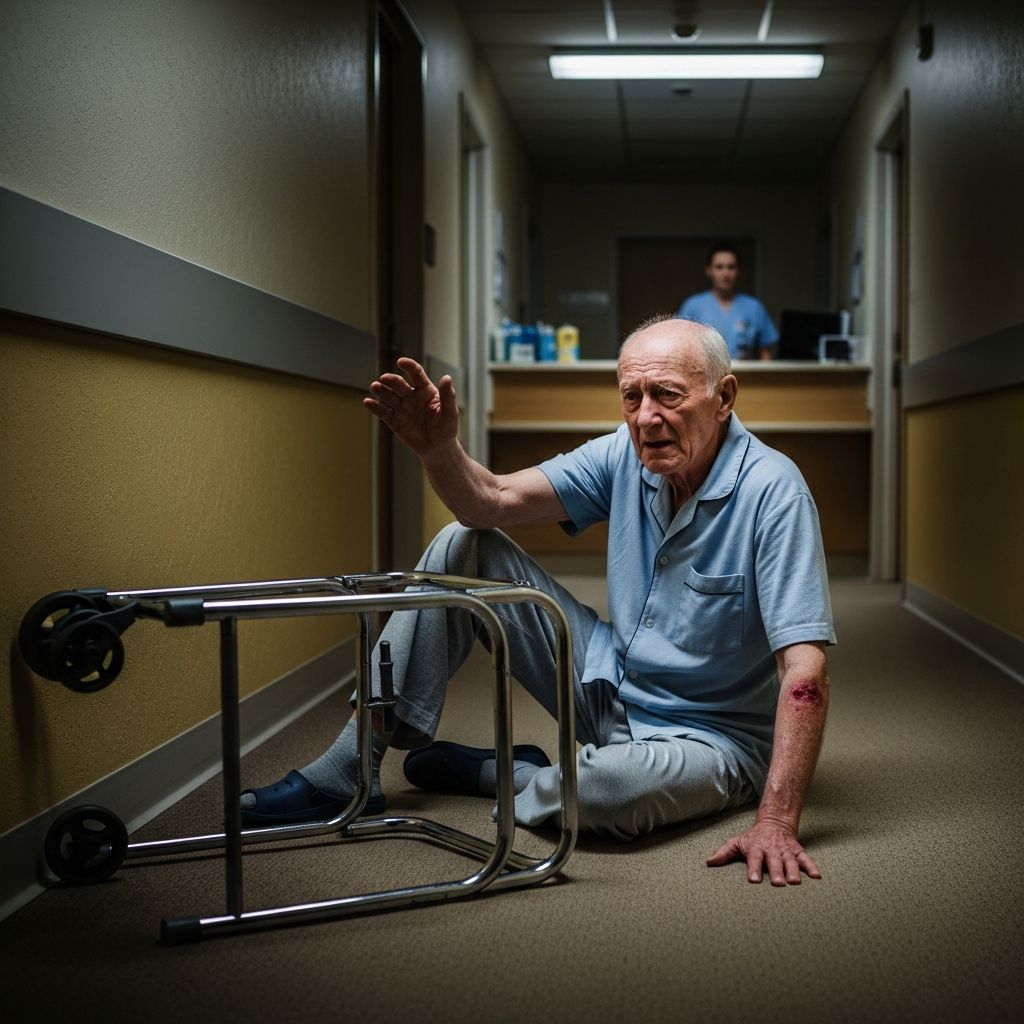
Preventable falls in nursing homes often stem from negligence, allowing families to pursue legal action for compensation when facilities fail their duty of care. Federal and state regulations mandate that nursing homes implement fall prevention measures, yet breaches occur frequently, leading to serious injuries.
Why Falls Are a Major Risk in Long-Term Care Facilities
Elderly residents in nursing homes face heightened fall risks due to age-related conditions like weakened muscles, balance disorders, cognitive impairments, and polypharmacy. Statistics indicate that approximately half of nursing home residents experience at least one fall annually, with many resulting in fractures, head trauma, or even death. Facilities must proactively address these vulnerabilities through individualized care plans and environmental safeguards.
Common contributing factors include mobility limitations, where residents require assistance but staff delays response to call lights, prompting unassisted attempts to move. Unchecked environmental hazards, such as slippery surfaces or obstacles, compound these issues, turning routine activities into dangers.
Legal Standards: When Facilities Owe a Duty of Care
Nursing homes operate under a heightened duty of care, akin to that of parents toward children or common carriers to passengers. This obligation requires maintaining safe premises, adequate staffing, proper training, and tailored interventions for at-risk individuals. Federal guidelines from the Centers for Medicare & Medicaid Services (CMS) enforce minimum standards, including regular fall risk assessments upon admission and after incidents.
State laws further specify requirements, such as sufficient nurse-to-resident ratios and protocols for high-risk patients. Breaches occur when facilities prioritize cost-cutting over safety, leading to understaffing or ignored care plans.
Core Elements of a Negligence Claim in Fall Cases
To succeed in a lawsuit, plaintiffs must establish four essential elements of negligence:
- Duty: The facility owed a reasonable standard of care to prevent foreseeable harm.
- Breach: Staff or management failed through acts or omissions, like neglecting wet floors or skipping assessments.
- Causation: The breach directly led to the fall, provable via incident reports and medical timelines.
- Damages: Quantifiable harms including medical costs, lost quality of life, and suffering.
Proving these requires expert testimony from geriatric specialists on standard protocols and investigators to uncover patterns like repeated unwitnessed falls signaling supervision lapses.
Common Negligence Triggers Leading to Resident Falls
| Negligence Type | Description | Examples |
|---|---|---|
| Inadequate Supervision | Failure to monitor high-risk residents | Unanswered call lights, staff shortages, unwitnessed incidents |
| Hazardous Environments | Unsafe physical conditions | Wet floors, poor lighting, cluttered paths, missing handrails |
| Equipment Failures | Malfunctioning or absent aids | Defective wheelchairs, improper bed rails, unavailable walkers |
| Care Plan Violations | Ignoring individualized protocols | No fall risk updates, medication mismanagement causing dizziness |
| Staffing Shortages | Insufficient trained personnel | High resident-to-nurse ratios, untrained aides handling transfers |
These lapses are often documented in facility logs, medical charts, and CMS surveys, providing critical evidence.
Gathering Evidence: Building a Strong Case
Immediate documentation is key: photograph injuries and scenes, collect witness statements, obtain medical records linking injuries to the fall, and request the facility’s incident report. Freedom of Information Act requests can reveal prior violations or staffing data from state health departments.
Engage experts to analyze care plans against industry standards. Patterns of falls at the facility strengthen claims, indicating systemic negligence rather than isolated events.
Unwitnessed Falls: Overcoming Proof Challenges
Even without eyewitnesses, liability persists if negligence created the risk. Courts infer causation from circumstances like ignored care plans or staffing gaps. Facilities must explain gaps in supervision; failures to do so bolster plaintiff cases. Investigations often uncover ignored call logs or delayed responses.
Potential Compensation: What Families Can Recover
Successful claims yield economic damages (medical bills, therapy, lost wages for caregivers) and non-economic (pain, emotional distress). Wrongful death suits add funeral costs and loss of companionship. Punitive damages apply in egregious cases of reckless disregard.
Average settlements range widely but often cover lifelong care needs, with verdicts exceeding millions in severe negligence scenarios.
Statutes of Limitations and Filing Deadlines
Most states grant 1-3 years from injury or discovery, varying by jurisdiction. California allows two years for negligence claims. Tolling may apply for incapacitated victims. Prompt action preserves evidence and meets reporting mandates to agencies like Adult Protective Services.
Navigating the Legal Process Step-by-Step
- Consult an Attorney: Seek specialists in elder law for free evaluations.
- Investigate: Subpoena records, depose staff, hire experts.
- File Complaint: In state court, alleging specific breaches.
- Discovery and Negotiation: Exchange evidence; many settle pre-trial.
- Trial if Needed: Jury assesses liability and awards.
Arbitration clauses in contracts may mandate private resolution, but courts increasingly scrutinize enforceability.
Frequently Asked Questions About Nursing Home Fall Lawsuits
Are nursing homes automatically liable for every resident fall?
No, liability requires proof of negligence making the fall preventable. Unforeseeable accidents without breach do not qualify.
Can families sue for unwitnessed falls?
Yes, if evidence shows supervision failures or protocol breaches created the risk.
What if multiple falls occur?
Patterns suggest systemic issues, strengthening negligence claims and prompting regulatory scrutiny.
Do all facilities report falls?
Serious incidents must be logged and reported per CMS rules; failures indicate cover-ups.
Is legal aid available for low-income families?
Many attorneys work on contingency, receiving fees only from winnings.
Preventive Measures Facilities Should Implement
To avoid liability, homes must conduct risk screenings, use alarms, ensure non-slip flooring, train on transfers, and maintain ratios. Families should verify compliance via unannounced visits and review CMS star ratings.
Reporting Beyond Lawsuits: Holding Facilities Accountable
File complaints with state ombudsmen, health departments, or CMS. These trigger inspections and fines, complementing private suits. Collective actions amplify impact.
References
- Falls in Nursing Homes & Legal Options — Justia. 2024. https://www.justia.com/injury/nursing-home-abuse-negligence/falls/
- Nursing Home Fall Lawsuit | Case Values & Legal Options — LawFirm.com. 2025. https://www.lawfirm.com/nursing-home-abuse/injuries/falls-fractures/
- Is a Nursing Home Liable for Falls? — Senior Justice Law Firm. 2025. https://seniorjustice.com/falls/
- Fall in a Nursing Home Lawsuit | Can You Sue for a Fall? — Sokolove Law. 2025. https://www.sokolovelaw.com/nursing-home-abuse/falls-fractures/
- Nursing Home Slip and Fall Lawyer in Los Angeles — Salamati Law. 2024. https://www.salamatilaw.com/slip-and-fall-lawyer-los-angeles/nursing-home/
- When Is a Nursing Home Considered Negligent in Preventing Falls? — Hughey Law Firm. 2024. https://www.hugheylawfirm.com/when-is-a-nursing-home-considered-negligent-in-preventing-falls/
Similar Articles








Read full bio of Sneha Tete


