
NC Landlord Security Deposit Rules: Complete Guide For 2025
Master North Carolina security deposit laws: limits, deductions, returns, and dispute resolution for landlords.
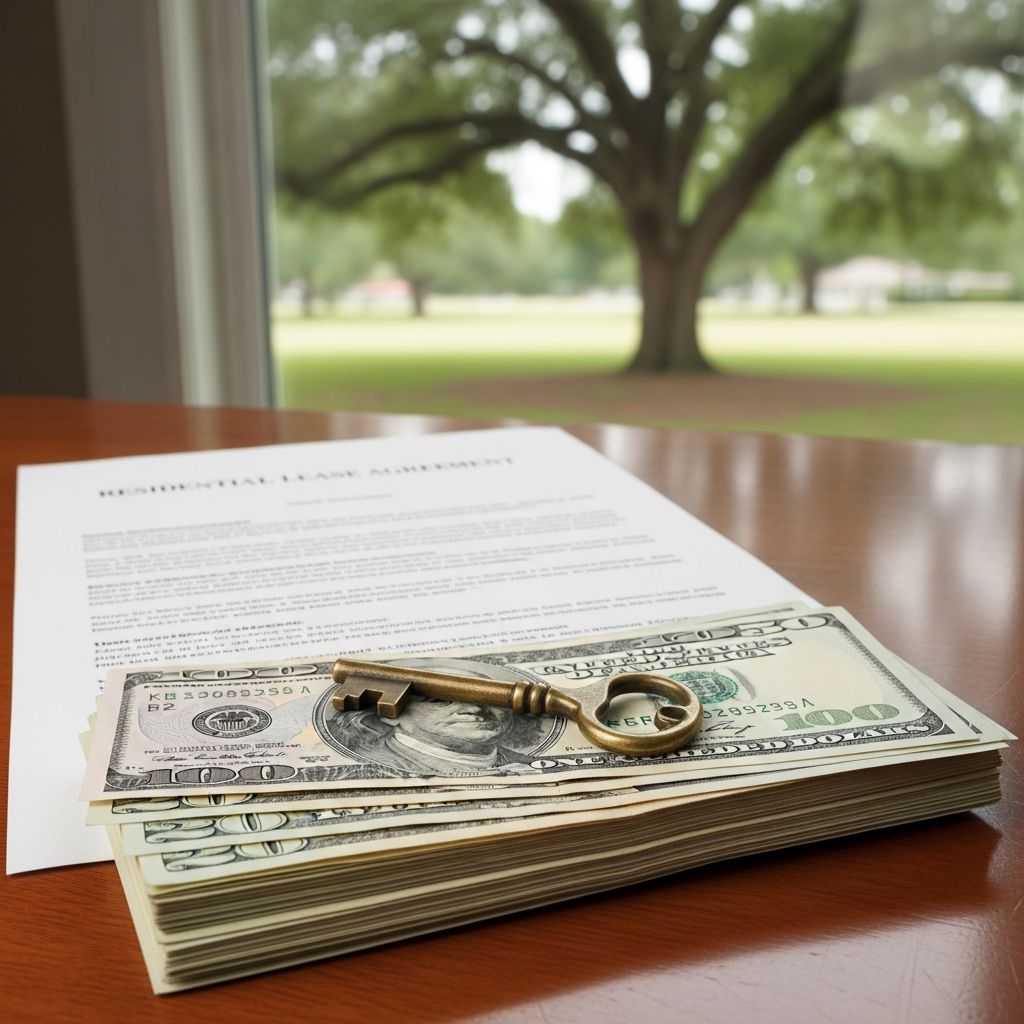
North Carolina landlords must follow strict rules under the Tenant Security Deposit Act (Chapter 42, Article 6 of the General Statutes) for collecting, holding, deducting from, and returning tenant security deposits. These regulations protect both parties and help prevent costly legal battles.
Legal Maximums for Security Deposits
State law sets clear caps on security deposit amounts based on lease duration to ensure fairness. For week-to-week tenancies, the maximum is two weeks’ rent. Month-to-month leases allow up to one and one-half months’ rent. Longer fixed-term leases permit two months’ rent. These limits apply to unfurnished residential units and do not restrict single-room rentals by private landlords. Exceeding these caps can lead to tenant lawsuits for double the excess amount plus attorney fees.
| Lease Type | Maximum Security Deposit |
|---|---|
| Week-to-Week | 2 weeks’ rent |
| Month-to-Month | 1.5 months’ rent |
| Fixed-Term (Longer) | 2 months’ rent |
Proper Storage and Protection of Funds
Landlords cannot commingle security deposits with personal funds. Deposits must be placed in a trust account at a licensed, federally insured North Carolina bank or savings institution. Alternatively, landlords may post a surety bond equal to the deposit amount and hold funds in an out-of-state trust account. This safeguards tenant money and demonstrates compliance during disputes. Failure to use a proper trust account exposes landlords to liability for the full deposit plus damages.
Valid Reasons to Withhold Deposits
Security deposits serve as financial security against tenant defaults, but deductions must be reasonable and documented. Allowable uses include:
- Unpaid rent or late fees
- Unpaid utility bills contracted by the tenant
- Repairs for damages beyond normal wear and tear, such as holes in walls, broken appliances, or stained carpets
- Costs to re-rent the unit, including broker fees
- Expenses for removing and storing abandoned tenant property
- Court costs and eviction-related fees from lawful proceedings
Normal wear and tear—faded paint from sunlight, minor scuffs from furniture, or worn flooring from daily use—cannot be deducted. Landlords bear the burden of proving damages exceed ordinary use.
Timelines for Returning Deposits and Itemized Lists
Upon lease termination, landlords must return the deposit or provide an itemized accounting of deductions within 30 days. Send this via first-class mail to the tenant’s last known address or forwarding address provided at move-out. The accounting must detail each deduction with supporting receipts or estimates. If repair costs cannot be immediately determined, provide a preliminary list within 30 days and finalize within 60 days.
If the tenant’s address is unknown, hold the balance for at least six months before forfeiting it. Non-compliance forfeits the landlord’s right to any deductions, entitling tenants to the full deposit plus potential treble damages and attorney fees.
Documentation Strategies for Landlords
Strong records prevent disputes. Conduct move-in and move-out inspections with dated photos, videos, and signed checklists detailing property condition. Keep all lease agreements, rent ledgers, utility bills, repair invoices, and communication records. Before deductions, notify tenants in writing of issues and give reasonable time to remedy. This evidence is crucial in small claims court, where judges favor documented claims.
Resolving Disputes Outside Court
Many deposit conflicts resolve through negotiation. Send a polite but firm itemized statement with evidence, offering a reasonable settlement. Mediation services via local housing authorities or tenant-landlord dispute programs can facilitate agreement without litigation. Document all offers and counteroffers for potential court use.
Small Claims Court Process for Deposit Recovery
North Carolina small claims court handles disputes up to $10,000 without attorneys. Tenants often sue first for wrongful withholding. To defend:
- File Answer: Respond within 30 days of service with your defenses and counterclaim if owed money.
- Gather Evidence: Photos, videos, witness statements, receipts, lease terms.
- Attend Hearing: Present chronologically: lease signing, tenancy issues, move-out condition, repair costs.
- Prove Damages: Show estimates from licensed contractors; actual invoices preferred.
Judges prioritize statutory compliance. Arrive early, dress professionally, and stay calm. Successful defenses often result in judgment for landlords plus court costs.
Consequences of Non-Compliance
Violating deposit laws triggers severe penalties. Late returns or missing itemizations forfeit deduction rights. Tenants can sue for twice the withheld amount (treble damages in bad faith cases) plus attorney fees. Courts may award full deposit refunds even if damages occurred. Repeat violations invite regulatory scrutiny or license issues for professional landlords.
Pet Deposits and Additional Fees
Pet deposits must be reasonable and can be non-refundable if specified in the lease. Treat them separately from standard security deposits, documenting pet-related damages distinctly. Other fees like application or cleaning charges cannot be disguised as security deposits.
Tax Implications for Landlords
Forfeited deposits or applied amounts count as income in the year retained. Deduct actual repair expenses against this income. Consult a tax professional for IRS and state reporting under Schedule E for rental properties.
Best Practices for Risk Reduction
To minimize disputes:
- Screen tenants thoroughly with credit and reference checks.
- Use state-approved lease forms clarifying deposit terms.
- Perform regular inspections with tenant consent.
- Communicate promptly about maintenance issues.
- Retain records for at least three years post-tenancy.
Property management software tracks deposits, automates notices, and generates reports for court.
Frequently Asked Questions
What is the maximum security deposit for a monthly lease in North Carolina?
One and one-half months’ rent.
Can I deduct for normal wear and tear?
No, only damages exceeding normal wear.
What if I can’t reach the tenant after move-out?
Hold the deposit for six months.
Do I need a separate bank account?
Yes, a trust account in a licensed NC institution or out-of-state with bond.
How soon must I return the deposit?
Within 30 days with itemized deductions.
Changes and Updates to Watch
Review NC General Statutes annually, as amendments occur. Recent emphases include stricter trust account enforcement and expanded tenant remedies.
References
- North Carolina Security Deposit Laws | Deductions & Rights — DoorLoop. 2024. https://www.doorloop.com/laws/north-carolina-security-deposit-laws
- Guide to the North Carolina Security Deposit Law — TEJ Rentals. 2024. https://www.tejrentals.com/nc-security-deposit-law
- North Carolina Security Deposit Laws in 2025 — Hemlane. 2025. https://www.hemlane.com/resources/north-carolina-security-deposit-laws/
- North Carolina Security Deposit Law (Ultimate Landlord Guide) — Louise Beck Properties. 2024. https://www.louisebeckproperties.com/north-carolina-security-deposit-law/
- NC General Statutes – Chapter 42 Article 6 — North Carolina General Assembly. 2024-01-01. https://www.ncleg.net/EnactedLegislation/Statutes/PDF/ByArticle/Chapter_42/Article_6.pdf
- Housing: Your Security Deposit — Legal Aid of North Carolina / LawHelpNC.org. 2024. https://www.lawhelpnc.org/resource/housing-your-security-deposit
Similar Articles








Read full bio of medha deb


