
North Carolina Car Crash Regulations Guide
Essential guide to North Carolina's unique car crash rules, from fault determination to insurance and claims processes.
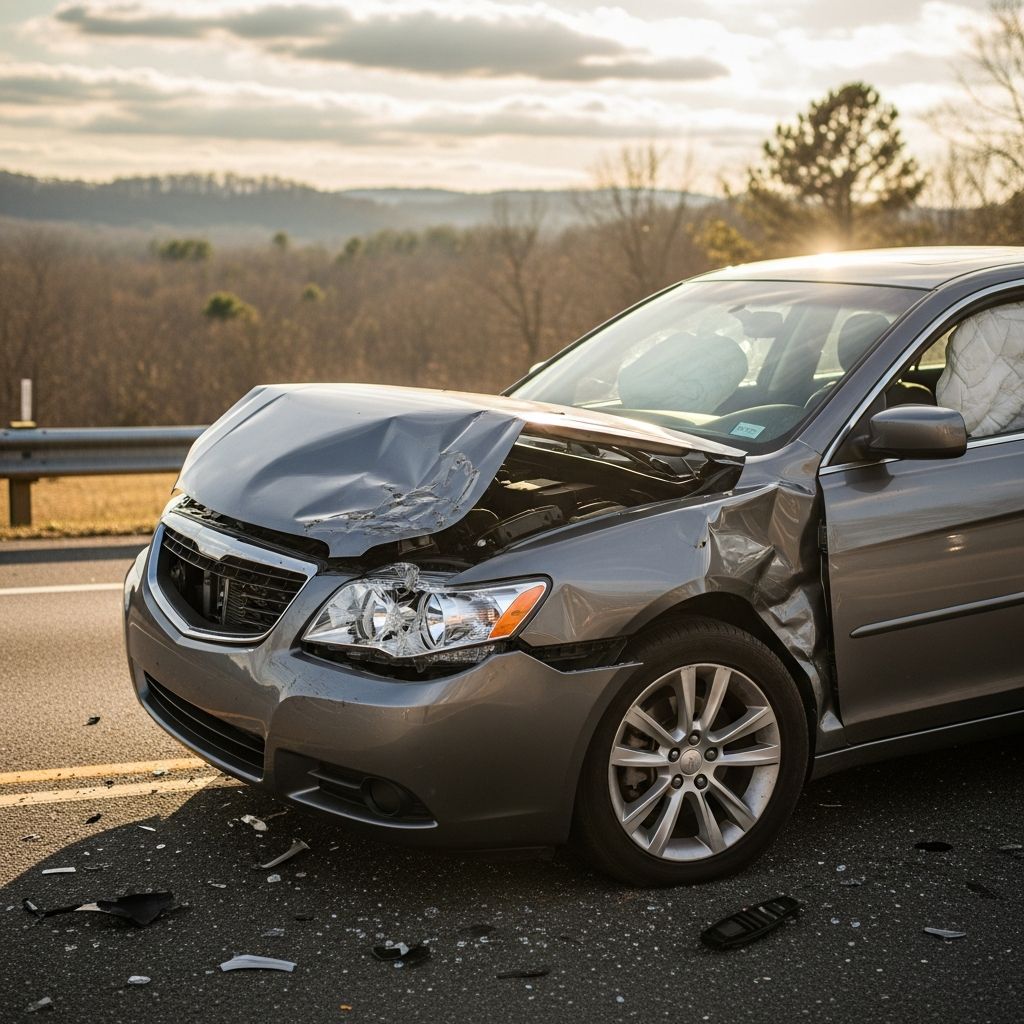
Vehicle collisions in North Carolina are governed by some of the nation’s strictest legal frameworks, designed to assign clear responsibility and ensure public safety. This comprehensive guide explores the key statutes, fault assignment methods, insurance obligations, and procedural steps drivers must follow after an incident. Understanding these rules can significantly impact your ability to secure compensation or avoid penalties.
Understanding Fault Assignment in Vehicle Incidents
North Carolina operates under an at-fault system, where the driver primarily responsible for a crash bears financial liability for resulting damages and injuries. Unlike many states that allow partial recovery based on proportional fault, North Carolina adheres to pure contributory negligence, a doctrine that completely bars recovery if the injured party contributed even minimally to the incident.
For instance, if a driver exceeds the speed limit by a small margin and collides with another vehicle that failed to yield, courts may deem the speeding driver partially at fault, disqualifying them from any compensation regardless of the other party’s greater negligence. This rule applies rigorously, making it essential for victims to gather irrefutable evidence proving zero personal fault.
Exceptions and Defenses to Strict Fault Rules
While pure contributory negligence dominates, North Carolina courts recognize limited exceptions. The last clear chance doctrine allows recovery if the at-fault driver had the final opportunity to avert the crash but failed to act. This might apply if a partially negligent victim is stationary, and the other driver could have braked in time.
- Evidence importance: Dashcam footage, witness testimonies, and traffic signals are critical to invoke this defense.
- Rare application: Courts apply it sparingly, requiring proof of the defendant’s awareness and deliberate inaction.
Additionally, sudden medical emergencies or acts of God may absolve a driver, but these claims demand substantial medical or meteorological documentation.
Immediate Actions Required After a Collision
North Carolina statute G.S. 20-166 mandates drivers stop immediately upon knowing or reasonably suspecting involvement in a crash. Failure to comply escalates penalties based on severity:
| Crash Outcome | Driver Duty | Penalty for Violation |
|---|---|---|
| Serious injury or death | Remain at scene until officer releases; provide aid | Class F felony |
| Minor injury | Stop, assist, return promptly if leaving for help | Class H felony or Class 1 misdemeanor |
| Property damage only (>$1,000) | Stop, exchange info, report to police | Misdemeanor |
Drivers may temporarily leave for safety or to summon aid but must return swiftly. For property-only crashes involving fixed objects, leave written details or report within five days to the DMV.
Insurance Coverage Mandates for Drivers
All North Carolina motorists must maintain liability insurance to cover damages they cause. As of recent updates via Senate Bill 452, minimum limits are $50,000 per person/$100,000 per accident for bodily injury and $25,000 for property damage—up from prior thresholds to better protect victims.
- Bodily injury: Pays medical bills, lost wages for others.
- Property damage: Covers vehicle repairs, other losses.
- Proof of coverage: Required at registration; electronic verification common.
While uninsured motorist coverage is optional, it’s advisable given the prevalence of underinsured drivers. North Carolina’s at-fault system directs claims primarily to the responsible party’s insurer.
Deadlines for Filing Claims and Lawsuits
Time is critical post-crash. The statute of limitations provides:
- Personal injury and property damage: 3 years from incident date.
- Wrongful death: 2 years from death date.
However, delays erode evidence like surveillance footage (often purged in 30-90 days) and witness memories. Insurers exploit contributory negligence to deny claims swiftly, underscoring the need for prompt legal consultation.
Steps to Build a Strong Compensation Case
- Ensure safety: Move to shoulder, activate hazards, check for injuries.
- Notify authorities: Call 911 for injuries, property damage over $1,000, or hazards.
- Document thoroughly: Photos of scene, vehicles, injuries; collect witness contacts.
- Exchange details: Names, insurance, license numbers—politely, without admitting fault.
- Seek medical care: Even minor symptoms; records prove causation.
- Contact attorney: Within 24-48 hours to counter insurance tactics.
- Avoid statements: Don’t discuss fault with insurers pre-legal advice.
These actions fortify claims against North Carolina’s harsh fault rules, maximizing recovery chances for medical expenses, repairs, lost income, and pain.
Potential Compensation in Successful Claims
Victims fully free of fault may pursue economic damages (bills, wages) and non-economic (pain, suffering). Punitive damages are rare, reserved for egregious recklessness like DUI crashes. Settlements often exceed policy limits via personal assets or underinsured coverage.
In 2026, rising medical costs amplify stakes; average claims surpass $20,000, per industry data, emphasizing comprehensive documentation.
Frequently Asked Questions
What if I’m partially at fault in a North Carolina crash?
Under pure contributory negligence, you recover nothing, even at 1% fault.
Do I need a police report for insurance claims?
Yes, for crashes with injury, death, or over $1,000 property damage.
How much insurance is required in NC?
$50K/$100K bodily injury per person/accident, $25K property.
Can I sue out-of-state drivers?
Yes, NC courts have jurisdiction if crash occurred here; serve via long-arm statute.
What if the at-fault driver is uninsured?
File under your uninsured motorist coverage if purchased; otherwise, pursue personally.
References
- North Carolina Car Accident Fault Laws — AttorneyNC. 2023. https://www.attorneync.com/car-accidents-lawyer/north-carolina-fault-laws/
- G.S. 20-166 Duty to stop in event of a crash — North Carolina General Assembly. Accessed 2026. https://www.ncleg.net/enactedlegislation/statutes/html/bysection/chapter_20/gs_20-166.html
- What to Do After a Car Accident in North Carolina — Vasquez Law NC. 2024. https://www.vasquezlawnc.com/blog/what-to-do-after-car-accident-north-carolina
- 10 Surprising North Carolina Laws That Could Affect Your Car Accident Case — Martin & Jones. 2024. https://www.martinandjones.com/blog/10-surprising-north-carolina-laws-that-could-affect-your-car-accident-case/
- North Carolina Car Accident Laws — Bill Corbett Law. 2025. https://www.billcorbettlaw.com/blog/north-carolina-car-accident-laws/
- After an Accident — NC Department of Insurance. Accessed 2026. https://www.ncdoi.gov/consumers/auto-and-vehicle-insurance/after-accident
Similar Articles








Read full bio of Sneha Tete


