
New York Tenant Repair Rights and Rent Strategies
Empowering New York renters with legal options to address habitability issues, including rent withholding and repair deductions.
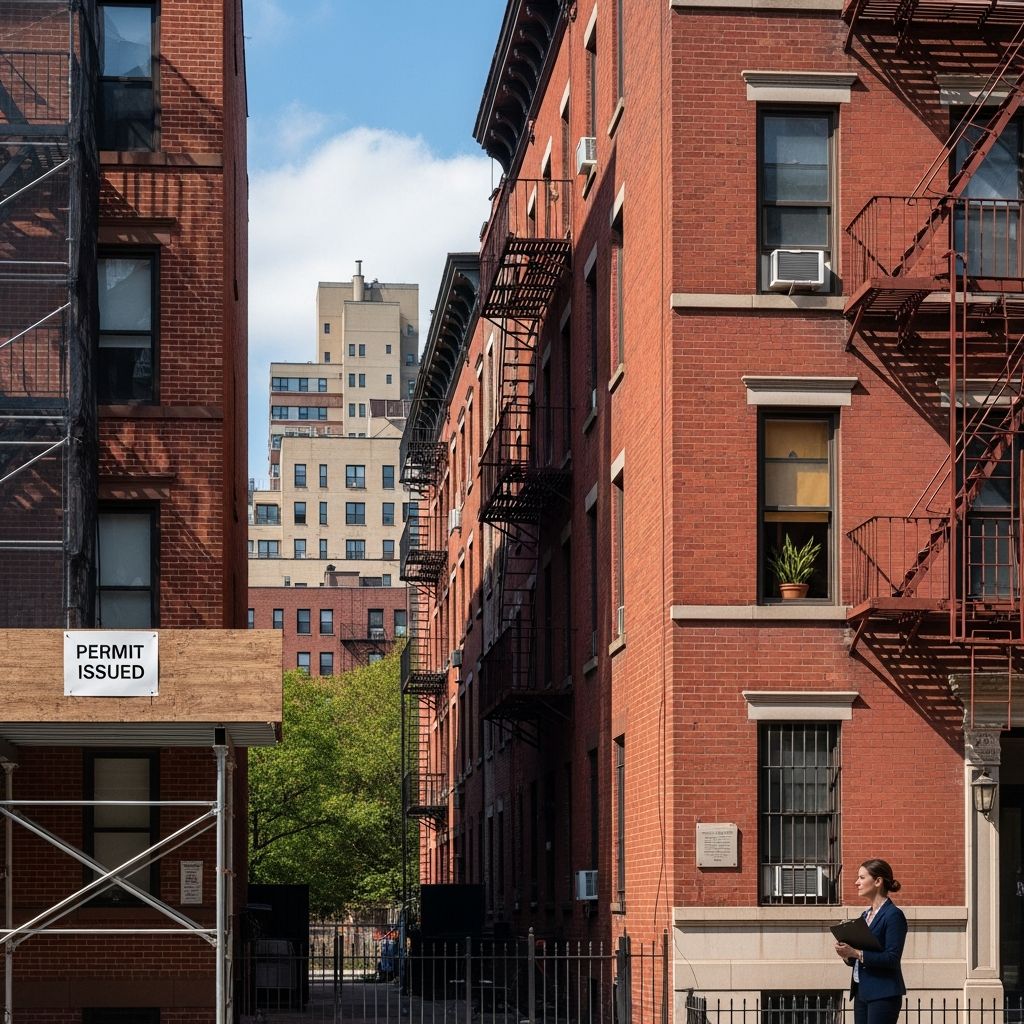
New York tenants facing substandard living conditions have powerful legal tools to compel landlords to make necessary repairs. These include withholding rent until issues are fixed and deducting repair costs directly from rent payments, all grounded in state warranty of habitability laws.
Understanding Habitability Standards in New York Rentals
The foundation of tenant protections in New York is the implied warranty of habitability, which mandates that rental units be fit for living. This covers essentials like functioning heat during winter, reliable hot and cold running water, adequate plumbing without leaks, working electrical systems, secure doors and windows, absence of pests, and structural integrity free from hazards like falling plaster or mold growth.
For rent-stabilized apartments, which comprise nearly a million units in New York City, additional layers of regulation apply. Landlords cannot collect Major Capital Improvement (MCI) rent hikes if hazardous violations exist, and Individual Apartment Improvements (IAI) require documentation and are capped. Tenants in these units must receive executed leases within 30 days and can challenge improper rent increases.
When Can Tenants Legally Withhold Rent?
Tenants may withhold rent only after providing written notice to the landlord detailing the defects and allowing a reasonable time—typically 14-30 days—for repairs. If the landlord fails to act, withholding begins from the next rent due date, but tenants must continue paying into escrow or a dedicated account to demonstrate good faith.
- Eligible conditions: No heat (below 68°F daytime, 62°F nighttime), no hot water, sewage backups, severe infestations, or dangerous wiring.
- Ineligible issues: Minor cosmetic problems, normal wear like faded paint, or tenant-caused damage.
- Rent-stabilized specifics: Withholding does not affect rent increase caps or stabilization status.
Landlords often respond aggressively to withholding with eviction threats, but courts dismiss nonpayment cases if habitability breaches are proven. Tenants should document everything with photos, videos, and 311 violation reports.
Repair-and-Subtract: A Practical Tenant Remedy
Under New York’s repair-and-deduct statute (Real Property Law §235-b), tenants can pay for urgent repairs themselves and subtract the cost from rent, up to one month’s rent or half the monthly rent for two consecutive months. This applies to immediate threats to health or safety after landlord inaction.
| Repair Type | Typical Cost Range | Allowable Deduction Limit |
|---|---|---|
| Plumbing fix (leaky pipe) | $200-$500 | Up to 1 month’s rent |
| Pest extermination | $300-$800 | Up to 1 month’s rent |
| Lock replacement | $100-$300 | Up to 1 month’s rent |
| Window repair | $400-$1,000 | Half month’s rent max |
Keep receipts, obtain at least two bids, and notify the landlord beforehand. This remedy is unavailable if the tenant caused the issue or for luxury units over certain thresholds.
Navigating Rent Guidelines and Stabilization Protections
Rent-stabilized tenants benefit from annual adjustments set by the Rent Guidelines Board (RGB). For leases from October 1, 2025, to September 30, 2026, increases are regulated to reflect operating costs while protecting affordability. MCI increases are now capped at 2% annually, temporary for 30 years, and blocked by hazardous violations.
Starting January 2026, the Rent Transparency Act requires landlords to post signs in common areas disclosing rent-stabilized vacancies, aiding renters in finding affordable options. Executive Order 08 further shields tenants from abusive practices like unlawful fees amid code violations.
Emergency Situations and Immediate Actions
For dire emergencies like no heat in winter or gas leaks, tenants should call 311 to report violations, triggering city inspections. If uninhabitable, tenants may break the lease without penalty after written notice. In rent-controlled units (rarer), annual increases are limited, excluding pass-alongs for fuel.
- Dial 911 for imminent dangers like fires or structural collapses.
- File HP Action in Housing Court for court-ordered repairs and rent abatement.
- Join tenant associations for collective bargaining power.
Landlord Retaliation: Know Your Safeguards
New York law prohibits retaliation—evictions, rent hikes, or service reductions—within 90 days of a tenant complaint or organizing activity (Civil Rights Law §75-b et seq.). Evidence like dated letters and HPD violation records rebuts claims of nonpayment as pretext.
In rent-stabilized contexts, deregulation is banned for high-rent/high-income units post-2019, preserving protections. Tenants can access rent histories via DHCR to contest overcharges.
Step-by-Step Guide to Enforcing Your Rights
- Document defects: Photos, videos, daily logs of issues like temperature readings.
- Notify landlord: Certified mail or email with specifics and repair deadline.
- Report to authorities: 311 for HPD inspections; follow up on violation orders.
- Choose remedy: Withhold (escrow rent), repair-and-deduct, or sue in Housing Court.
- Seek legal aid: Free from Legal Aid Society or tenants’ rights groups.
Courts often award rent rebates retroactively for proven breaches, sometimes 50-100% abatement during uninhabitable periods.
Rent-Stabilized vs. Market-Rate: Key Differences
| Aspect | Rent-Stabilized | Market-Rate |
|---|---|---|
| Repair Remedies | Full withholding/HP actions prioritized | Withholding riskier; repair-deduct standard |
| Notice for Non-Renewal | 60-120 days based on tenancy | 30 days if under 1 year |
| Increase Limits | RGB guidelines + capped MCIs | Market-driven |
| Transparency Rules | Mandatory postings from 2026 | None |
Common Mistakes Tenants Should Avoid
- Withholding without prior notice: Courts side with landlords.
- Using withheld rent personally: Must escrow to avoid eviction.
- Ignoring lease clauses waiving rights: Such waivers are void.
- Delaying reports: Timely 311 calls build strong cases.
2026 Updates Impacting Tenant Strategies
New mandates enhance visibility of stabilized units, while RGB guidelines address rising costs like utilities and insurance without freezing rents. Landlords face stricter compliance, including broker fee caps and violation clearances for hikes. Tenants should verify stabilization status via DHCR portals.
Frequently Asked Questions
What if my landlord ignores my repair request?
Escalate to 311 for violations, then withhold rent or repair-and-deduct after reasonable notice.
Can I withhold rent for mold?
Yes, if severe and health-threatening; document medical impacts.
How much rent abatement can I expect in court?
Varies; 20-100% based on severity and duration, per judicial precedent.
Does rent withholding apply to roommates?
Primary tenant acts; subtenants coordinate to avoid disputes.
What are my rights in rent-stabilized units?
Lease renewals, regulated increases, challengeable MCIs/IAIs.
Building a Strong Case: Documentation Tips
Maintain a chronological file: Notices sent (with proof), inspector reports, repair bids, witness statements. Apps for photo timestamps aid court presentations. Consult Housing Court clerks for free forms.
In summary, New York’s robust framework empowers tenants to demand livable homes without fear, balancing landlord obligations with renter responsibilities. Proactive steps ensure swift resolutions.
References
- Rent Guidelines for October 1, 2025 through September 30, 2026 — New York City Rent Guidelines Board. 2025-10-01. https://rules.cityofnewyork.us/rule/proposed-rent-guidelines-for-october-1-2025-through-september-30-2026-revised/
- New Laws Arrive In January To Make Finding Affordable Rent-Stabilized Apartments Easier — Secret NYC. 2026-01. https://secretnyc.co/nyc-rent-stabilized-apartments-laws-2026/
- Residential Tenants’ Rights Guide — New York State Attorney General. Undated (post-2019). https://ag.ny.gov/sites/default/files/tenants_rights.pdf
- Executive Order 08: Protecting Tenants from Rental Ripoffs — NYC Mayor’s Office. 2026-01. https://www.nyc.gov/mayors-office/news/2026/01/executive-order-08
- New York Landlord 2026 Legal Compliance Update — Legal Survival. 2026. https://www.legalsurvival.com/new-york-landlord-2026-legal-compliance-update/
- New law requires landlords to disclose rent-stabilized apartments — Bronx News12. Undated (2026 context). https://bronx.news12.com/new-law-requires-landlords-to-disclose-rent-stabilized-apartments
Similar Articles








Read full bio of Sneha Tete


