
New Jersey Burial and Cremation Regulations
Comprehensive guide to New Jersey's rules on burial, cremation, permits, and handling remains for compliant final arrangements.
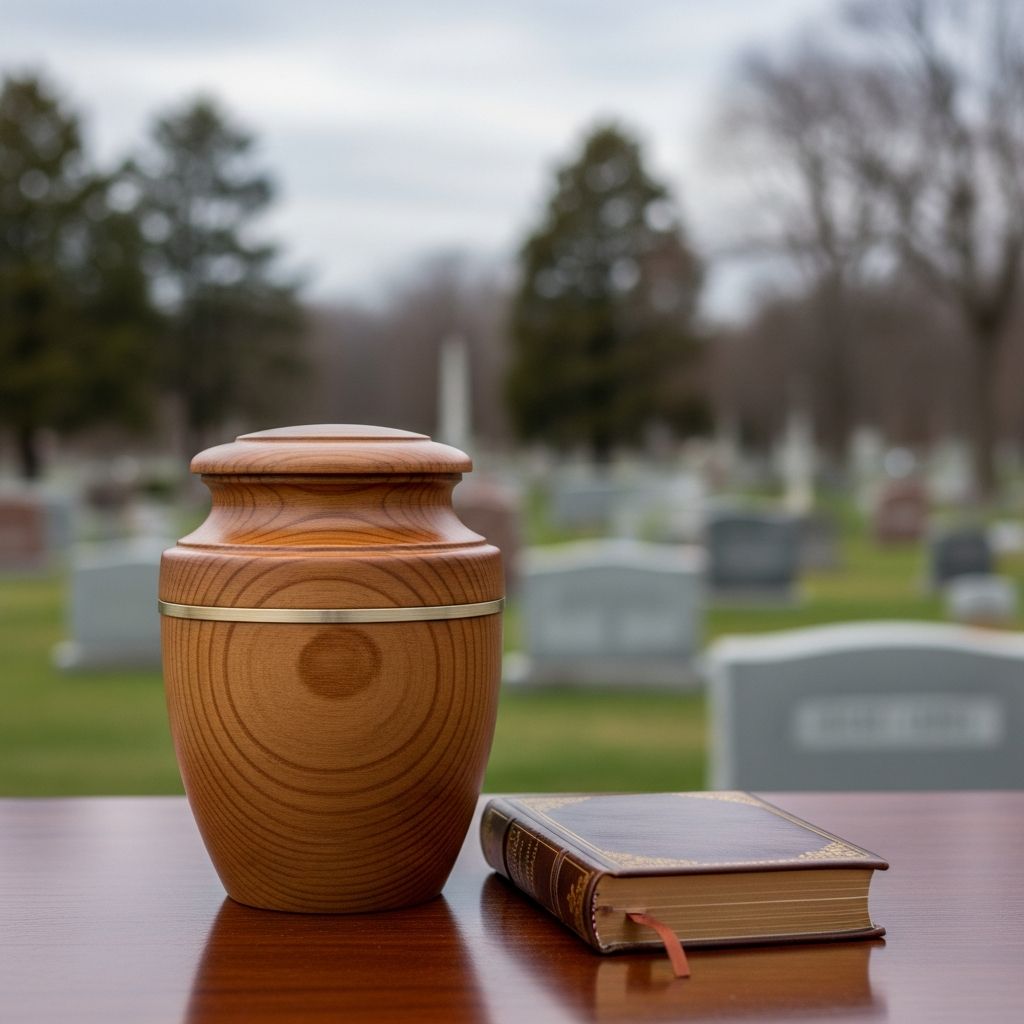
New Jersey maintains specific statutes governing the disposition of human remains through burial or cremation, ensuring public health, family consent, and environmental compliance. These rules outline mandatory waiting periods, required documentation, container options, and locations for final placement.
Overview of Disposition Options in New Jersey
Residents can select traditional earth burial in cemeteries, cremation followed by ash interment or scattering, or emerging methods subject to approval. State laws prioritize legal authorization from next of kin, timely processing of death records, and safeguards against health risks. Funeral providers must disclose options transparently, allowing consumers to choose cost-effective alternatives like unfinished containers.
Securing Proper Authorization for Final Arrangements
Legal consent forms the foundation of any disposition process. Next of kin or designated representatives must sign cremation authorization forms detailing the deceased’s identity and their relationship. Funeral directors verify all parties’ agreement to avoid disputes. Without this, proceedings halt, potentially incurring penalties.
- Priority Order: Surviving spouse, adult children, parents, siblings, or legal guardians follow a statutory hierarchy.
- Form Requirements: Includes deceased’s full name, date of death, authorizing party’s details, and witness signatures.
- Pre-Need Directives: Valid wills or advance directives specifying cremation override family objections if properly executed.
This structured approach protects against unauthorized actions while respecting individual wishes.
Mandatory Waiting Periods and Their Purpose
A 24-hour minimum delay from the recorded time of death precedes cremation, as stipulated in state code. This interval accommodates medical certifications, potential autopsies, and family deliberations. Burial timelines are more flexible but must comply with preservation rules if delayed.
| Disposition Type | Waiting Period | Key Rationale |
|---|---|---|
| Cremation | 24 hours post-death certification | Allows death certificate issuance and objection resolution |
| Burial | No fixed minimum | Subject to embalming/refrigeration if over 48 hours |
Death Certificates: Essential Legal Documentation
Physicians, nurses, or medical examiners complete the medical section within 24 hours of pronouncement. Funeral directors handle personal details and submit via the electronic system to local registrars. A certified copy is mandatory before cremation or burial permits issue.
- Contents: Cause of death, personal identifiers, and disposition method.
- Uses: Estate settlement, insurance claims, and permit applications.
- Amendments: Errors require registrar approval and updated filings.
Embalming and Body Preservation Standards
Embalming is not routinely required unless burial or cremation exceeds 48 hours, offering refrigeration as an alternative. For transport via common carriers beyond 24 hours, embalming and leakproof enclosures are compulsory. These measures prevent decomposition hazards.
Families benefit from choice, reducing unnecessary costs while upholding hygiene protocols.
Container and Casket Regulations
Direct cremation needs only a rigid, combustible container—no casket mandated. Providers must offer affordable alternatives like cardboard or fiberboard and accept third-party or homemade options. Misrepresenting casket necessity constitutes deceptive practice.
- Burial Caskets: Funeral homes accept externally purchased units; self-construction permitted.
- Cremation: Alternative containers suffice; rigid materials ensure safe processing.
Burial Sites: Cemeteries and Private Property
Most interments occur in regulated cemeteries overseen by the New Jersey Cemetery Board. Vaults or liners are not state-required but often cemetery-enforced to prevent ground subsidence.
Private land burials demand local health department and clerk approvals to avert public health risks. File a site map with the property deed and secure a burial permit.
- Steps for Private Burial:
- Consult township/county officials.
- Obtain burial permit (N.J. Stat. § 26:6-5.1).
- Record location perpetually.
Cemeteries log every interment with name, age, and date for traceability.
Crematory Operations and Environmental Compliance
Facilities adhere to emission controls limiting mercury, dioxins, and particulates. Regular inspections enforce filtration technologies, promoting air quality.
Operational standards include secure handling, identification tags throughout processing, and return of all remains.
Handling and Disposing of Cremated Remains
Ashes may reside in homes, columbariums, or graves indefinitely. Scattering requires landowner consent on private sites or public land allowances. No state restrictions exist beyond discretion.
Scattering Guidelines
- Land: Avoid public visibility; obtain permissions.
- Sea: Minimum 3 nautical miles offshore per Clean Water Act; notify EPA within 30 days; biodegradable containers.
- Inland Waters: State waterway agency permits may apply.
Alkaline hydrolysis remains unregulated and unavailable currently.
Consumer Rights and Protections
Providers furnish itemized pricing, service descriptions, and pre-need contract details. Transparency curbs overcharges; families shop third-party merchandise freely.
| Right | Description | Legal Basis |
|---|---|---|
| Price Transparency | Itemized bills and service lists | N.J. Admin. Code § 13:36-9.10 |
| Alternative Containers | No casket required for cremation | Federal and state consumer laws |
| Third-Party Purchases | Accept external caskets | Federal FTC rules |
Planning Ahead: Pre-Need Arrangements
Advance directives or payable-on-death contracts lock in preferences and pricing. Review terms for revocability and fund protections against provider insolvency.
Frequently Asked Questions
Is embalming always required in New Jersey?
No, only if disposition exceeds 48 hours without refrigeration, or for certain transports.
Can I scatter ashes anywhere in New Jersey?
On private property with permission; at sea 3 miles out with EPA notice; check inland water rules.
Do I need a vault for burial?
Not by state law, but many cemeteries mandate liners or vaults.
What if family disagrees on cremation?
Follow statutory next-of-kin order; court intervention possible for disputes.
Can I build my own casket?
Yes, for burial or cremation; providers must accept it.
Maintaining Graves and Records
Families or contractors handle upkeep under cemetery rules (N.J.S.A.45:27-31). Operators record all placements for perpetuity.
These regulations balance dignity, legality, and ecology, empowering informed decisions during grief.
References
- Cremation Rules in New Jersey: Key Laws and Guidelines — Ocean County Cremation Service. 2024. https://oceancountycremationservice.com/blogs/blog-entries/1/Our-Blogs-Ocean-County-Cremation-Service/195/Cremation-Rules-in-New-Jersey-Key-Laws-and-Guidelines.html
- Burial and Cremation Laws in New Jersey — Nolo. 2024. https://www.nolo.com/legal-encyclopedia/burial-cremation-laws-new-jersey.html
- Arranging a Funeral or Cremation Service in New Jersey — US Funerals. 2024. https://www.us-funerals.com/funeral-guide/new-jersey/
- Cremation Laws in New Jersey (2026): Waiting Periods, Permits — Funeral.com. 2026. https://funeral.com/blogs/the-journal/cremation-laws-in-new-jersey-2026-waiting-periods-permits-cremation-authorization-next-of-kin-order
- New Jersey Cemetery Board – Frequently Asked Questions — NJ Division of Consumer Affairs. 2024. https://www.njconsumeraffairs.gov/cem/Pages/FAQ.aspx
- New Jersey Revised Statutes Section 45:27-19 — Justia. 2024. https://law.justia.com/codes/new-jersey/title-45/section-45-27-19/
Similar Articles








Read full bio of Sneha Tete


