
Nevada Home Funerals: Legal Rights And Practical Steps
Navigate Nevada's regulations for conducting home funerals, from death certificates to body disposition without funeral homes.
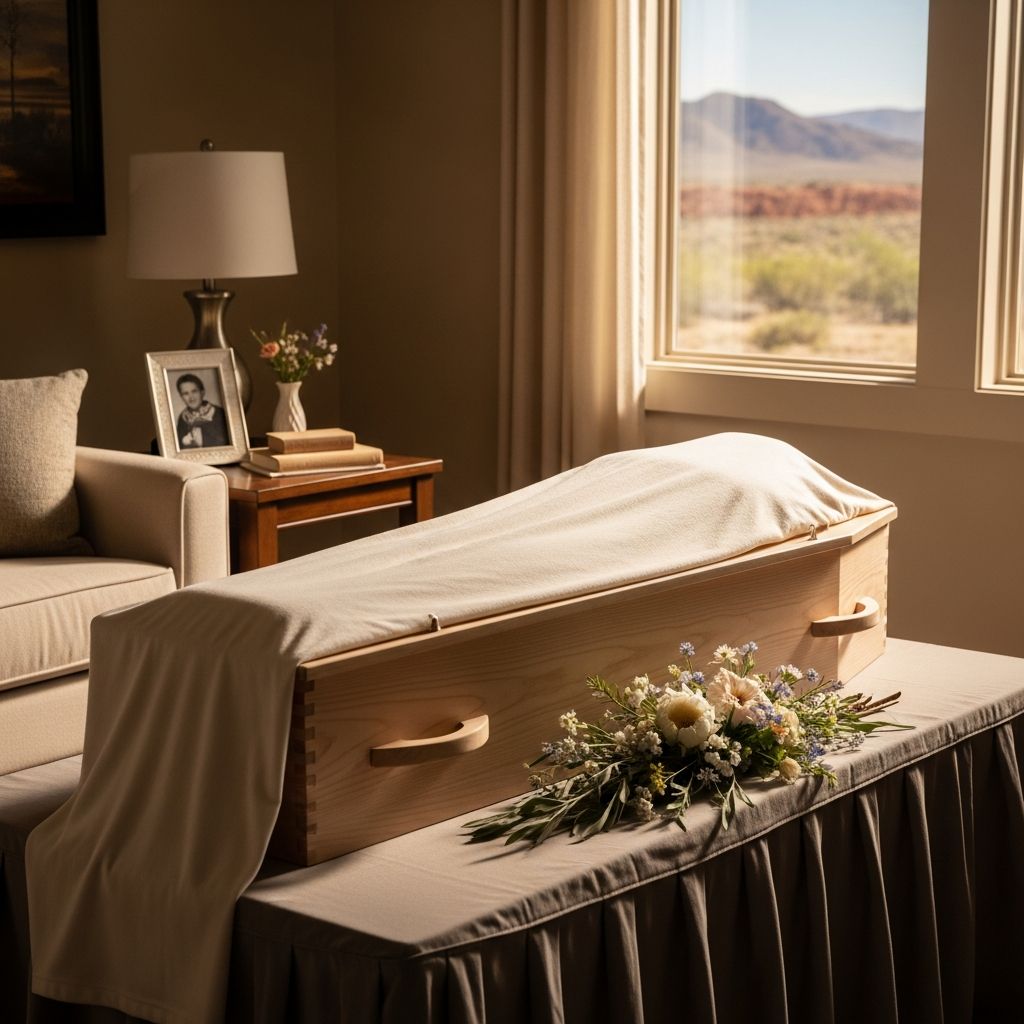
Conducting a home funeral in Nevada allows families to personally care for a deceased loved one, fostering intimate vigils and personalized farewells without mandatory involvement of funeral homes. Nevada statutes permit this practice under specific conditions outlined in Nevada Revised Statutes (NRS) Chapters 440 and 451, emphasizing timely disposition and proper documentation.
Understanding Home Funerals in Nevada
A home funeral involves families managing the immediate after-death care, including washing, dressing, and holding a vigil at home before final disposition. Unlike traditional services routed through licensed establishments, Nevada law supports family-led processes as long as health permits and paperwork requirements are met. This approach aligns with cultural, religious, or personal preferences for simplicity and affordability.
Key benefits include cost savings—avoiding embalming or facility fees—and emotional closure through hands-on involvement. However, families must navigate public health rules to ensure compliance, preventing legal issues during body handling or transport.
Immediate Steps After Death Occurs
Upon a death at home, promptly contact the attending physician, hospice nurse, or coroner if required (e.g., unattended deaths or suspicious circumstances). The certifier must complete the medical portion of the death certificate within 24-48 hours typically. Families can then begin home care: cool the room, place the body on a firm surface with dry ice or refrigeration if needed post-24 hours, and conduct personal preparations.
- Notify authorities: Call local vital records or health department for guidance.
- Prepare the space: Use sheets, cooling methods to maintain dignity.
- Document everything: Note time of death, certifier details for records.
Securing the Death Certificate
The cornerstone of legal disposition is the death certificate, filed by the funeral director or acting person (which can be a family member) in the district of death. NRS 440.450 mandates the informant provide personal details, while the physician certifies cause. Without this, no permits issue.
Process:
- Gather decedent’s info: full name, DOB, SSN, residence.
- Physician signs medical certification.
- Submit to local health officer; electronic filing available in many counties.
Delays can arise if cause is undetermined, requiring coroner involvement. Families acting as ‘undertakers’ bear filing responsibility, proving no professional monopoly exists.
Burial-Transit and Disposition Permits Explained
NRS 440.500 requires a permit from the local health officer post-death certificate completion, valid for burial, cremation, or removal. Permits specify disposition site and must be endorsed by the receiving site (e.g., cemetery sexton) within 10 days.
| Permit Type | Requirements | Timeline |
|---|---|---|
| Burial/Removal | Complete death certificate; health officer approval | Within 72 hours typically; no disposition without it |
| Cremation | Court order required (NRS 451); priority list for authorizers | Petition court after permit |
| Transport Out-of-State | Additional transit permit; comply with destination laws | Immediate post-local permit |
For infectious diseases, Board conditions apply, potentially restricting home handling. No embalming mandate unless holding beyond 72 hours without family contact.
Body Transportation Rules for Families
Nevada permits family transport of remains using private vehicles if properly permitted and secured. NRS 440.540 requires decent burial or cremation ‘within a reasonable time.’ No licensed transporter needed; use a suitable vehicle like a van with body in a leak-proof container.
- Secure permit first.
- Body must be covered respectfully.
- Avoid public roads if possible; direct to disposition site.
Cross-district moves require updated permits. For longer holds, refrigeration (below 40°F) substitutes embalming.
Preservation: Refrigeration vs. Embalming
No universal embalming requirement exists. NRS protections allow refusal unless the facility cannot contact family after 72 hours. Home funerals favor dry ice (20-40 lbs/day for adults) or commercial coolers, legal post-24 hours per general standards.
State table notes no embalming or airtight shipping mandates beyond specific cases. This flexibility supports home vigils up to 72 hours or longer with cooling.
Cremation Specifics in Home Funeral Context
Cremation demands a court order via probate court petition, listing priority authorizers per NRS 451.024: spouse, adult children, parents, siblings. Funeral homes enforce this, but families can self-petition before delivering remains.
Steps: File petition with decedent details, authorizer proof, crematory name. Court approves absent objections. No waiting period beyond permit timelines. Ashes scattering allowed on private land (permission), air, or waterways.
Costs and Avoiding Unnecessary Expenses
Home funerals slash costs: death certificate (~$20), permit (minimal), dry ice ($50/day), simple shroud/casket ($100-500). Contrast with funeral home averages exceeding $7,000. Nevada Funeral Rule mandates price transparency, applicable even without licensed directors.
Families skip vaults, embalming, viewing rooms legally. Preneed rules protect changes.
Licensing: No Funeral Director Mandate
NRS 642 governs professionals, but families aren’t barred from acting as undertakers for kin. No license needed for personal disposition; only pros require it for public services. Home Funeral Alliance confirms Nevada’s permissive stance.
Health and Safety Considerations
Maintain sanitation: gloves, ventilation. Report communicable diseases immediately. Cooling prevents decomposition odors/issues. Consult health dept. for guidance.
Planning Ahead: Advance Directives Matter
Appoint a home funeral agent in wills or directives specifying no embalming, home vigil. NRS 689 covers preneed, ensuring wishes via trusted custodians.
Frequently Asked Questions
Can I hold a home vigil longer than 72 hours?
Yes, with refrigeration or embalming consent; no strict limit if permitted and cooled properly.
Do I need a funeral home for the death certificate?
No, family as undertaker files it per NRS 440.450.
Is embalming ever required?
Only if holding 72+ hours without family approval.
How do I transport the body myself?
With burial-transit permit, in private vehicle, secured.
What’s needed for cremation authorization?
Court order petitioning as priority authorizer.
Can ashes be scattered freely?
Yes, private property (permission), air, waterways.
This guide empowers Nevada families for dignified, legal home funerals. Consult local health officers for county variations.
References
- Nevada – NATIONAL HOME FUNERAL ALLIANCE — National Home Funeral Alliance. Accessed 2026. https://www.homefuneralalliance.org/nevada.html
- Legal State Requirements for Home Funerals — National Home Funeral Alliance. Accessed 2026. https://www.nhfuneral.org/state_home_funeral_requirements.html
- Cremation – Civil Law Self-Help Center — Civil Law Self-Help Center. Accessed 2026. https://www.civillawselfhelpcenter.org/self-help/probate/cremation
- Complying with the Funeral Rule — Nevada State Funeral Board. Accessed 2026. https://funeral.nv.gov/uploadedfiles/funeralnvgov/Content/Resources/ComplyingWithTheFuneralRule.pdf
- 2024 Nevada Revised Statutes :: Chapter 689 — Justia. 2024. https://law.justia.com/codes/nevada/chapter-689/
Similar Articles








Read full bio of medha deb


