
Neighbor’s Dog Pooping in Your Yard: Legal Options
Discover your legal rights when a neighbor's dog repeatedly defecates on your property and explore practical steps to resolve the issue.
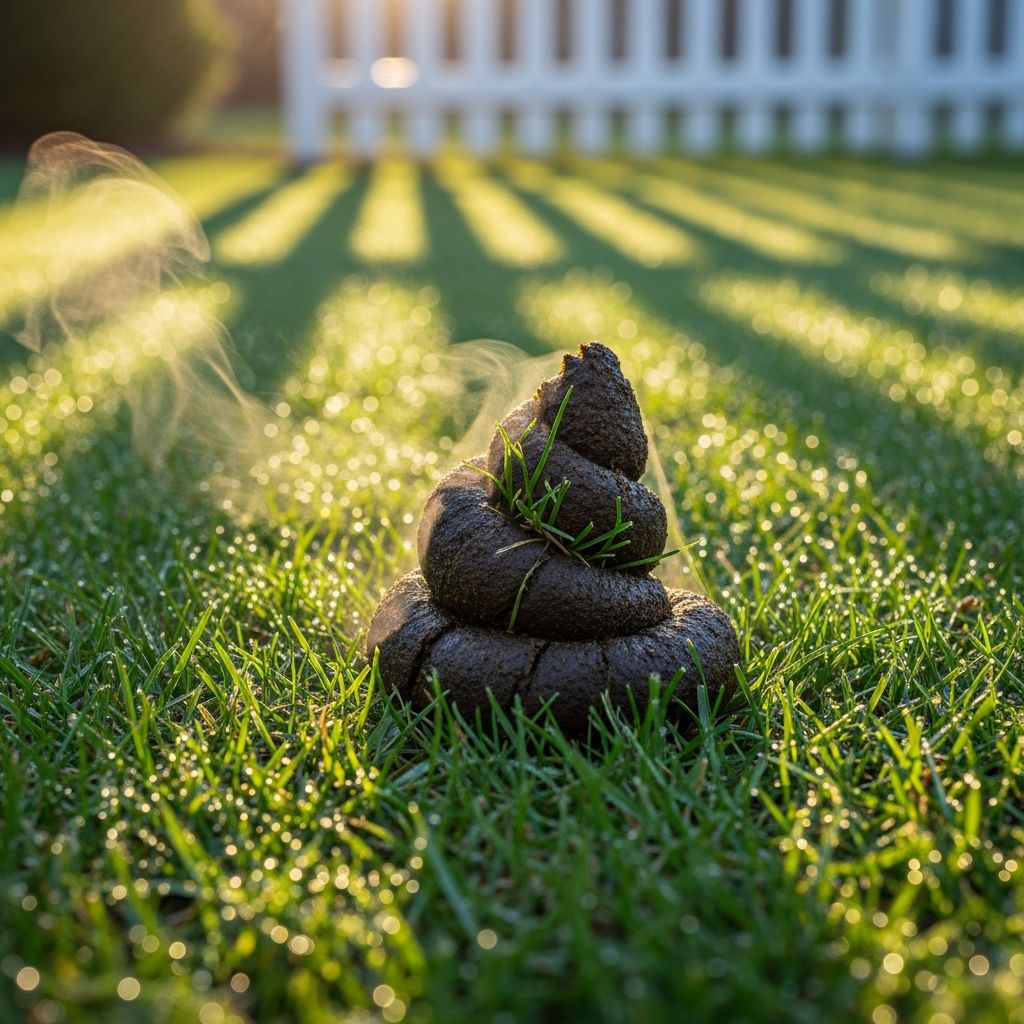
Dealing with a neighbor’s dog that habitually uses your lawn as its personal bathroom raises significant concerns about property rights, hygiene, and neighborhood harmony. While many pet owners diligently clean up after their animals, the mere act of allowing a dog to enter private property without permission can constitute a violation in numerous jurisdictions. This comprehensive guide examines the legal frameworks surrounding such incidents, practical resolution strategies, and preventive measures to help homeowners reclaim their space.
Understanding Property Boundaries and Pet Access
Property lines extend beyond visible fences or structures, often including the grassy strip between the sidewalk and curb, known as the parkway or verge. In most urban and suburban settings, this area remains private property despite public access for utilities or walkways. When a dog steps onto this land to relieve itself—even if the owner immediately removes the waste—it may cross into trespassing territory.
Local ordinances typically classify dog defecation on private property as a public nuisance or sanitation infraction. For instance, municipalities mandate that owners control their pets and prevent them from soiling non-public areas. Failure to comply can result in citations, especially if documented through surveillance or witness reports. Homeowners frustrated by recurring occurrences should first verify their local codes, as enforcement varies widely by city and state.
Legal Classifications: Trespass, Nuisance, and Liability
Dog owners cannot freely permit their pets to enter adjacent yards without consent. Legally, this qualifies as trespassing, where the pet’s paws mark an unauthorized entry. Courts have upheld that animals under an owner’s control must adhere to the same boundaries as people. If damage occurs, such as urine scorching grass or feces contaminating soil, affected parties may pursue compensation through small claims court.
| Legal Claim | Description | Potential Remedies |
|---|---|---|
| Trespassing | Unauthorized entry by dog onto private land | Court order to cease, nominal damages |
| Private Nuisance | Repeated interference with property enjoyment | Injunction, cleanup costs reimbursement |
| Negligence | Failure to control pet leading to harm | Repair costs for lawn or landscaping |
While suing might seem extreme for minor infractions, persistent disregard for boundaries justifies formal action. Evidence like photographs, videos from doorbell cameras, and incident logs strengthens cases in civil proceedings.
Role of Homeowners Associations in Pet Regulations
In planned communities governed by HOAs, covenants, conditions, and restrictions (CC&Rs) often impose stricter pet protocols than municipal laws. Many HOAs prohibit animals from soiling common areas or neighboring lots, with fines escalating for violations. Board members can issue warnings, levy penalties, or mandate compliance through architectural reviews for fencing or signage.
- Review your HOA’s pet policy document for specific language on waste disposal and property access.
- Submit documented complaints to the board, including timestamps and visuals for swift adjudication.
- Attend meetings to advocate for community-wide rules, such as designated pet relief zones.
HOA intervention frequently resolves disputes faster than individual litigation, preserving neighborly relations while upholding standards.
Practical Steps for Homeowners Facing Pet Intrusions
Before escalating to legal measures, consider diplomatic yet assertive approaches. A courteous conversation highlighting your concerns often suffices, particularly with responsible owners who may not realize the extent of their dog’s wanderings.
- Communicate Politely: Approach the neighbor privately, expressing the issue without accusation. Suggest alternatives like leashing more tightly or choosing different routes.
- Install Deterrents: Motion-activated sprinklers, ultrasonic repellers, or low fencing effectively discourage pets from approaching.
- Post Clear Signage: Signs reading “No Pets on Lawn – Private Property” or “Pet Relief Prohibited” set explicit expectations.
- Document Everything: Maintain a detailed record of dates, times, descriptions, and evidence to build a compelling case if needed.
Technology aids greatly; smart cameras capture footage for proof, deterring repeat offenders upon review of recordings.
When to Involve Local Authorities and Courts
If informal methods fail, contact animal control or code enforcement. Many departments respond to repeated pet waste complaints by issuing verbal warnings or tickets. Fines range from $50 to $500 per incident, depending on locality.
Small claims court offers a low-cost venue for damages under $5,000–$10,000 thresholds. Judges prioritize evidence of pattern behavior and attempts at resolution. Successful plaintiffs may recover costs for sod replacement, chemical treatments, or diminished property value perceptions.
Consulting a local attorney early clarifies viable claims. Free resources like legal aid clinics or state bar associations provide initial guidance tailored to regional statutes.
Responsibilities of Dog Owners: Best Practices
Pet parents hold a duty to prevent their animals from encroaching on others’ land. Train dogs to eliminate in designated spots, carry waste bags universally, and scout walks for boundary-respecting paths. In public rights-of-way, immediate cleanup remains mandatory everywhere.
- Use long leashes only on wide paths, shortening near yards.
- Supervise closely during relief times to redirect if needed.
- Respect “No Dogs” signs as binding requests.
Adopting these habits fosters community goodwill and sidesteps legal entanglements.
Health and Environmental Impacts of Uncontrolled Pet Waste
Beyond legality, dog feces pose health risks. Pathogens like E. coli, Salmonella, and parasites such as roundworms thrive in waste, contaminating soil and water via runoff. Children playing in yards or gardeners face exposure dangers. Environmentally, nutrient overload from urine harms grass, while feces contribute to waterway pollution.
According to the U.S. Environmental Protection Agency, pet waste ranks among top nonpoint pollution sources, underscoring collective responsibility for containment.
Frequently Asked Questions
Is it trespassing if a dog just pees on my lawn?
Yes, in many areas, allowing a dog to urinate on private property without permission constitutes trespassing, regardless of cleanup, as it involves unauthorized entry.
Can I sue my neighbor for dog poop damage?
Absolutely; pursue small claims for verifiable costs like lawn repair or cleanup, supported by photos and witness statements.
What if the dog owner always picks up the poop?
Even with cleanup, the intrusion itself violates property rights under nuisance or trespass laws in numerous jurisdictions.
Do HOAs handle dog waste complaints?
Yes, most enforce pet rules strictly, often fining violators after documented reports from residents.
Can I install sprinklers to keep dogs away?
Generally yes, on your property; ensure they comply with local water use and nuisance ordinances.
Preventive Landscaping and Community Solutions
Transform your yard into a pet-unfriendly zone through strategic planting. Thorny shrubs, prickly ground covers, or aromatic repellents like citrus peels deter animals naturally. Community initiatives, such as shared dog parks or walking schedules, reduce yard reliance.
Neighborhood apps facilitate polite reminders and collective advocacy for municipal pet ordinances enhancing protections.
In summary, while dog walking enriches lives, respect for private domains prevents disputes. Homeowners empower themselves through knowledge, documentation, and graduated responses—from talks to tribunals—ensuring clean, peaceful properties.
References
- Is a neighbor free to let his or her dog use your front yard for poop… — Avvo Legal Answers. 2014-10-20. https://www.avvo.com/legal-answers/is-a-neighbor-free-to-let-his-or-her-dog-use-your–6205702.html
- Is It Illegal to Leave Dog Poop in Someone’s Yard? — Poo Squad. Accessed 2026. https://www.poosquad.com/is-it-illegal-to-leave-dog-poop-in-yard/
- Model Ordinance to Control Pollution from Animal Waste — U.S. Environmental Protection Agency (EPA). 2023-05-15. https://www.epa.gov/sites/default/files/2015-10/documents/modelordinance.pdf
- Animal Control Ordinances — National Conference of State Legislatures (NCSL). 2025-08-12. https://www.ncsl.org/research/environment-and-natural-resources/animal-control-ordinances.aspx
- Trespass to Land — Cornell Law School Legal Information Institute. 2024-11-03. https://www.law.cornell.edu/wex/trespass_to_land
Similar Articles








Read full bio of medha deb


