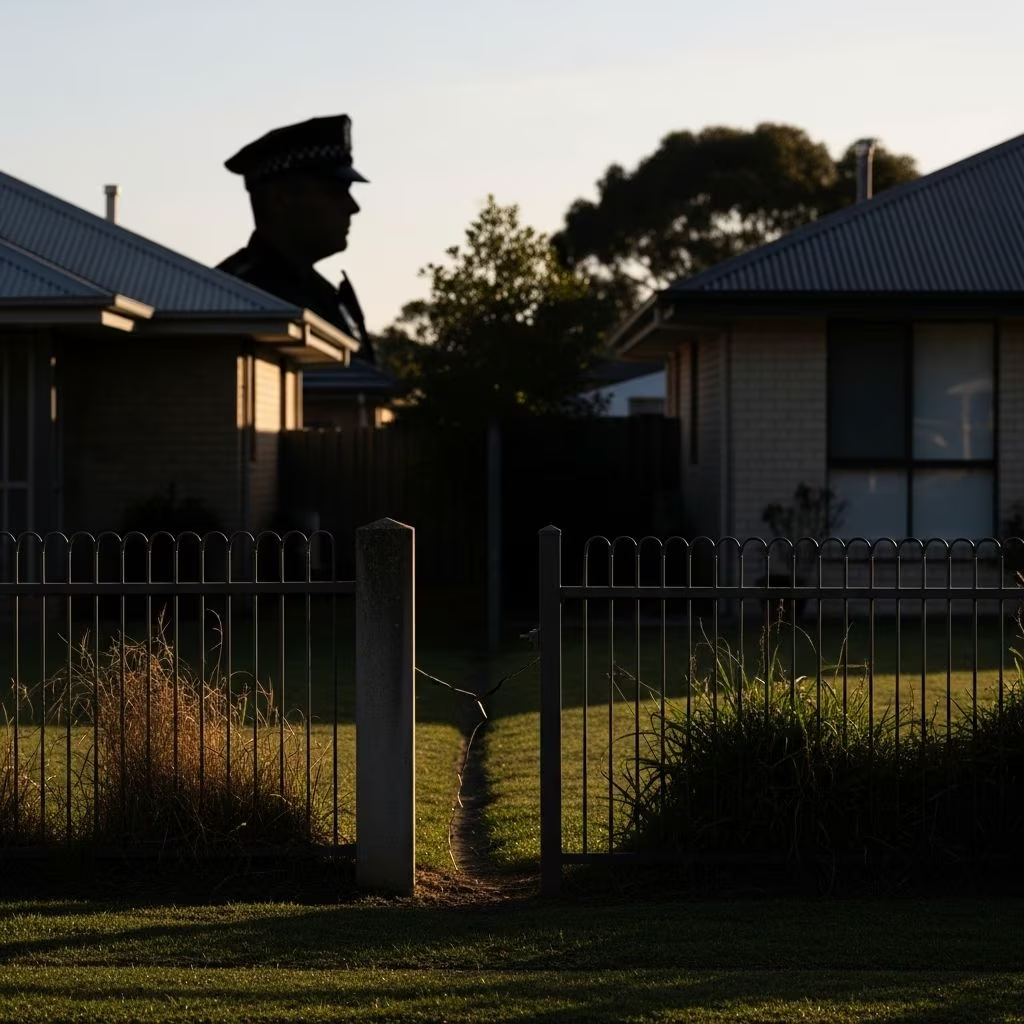
Conflicts between neighbors can escalate quickly, turning a simple disagreement into a potential crisis. Deciding whether to contact law enforcement requires careful consideration of the situation’s severity, your safety, and potential legal consequences. This guide explores key factors to help you make informed choices during heated neighbor altercations.
Recognizing Signs of Escalation in Neighbor Conflicts
Most neighbor disagreements start with minor issues like noise or parking but can intensify into shouting matches or physical confrontations. Pay attention to verbal threats, raised voices indicating possible violence, or objects being thrown. These are red flags that demand immediate action to prevent harm.
- Verbal aggression: Yelling that includes personal attacks or promises of harm.
- Physical posturing: Pushing, shoving, or preparing to strike.
- Weapons involvement: Any visible tools, knives, or firearms heighten the risk dramatically.
- Repeated patterns: Ongoing harassment that makes you feel unsafe in your home.
Documenting these incidents with notes, timestamps, and videos from a safe distance builds a record useful for police or courts later.
Immediate Dangers That Warrant a 911 Call
When a neighbor dispute crosses into imminent danger territory, dialing emergency services is crucial. Situations involving active violence, such as punches being thrown or someone being chased, require instant police response. Hesitation could lead to serious injury or worse.
For instance, if you witness one neighbor restraining another against their will or hear screams of pain, act without delay. Emergency operators prioritize these calls, dispatching officers trained to de-escalate and separate parties. Provide clear details: location, number of people involved, descriptions, and any observed injuries.
| Situation | Why Call 911 | Expected Police Action |
|---|---|---|
| Physical fight in progress | High risk of injury | Separate parties, assess injuries, possible arrests |
| Threats with weapons | Life-threatening | Secure scene, detain suspects, medical aid |
| Domestic violence indicators | Special protocols apply | Mandatory interviews, safety planning |
| Child or elder endangerment | Vulnerable parties involved | Child Protective Services notification if needed |
Non-Emergency Options for Lesser Disputes
Not every loud argument justifies sirens and lights. For ongoing noise without violence, use your local non-emergency police line during business hours. This allows officers to issue warnings or mediate without treating it as a crime scene.
Community resources often prove more effective long-term. Homeowners associations (HOAs) enforce noise ordinances, while mediation services offer neutral ground for dialogue. In many areas, noise complaint apps connect you directly to code enforcement without full police involvement.
- Contact non-emergency line for repeated disturbances.
- File a formal noise complaint with city officials.
- Request HOA intervention if applicable.
- Seek free community mediation programs.
Legal Risks of Making Police Reports
Reporting a neighbor dispute can backfire if perceived as malicious. In various states, filing a knowingly false report constitutes a misdemeanor, potentially leading to fines up to $1,000 and jail time of 180 days. Prosecutors require proof of intent, such as fabricated details with no basis in reality.
Even honest reports aren’t foolproof. Recent California law changes stripped absolute immunity for police communications, exposing reporters to defamation suits if claims are deemed reckless. Accused parties can now countersue, dragging you into costly litigation even if your account was truthful. Courts evaluate recklessness based on disregard for factual accuracy.
Protecting Yourself from False Accusations
Neighbors sometimes exaggerate or lie to police, creating damaging records. A single false claim might influence future encounters, like turning a minor traffic stop into a ticket. To counter this, immediately report falsehoods to authorities and gather counter-evidence like witness statements or security footage.
Civil remedies exist too. If a false report causes provable harm—lost work, emotional distress—you may pursue defamation or malicious prosecution claims. Success hinges on demonstrating the accuser’s knowledge of falsity and resulting damages.
Harassment Laws and Restraining Orders
Persistent neighbor issues often qualify as harassment under state statutes. California’s Civil Code Section 527.6 defines it as unlawful violence, credible threats, or repeated vexing conduct causing substantial emotional distress. Victims can petition for Civil Harassment Restraining Orders (CHROs) at no initial cost.
A CHRO mandates the harasser stay away, prohibits contact via any means, and protects household members. Violations become criminal, punishable by jail. Filing involves submitting forms with evidence to court; temporary orders issue quickly, with full hearings following.
- No-contact zones around home, work, school.
- Bans on surveillance or stalking.
- Provisions for shared pets or property.
Police enforce these orders strictly, often arresting violators on sight.
De-Escalation Strategies Before Police Arrival
While waiting for help, prioritize safety. Retreat indoors, lock doors, and avoid engaging. Yelling back fuels the fire; instead, observe discreetly and note details for officers.
Post-incident, request a police report copy for your records. Cooperate fully but invoke your right to silence if questioned as a suspect—especially in mutual combat scenarios where both parties face charges. Consult an attorney before signing statements.
Building a Case for Long-Term Resolution
One call rarely resolves deep-seated feuds. Compile a timeline of events, including dates, descriptions, and outcomes. This dossier strengthens restraining order applications or small claims for property damage.
Consider neighborhood watch programs or local dispute resolution centers. These foster communication without legal escalation, preserving community ties.
Frequently Asked Questions (FAQs)
Q: Can I get in trouble for calling police on a neighbor argument?
A: Generally no, if your report is honest. However, proven false reports lead to misdemeanor charges with fines and jail time.
Q: What if police treat me as a suspect too?
A: Remain silent and request a lawyer. In arguments, both sides are initially suspects.
Q: How do I get a restraining order against a harassing neighbor?
A: File under CCP 527.6 with evidence of threats or vexing conduct; courts grant temporary orders swiftly.
Q: Is video evidence from my property legal?
A: Yes, in public views or your yard. Audio may have privacy restrictions—check local laws.
Q: What about noise complaints without fights?
A: Use non-emergency lines or city apps first for efficient handling.
Preventing Future Neighbor Conflicts
Proactive steps reduce tensions: Clear property lines, respectful communication, and mutual understanding of local rules. Fences, shared guidelines, and holiday courtesies go far.
In dense urban areas, apps like Nextdoor facilitate polite resolutions. When all else fails, legal tools ensure peace.
References
- Are there legal repercussions for a neighbor calling police and lying — Avvo Legal Answers. 2015-approx (relevant Ohio law unchanged). https://www.avvo.com/legal-answers/are-there-legal-repercussions-for-a-neighbor-calli-5847311.html
- You Can Now Be Sued for Calling the Police — California SLAPP Law. 2021-09. https://californiaslapplaw.com/2021/09/you-can-now-be-sued-for-calling-the-police/
- Neighbor Harassment Laws in California — LegalAtoms. 2025-12-22. https://legalatoms.com/california/neighbor-harassment-laws-in-california/
- Neighbor Harassment Laws in California — LegalAtoms (duplicate for CCP details). 2025-12-22. https://legalatoms.com/california/neighbor-harassment-laws-in-california/
- What To Do When You’re Arguing And Neighbors Call the Police — Irvine Criminal Lawyer Blog. Approx 2020s. https://criminal-lawyer-blog.irvinecriminallawyer.com/youre-arguing-neighbors-call-police/