
Neighbor Conflicts: Top Issues and Smart Solutions
Discover the most frequent neighbor disputes and proven strategies to resolve them peacefully before they escalate to court.
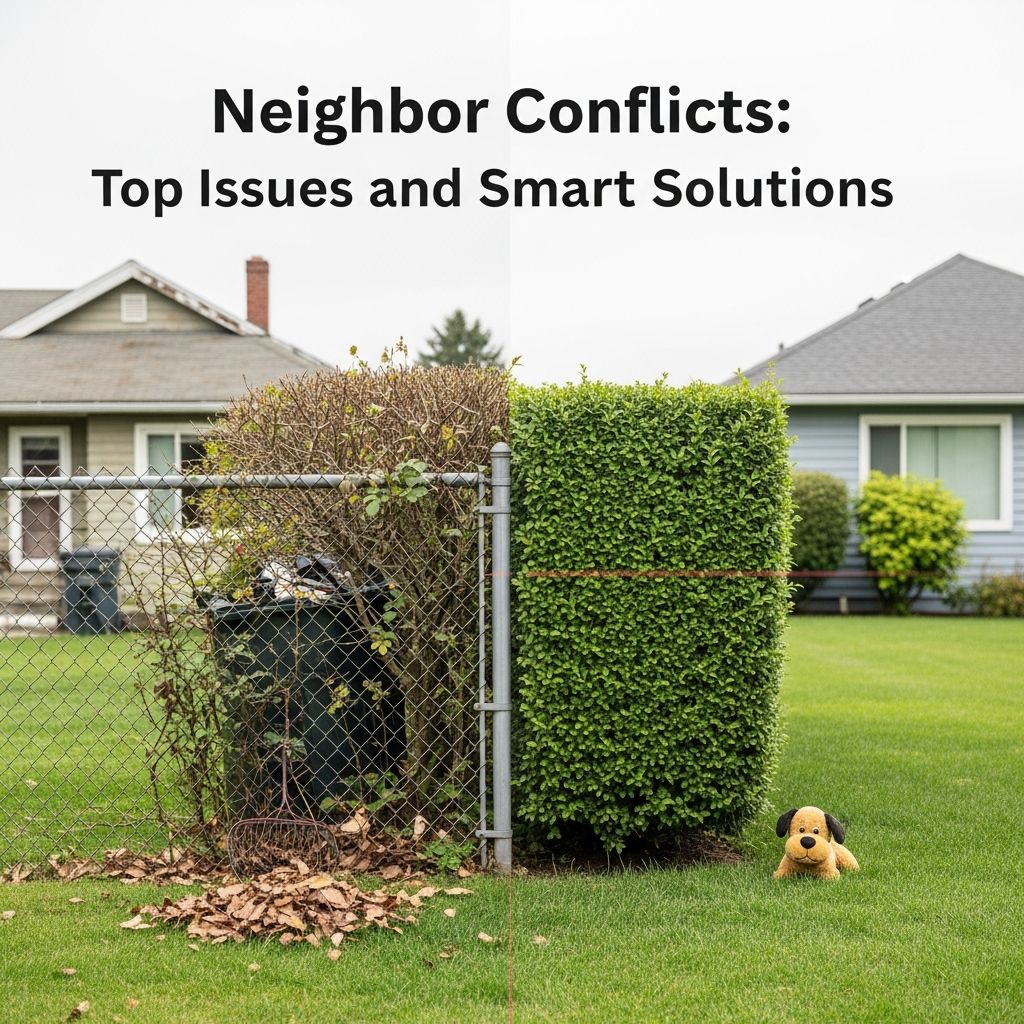
Living in close proximity to others can bring joy but also friction. A FindLaw survey reveals that four in ten Americans have faced neighbor disputes, with noise topping the list at 48% of cases. This article examines prevalent conflicts, offering actionable advice to restore peace without unnecessary escalation.
Understanding the Scope of Neighborhood Tensions
Neighbor disputes often stem from everyday activities that infringe on personal space or property rights. According to legal experts, these issues affect urban and suburban areas alike, sometimes leading to civil court if ignored. Early intervention through dialogue prevents minor annoyances from becoming legal battles.
Key factors fueling conflicts include unclear property lines, lifestyle differences, and maintenance neglect. Statistics show pets and animals account for 29% of complaints, while boundary issues make up 17%. Recognizing patterns helps homeowners address problems proactively.
1. Excessive Noise and Disturbances
Noise remains the leading cause of neighbor friction, encompassing loud music, barking dogs, parties, or construction sounds. Local ordinances typically define quiet hours, often from 10 PM to 7 AM, varying by municipality.
To resolve:
- Communicate calmly: Approach the neighbor during a quiet moment, explaining the impact without accusation.
- Document incidents: Log dates, times, and descriptions to build a case if needed.
- Involve authorities: Report violations to police for non-compliance after warnings.
In severe cases, courts can issue injunctions for nuisances under state civil codes. For instance, continuous disturbances like banging or loud stereos may warrant damages or orders to cease.
2. Disputes Over Property Boundaries and Fences
Boundary disagreements arise when fences, sheds, or landscaping encroach on adjacent lots. Missouri law, for example, requires mutual consent for shared fences and clear surveys. Unresolved, these lead to costly surveys and litigation.
| Issue | Common Causes | Resolution Steps |
|---|---|---|
| Fence Placement | Outdated surveys, assumptions | Hire licensed surveyor, split costs |
| Encroachment | Sheds, driveways crossing lines | Review deeds, negotiate relocation |
| Repair Costs | Damage from weather or neglect | Check local fence laws, mediate |
Always start with a professional survey to establish facts. If talks fail, small claims court handles disputes under modest values without attorneys.
3. Pet and Animal-Related Problems
Pets contribute to 29% of disputes through barking, waste, trespassing, or damage. Cities enforce ordinances via animal control, addressing nuisances like unsanitary conditions or threats.
Effective strategies:
- Discuss concerns privately, suggesting solutions like training or fencing.
- Report persistent issues to animal control after documentation.
- Seek legal remedies for property damage or safety risks.
Homeowners associations (HOAs) often mediate pet rules in communities, preventing escalation.
4. Tree, Vegetation, and Overhang Conflicts
Overhanging branches, invasive roots, or debris from trees spark frequent arguments. Neighbors may trim encroaching parts up to the property line, but killing the tree invites liability.
In Indiana, for example, excessive trimming causing tree death makes the actor responsible for damages. Solutions include:
- Polite requests for trimming.
- Self-trimming within your boundaries, avoiding harm.
- Professional arborist assessment for disputes.
Document damage from falling limbs to claim insurance or compensation.
5. Water Runoff, Drainage, and Erosion Challenges
Improper grading or gutters directing water onto neighboring properties cause flooding and erosion. Local zoning laws govern drainage rights, often requiring properties not to alter natural flow adversely.
Steps for resolution:
- Review site plans and elevation surveys.
- Propose shared engineering fixes.
- Consult municipal codes for violations.
Serious cases may involve environmental agencies if utilities are affected.
6. Visual Nuisances and Property Maintenance
Eyesores like overgrown lawns, junk piles, or year-round decorations comprise 18% of complaints. HOAs and city codes mandate standards to preserve community aesthetics.
Address by:
- Notifying the owner of code risks.
- Reporting to code enforcement if ignored.
- Avoiding vigilante cleanups to prevent trespass claims.
These issues rarely reach court but strain relations if mishandled.
7. Parking, Vehicle, and Access Issues
Blocked driveways, illegal parking, or abandoned cars create daily hassles. Public street rules apply, with towing options for violations.
Tips:
- Post polite notices initially.
- Call non-emergency police for repeats.
- HOA enforcement in governed areas.
Though only 1% of disputes, they erode goodwill quickly.
Strategies for Amicable Resolutions
Before legal steps, prioritize de-escalation:
- Mediation services: Free community programs facilitate neutral talks.
- Written agreements: Document verbal pacts to avoid ‘he said/she said’.
- HOA involvement: Leverage covenants for rule-breakers.
Survey data indicates many disputes resolve when behavior changes post-complaint.
When to Escalate to Legal Action
If communication fails, options include small claims for minor damages, civil suits for nuisances, or injunctions. Document everything: photos, logs, witness statements. Attorneys advise on state-specific laws, like California’s nuisance statutes.
Consequences of inaction: vandalism, harassment, or prolonged stress. Early professional advice prevents this.
Frequently Asked Questions
Can I trim my neighbor’s tree branches overhanging my yard?
Yes, up to the property line, but avoid killing the tree to prevent liability claims.
What if noise violations continue after police visits?
Pursue a nuisance lawsuit for injunctions and damages.
Who pays for a boundary survey?
Typically shared, but the encroaching party may cover if at fault.
How do I handle a neighbor’s dog trespassing and damaging my garden?
Document, notify owner, then contact animal control.
Is parking on the street regulated?
Yes, local ordinances prohibit blocking access or abandonment.
Preventing Future Conflicts
Proactive measures like clear surveys at purchase, HOA engagement, and neighborly introductions build resilience. Regular maintenance and empathy go far in fostering harmony.
In summary, most disputes resolve through communication. When not, structured steps protect rights effectively.
References
- Common Neighbor Disputes in Missouri and How a Lawyer Can Help — Finder Law. 2023. https://www.finderlaw.com/common-neighbor-disputes-in-missouri-and-how-a-lawyer-can-help
- 5 Neighborhood Disputes That Can Lead to Civil Court in IN — PI Lawyers. 2022. https://www.pilawyers.com/blog/civil-court-in-5-common-neighborhood-disputes/
- Love Thy Neighbor? Four in Ten Americans Have Had a Neighbor Dispute — Thomson Reuters. 2013-01-01. https://www.thomsonreuters.com/en/press-releases/2013/love-thy-neighbor-four-in-ten-americans-have-had-a-neighbor-dispute-says-new-findlaw-com-survey
- 5 Common Neighbor Disputes and How to Handle Them — Real Estate Planning Law. 2024. https://realestateplanninglaw.com/5-common-neighbor-disputes-and-how-to-handle-them/
- 9 Types of Neighbor Disputes (and How to Solve Them) — Kelly Legal Group. 2023. https://www.kellylegalgroup.com/blog/common-types-of-neighbor-disputes/
- Neighbor Disputes Fact Sheet — Disability Rights California (.org, official advocacy). 2022. https://www.disabilityrightsca.org/publications/neighbor-disputes-fact-sheet
Similar Articles








Read full bio of Sneha Tete


