
Negligence in Car Crashes: Proving Fault Explained
Unlock the essentials of negligence in vehicle collisions: from duty breaches to compensation strategies for injured drivers.
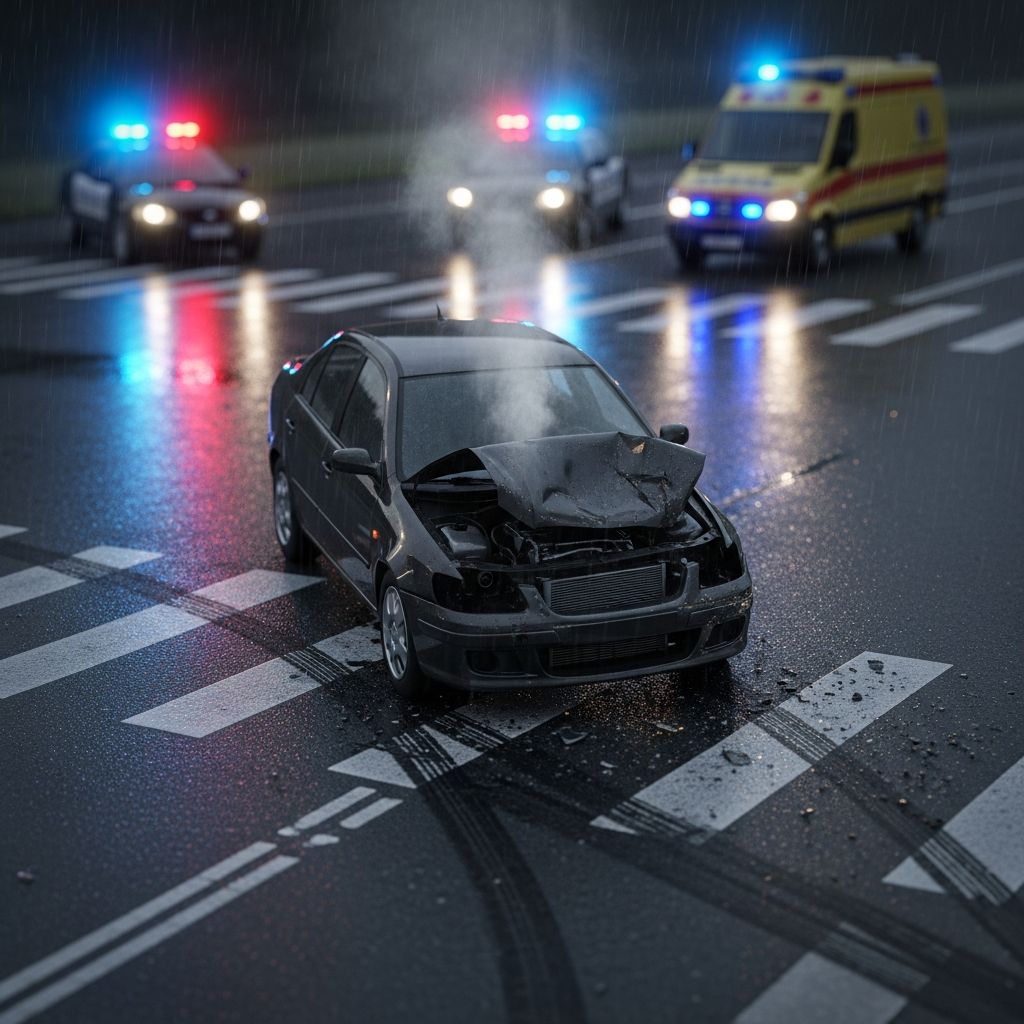
Negligence forms the cornerstone of most car accident lawsuits, allowing injured parties to seek compensation when another driver’s carelessness causes harm. Understanding this concept empowers victims to build strong cases and navigate insurance negotiations effectively.
Defining Negligence on the Road
At its core, negligence occurs when a driver fails to exercise the level of caution that a prudent person would under comparable conditions, leading to foreseeable harm. This legal principle underpins liability in collisions, distinguishing mere mishaps from compensable wrongdoing. Courts evaluate actions against an objective ‘reasonable driver’ standard, focusing on preventable errors rather than intent.
Unlike intentional harm, negligence emphasizes lapses in judgment or attention. For instance, a momentary distraction might not rise to negligence if unavoidable, but habitual risky behaviors like excessive speed often do. This framework ensures accountability while recognizing human error’s role in traffic incidents.
The Four Pillars of a Negligence Claim
To succeed in a car crash lawsuit, plaintiffs must demonstrate four interconnected elements. Each serves as a building block, with failure in any one potentially dooming the case.
- Duty of Care: Every motorist owes others a fundamental obligation to operate vehicles safely. This includes obeying speed limits, signaling turns, and scanning for hazards—universal expectations codified in traffic statutes.
- Breach of Duty: Proof that the defendant deviated from this standard, such as by weaving through traffic or ignoring stop signs. Evidence like dashcam footage or eyewitness accounts illustrates this violation.
- Causation: Establishing that the breach directly and foreseeably produced the crash and resulting injuries. ‘But-for’ causation asks if the harm would have occurred absent the negligence; proximate cause limits remote consequences.
- Damages: Quantifiable losses, encompassing medical expenses, lost income, vehicle repairs, and pain/suffering. Without actual harm, no recovery is possible, even if negligence is clear.
These elements interlock rigorously; attorneys meticulously document each to withstand scrutiny from insurers and judges.
Everyday Driver Mistakes That Signal Negligence
Recognizing typical breaches helps victims pinpoint liability. Here’s a breakdown of prevalent violations:
| Negligent Behavior | Description | Potential Consequences |
|---|---|---|
| Distracted Driving | Using phones, eating, or adjusting GPS diverts attention from the road. | Rear-end collisions, pedestrian strikes. |
| Speeding | Exceeding limits reduces reaction time and control. | Increased crash severity, rollover risks. |
| Tailgating | Following too closely prevents safe stops. | Chain-reaction pileups. |
| Running Red Lights | Ignoring signals at intersections. | Broadside ‘T-bone’ impacts. |
| Driving Impaired | Alcohol, drugs, or fatigue impair judgment. | Catastrophic multi-vehicle wrecks. |
These acts not only breach duty but often invoke ‘negligence per se,’ where statutory violations presume fault, streamlining proof.
Navigating Shared Blame: Comparative Negligence Rules
Not all crashes involve a single culprit; many feature divided responsibility. Comparative negligence apportions damages based on each party’s fault percentage, varying by jurisdiction.
- Pure Comparative: Recovery permitted regardless of plaintiff’s fault level, reduced proportionally (e.g., 80% at fault yields 20% of damages).
- Modified Comparative: Bars recovery if plaintiff exceeds 50% or 51% fault threshold, otherwise reduces award by their share.
- Contributory Negligence: Rare today; any plaintiff fault eliminates compensation entirely.
For example, if damages total $100,000 and you’re 30% responsible, pure systems award $70,000. Insurers fiercely contest percentages to minimize payouts, making expert reconstruction vital.
Gathering Ironclad Evidence After a Collision
Immediate action preserves proof, transforming vague recollections into compelling narratives. Prioritize safety first, then:
- Photograph scene, vehicles, injuries, and road conditions from multiple angles.
- Obtain police reports detailing citations and diagrams.
- Collect witness contacts for unbiased statements.
- Secure medical records linking injuries to the event.
- Preserve black box data, surveillance, or telematics logs.
Time-sensitive evidence like skid marks fades quickly; digital backups ensure accessibility for investigators.
From Crash to Court: The Claims Process
Pursuing negligence compensation unfolds in phases:
- Notification: Report to your insurer and the at-fault party’s within policy deadlines.
- Investigation: Exchange info; adjusters assess liability.
- Negotiation: Demand letter outlines elements and losses; counteroffers follow.
- Litigation: If stalled, file suit—discovery, motions, trial possible.
Most resolve pre-trial via settlement, but preparation for litigation strengthens bargaining power.
Overcoming Insurance Company Defenses
Adjusters deploy tactics to dilute claims:
- Minimizing breach via alternative causation theories.
- Disputing damages by questioning injury extent.
- Exaggerating plaintiff fault to invoke comparatives.
Counter with independent medical exams, accident reconstructions, and vocational experts quantifying long-term impacts.
When Negligence Escalates: Gross and Reckless Conduct
Standard negligence suffices for most claims, but egregious acts like DUI or street racing qualify as gross negligence, potentially unlocking punitive damages. These punish willful disregard, deterring societal risks beyond mere compensation.
Frequently Asked Questions
What if both drivers share fault in a crash?
Comparative negligence reduces your recovery by your fault percentage; rules differ by state—consult local laws.
Do I need a lawyer for a negligence-based claim?
DIY works for minor incidents, but professionals maximize value in complex, disputed cases.
How long after an accident can I file a negligence suit?
Statutes of limitations vary (1-3 years typically); act promptly to avoid bars.
Can negligence apply to non-drivers like passengers or pedestrians?
Yes, if their actions (e.g., distracting driver) breach a duty contributing to harm.
What damages can negligence claims recover?
Economic (bills, wages) and non-economic (pain, trauma), sometimes punitives for extreme cases.
References
- Negligence Definition — Nolo. Accessed 2026. https://dictionary.nolo.com/negligence-term.html
- How to Define Negligence in an Automotive Accident — Cindy Goldstein Law. Accessed 2026. https://www.cindygoldsteinlaw.com/negligence-in-an-automotive-accident/
- Understanding The Role Of Negligence In A Car Accident Claim — Cellino Law. Accessed 2026. https://www.cellinolaw.com/blogs/understanding-the-role-of-negligence-in-a-car-accident-claim/
- Accident vs. Negligence: What Are The Differences? — Kistler Law Firm. Accessed 2026. https://www.kistlerlawfirm.com/accident-vs-negligence/
- What is Negligence? | Car Accident FAQs — Clark Harmonson Attorney. Accessed 2026. https://www.clarkharmonsonattorney.com/faqs/what-is-negligence-and-does-it-play-a-role-in-my/
Similar Articles








Read full bio of Sneha Tete


