
Senior Driver Licensing Requirements in Nebraska
Comprehensive guide to Nebraska's licensing rules, renewal procedures, and safety standards for drivers 65 and older.
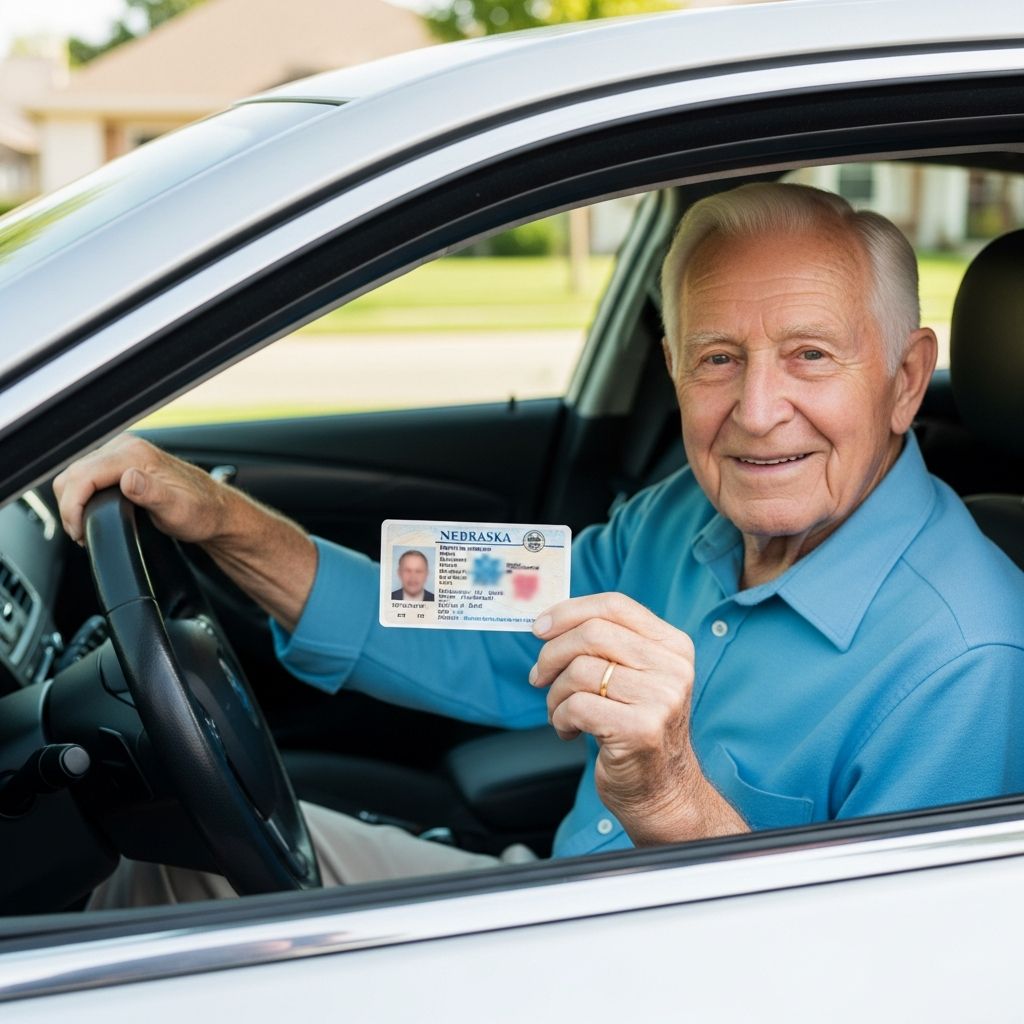
Understanding Nebraska’s Senior Driver Population and Safety Considerations
Nebraska is home to a substantial population of mature drivers who continue to maintain active driving privileges. According to the Nebraska Department of Motor Vehicles, more than 326,000 licensed drivers are aged 65 or older, with an additional 30,000 drivers aged 85 or older. This growing demographic represents a significant portion of the state’s driving population, and the state has implemented specific regulations to ensure both the safety of senior drivers and the protection of other road users.
While statistical data indicates that older drivers typically experience fewer accidents compared to their younger counterparts, the consequences of accidents involving senior drivers tend to be more severe. Seniors aged 65 and older account for more than 19 percent of traffic fatalities in Nebraska. This disparity reflects the increased vulnerability that comes with age-related changes in physical health, reaction time, and cognitive function. Understanding these risk factors is essential for both drivers and their families as they navigate the state’s licensing requirements.
The Nebraska Department of Motor Vehicles works to balance maintaining safe roadways with preserving the independence and mobility of senior drivers. This balance is reflected in a comprehensive set of regulations that apply specifically to drivers over certain age thresholds, particularly those aged 72 and older. These regulations address everything from license renewal procedures to vision requirements and medical evaluations.
License Expiration Cycles and Basic Renewal Framework
All Nebraska drivers, regardless of age, follow the same initial license expiration schedule. Driver’s licenses in Nebraska expire on the holder’s birthday in the fifth year following the date of issuance. This five-year renewal cycle applies uniformly to all drivers aged 21 and older, including seniors. Drivers may initiate the renewal process up to 90 days before their license expires and have up to one year after expiration to complete the renewal without triggering additional penalties or requirements.
The timing flexibility built into Nebraska’s renewal system allows drivers to plan ahead and avoid situations where an expired license might cause complications. However, it is important to note that allowing a license to expire for 12 months or longer results in additional testing requirements that would not otherwise apply to senior drivers at renewal time.
Age-Based Renewal Procedures: The 72-Year Threshold
Nebraska’s licensing regulations establish a critical distinction in renewal procedures at age 72. Drivers under 72 years old may renew their Class O (operator’s) licenses online for two consecutive renewal cycles, with an in-person renewal required every third time. This streamlined online process provides convenience for younger senior drivers and reduces the need for frequent visits to Department of Motor Vehicles offices.
However, once drivers reach age 72, the renewal process changes significantly. Drivers aged 72 and older must renew their licenses in person at a designated DMV licensing office every time their license comes due for renewal. This in-person requirement applies regardless of whether the driver has had recent in-person renewals or has maintained an unblemished driving record. The mandatory in-person renewal serves as a checkpoint that allows DMV personnel to conduct important safety evaluations and gather current information about the driver’s condition.
Younger drivers with certain specific restrictions on their licenses—such as requirements to wear bioptic or telescopic lenses or limitations restricting driving to daylight hours only—must also renew in person regardless of their age. These restrictions indicate that the driver’s license has been specifically modified for safety reasons, necessitating direct evaluation at each renewal.
Vision Testing Requirements for Mature Drivers
Vision represents one of the most critical safety factors for drivers of all ages, and it becomes increasingly important as drivers age. The Nebraska DMV has implemented mandatory vision screening for all drivers aged 72 and older at each license renewal. This requirement ensures that drivers maintain the visual acuity and functional vision necessary to operate a vehicle safely.
The vision evaluation process offers drivers flexibility in how they meet this requirement. The DMV provides free vision screening at licensing offices conducted by trained DMV personnel. Alternatively, drivers may have a comprehensive eye examination performed by a licensed ophthalmologist or optometrist within 90 days prior to submitting their renewal request. If a driver chooses to have an outside eye care professional conduct the examination, that professional must complete a Vision Statement form that is available through the DMV’s standard licensing forms.
Drivers who fail the DMV’s initial vision screening must obtain an examination from an ophthalmologist or optometrist and submit the completed Vision Statement to satisfy the requirement. Common vision problems that may affect driving ability and result in restrictions or denial of renewal include decreased visual acuity, reduced field of vision, sensitivity to glare, and difficulty adjusting to changes in light levels. These vision-related changes are natural consequences of aging but can significantly impact driving safety.
Knowledge and Driving Tests: When Nebraska Requires Retesting
Unlike some states that implement routine knowledge or road testing based solely on age, Nebraska takes a more individualized approach. The state does not automatically require drivers to retake the written test or pass a road test simply because they have reached a certain age. Instead, the DMV reserves the right to require retesting when there is reasonable cause to believe a driver may have a medical condition or vision impairment that could affect their ability to safely operate a motor vehicle.
Certain situations automatically trigger retesting requirements regardless of age. If a driver’s license has been expired for 12 months or longer, they must pass both the written and driving tests to restore their driving privileges. Similarly, if a license has been suspended, revoked, or canceled, drivers must successfully complete both testing components before their license can be reinstated or reissued.
Medical Evaluations and Fitness to Drive Determinations
The Nebraska DMV has established procedures for evaluating whether drivers are physically and mentally fit to operate a vehicle. These evaluations may be triggered by various circumstances and can result in significant consequences for driving privileges. The DMV can require a driver to submit to medical testing or provide medical certification when:
- A physician reports concerns about the driver’s medical condition or its effects on driving ability
- Family members express concerns about the driver’s safety on the roadways
- Law enforcement officers observe or document driving behaviors that suggest impairment or inability
- The driver self-reports a medical condition that might affect driving
- The DMV observes behavior during an in-person renewal that raises safety questions
These evaluations serve as an important mechanism for identifying drivers who may pose a risk to themselves or others. The flexibility of this approach allows the state to address specific safety concerns without implementing blanket age-based restrictions that might unnecessarily limit the driving privileges of capable older drivers.
License Restrictions and Conditions for Senior Drivers
When the DMV identifies a medical condition, vision impairment, or other factor that might affect driving safety, it has the authority to place specific restrictions or conditions on a driver’s license rather than automatically suspending or revoking driving privileges. These restrictions allow qualified drivers to continue driving while taking appropriate safety precautions.
The most common restriction imposed on older Nebraska drivers requires the use of corrective lenses—eyeglasses or contact lenses—while operating a motor vehicle. Other restrictions that the DMV may impose include:
- Limitations restricting driving to daylight hours only
- Requirements to use specific adaptive equipment or devices
- Restrictions limiting driving to certain roads or geographic areas
- Limitations on the types of vehicles that may be driven
- Requirements to use hearing aids if applicable
- Restrictions on interstate highway driving
These restrictions are documented on the driver’s license and can be adjusted at subsequent renewals if the driver’s condition improves or if new concerns emerge. Restrictions represent the DMV’s attempt to maintain safety while preserving the independence and mobility of drivers who can safely operate vehicles with appropriate accommodations.
Reporting Concerns About Senior Driver Safety
Family members, friends, neighbors, law enforcement officers, and healthcare providers may have concerns about whether a specific senior driver is operating a vehicle safely. Nebraska has established a formal mechanism for reporting these concerns to the DMV. A Citizen Reexamination Report form allows concerned individuals to provide detailed information about a driver’s condition and driving behaviors.
The process protects both the person filing the report and maintains confidentiality around the concern. While the form requires a signature, the person submitting the report may request that the DMV not disclose their identity to the driver in question. This protection encourages people to come forward with legitimate safety concerns without fear of confrontation or retaliation.
When submitting a Citizen Reexamination Report, providing as much specific detail as possible about the driver’s condition and observable driving behaviors strengthens the report’s credibility and usefulness. Rather than making vague accusations, focus on specific incidents, patterns of behavior, or documented medical conditions. The DMV can then evaluate the information and determine whether further investigation or testing is warranted.
Specialized Parking Accommodations for Drivers with Mobility Impairments
Many senior drivers experience mobility challenges due to arthritis, joint problems, or other conditions that make it difficult to walk long distances. Nebraska recognizes these challenges through its disabled parking permit and license plate system. Drivers with documented mobility impairments can obtain special parking privileges that provide convenient access closer to business entrances and services.
To qualify for these accommodations, a driver must have a licensed medical practitioner certify that they have a mobility impairment. The state issues three types of disability parking credentials: permanent blue placards valid for six years, temporary red placards valid for three to six months, and special disability license plates.
Temporary placards may be renewed once before expiration, while disability license plates must be renewed annually along with regular vehicle registration. These accommodations reflect the state’s recognition that physical limitations should not unnecessarily prevent seniors from accessing necessary services and activities in their communities.
Frequently Asked Questions About Nebraska Senior Driver Licensing
Q: At what age do special licensing requirements begin in Nebraska?
A: The most significant change occurs at age 72, when drivers must begin renewing their licenses in person rather than online. Vision screening requirements also become mandatory at age 72. Some evaluation procedures may be triggered at any age if concerns arise about a driver’s fitness.
Q: Can I renew my Nebraska driver’s license online if I am over 72 years old?
A: No. Drivers aged 72 and older must renew their licenses in person at a DMV licensing office. This requirement applies at every renewal cycle without exception.
Q: How often must I have my vision tested as a senior driver?
A: Drivers aged 72 and older must pass a vision screening every time they renew their license, which occurs every five years on their birthday. You may have the test conducted by the DMV or by an outside eye care professional.
Q: What happens if I fail the vision test at renewal?
A: If you fail the DMV’s initial vision screening, you must obtain a comprehensive eye examination from an ophthalmologist or optometrist and submit a Vision Statement form. If this examination also shows you do not meet minimum vision standards, your license renewal may be denied or restricted.
Q: Can Nebraska require me to take a driving test because of my age?
A: Nebraska does not automatically require road tests based on age alone. However, the DMV can require a driving test if it has reason to believe a medical condition or vision problem affects your driving ability, or if your license has been expired for 12 months or longer.
Q: What should I do if I am concerned about another senior driver’s safety?
A: You can submit a Citizen Reexamination Report to the Nebraska DMV. This form allows you to report specific concerns about a driver’s condition or behavior. You may request that your identity not be disclosed to the driver.
Q: How long is my Nebraska driver’s license valid?
A: All Nebraska driver’s licenses are valid for five years from the date of issuance and expire on your birthday. You can renew up to 90 days before expiration or up to one year after expiration without additional penalties.
Q: What restrictions can be placed on my license for medical reasons?
A: Common restrictions include requirements to wear corrective lenses, limitations to daylight driving, requirements to use adaptive equipment, and restrictions on certain types of roads or highways. These restrictions are based on your specific condition and are designed to maintain safety while preserving your driving privilege.
Safety Resources and Additional Support for Mature Drivers
The Nebraska Department of Transportation maintains an “Older Drivers” resource page that provides valuable information for senior drivers and their families. These resources cover topics such as how aging affects driving skills, practical safety tips for maintaining vehicle operation ability, and information about alternatives to driving. Taking advantage of these educational resources can help senior drivers make informed decisions about their continued driving and identify strategies to drive more safely.
Senior drivers who wish to maintain their independence and continue driving should prioritize regular health maintenance, including annual eye examinations, regular exercise to maintain strength and flexibility, and medication review with healthcare providers to understand side effects that might affect driving. Planning routes carefully, driving during daylight and favorable weather conditions, and avoiding common accident scenarios such as left turns across traffic can significantly reduce crash risk.
References
- Nebraska Driving Laws for Seniors and Older Drivers — Nolo Legal Encyclopedia. 2024. https://www.nolo.com/legal-encyclopedia/nebraska-driving-laws-seniors-older-drivers.html
- Older Drivers – NDOT — Nebraska Department of Transportation. 2024. https://dot.nebraska.gov/safety/age/
- Adult and Senior Driving Safety — National Safety Council, Nebraska Chapter. 2024. https://www.safenebraska.org/safe-road/adult-senior-driving
- Nebraska Revised Statutes § 60-4,122(3) — Nebraska Legislature. https://nebraskalegislature.gov/
- Nebraska Revised Statutes § 60-4,118 — Nebraska Legislature. https://nebraskalegislature.gov/
- License Renewal Laws for Older Drivers — Insurance Institute for Highway Safety (IIHS). 2024. https://www.iihs.org/research-areas/older-drivers/license-renewal-laws-table
Similar Articles








Read full bio of medha deb


