
Navigating Tampa Courthouses: A Practical Guide
Understand Tampa’s local, state, and federal courthouses so you can get to the right building, window, and courtroom the first time.
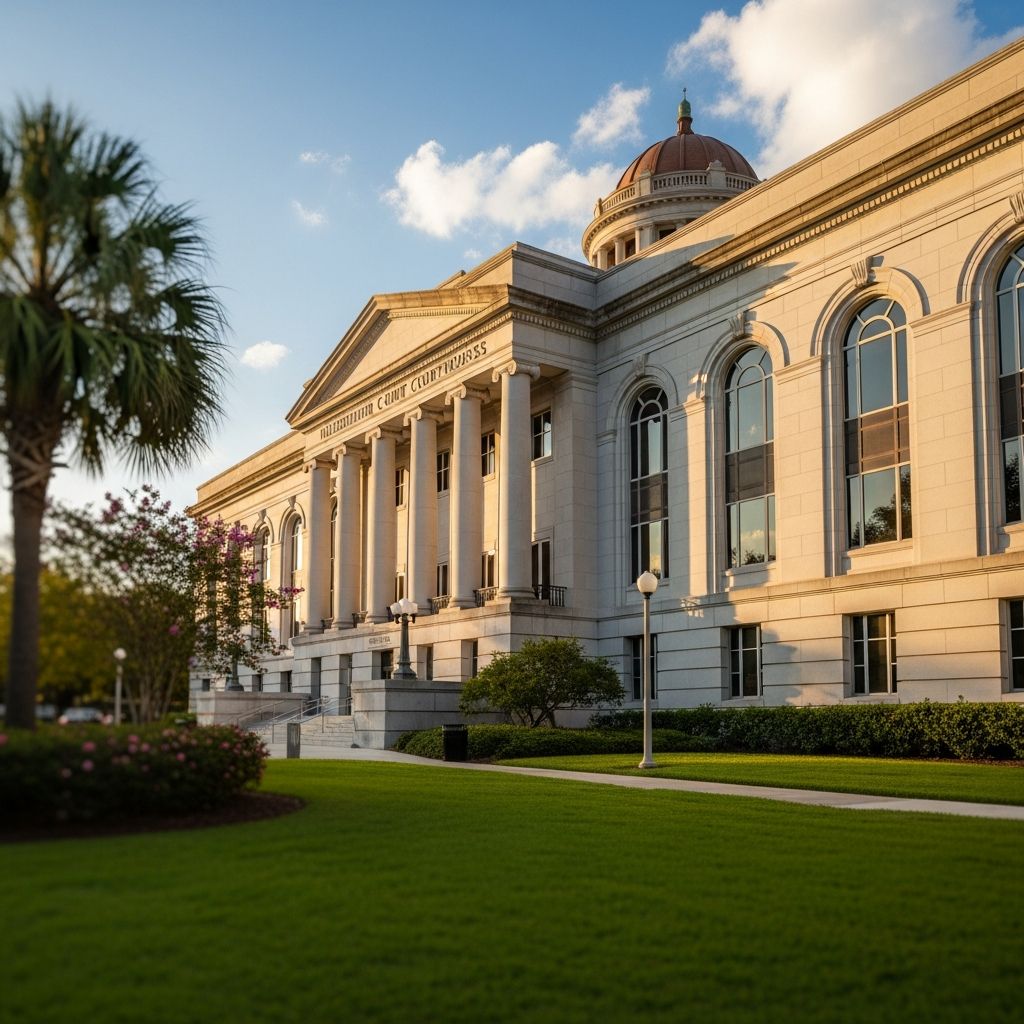
Tampa is home to several important courthouses that serve residents of Hillsborough County and people from across Florida and the United States. Understanding which building you need, what type of court your case is in, and how those courts fit into the broader Florida and federal systems can save you time, stress, and missed hearings.
This guide explains Tampa’s main courthouses, how Florida’s courts are structured, and what to expect when you arrive for traffic tickets, family law matters, criminal cases, civil lawsuits, or federal proceedings.
1. How Florida’s Courts Are Organized
Every courthouse in Tampa is part of either the Florida state court system or the federal court system. Knowing the difference helps you understand where your case belongs.
1.1 Florida State Courts in a Snapshot
The Florida Constitution places all state judicial power in four levels of courts: the Supreme Court, District Courts of Appeal, Circuit Courts, and County Courts. Each has a different role and type of case it handles.
- Florida Supreme Court – the state’s highest court, based in Tallahassee; it reviews certain appeals and has statewide authority over Florida law.
- District Courts of Appeal (DCAs) – intermediate appellate courts that review decisions from the trial courts.
- Circuit Courts – trial courts of general jurisdiction that handle major civil cases, felonies, and many family and probate matters.
- County Courts – local trial courts that handle misdemeanors, most traffic cases, and smaller civil disputes.
Tampa is in the Thirteenth Judicial Circuit, which is the circuit court serving Hillsborough County. Hillsborough also has its own county court; both levels share space in Tampa courthouses.
1.2 Federal Courts Serving Tampa
Federal courts operate separately from state courts. The federal system has three main levels: U.S. District Courts (trial courts), U.S. Courts of Appeals, and the U.S. Supreme Court. Tampa is part of the Middle District of Florida, one of Florida’s three federal judicial districts.
- U.S. District Court – the federal trial court where most federal cases start; Tampa has its own division in the Middle District of Florida.
- U.S. Courts of Appeals – review appeals from the district courts; Florida is in the Eleventh Circuit.
- U.S. Supreme Court – the highest federal court.
In practice, if your case involves federal law, federal agencies, or parties from different states with a large amount of money at issue, it may be filed in the federal courthouse rather than a Tampa state courthouse.
2. Types of Cases You’ll See in Tampa Courthouses
Before you look up an address or plan your visit, it helps to identify what type of case you have. That usually determines whether you go to a county court, a circuit court, or the federal district court.
| Type of Case | Typical Court in Tampa | Common Examples |
|---|---|---|
| Traffic tickets and minor violations | Hillsborough County Court | Speeding, red-light tickets, non-criminal traffic infractions |
| Misdemeanor criminal charges | Hillsborough County Court | Some first-offense DUIs, petty theft, disorderly conduct |
| Felony criminal cases | Thirteenth Judicial Circuit Court | Burglary, serious drug offenses, robbery, homicide |
| Smaller civil disputes | Hillsborough County Court | Landlord–tenant disputes, lower-value contract claims |
| Higher-value civil cases | Thirteenth Judicial Circuit Court | Personal injury suits, larger contract cases, business disputes |
| Family law and juvenile matters | Thirteenth Judicial Circuit Court | Divorce, child custody, dependency, delinquency |
| Probate and guardianship | Thirteenth Judicial Circuit Court | Wills, estates, guardianships, mental health proceedings |
| Federal civil or criminal cases | U.S. District Court, Middle District of Florida – Tampa Division | Federal crimes, civil rights, maritime, federal agency actions |
3. Key Tampa Courthouses and What They Do
Several buildings in and around downtown Tampa host state and federal courts. Names and assignments can change over time, so always check your notices or the court’s website before you go.
3.1 Hillsborough County Courthouse Facilities
Within Hillsborough County, state court operations are organized under the Thirteenth Judicial Circuit. The circuit’s official website provides online access to calendars, forms, and e-services. Tampa-area courthouse facilities generally host:
- County court divisions – handling traffic, small claims, and misdemeanor matters.
- Circuit civil and criminal divisions – handling larger civil cases and felony prosecutions.
- Family law, probate, and juvenile divisions – dealing with domestic cases, estates, guardianships, and juvenile proceedings.
While specific building names and addresses may differ, expect most in-person state court hearings for Tampa and greater Hillsborough County to take place in or near downtown Tampa, with some services available in outlying locations for convenience.
3.2 Federal Courthouse in Tampa
The Tampa Division of the U.S. District Court for the Middle District of Florida hears federal civil and criminal cases for a large region of west-central Florida. This district includes multiple counties, and court is held in Tampa and several other cities.
Cases in this building typically involve:
- Federal criminal prosecutions brought by the U.S. Attorney’s Office.
- Civil suits based on federal statutes (for example, employment discrimination, civil rights, or federal benefits).
- Cases between residents of different states where the amount in controversy is large enough for federal jurisdiction.
- Appeals from some federal agency decisions.
Security is usually stricter in federal courthouses than in most local state buildings. Many federal courts restrict or prohibit personal electronic devices unless you have special permission, and all visitors must pass through screening similar to airport security.
4. Practical Tips for Visiting a Tampa Courthouse
Regardless of which courthouse you visit, a little preparation can make your trip smoother and help you avoid unnecessary delays or missed hearings.
4.1 Before You Go
- Confirm your location – Review your notice or court paperwork to identify the exact building name, courtroom number, date, and time. If you are unsure, contact the clerk of court or your attorney.
- Check online resources – Many Hillsborough County and Thirteenth Judicial Circuit services, including forms and some payments, are available online.
- Allow extra time – Plan to arrive at least 30–45 minutes early to clear security, find your courtroom, and speak with your attorney if needed.
- Gather documents – Bring your notice of hearing, photo ID, case number, and any papers or evidence you were told to bring.
4.2 Security and Building Rules
Courthouses are secure public buildings, and security procedures protect judges, staff, and visitors. While rules vary by building, you should expect the following:
- Entry screening – You will pass through a metal detector; bags and personal items will be scanned or inspected.
- Restrictions on weapons and sharp objects – Firearms, knives, pepper spray, and similar items are usually prohibited.
- Limits on electronics – State courthouses may allow cell phones with restrictions; many federal courts limit or ban personal devices unless you are an attorney or have an order granting permission.
- Dress expectations – Business-casual or neat clothing is generally appropriate; avoid hats, tank tops, or clothing with offensive language.
4.3 Check-In and Courtroom Etiquette
Once inside the courthouse:
- Find the correct floor and courtroom – Wall monitors or directory boards usually list daily dockets and room assignments.
- Sign in if required – Some courtrooms or clerk’s windows require you to check in with a bailiff or clerk.
- Be respectful and quiet – Turn phones to silent, avoid talking while court is in session, and follow directions from the judge and bailiff.
- Address the judge properly – Use “Your Honor,” speak clearly, and only when invited to do so.
5. Common Reasons to Visit a Tampa Courthouse
People come to Tampa courthouses for more than just trials. Many visits involve administrative tasks or short hearings. Here are some frequent reasons you might find yourself at a Tampa courthouse or clerk’s office.
5.1 Traffic and Minor Offenses
- Paying or contesting a traffic ticket.
- Attending a hearing for a non-criminal traffic infraction.
- Handling a driver’s license-related matter ordered by the court.
These matters are typically handled in county court, often in dedicated traffic or misdemeanor divisions.
5.2 Family and Relationship Matters
- Filing for divorce or responding to a dissolution petition.
- Establishing or modifying child custody or time-sharing arrangements.
- Addressing child support or spousal support issues.
- Seeking or responding to a domestic violence or other protective injunction.
Family law cases in Hillsborough County are generally handled in the circuit court’s family division.
5.3 Civil Lawsuits and Small Claims
Civil disputes may be filed in county or circuit court depending on the amount in controversy and the subject matter.
- Small claims and county civil – Smaller disputes, such as landlord–tenant actions, unpaid bills, and modest contract disagreements.
- Circuit civil – Larger cases, including personal injury, medical malpractice, business disputes, and complex commercial cases.
5.4 Criminal Cases
- County court criminal – Misdemeanors and local ordinance violations.
- Circuit criminal – Felony charges, including serious offenses and cases with higher potential penalties.
- Federal criminal – Offenses investigated by federal agencies, such as drug trafficking across state lines or certain financial crimes, are prosecuted in federal district court.
5.5 Probate, Guardianship, and Mental Health
- Opening or administering an estate after a death.
- Seeking appointment of a guardian for a minor or incapacitated adult.
- Addressing certain mental health or substance-abuse-related court petitions.
These are typically handled in the circuit court’s probate and guardianship divisions.
6. Using Online Tools Before You Visit
Both state and federal courts now provide extensive online information that can reduce the need for in-person visits or help you prepare before entering a Tampa courthouse.
6.1 Hillsborough County and Thirteenth Circuit Resources
The Thirteenth Judicial Circuit’s website offers resources for litigants, lawyers, and the public, including access to local administrative orders, forms, and links to virtual services. Depending on your case type and the current court practices, you may be able to:
- Download and complete standardized family law or small-claims forms.
- Pay certain fines and fees online through the clerk of court.
- Check court calendars or dockets for upcoming hearings.
- Access instructions for remote or hybrid hearings.
6.2 Federal Court Online Access
The U.S. District Court for the Middle District of Florida offers access to case information through federal systems such as PACER and public terminal access within the courthouse. On the court’s website you can usually:
- Review local rules and administrative orders.
- Find filing instructions and fee schedules.
- Check calendars for federal judges in the Tampa Division.
- Look up general information about jury service and visitor procedures.
7. Frequently Asked Questions About Tampa Courthouses
Q1: How do I know whether my case is in county court, circuit court, or federal court?
Look at your court paperwork or online docket. In Tampa, county court generally handles traffic cases, misdemeanors, and smaller civil disputes, while circuit court handles felonies, larger civil cases, and most family, probate, and juvenile matters. Federal court is used for cases involving federal law, federal agencies, or certain disputes between citizens of different states.
Q2: Can I pay a traffic ticket without going to a Tampa courthouse?
Many traffic citations can be paid online or by mail through the Hillsborough County clerk, but options depend on the type of violation and whether you want to contest the ticket. Check the instructions printed on your citation or the clerk’s website before deciding whether you must appear.
Q3: What should I bring to my first court appearance?
Bring a government-issued photo ID, your hearing notice, your case number, and any documents or evidence your attorney or the court has asked you to provide. If you have an attorney, ask them in advance what else you should bring, and confirm which courthouse and courtroom to report to.
Q4: Are children allowed in the courtroom?
Children are generally allowed in courthouses, but judges may limit who can be present during certain hearings, especially in sensitive family or juvenile matters. When possible, arrange childcare, as long hearings can be difficult for children, and disruptive behavior can delay proceedings.
Q5: Do I need a lawyer for my Tampa court case?
You are not required to have a lawyer in many civil, traffic, and some family matters, but legal advice can be very important, especially in cases involving possible jail time, large sums of money, or long-term consequences like custody. If you cannot afford an attorney in a criminal case, you may qualify for a public defender.
References
- Florida State Courts System — Florida Supreme Court / Florida Courts. 2024-01-01 (page updated date or latest revision). https://www.flcourts.gov/Florida-Courts
- State Courts System — Office of Program Policy Analysis and Government Accountability (OPPAGA), Florida Legislature. 2023-07-01. https://oppaga.fl.gov/ProgramSummary/ProgramDetail?programNumber=1072
- Federal and Florida Court System — Swisher Library, Jacksonville University. 2022-09-15. https://library.ju.edu/court-systems/federal-court
- Federal Judicial Districts of Florida — U.S. District Court, Southern District of Florida. 2021-06-30. https://www.flsd.uscourts.gov/federal-judicial-districts-florida
- Thirteenth Judicial Circuit Court (Hillsborough County) — Administrative Office of the Courts, Thirteenth Judicial Circuit. 2024-03-01. https://www.fljud13.org
- Florida Case Law: Introduction — Levin College of Law, University of Florida. 2021-08-10. https://guides.law.ufl.edu/floridacaselaw
Similar Articles








Read full bio of medha deb


