
Navigating Small Claims Court: A Practical Guide
Learn how small claims court works, from deciding to sue to collecting a judgment, in clear everyday language.
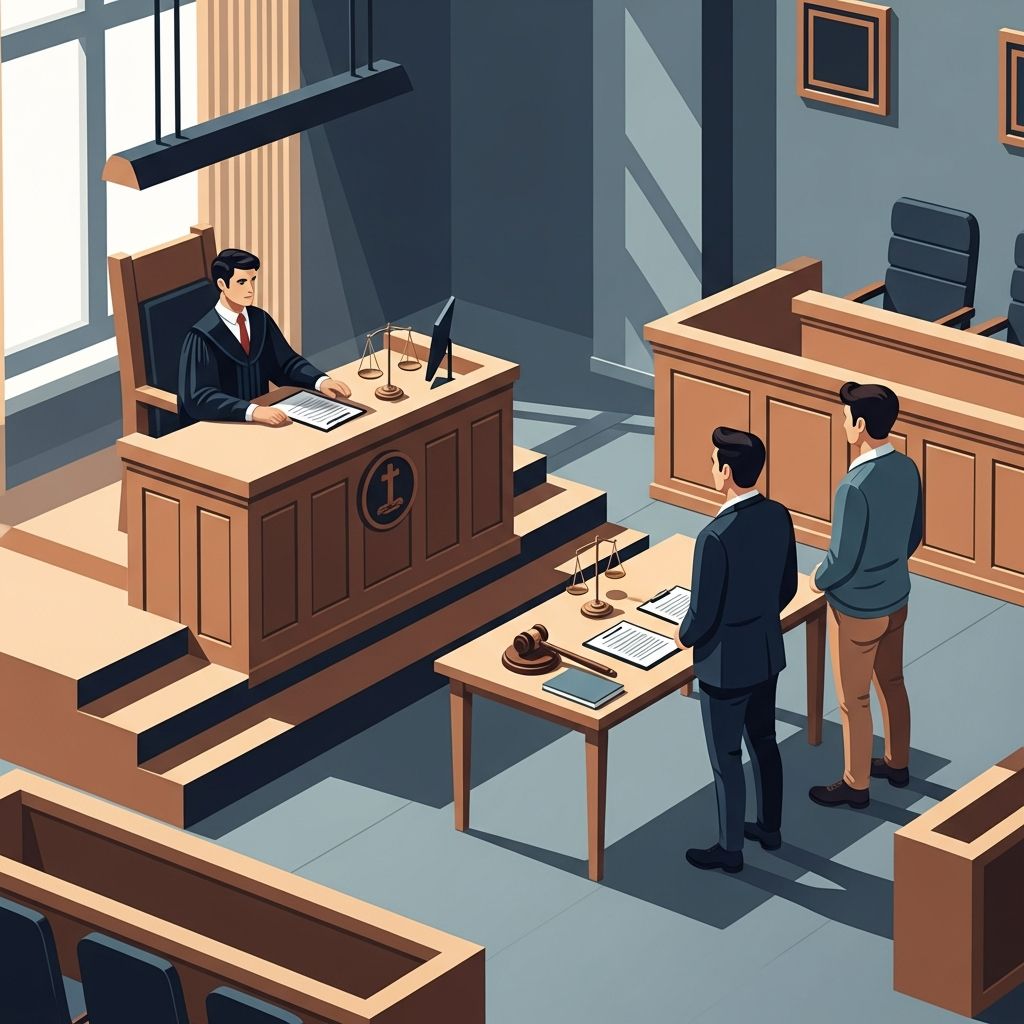
Small claims court offers an affordable, streamlined way to resolve many everyday money disputes without hiring a lawyer. It is designed for ordinary people, not legal experts, and it focuses on relatively modest amounts of money under a set dollar limit that varies by state.
This guide walks through what small claims court is, when it makes sense to use it, how to start a case, what to expect at the hearing, and what happens after the judge reaches a decision.
1. Understanding What Small Claims Court Is
In most U.S. states, a small claims court is a part of the state trial court system that hears civil disputes below a specific dollar limit, often somewhere between a few thousand dollars and around $25,000, depending on the state. These cases are civil, not criminal, and usually involve money, property, or simple contract issues rather than serious injuries or complex legal questions.
1.1 Key Features of Small Claims Court
- Monetary limits: Each state sets a maximum amount you can ask for; some are as low as a few thousand dollars, others allow claims into the tens of thousands.
- Simplified procedures: Rules of evidence and procedure are streamlined to make the process quicker and less expensive.
- Self-representation is common: Many people represent themselves without lawyers, and some states even prohibit lawyers in small claims hearings.
- Civil disputes only: Typical cases involve unpaid debts, damage to property, security deposits, or simple contract disputes; criminal matters are not heard in small claims.
- Binding judgments: The court’s decision is a formal judgment with the same legal force as decisions in other trial courts.
1.2 Typical Types of Small Claims Cases
While every state has its own rules about what can be filed, small claims courts often hear disputes such as:
- Unpaid rent, utility bills, or personal loans
- Damage to a vehicle or other property after a minor accident
- Disputes between landlords and tenants over security deposits
- Claims involving poor workmanship or incomplete services
- Return of purchased items or refund disputes when limited in amount
Some issues, like divorces, child custody, serious personal injury, or complex business disputes, are not appropriate for small claims and must be filed in other courts.
2. Deciding Whether Small Claims Court Is Right for You
Before filing a case, it is worth carefully considering whether small claims court is the right tool for your situation. Courts and state self-help centers often encourage people to first attempt an informal resolution, such as direct negotiation or mediation, to save time and cost.
2.1 Questions to Ask Before You Sue
- Is your claim under the dollar limit? Check the current small claims limit in your state or local court.
- Is the dispute primarily about money or property? Small claims courts usually focus on limited civil financial disputes rather than complex rights or long-term orders.
- Can you identify the right defendant? You must know who to sue (a person, a business, or sometimes both) and where they can be served.
- Is the defendant likely to pay? Winning a judgment is only useful if the defendant has wages, assets, or income you can collect from.
- Are you within the time limit? Each state has statutes of limitation that set deadlines to file different types of claims.
2.2 Pros and Cons of Using Small Claims Court
| Benefit | Drawback |
|---|---|
| Lower filing fees than most regular civil cases | Strict dollar caps limit how much you can recover |
| Informal rules make it easier for non-lawyers | The informality can feel unpredictable or intimidating to some people |
| Cases are usually scheduled and resolved more quickly than many larger lawsuits | Appeal rights may be limited compared with higher courts |
| Often no lawyers are needed, saving legal fees | You must prepare and present your own case, which takes time and effort |
| Judgment has full legal effect and can be enforced | Collecting the judgment is usually your responsibility, not the court’s |
3. Getting Ready to File a Small Claims Case
Once you decide that small claims court is appropriate, the next step is to prepare your claim. State court self-help resources provide checklists, forms, and detailed directions to help you get started.
3.1 Learn Your Court’s Specific Rules
Although small claims courts share common features, every state—and often every county—has its own procedures. You should review:
- Who may file and who may be sued (individuals, businesses, or both)
- Monetary limits and any special exceptions
- Where to file (which county or district) based on where the dispute occurred or where the defendant lives or does business
- Filing fees and available fee waivers
- Whether lawyers are allowed, optional, or barred at the hearing
3.2 Clarify Your Claim
Before filling out paperwork, clearly define:
- What you are asking for: a specific dollar amount, the return of property, or both.
- Why you believe the defendant owes you money or property: for example, a broken promise, damage caused, or a bill that has not been paid.
- When the events occurred: dates of the agreement, payments, damage, or attempts to resolve the dispute.
This clarity helps when you complete the court forms and later when you present your case to the judge.
3.3 Collect and Organize Your Evidence
Even though small claims procedures are informal, you still must prove your claim with evidence the judge can review. Helpful materials might include:
- Written contracts, leases, work orders, or receipts
- Text messages, emails, or letters related to the dispute
- Photographs, videos, or repair estimates showing damage or poor workmanship
- Bank statements, canceled checks, or payment records
- Statements or testimony from witnesses who saw what happened
Make copies for yourself, the court, and the other side. Labeling exhibits and preparing a simple timeline can make your presentation clearer and more persuasive.
4. Filing the Case and Notifying the Other Side
Official small claims guides often boil the early process down to three steps: start the case, file your papers, and properly serve the other side with notice of the claim.
4.1 Completing Court Forms
Most courts provide standardized forms or online tools for starting a small claims case. You will typically need to provide:
- Your full name and contact information
- The defendant’s correct legal name and address (home, workplace, or registered office)
- The amount you are claiming and a short explanation of why it is owed
- The date and place where the events occurred
Once completed, the forms are filed with the court clerk, usually along with a filing fee. Some courts allow fee waivers if you cannot afford to pay.
4.2 Service of Process: Giving Legal Notice
After you file your claim, the defendant must receive formal notice of the case, called service of process. Service rules protect both sides by ensuring the defendant knows about the lawsuit and has a chance to respond.
Common methods of service include:
- Delivery by a sheriff or marshal’s office
- Delivery by a licensed private process server
- In some states, certified or registered mail with a return receipt
The person serving the papers usually completes a document called a proof of service or return of service, which is then filed with the court to show that notice was properly given. If service is not done correctly, the hearing may be postponed, or the case may be dismissed.
5. Preparing for the Hearing
Once your case is scheduled, both you and the defendant will have an opportunity to be heard. Many courts emphasize that small claims trials are “informal” but still structured: witnesses are sworn, and the judge admits evidence that appears relevant and reliable.
5.1 Organizing Your Presentation
Think about how you will explain your side of the story to the judge in a clear, factual, and concise way. A helpful preparation plan might include:
- Creating a short outline of key events in order
- Deciding which documents best support each part of your story
- Preparing specific questions for any witnesses you plan to bring
- Practicing a brief opening explanation of what you are asking the court to do
Judges in small claims courts often ask questions to clarify the facts and focus on the central issues, so be ready to answer directly and honestly.
5.2 What to Expect on the Court Date
Although details vary by location, many small claims hearings follow a similar pattern:
- Cases are called in order; both parties come forward when their case is announced.
- The judge briefly explains the process and may ask if settlement is still possible.
- The person who filed the claim (the plaintiff) usually speaks first, presents evidence, and calls witnesses.
- The defendant then has the opportunity to respond, present their own evidence, and question the plaintiff’s witnesses.
- The judge may ask additional questions to clear up confusion or fill in missing facts.
- After hearing both sides, the judge either announces the decision immediately or issues a written decision later.
In some courts, if the defendant does not appear and has been properly served, the judge may enter a default judgment in favor of the plaintiff.
6. After the Decision: Collecting or Challenging a Judgment
Once the judge decides your case, the result is a formal judgment. That judgment determines who owes what, if anything. Courts typically provide information on what to do after the trial, including how to collect money or what options the losing party has.
6.1 If You Win Your Case
A judgment that says the defendant owes you money does not automatically guarantee payment. You may need to take extra steps to collect. Possible enforcement tools, which vary by state law, can include:
- Wage garnishment (having a portion of the defendant’s wages directed to you)
- Bank account levies, where permitted by law
- Liens against certain property the defendant owns
State law governs what income and property are protected from collection and what procedures you must follow. Court self-help centers and official legal information sites can explain what remedies are available in your jurisdiction.
6.2 If You Lose or Disagree with the Outcome
If the judge rules against you, you may still have options, though they can be limited in small claims cases. Depending on state law, possibilities may include:
- Filing an appeal to a higher court within a short deadline
- Requesting the court to correct a clear clerical error in the judgment
- Negotiating a payment plan or settlement with the other side
You remain legally obligated to follow the judgment unless it is changed on appeal or modified by the court. Ignoring a judgment can lead to collection actions or, in rare situations, contempt findings.
7. Practical Tips for Success in Small Claims Court
Court systems consistently emphasize preparation and respect for the process as key to a productive small claims experience.
7.1 Do’s and Don’ts
- Do arrive early, dress neatly, and bring all your evidence and witnesses.
- Do speak clearly, stay on topic, and address your remarks to the judge, not the other party.
- Do listen carefully when the judge or the opposing party is speaking; take notes if needed.
- Don’t interrupt the judge or the other side; wait until it is your turn to speak.
- Don’t rely on guesswork; stick to facts you can prove or clearly remember.
- Don’t assume the judge knows your story—explain it briefly but completely, starting with the most important points.
7.2 When to Seek Additional Legal Help
Even though small claims courts are built for self-representation, some people benefit from legal advice before filing, especially when:
- The dispute touches on complicated areas of law, such as business relationships or consumer protection rules.
- The amount at stake is close to the court’s limit and you may need to decide whether small claims is sufficient.
- You are unsure whom to sue or which court is the proper place to file.
Many legal aid organizations, state bar associations, and court-based help centers can provide limited-scope advice or educational materials for free or at low cost.
Frequently Asked Questions About Small Claims Court
Q: Do I need a lawyer to go to small claims court?
A: In many jurisdictions, parties commonly represent themselves, and some states even prohibit attorneys from appearing in small claims hearings. However, you may still seek legal advice before or after the hearing, and some courts allow lawyers in certain situations.
Q: What happens if the other side doesn’t show up?
A: If the defendant was properly served and fails to appear without asking for a postponement, the judge may enter a default judgment in favor of the plaintiff. The plaintiff still usually must briefly explain the claim and provide basic proof.
Q: Can I bring witnesses or documents to support my case?
A: Yes. Witnesses are generally placed under oath, and the judge may admit any evidence that appears relevant and helpful, even if the rules of evidence are less formal than in higher courts.
Q: How long does a small claims case usually take?
A: Small claims cases typically move faster than regular civil lawsuits. Many courts schedule hearings within weeks or a few months after filing, though exact timelines depend on local court calendars and how quickly service of process is completed.
Q: Is the judge’s decision final?
A: The judgment is legally binding, and both sides must follow it. Some states allow limited appeals, often with strict deadlines and special rules, while others restrict appeals in small claims or provide them only to one side. You should check your local court’s rules on appeals.
References
- small claims court — Legal Information Institute, Cornell Law School. 2021-07-01. https://www.law.cornell.edu/wex/small_claims_court
- Small claims court — California Courts, Self-Help Guide. 2024-01-01. https://selfhelp.courts.ca.gov/small-claims
- Small Claims — Virginia Judicial System Court Self-Help. 2023-01-01. https://selfhelp.vacourts.gov/node/11/small-claims
- Small Claims Court Defendants — Nebraska Judicial Branch. 2022-01-01. https://nebraskajudicial.gov/administration/self-represented-litigant-resources/small-claims-court-defendants
- Small Claims Court — CTLawHelp.org. 2023-06-01. https://ctlawhelp.org/small-claims-court
- Guide to Small Claims Court — Arkansas Attorney General. 2022-05-01. https://arkansasag.gov/divisions/public-protection/legal-resources/guide-to-small-claims-court/
- Small Claims Court — Wikipedia (consulted for background, not relied on as a primary authority). 2024-01-01. https://en.wikipedia.org/wiki/Small_claims_court
Similar Articles








Read full bio of medha deb


