
Navigating Bail: How Release From Jail Really Works
Understand how bail is set, posted, and forfeited, and the options you may have to secure release after an arrest.
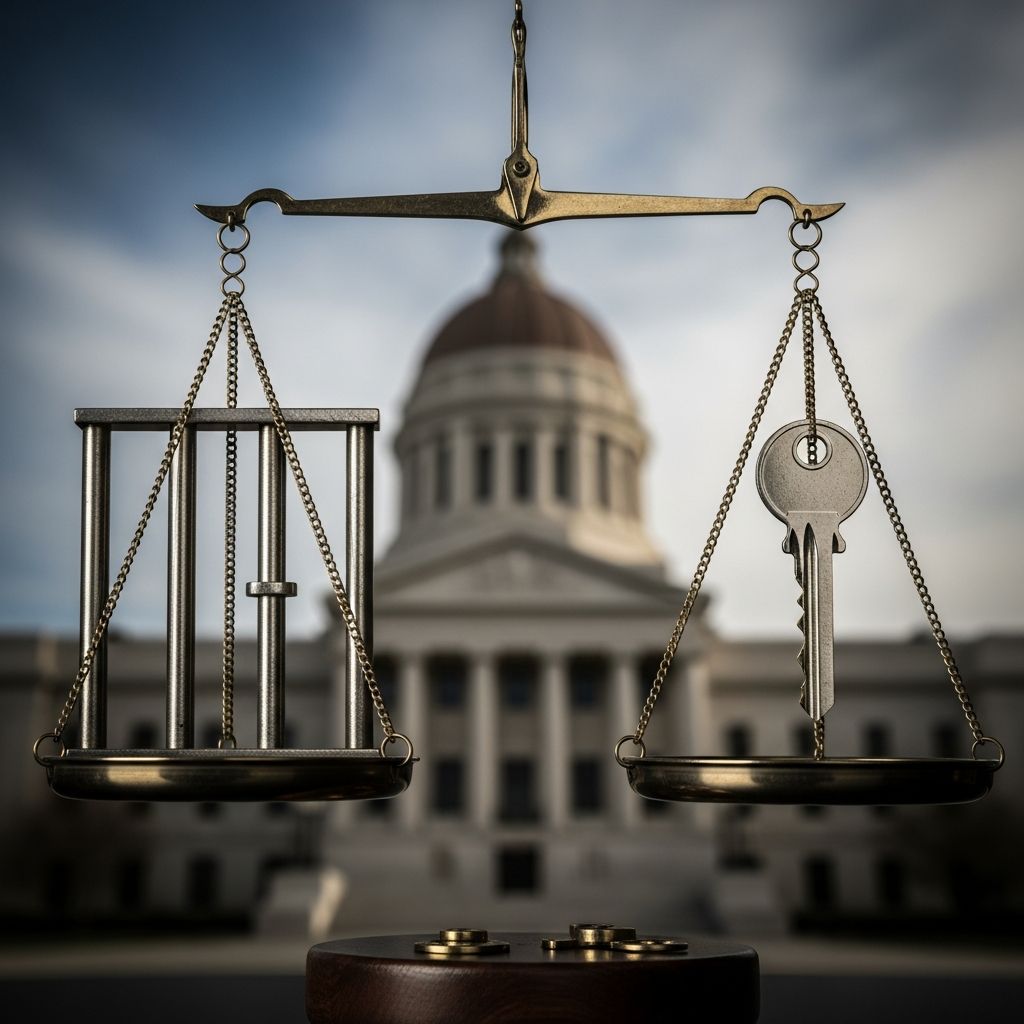
When someone is arrested, one of the first questions their family asks is how to get them out of jail. The answer usually involves bail or another type of pretrial release. This guide explains what bail is, how courts decide whether to grant it, different ways to post it, and what can happen if a person misses court or violates release conditions.
What Is Bail and Why Does It Exist?
Bail is a financial or legal guarantee that an arrested person will return to court and follow any conditions of release while their case is pending. In most U.S. jurisdictions, the purpose of bail is not to punish the accused, but to make sure they appear for hearings and to protect public safety before trial.
Under the Eighth Amendment to the U.S. Constitution, courts are prohibited from imposing excessive bail, but judges are not required to grant bail in every case. If a judge concludes that no conditions can reasonably assure a defendant’s appearance or public safety, bail can be denied altogether.
From Arrest to Bail: The Early Stages
The process that leads to a bail decision generally follows a predictable sequence, though details vary by state and by whether the case is in state or federal court.
- Arrest and booking: Police detain the individual, record personal information, take fingerprints and photographs, and lodge formal charges.
- Initial custody: The person is usually held in a local jail or detention facility until they see a judge or magistrate.
- First appearance or arraignment: A judge informs the defendant of the charges and rights, and may set bail or other conditions of release at this stage.
- Bail hearing: In more serious or contested cases, a separate bail hearing is held where the court decides whether release is appropriate and under what terms.
In federal cases, a magistrate judge must decide whether to detain or release the accused under the Bail Reform Act of 1984 and related statutes. Federal law instructs courts to use the least restrictive conditions that reasonably assure appearance and community safety.
How Judges Decide Whether to Grant Bail
Judges take multiple factors into account when they decide whether to grant bail and, if so, in what amount. The goal is to balance the defendant’s liberty against risks to public safety and the likelihood the person will return to court.
| Factor | How It Can Affect Bail |
|---|---|
| Seriousness of the charge | More serious or violent charges usually lead to higher bail or outright detention. |
| Criminal history | Prior convictions or prior failures to appear increase the risk assessment and may raise bail. |
| Flight risk | Lack of stable residence, weak community ties, or access to significant resources can lead to higher bail or detention. |
| Risk to public safety | If the court believes the person may commit new crimes or harm others if released, bail can be increased or denied. |
| Community and family ties | Strong ties to local family, work, or school can support lower bail or recognizance release. |
| Financial resources | Courts may consider the person’s ability to pay when setting an amount designed to assure appearance, not to keep them jailed solely for poverty. |
In some jurisdictions, judges also use pretrial risk assessment tools that incorporate data about criminal history, age, and prior court attendance to estimate the likelihood of failure to appear or reoffending.
Common Types of Bail and Pretrial Release
Courts can choose from several types of bail and non-financial release options. The available choices depend on state law and local practice.
Release Without Paying Money Up Front
- Release on own recognizance (ROR or OR)
A defendant is released based on a written promise to appear in court and follow conditions, without paying money at the outset. This is often used for lower-level charges and people considered low risk. - Unsecured or personal bond
The court sets an amount of bail, but the defendant does not pay it unless they fail to appear or violate terms.
Financial Bail Options
- Cash bail
The full bail amount is paid directly to the court or jail, usually by the defendant or family. If all conditions are met and court appearances are completed, the money is generally refunded, minus any court fees or fines. - Surety bond through a bail agent
A licensed bail bond company agrees to pay the full bail amount if the defendant fails to appear. In exchange, the family typically pays a non-refundable fee, often around 10% of the bail, and may provide collateral (such as a home or vehicle). - Property bond
Real estate or other valuable property is pledged to secure release. If the defendant absconds, the court can foreclose or seize the property to cover the bail amount.
Supervised and Program-Based Releases
- Supervised pretrial release
The defendant may check in regularly with a pretrial services officer, submit to drug testing, or comply with other supervision conditions in lieu of or in addition to money bail. - Nonfinancial conditions
Courts can impose conditions such as curfews, electronic monitoring, stay-away orders, or travel limits to manage risk without necessarily requiring high cash bail.
Conditions That Often Accompany Bail
Whether bail is financial or not, courts usually attach specific conditions to release. These conditions are designed to protect public safety and maintain the integrity of the court process.
- No new criminal law violations.
- Appear at all court dates and obey all court orders.
- Avoid contact with alleged victims or witnesses.
- Abide by travel restrictions or surrender a passport.
- Maintain or seek employment or schooling.
- Submit to drug or alcohol testing or treatment.
- Do not possess firearms or dangerous weapons.
In federal court, the judge must choose the least restrictive combination of conditions that reasonably assures appearance and community safety, which can include many of the requirements listed above.
How to Post Bail in Practice
Once bail is set, there are several practical routes to securing release:
- Paying cash at the jail or courthouse: Family or friends can often post bail in person at the facility that holds the defendant or at the clerk’s office.
- Using a bail bond agent: The family signs a contract with a bondsman, pays the fee, and may pledge collateral. The bondsman then posts a surety bond with the court.
- Arranging a property bond: This usually requires documentation of ownership and equity and may take longer to process than cash bail.
- Requesting a lower bail amount: A defense attorney can file a motion for bail reduction or reconsideration, arguing that the initial amount is excessive or unaffordable in light of the defendant’s circumstances.
Timelines vary. Some people can be released within a few hours of posting bail, while others may wait longer for administrative processing or transport.
When Bail Is Denied
Courts can deny bail if they conclude that no set of conditions can reasonably address flight risk or danger to the community. This is more common in cases involving:
- Serious violent felonies
- Significant risk of witness intimidation or obstruction
- Defendants with a history of failing to appear
- National security or high-level drug trafficking charges
In federal cases, the Bail Reform Act allows pretrial detention if the government shows that no conditions will reasonably assure appearance and safety, based on statutory factors such as the nature of the offense and the defendant’s record.
What Happens If You Miss Court or Violate Conditions?
Failing to honor bail conditions can have serious consequences that go beyond simply being returned to jail.
- Bail forfeiture: If a defendant fails to appear, the court can declare the bail forfeited. Cash bail may be kept by the court, and property or surety bonds can be collected or foreclosed.
- New criminal charges: Many states treat bail jumping or failure to appear as separate crimes, which can lead to additional penalties on top of the original case.
- Warrants and arrest: Courts usually issue a bench warrant that authorizes law enforcement to arrest the defendant.
- Stricter conditions or detention: If the defendant is re-arrested, the judge may impose higher bail or deny bail entirely.
- Liability for co-signers: If friends or relatives co-signed a surety bond, they may be financially responsible if the defendant fails to appear.
If there is a legitimate reason for missing court, such as a medical emergency, a defense attorney may be able to ask the judge to set aside the forfeiture or recall a warrant, but results are not guaranteed.
Critiques of Cash Bail and Emerging Alternatives
Cash bail has been widely criticized for its impact on low-income defendants who may stay in jail solely because they cannot afford to pay. Research shows that pretrial detention can increase pressure to plead guilty, even for people who might have strong defenses, simply so they can get out of jail. Long periods in custody before trial can also lead to job loss, housing instability, and family disruption.
In response, some jurisdictions have:
- Reduced reliance on cash bail for low-risk offenses.
- Created pretrial services programs that supervise defendants without requiring money.
- Implemented risk-based release decisions that focus on likelihood of appearance and safety rather than ability to pay.
- Eliminated cash bail for certain categories of offenses.
These reforms aim to maintain court appearance rates and public safety while reducing the number of people jailed simply because they are unable to afford bail.
Working With a Defense Attorney on Bail Issues
An experienced criminal defense lawyer can play a critical role in bail proceedings by:
- Presenting information about the defendant’s community ties, employment, and family responsibilities.
- Challenging the prosecution’s claims about risk or dangerousness.
- Requesting nonfinancial conditions or supervised release instead of high money bail.
- Filing motions to reduce bail or reconsider detention orders when circumstances change.
Because each jurisdiction has its own statutes, rules, and local customs about bail, direct advice from a lawyer familiar with the local courts is essential.
Frequently Asked Questions About Posting Bail
Q: Is bail always an option after an arrest?
No. Courts can deny bail in serious cases or when they conclude that no conditions will reasonably assure a defendant’s court appearance or protect public safety.
Q: Do I get my cash bail money back?
In many jurisdictions, cash bail is returned at the end of the case if the defendant appears as required, although courts may deduct fines, fees, or restitution. Exact rules differ by state and court.
Q: What is the difference between cash bail and a bail bond?
With cash bail, you pay the full amount to the court and may get most of it back when the case ends. With a bail bond, a private company posts the bond and charges a non-refundable fee, often around 10%, which you do not get back.
Q: Can bail be lowered after it is first set?
Yes. A defense attorney can request a bail reduction hearing and ask the judge to lower the amount or change the type of release based on financial hardship, new information, or changes in the case.
Q: What should I do if I know I will miss a court date?
Contact your attorney and the court as soon as possible. In some situations, your lawyer may be able to request a new date or address the issue before a warrant or forfeiture is ordered, but results depend on the court’s rules and discretion.
References
- Bail, Bonds, and Relevant Legal Concerns — Justia. 2024-01-10. https://www.justia.com/criminal/bail-bonds/
- Understanding Bail: What It Is and How It Works — King Rowe LLP. 2023-05-22. https://www.kingrowelaw.com/post/understanding-bail-what-it-is-and-how-it-works
- Understanding the Bail Process — Dan Mellen, Attorney at Law. 2023-09-15. https://danmellenattorney.com/blog-1/understanding-the-bail-process/
- Understanding the Federal Bail Process — Saland Law. 2022-11-03. https://www.new-york-lawyers.org/arrest-process/federal-arrest-process/understanding-the-federal-bail-process/
- What is Cash Bail? — The Bail Project. 2022-08-01. https://bailproject.org/bail/
- A Comprehensive Look at Bail in America’s Criminal Justice System — Shima Baradaran Baughman, Utah Law Review. 2017-01-01. https://dc.law.utah.edu/cgi/viewcontent.cgi?article=1109&context=scholarship
Similar Articles








Read full bio of Sneha Tete




