
Undefined Adverse Action Notices: 6 Steps To Protect Rights
Master the steps to understand, dispute, and respond effectively to adverse action letters in background checks.
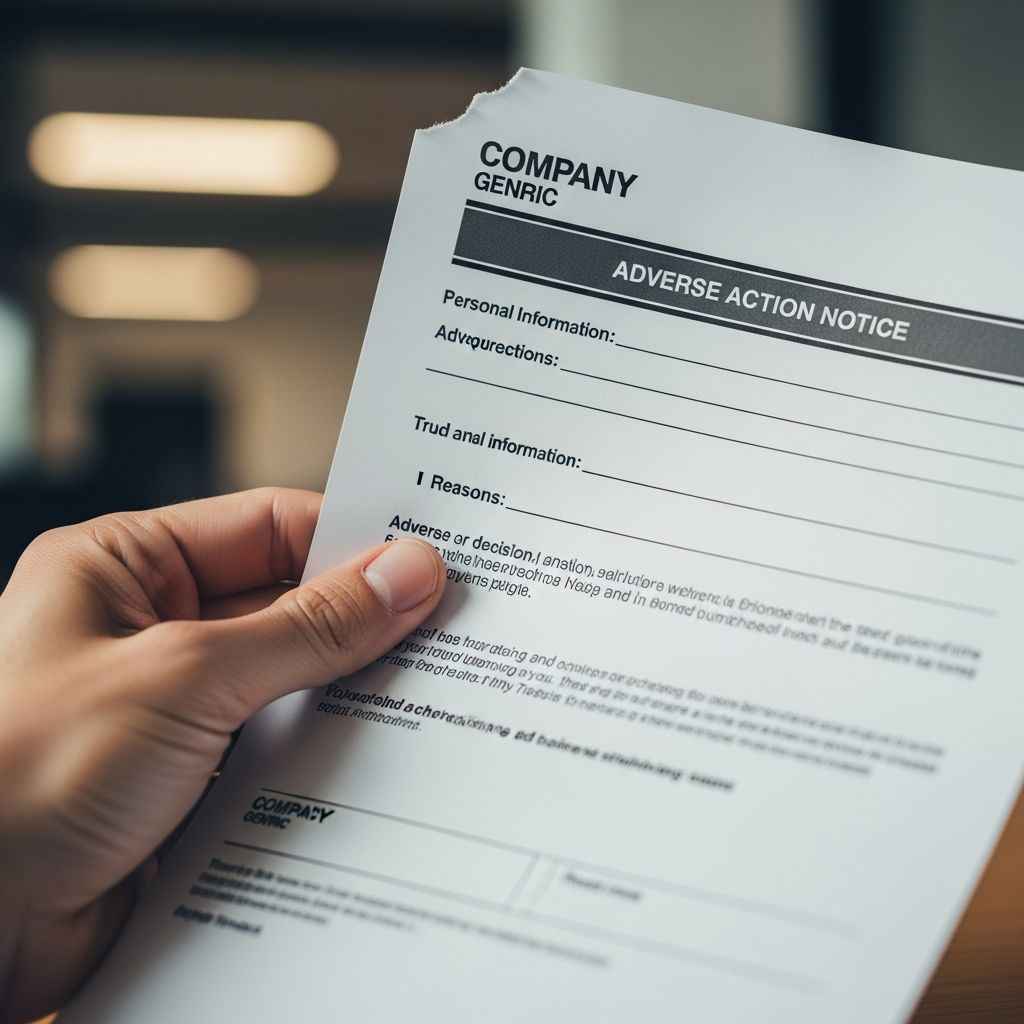
Receiving an adverse action notice can feel like a setback in your job search, but understanding its meaning and your legal protections empowers you to respond effectively. These notices, mandated by the Fair Credit Reporting Act (FCRA), inform candidates when background check results influence hiring decisions negatively. This comprehensive guide breaks down the process, your rights, and actionable steps to challenge inaccuracies or provide context.
Understanding Adverse Action in Hiring
An
adverse action
occurs when an employer decides against hiring, promoting, or retaining you based on background check findings. This includes rejecting applications, rescinding offers, demotions, or terminations linked to reports from consumer reporting agencies (CRAs).Under FCRA, employers must follow a structured process before finalizing such decisions. This protects applicants by giving them a chance to review and contest the information used against them. Common triggers include criminal records, credit issues, or employment history discrepancies, but the law ensures transparency.
The Three-Step Adverse Action Framework
Employers adhere to a mandatory three-step protocol to comply with FCRA, providing opportunities for input at key stages.
- Step 1: Pre-Adverse Action Notice
Sent when background results raise concerns but before a final call. Includes your report copy and FCRA rights summary. - Step 2: Review Period
Allows time (often 5+ business days) for you to dispute errors or explain context. - Step 3: Final Adverse Action Notice
Confirms the decision, reiterates rights, and provides CRA contact details.
This framework prevents snap judgments and upholds fairness in hiring.
Key Elements of a Pre-Adverse Action Notice
The initial notice serves as your first alert. It must contain:
| Component | Description |
|---|---|
| Copy of Report | Full background check results prompting concern. |
| FCRA Summary | Outlines rights to dispute and obtain free reports. |
| Dispute Instructions | Details on contacting the CRA for corrections. |
| Employer Statement | Indicates consideration of adverse action, not finality. |
Electronic delivery is allowed if it mirrors hard-copy standards.
Your Rights Under the FCRA
The FCRA grants specific protections during background-based decisions:
- Right to a free copy of your report within 60 days.
- Ability to dispute inaccuracies directly with the CRA.
- Notification of the CRA’s name, address, and contact info.
- Clarification that the employer’s choice, not the CRA’s report, drives the decision.
These rights ensure accuracy; CRAs must investigate disputes within 30 days.
Step-by-Step Guide to Responding
1. Carefully Review the Notice and Report
Examine every detail immediately. Note dates, names, and specifics flagged as problematic. Cross-check against personal records for errors like mistaken identities or outdated info.
2. Verify Information Accuracy
Compare the report to official sources, such as court records or prior employers. Errors occur in up to 30% of checks due to data mismatches.
3. Dispute Errors with the CRA
Submit a written dispute to the CRA listed, including evidence like court dismissals or ID proofs. They must block disputed info during review.
4. Contact the Employer Directly
Politely request a discussion. Provide context, such as rehabilitation evidence or job relevance explanations. This can sway reconsiderations.
5. Monitor CRA Investigation
Expect updates within 30 days. Request the revised report to share with the employer.
6. Escalate if Needed
If violations occur, file complaints with the Consumer Financial Protection Bureau (CFPB) or consult an attorney.
Common Mistakes to Avoid When Responding
- Ignoring the notice, forfeiting your response window.
- Delaying disputes, allowing flawed info to stand.
- Failing to document all communications.
- Assuming employer disinterest in explanations.
- Overlooking state-specific laws enhancing FCRA.
Avoiding these keeps your options open.
Sample Response Letter Template
Use this customizable template for employer outreach:
Dear [Hiring Manager],
I received your pre-adverse action notice dated [Date]. I dispute [specific item] as inaccurate/outdated because [explain with evidence]. Attached are supporting documents. I welcome a discussion on my qualifications.
Thank you,
[Your Name]
Keep it concise, professional, and evidence-based.
When to Seek Legal Help
Consult a lawyer if you suspect FCRA non-compliance, discrimination, or repeated issues. Damages can include statutory penalties up to $1,000 per violation, plus attorney fees.
Organizations like the FTC offer free resources for self-advocacy.
Preventing Future Adverse Actions
Proactively run self-checks via services like AnnualCreditReport.com. Address public records promptly and prepare explanations for legitimate history points.
Frequently Asked Questions
What if the adverse action is based on a criminal record?
Employers must consider factors like time elapsed and job relevance per EEOC guidelines. Provide rehabilitation proof to strengthen your case.
How long do I have to respond to a pre-adverse notice?
Typically 5 business days, but act immediately as employers may proceed sooner.
Can adverse actions apply to current employees?
Yes, for promotions, transfers, or discipline based on checks.
What if the CRA doesn’t fix my report?
Add a 100-word statement of dispute to future reports and notify the employer.
Are there state laws stricter than FCRA?
Yes, states like California require additional notices; check local rules.
References
- What Does Adverse Action Mean?
> — GoodHire. 2023. https://www.goodhire.com/blog/what-does-adverse-action-mean/ - What is an Adverse Action? Definition, Process, and Best Practices — Yardstik. 2024. https://yardstik.com/blog/adverse-action/
- Understanding & Simplifying Adverse Action — One Source Background. 2023. https://onesourcebackground.com/blog/understanding-simplifying-adverse-action
- Understanding Adverse Action In Employment Background Check — HireSafe. 2024. https://www.hiresafe.com/employment-background-check-compliance/what-is-adverse-action/
- What Does Adverse Action Mean and How To Handle It — ScoutLogic Screening. 2023. https://www.scoutlogicscreening.com/blog/what-does-adverse-action-mean/
- Adverse Action and Employment Background Check — iProspectCheck. 2024. https://iprospectcheck.com/the-adverse-action-process-and-how-it-applies-to-employment-background-checks/
- What is Adverse Action? Your Guide to the Adverse Action Process — Verified First. 2023. https://verifiedfirst.com/blog/what-is-adverse-action/
- Adverse Action Notice Requirements Under the ECOA and the FCRA — Consumer Compliance Outlook (Federal Reserve Bank of Boston). 2013-06-01. https://www.consumercomplianceoutlook.org/2013/second-quarter/adverse-action-notice-requirements-under-ecoa-fcra/
Similar Articles








Read full bio of medha deb


