
Shadows of Suspicion: National Security & AAPI Civil Rights
Examining national security policies and their impact on AAPI communities.
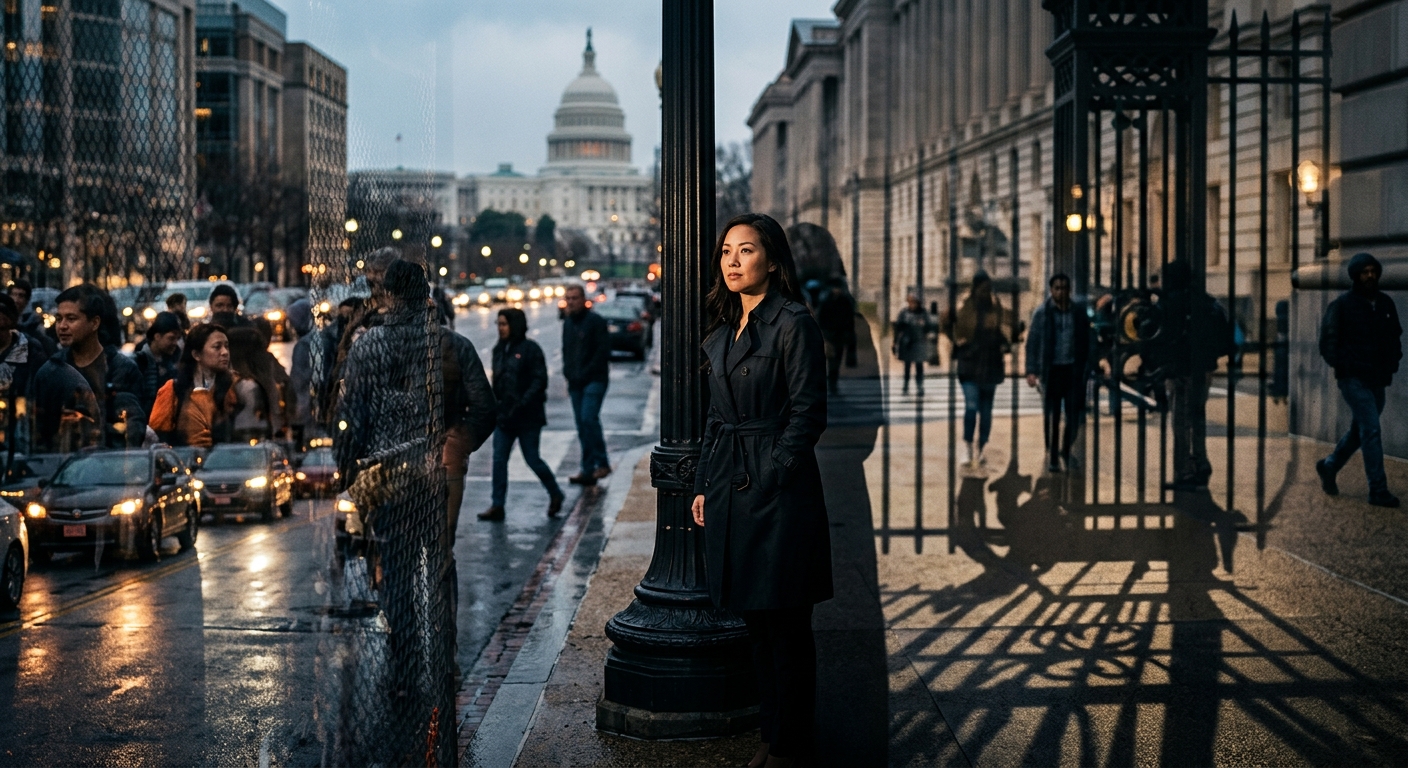
The Delicate Balance Between Security and Civil Liberties
For decades, the United States has navigated a complex and often flawed path toward balancing its legitimate national security interests with the fundamental civil rights of its diverse population. Throughout American history, periods of international tension and geopolitical conflict have frequently led to domestic repercussions, most notably manifesting in the racial profiling and scapegoating of marginalized groups. Among the communities most severely and consistently affected by these reactive policies are Asian Americans and Pacific Islanders (AAPI).
From the xenophobic rhetoric of the late nineteenth century to the modern complexities of international economic competition, people of Asian descent have routinely found their loyalty to the United States questioned. This systemic scrutiny implicitly assumes that an individual’s ethnic heritage is inextricably tied to foreign allegiance, weaving a narrative of suspicion that deeply impacts the daily AAPI experience. By examining the historical spectrum—stretching from the internment of Japanese Americans during World War II to the recently dismantled Department of Justice program known as the China Initiative—we can observe a persistent and troubling pattern. Unpacking this timeline reveals how policies ostensibly designed to protect the nation have repeatedly resulted in discrimination, constitutional violations, and long-lasting trauma for Asian American communities.
The Precedent of Prejudice: World War II and Executive Order 9066
The most stark and historically recognized example of national security policies infringing upon AAPI civil liberties occurred during the Second World War. Following the attack on Pearl Harbor in December 1941, an atmosphere of intense fear, paranoia, and racial animus swept across the United States. In this volatile climate, government officials and military leaders began to view Japanese Americans not as fellow citizens, but as potential saboteurs acting on behalf of a foreign empire. This unfounded paranoia culminated on February 19, 1942, when President Franklin D. Roosevelt signed Executive Order 9066, authorizing the military to designate specific zones from which any or all persons could be excluded.
In practice, the order was applied almost exclusively to people of Japanese descent living on the West Coast. Approximately 120,000 men, women, and children—the vast majority of whom were American citizens by birth—were forcibly removed from their homes, businesses, and communities. They were transported to remote incarceration camps where they lived under armed guard for years. The government justified this mass internment under the guise of “military necessity,” claiming it was impossible to distinguish loyal citizens from those who might commit acts of espionage. Yet, subsequent governmental reviews definitively proved that no widespread espionage or sabotage was ever conducted by Japanese Americans.
The tragic legacy of Executive Order 9066 represents a total collapse of constitutional protections. Decades later, the Civil Liberties Act of 1988 provided a formal apology and reparations to the survivors, acknowledging that the incarceration was driven by racial prejudice and wartime hysteria. Despite this historical reckoning, the underlying premise—that geopolitical adversaries justify the domestic profiling of a specific ethnic group—merely went dormant, waiting for new tensions to fuel its resurgence.
The Shift to Economic Espionage: Understanding the China Initiative
Fast forward to the twenty-first century, where the landscape of global conflict has shifted from traditional military warfare to technological supremacy and economic dominance. In recent years, the United States has grown increasingly concerned about intellectual property theft, economic espionage, and the unauthorized transfer of sensitive research to foreign nations, particularly the People’s Republic of China. In November 2018, the U.S. Department of Justice (DOJ) launched the “China Initiative,” a sweeping strategic effort designed to identify, investigate, and prosecute individuals and entities engaged in trade secret theft.
While safeguarding American intellectual property is a legitimate governmental interest, the execution of the program quickly drew intense criticism from civil rights organizations, legal scholars, and the academic community. Critics argued that the China Initiative relied heavily on racial profiling, disproportionately targeting researchers, scientists, and academics of Chinese descent. Instead of focusing exclusively on actual instances of espionage, many of the cases brought under the initiative hinged on administrative errors, such as failing to properly disclose foreign academic affiliations or secondary funding sources on complex federal grant applications.
The initiative effectively criminalized what had previously been considered routine international academic collaboration. For decades, global scientific cooperation was actively encouraged as a means of accelerating discovery. Under the China Initiative, however, these same collaborative efforts were suddenly viewed through a lens of suspicion. Asian American researchers found themselves subjected to intense scrutiny, their life’s work heavily audited, and their professional reputations ruined by public arrests and aggressive prosecutions—many of which ultimately resulted in dismissed charges or full acquittals.
The Human and Academic Cost of Profiling
The fallout from the China Initiative extended far beyond the individuals who were formally investigated or charged; it sent a profound chilling effect throughout the entire academic and scientific ecosystem. A widespread sense of fear and insecurity permeated university campuses and research laboratories across the country. According to academic research analyzing trends among scientists in the U.S., a significant percentage of researchers of Chinese descent reported feeling intense anxiety and facing new, systemic difficulties in safely pursuing their work.
This environment of suspicion triggered what many experts refer to as a “reverse brain drain.” The United States has historically been a global magnet for top-tier scientific talent, heavily relying on international researchers and immigrants to drive innovation in fields like artificial intelligence, biotechnology, and quantum computing. However, the hostile climate fostered by the China Initiative prompted a marked increase in the departure of highly skilled scientists. Many researchers opted to leave the United States for institutions in other nations where they felt their work would be valued rather than criminalized.
The human toll on these individuals has been immeasurable. Careers built over decades of rigorous study and dedication were detailed overnight. Families endured the financial and emotional devastation of fighting lengthy legal battles against the federal government. Even for those who were fully exonerated, the stigma of being suspected of espionage remained, making it incredibly difficult to secure funding, publish research, or find stable employment. By alienating a crucial demographic of its scientific workforce, the United States inadvertently damaged its own scientific competitiveness.
The Official Termination and Lingering Effects
In response to mounting pressure from civil rights advocates, academic institutions, and the Asian American community, the Department of Justice announced the formal termination of the China Initiative in February 2022. Officials acknowledged that the program had fueled a narrative of intolerance and bias, stating that future investigations into economic espionage would take a broader approach, focusing on threats from multiple nation-states rather than singling out one specific country or ethnicity.
However, the formal end of the initiative has not meant the immediate end of the discrimination. The bureaucratic infrastructure and the culture of suspicion that the program cultivated remain deeply entrenched in federal grant-making agencies, border enforcement, and institutional compliance offices. Many AAPI academics report ongoing difficulties when returning to the United States from international travel, facing prolonged interrogations and device searches. The legacy of the China Initiative serves as a stark reminder that while a specific policy can be officially revoked, the institutional biases it normalized require intentional, long-term efforts to eradicate.
Comparing Eras: From 1942 to the 21st Century
While the historical contexts of World War II and modern technological competition are vastly different, the parallels between the incarceration of Japanese Americans and the prosecution of Chinese American scientists are striking. In both instances, the federal government utilized the framework of national security to justify the sweeping scrutiny of a specific ethnic group.
| Historical Event | Primary Target Group | Stated National Security Justification | Impact on Civil Liberties |
|---|---|---|---|
| Executive Order 9066 (1942) | Japanese Americans (Citizens & Immigrants) | Prevention of military espionage and sabotage during WWII. | Mass incarceration, loss of property, and denial of constitutional due process. |
| The China Initiative (2018-2022) | Chinese and Asian American Researchers | Combating economic espionage and intellectual property theft. | Aggressive prosecutions for administrative errors, racial profiling, and ruined careers. |
Both eras demonstrate a fundamental failure to differentiate between the actions of a foreign government and the individuals of that ethnic heritage residing in the United States. The presumption of guilt was not based on individualized evidence of wrongdoing, but rather on shared ancestry, reinforcing the harmful “perpetual foreigner” stereotype that has long plagued AAPI communities.
The Broader Context of Anti-Asian Animus
The scrutiny faced by AAPI professionals under national security initiatives cannot be viewed in a vacuum; it is inextricably linked to the broader resurgence of anti-Asian animus in American society. The United States Commission on Civil Rights has extensively documented how geopolitical rhetoric heavily influences domestic hate incidents. This was painfully evident during the COVID-19 pandemic, when inflammatory political rhetoric directly contributed to a massive spike in hate crimes, harassment, and violence against people of Asian descent.
When political leaders and government agencies consistently frame a specific foreign nation as an existential threat, and aggressively prosecute individuals associated with that nation, it inevitably trickles down into public consciousness. The line between a foreign adversary and an American citizen of Asian descent becomes dangerously blurred in the eyes of the public. The systemic profiling legitimized by federal policies emboldens xenophobia at the community level, creating an environment where Asian Americans are viewed with suspicion in their everyday lives.
Charting a Path Forward: Reconciling Security and Civil Rights
Protecting national security and safeguarding civil rights are not mutually exclusive goals; indeed, a true democracy must be capable of achieving both simultaneously. To move past this cycle of discrimination, federal agencies must implement comprehensive reforms that prioritize equal protection under the law. Intelligence gathering and law enforcement efforts must be firmly rooted in evidence-based, individualized assessments of risk, completely divorced from race, ethnicity, or national origin.
Furthermore, transparency and accountability must be mandated for federal grant-making bodies and academic institutions. There must be clear, unambiguous guidelines regarding the disclosure of international affiliations, accompanied by a commitment to resolving administrative oversights through civil channels rather than defaulting to criminal prosecution. Cultivating a diverse, inclusive scientific community is ultimately a national security imperative in its own right.
The journey from the dark days of Japanese American incarceration to the complexities of the China Initiative illustrates a recurring failure in American policy. By confronting these historical truths and actively dismantling the structures of systemic bias, the United States can forge a future where national security does not come at the expense of its own citizens.
Frequently Asked Questions (FAQ)
- What was Executive Order 9066?
Executive Order 9066 was a presidential directive signed by Franklin D. Roosevelt in 1942. It authorized the military to designate areas from which any person could be excluded, leading to the forced removal and incarceration of approximately 120,000 Japanese Americans in internment camps during World War II without due process. - What was the Department of Justice’s China Initiative?
Launched in 2018, the China Initiative was a DOJ program aimed at preventing economic espionage and intellectual property theft. However, it faced severe backlash for racially profiling Asian American researchers and academics, often aggressively prosecuting them for grant disclosure administrative errors rather than actual espionage. - How did the China Initiative impact the scientific community?
The initiative created a widespread chilling effect. Many researchers of Chinese descent felt targeted and unsafe, leading to a “reverse brain drain” where top scientific talent left the U.S. or avoided applying for federal research grants, damaging American scientific innovation. - Is the China Initiative still active?
No, the DOJ formally ended the China Initiative in February 2022 following intense criticism from civil rights and academic groups. However, advocates note that the culture of suspicion and heightened scrutiny of AAPI researchers continue to linger in various federal and institutional practices.
References
- Executive Order 9066: Resulting in Japanese-American Incarceration (1942) — National Archives. 2026-02-09. https://www.archives.gov/milestone-documents/executive-order-9066
- Reverse Brain Drain? Exploring Trends among Chinese Scientists in the U.S. — Stanford Center on China’s Economy and Institutions. 2023-06-27. https://fsi.stanford.edu/news/reverse-brain-drain-exploring-trends-among-chinese-scientists-us
- The Federal Response to Anti-Asian Racism in the United States — U.S. Commission on Civil Rights. 2023-09-27. https://www.usccr.gov/files/2023-09/the-federal-response-to-anti-asian-racism-in-the-united-states.pdf
- FBI, AAPI leaders meet at Rice to address discrimination toward Asian American academics — Rice University. 2024-06-18. https://news.rice.edu/news/2024/fbi-aapi-leaders-meet-rice-address-discrimination-toward-asian-american-academics
Similar Articles








Read full bio of medha deb


