
Consumer Credit Law: Rights, Risks, and Practical Guidance
A practical, plain‑language guide to consumer credit, how it works, your legal protections, and smart strategies for borrowing safely.
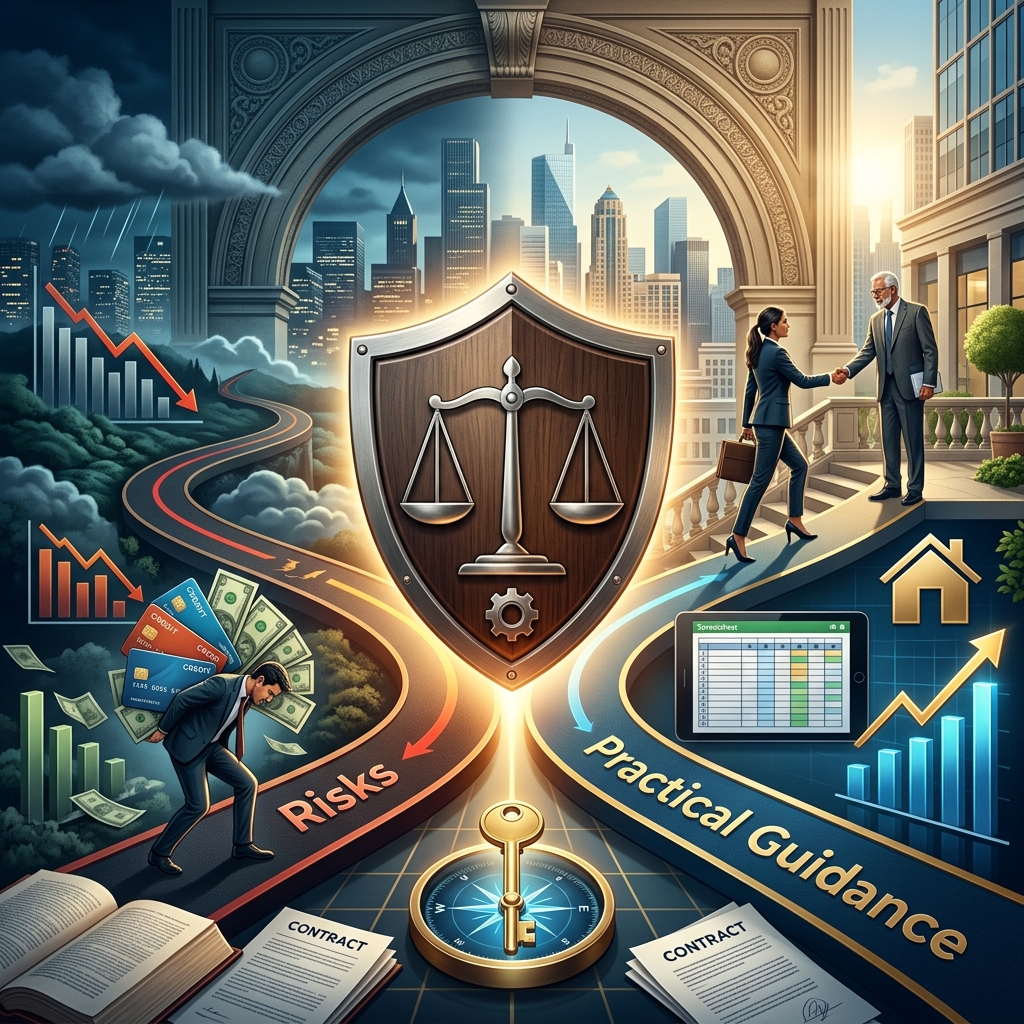
Consumer credit is a central part of modern personal finance. It allows individuals to borrow money or receive goods and services now, with the promise to repay later, usually with interest. Credit cards, auto loans, personal loans, and store financing all fall under this broad umbrella. Used wisely, consumer credit can help you build a solid financial life; used carelessly, it can create long‑lasting debt problems.
This guide explains what consumer credit is, the main types of credit you are likely to encounter, the legal rules designed to protect you, and practical strategies to borrow safely, spot unfair practices, and respond when something goes wrong.
What Is Consumer Credit?
In legal and economic terms, consumer credit refers to credit extended to individuals for personal, family, or household purposes, rather than for business or agricultural use. It includes both the ability to access a loan and the ongoing arrangements by which you borrow and repay over time.
In most systems, a consumer credit arrangement has three core elements:
- Borrower: An individual or household using credit for non‑business purposes.
- Lender: A bank, credit union, finance company, retailer, or other entity providing funds or goods now in exchange for repayment later.
- Credit agreement: A contract that sets the terms of repayment, interest, fees, and consequences of non‑payment.
Government agencies and courts treat consumer credit as a regulated area because borrowers usually have less bargaining power and less technical knowledge than lenders, which can create opportunities for abuse or misunderstanding.
Major Types of Consumer Credit
Consumer credit comes in several forms. Understanding the differences helps you compare offers and choose the type of borrowing that fits your needs.
Revolving Credit
Revolving credit allows you to borrow repeatedly up to a fixed limit, repay, and borrow again, with interest charged on the outstanding balance. The most common example is a credit card.
- Credit cards: Enable purchases and cash advances, usually with variable interest rates and a minimum monthly payment.
- Store cards and lines of credit: Retailer‑specific cards or bank lines that function similarly to general credit cards.
Revolving accounts are flexible, but the convenience and typically higher interest rates make it easy to accumulate expensive debt.
Installment Credit
Installment credit involves borrowing a fixed amount and repaying it in set, usually monthly, installments over a specific term.
- Auto loans: Used to finance vehicles; often secured by the car itself.
- Personal loans: May be secured or unsecured and can fund various expenses, from medical bills to debt consolidation.
- Retail installment contracts: Store financing for furniture, appliances, or electronics, repaid over time.
Because the payment schedule is fixed, installment credit can be easier to budget for, but missed payments still have serious consequences for your credit record and may lead to repossession when collateral is involved.
Secured vs. Unsecured Loans
Consumer loans are often divided into secured and unsecured categories.
| Loan Type | Collateral Required? | Typical Examples | Risk to Borrower |
|---|---|---|---|
| Secured loan | Yes — property or an asset guarantees repayment. | Auto loans, some personal loans, certain home‑related loans. | If you default, the lender can seize the collateral; your credit record also suffers. |
| Unsecured loan | No collateral; based on your promise to repay and creditworthiness. | Credit cards, many personal loans, some lines of credit. | Lender cannot take specific property without going to court, but may use collection tactics and legal action to recover. |
Why Consumer Credit Matters in the Economy
Consumer credit is more than a personal finance tool; it is a significant part of national economic activity. Federal agencies track consumer credit because household borrowing affects spending, savings, and financial stability.
According to official data tools that monitor credit card, auto, student loan, and mortgage originations, consumer credit trends reveal how willing households are to take on debt and how accessible credit is across the population. Central banks also release periodic statistics on revolving and non‑revolving credit to gauge broader economic conditions.
Healthy use of credit supports major purchases and helps households smooth out irregular expenses; over‑extension can lead to widespread delinquency and financial stress that ripple through the economy.
Core Legal Protections in Consumer Credit
Because consumer credit can be complex and potentially harmful, several major legal frameworks exist to safeguard borrowers. While details vary by jurisdiction, key themes include fair disclosure, non‑discrimination, limits on harsh collection practices, and avenues to challenge errors.
Transparent Terms and Cost Disclosure
One fundamental requirement is that lenders clearly disclose the true cost of credit before you agree to a loan or card. This typically includes:
- Annual percentage rate (APR): A standardized measure of the cost of credit, including interest and certain fees, expressed as a yearly rate.
- Finance charges: Total dollar amount you will pay for borrowing if you carry a balance or follow the contract’s payment schedule.
- Payment schedule and total of payments: The number, amount, and timing of payments and the total sum you will pay if you make them as agreed.
These disclosures are meant to help you compare competing offers and avoid misleading advertising about “low payments” that hide high long‑term costs.
Protection Against Discrimination and Unfair Lending
Consumer credit law also prohibits certain discriminatory and unfair practices. For example, lenders generally may not base credit decisions on protected personal characteristics such as race or certain other traits, and must avoid deceptive or abusive practices in marketing and servicing loans.
Key safeguards commonly include:
- Restrictions on discriminatory credit evaluation.
- Requirements that adverse credit decisions be explained when based on credit reports or scoring.
- Rules governing changes in interest rates and fees on existing accounts.
Debt Collection Standards
When borrowers fall behind, the law usually sets boundaries on what debt collectors may and may not do. These standards aim to prevent harassment, abuse, and deceptive tactics while still allowing legitimate collection of unpaid debts.
Common limitations include:
- No threats of violence, obscene language, or repeated calls designed to annoy.
- No misrepresentation about who the collector is or the legal status of the debt.
- Limits on contacting you at inconvenient times or places, especially once you request that communication stop.
Access to Credit Information and Error Resolution
Modern credit systems rely heavily on credit reports and scores. Because errors can have serious consequences, laws typically provide:
- Access rights: The ability to obtain your credit report from major bureaus, sometimes at low or no cost.
- Dispute procedures: A formal process to challenge inaccurate or incomplete information, requiring investigation by the reporting agency.
- Limits on sharing: Rules governing when and how your credit data can be shared with third parties.
Common Consumer Credit Pitfalls
Despite existing safeguards, many borrowers encounter difficulties with consumer credit. Recognizing frequent trouble spots can help you avoid them.
- High‑interest revolving balances: Carrying large credit card balances at high rates can make it difficult to escape debt, especially if you pay only the minimum.
- Complex promotional offers: “Deferred interest” or introductory promotions can become expensive if you misunderstand the terms or miss a deadline.
- Over‑reliance on credit for everyday expenses: Using credit repeatedly to cover regular bills may signal an underlying budget problem.
- Unclear contract language: Signing credit agreements without fully understanding the fees, penalties, and variable rate provisions.
Smart Strategies for Using Consumer Credit
While legal rules provide a safety net, day‑to‑day decisions about borrowing are largely in your hands. Combining legal awareness with sound financial habits is the best way to use consumer credit without letting it control you.
Before You Borrow
Ask yourself the following questions before entering a new credit agreement:
- Is this purchase necessary and urgent? Consider whether you can delay the expense and save instead.
- Can I afford the monthly payments comfortably? Build a budget that includes all fixed expenses and compare it to your income.
- What is the total cost of credit? Look beyond low monthly payments to the total of all payments over the life of the loan.
- Is there a lower‑cost alternative? Compare secured vs. unsecured options, different lenders, and non‑credit options such as savings.
Choosing Among Credit Options
When comparing credit products, focus on more than just interest rate:
- APR and fees: Evaluate annual percentage rate, annual fees, origination fees, and penalties.
- Flexibility vs. discipline: Revolving credit offers flexibility but can tempt overspending; installment loans encourage structured repayment.
- Collateral risk: A lower interest rate on a secured loan may come with the risk of losing the pledged asset if you default.
- Reputation and service: Consider lender history, customer service quality, and clarity of disclosures.
Managing Existing Credit Responsibly
Once you have credit, ongoing management is critical to protecting your financial health:
- Pay at least the minimum due on time every month; late payments hurt your credit profile and may trigger penalty rates.
- Whenever possible, pay more than the minimum on revolving accounts to reduce principal and interest costs.
- Monitor your statements for unauthorized charges or unexpected fee changes.
- Review your credit reports periodically to catch errors early.
- Keep overall utilization (the portion of available credit you are using) as low as practical.
What to Do When Problems Arise
If you encounter difficulties with consumer credit, acting quickly and using available legal tools can improve the outcome.
Payment Trouble
When you realize you may not be able to make required payments:
- Contact your lender as early as possible to discuss hardship programs, revised payment plans, or temporary relief.
- Prioritize essential expenses (housing, utilities, food) before unsecured debt, while acknowledging that missed payments have consequences.
- Avoid taking on new high‑cost credit, such as certain forms of short‑term or emergency loans, to cover existing debts unless you understand the risks fully.
Disputes About Charges or Loan Terms
If you believe a charge is incorrect or the lender is not following the contract:
- Review your agreement and prior statements carefully.
- Submit a detailed written dispute to the lender, following any procedures explained on your statement or contract.
- Keep copies of all communications and note dates and names of representatives you speak with.
- Escalate to regulatory complaint channels or seek legal advice if the issue remains unresolved.
Dealing with Debt Collectors
If your account is sent to collections:
- Ask for written validation of the debt, including the original creditor and amount.
- Know that collectors are not allowed to harass, threaten, or mislead you under most debt collection laws.
- Communicate in writing if you want contact limited or need records of agreements.
- Consider engaging a legal professional, especially if you are sued or face aggressive tactics.
When Legal Advice Is Helpful
While many consumer credit issues can be handled directly with lenders, some situations benefit strongly from targeted legal guidance:
- Complex disputes over loan terms or alleged contract breaches.
- Pattern of abusive collection practices or suspected violations of consumer protection laws.
- Threats of repossession, foreclosure, or legal action over consumer debts.
- Consideration of bankruptcy or other formal debt relief mechanisms.
An attorney experienced in consumer law can explain your rights, evaluate whether a lender or collector has violated legal standards, and help you choose an appropriate strategy, including negotiation, regulatory complaints, or court action.
Frequently Asked Questions About Consumer Credit
Is all borrowing considered consumer credit?
No. Consumer credit covers borrowing by individuals and households for personal, family, or household reasons. Loans taken for business ventures, professional activities, or farming are generally classified differently and may be subject to separate rules.
Does using consumer credit hurt my finances?
Not necessarily. Moderate, well‑managed credit use can help you build a positive payment history and access important purchases such as vehicles or education. Problems arise when debt grows faster than your ability to repay, or when you rely on credit to cover routine expenses over the long term.
What is the difference between revolving and non‑revolving credit?
Revolving credit (like credit cards) allows you to borrow, repay, and borrow again up to a limit, with payments and interest based on your changing balance. Non‑revolving credit (like installment loans) involves a single amount borrowed that is repaid over time in fixed payments, without the ability to re‑borrow automatically.
How do credit reports affect my access to consumer credit?
Credit reports summarize your past borrowing and repayment behavior. Lenders use these reports, along with scores derived from them, to evaluate how risky it is to extend credit to you. A history of on‑time payments and prudent use of credit typically improves your chances of approval and better terms.
Can I fix errors in my credit history?
Yes. Consumer protection rules normally provide a process to dispute inaccurate information with credit reporting agencies. When you submit a dispute, the agency must investigate and correct confirmed errors, which can improve your credit profile and access to future credit.
References
- Consumer credit | Wex — Legal Information Institute, Cornell Law School. 2023-05-01. https://www.law.cornell.edu/wex/consumer_credit
- Understanding the Types and Sources of Consumer Credit — Wolters Kluwer. 2022-09-14. https://www.wolterskluwer.com/en/expert-insights/understanding-the-types-and-sources-of-consumer-credit
- Consumer Credit in the United States — Federal Trade Commission. 2012-06-01. https://www.ftc.gov/sites/default/files/attachments/training-materials/law_practice.pdf
- Introduction and Overview of Consumer Credit — George Mason University Working Paper. 2008-01-01. https://www.law.gmu.edu/assets/files/publications/working_papers/1457.pdf
- Consumer Credit Trends — Consumer Financial Protection Bureau. 2024-01-15. https://www.consumerfinance.gov/data-research/consumer-credit-trends/
- Federal Reserve Statistical Release G.19 – Consumer Credit — Board of Governors of the Federal Reserve System. 2024-06-07. https://www.federalreserve.gov/releases/g19/current/default.htm
- Household Debt and Credit: Background — Federal Reserve Bank of New York. 2023-10-01. https://www.newyorkfed.org/microeconomics/hhdc/background.html
Similar Articles








Read full bio of medha deb




