
Interstate Enforcement of Protection Orders
How protection orders travel across state, tribal, and territorial lines under federal law.
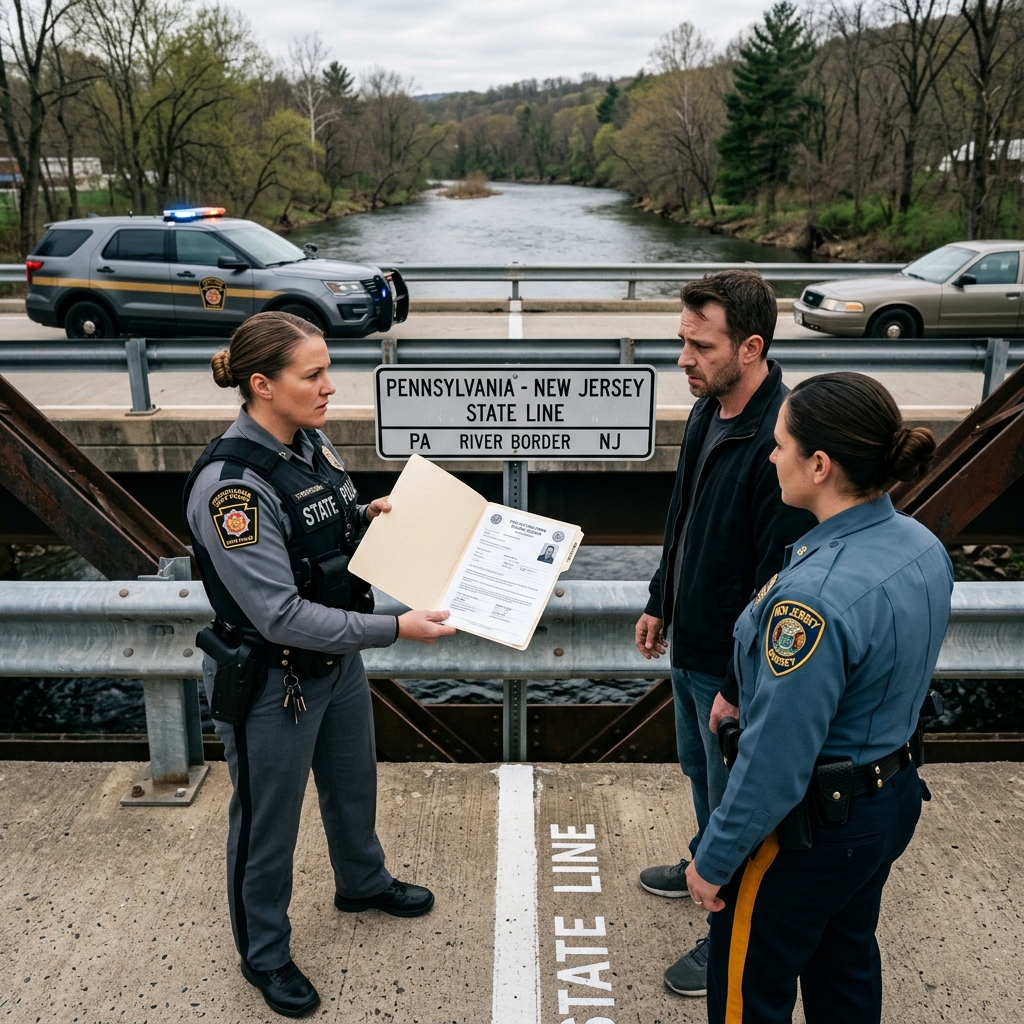
Protection orders are designed to provide immediate legal distance between a protected person and someone who poses a risk of harm. Federal law extends that protection beyond state borders, requiring courts and law enforcement agencies to honor qualifying orders from other jurisdictions as if they were issued locally.
This interstate recognition rule matters because people who seek safety often move, travel, or relocate after an order is entered. Without a national enforcement framework, a protection order could lose much of its practical value the moment someone crossed a state line. The federal full faith and credit requirement prevents that gap in protection.
What the full faith and credit rule means
In the protection-order context, full faith and credit means that a valid order issued by one state, Indian tribe, or territory must be enforced by every other state, tribe, and territory covered by the statute. The enforcing jurisdiction must treat the order as though its own court issued it.
This rule applies not only to final protective orders but also to qualifying ex parte orders, as long as the legal requirements for notice, hearing, and jurisdiction are satisfied. The practical result is that a survivor does not need to start over simply because they are now in a different place.
Which orders are covered
Federal law broadly covers protection orders issued by state, tribal, and territorial courts when those orders are consistent with the statute’s requirements. Sources discussing the rule explain that it applies to civil and criminal protection orders, including orders entered after a hearing, ex parte orders, defaults, and agreed orders, so long as the underlying legal standards are met.
- Final orders entered after notice and hearing
- Ex parte orders that meet due process timing requirements
- Orders issued by state, tribal, and territorial courts
- Orders aimed at domestic violence, stalking, sexual assault, dating violence, or related protective relief, depending on the issuing law
Different jurisdictions may use different labels, such as restraining order, order of protection, or personal protection order. The label is less important than whether the order fits the federal definition and was validly issued.
Why an order is enforceable in another jurisdiction
A protection order is entitled to interstate enforcement only if it meets federal baseline requirements. The issuing court must have jurisdiction over the parties and the subject matter under its own law, and the restrained person must receive reasonable notice and an opportunity to be heard sufficient to satisfy due process.
For ex parte orders, the law allows temporary relief before a full hearing, but the respondent must receive notice and an opportunity to be heard within the time required by local law and, in any event, within a reasonable time after the order is issued. That balance allows urgent protection while preserving basic fairness.
| Requirement | What it means |
|---|---|
| Jurisdiction | The issuing court must have authority over the parties and the case under its own law. |
| Notice and hearing | The restrained person must have a fair chance to be heard, or a prompt hearing must follow an ex parte order. |
| Valid order | The order must still be in force and not expired. |
| No extra registration requirement | Another state cannot require registration before enforcement. |
What police and courts must do
When a qualifying protection order is presented, law enforcement and courts in the enforcing jurisdiction must enforce it as issued. They cannot refuse enforcement simply because the order came from elsewhere or because it uses different local language or formatting.
Federal law also limits the use of registration as a barrier. An enforcing jurisdiction may have a registration system, but it cannot make registration a condition of enforcement. The law likewise prevents the enforcing jurisdiction from notifying the restrained person that the order has been registered unless the protected party asks for notification.
- Enforce the order without requiring a new filing first
- Treat the order as if it were a local order
- Avoid delaying protection because of paperwork alone
- Protect confidentiality unless the protected person requests notification
Common problems that can affect enforcement
Most valid orders should be honored, but certain defects can complicate enforcement. One common issue is whether the issuing court truly had jurisdiction under its own law. Another is whether the respondent received adequate notice and a fair chance to contest the order.
Expiration is another practical issue. An order that has expired may no longer qualify for enforcement, even if it was valid when entered. In addition, some orders may contain unclear terms or contradictory provisions, which can make on-the-ground enforcement harder even when the order is legally valid.
In rare situations involving mutual orders, federal law imposes extra limitations. A mutual protection order against a person who first sought protection is not automatically entitled to full faith and credit unless the legal conditions described in the statute are met, including a proper cross-petition or specific findings supporting relief for both parties.
Why this rule matters for survivors
The full faith and credit rule is intended to preserve safety when a person crosses a border. Survivors often relocate for work, housing, family support, or emergency reasons. A protection order that stops working outside the issuing state would leave dangerous gaps in protection.
By requiring nationwide recognition, federal law helps ensure continuity. A survivor can present the order to police in a new state, and the order should be enforced without forcing the survivor to relitigate the underlying facts. That continuity is especially important in cases involving stalking, domestic violence, or threats that follow a person from place to place.
What to do if you move to another state
If you move, travel, or temporarily stay in another jurisdiction, you should keep a copy of the protection order with you. Having the complete order available can help officers verify the terms quickly. If possible, keep both a paper copy and a digital copy in a secure place.
You may also want to ask the issuing court or local advocate whether the order should be entered into any available protection-order databases. Although registration is not required for enforcement under federal law, database entry can help local officers confirm the order faster.
- Keep a certified or clear copy of the order
- Know the expiration date and hearing history
- Carry contact information for the issuing court
- Contact law enforcement if the order is violated
How courts reduce confusion in enforcement
Judges and court systems can make interstate enforcement easier by using clear language and including important details on the face of the order. Guidance for courts recommends stating that the order complies with the federal full faith and credit provision and, when relevant, identifying custody or visitation terms that are enforceable under the same federal framework.
Helpful order details may include the typed name of the judge, the court’s phone number, registry contact information, and language explaining how the current order interacts with earlier orders. These details help law enforcement and receiving courts verify authenticity and scope without unnecessary delay.
How this rule interacts with tribal and territorial authority
Federal law does not limit full faith and credit to the fifty states alone. It also applies to orders issued by Indian tribes and U.S. territories, and those jurisdictions must likewise honor qualifying orders from one another. This is important in communities where people move among state, tribal, and territorial systems.
Because the statute refers to state, tribal, and territorial courts together, the enforcement principle is broad: if an order satisfies the federal requirements, the receiving jurisdiction generally must enforce it regardless of where it originated. That uniformity is central to the statute’s safety goals.
Practical examples of enforcement
Consider a person protected by an order issued in one state who relocates to another state for work. If the restrained person appears there, local police should be able to enforce the order based on the out-of-state document, assuming the order is valid and current.
Or consider a tribal court order involving stalking or abuse. A neighboring state court should enforce that order if it meets the statute’s jurisdiction and due process requirements. The protected person should not be forced to restart the process just to keep the order alive.
Frequently asked questions
Do I have to register my order in a new state before it can be enforced?
No. Federal law says a qualifying protection order must be enforced even if it has not been registered or filed in the new jurisdiction.
Can police ignore my order because it was issued somewhere else?
No. If the order qualifies under federal law, police and courts must treat it as enforceable as though their own jurisdiction issued it.
What if my order was issued without the other side being present?
Ex parte orders can still qualify, but the respondent must receive notice and an opportunity to be heard within the time required by law and within a reasonable time after issuance.
Does this apply to tribal court orders?
Yes. Federal full faith and credit applies to qualifying orders from tribal, state, and territorial courts.
What if the order has expired?
An expired order generally is not enforceable under the same order number, so the expiration date matters.
Key takeaways for anyone relying on a protection order
- A valid protection order can follow you across jurisdictional lines.
- Enforcement depends on jurisdiction, notice, and due process.
- Registration may help administration, but it is not a prerequisite to enforcement.
- Tribal, territorial, and state orders can all qualify for interstate enforcement.
- Keeping a clear copy of the order can help police act quickly.
References
- Full Faith and Credit for Protection Orders — Battered Women’s Justice Project. 2025. https://www.bwjp.org/assets/documents/pdfs/ffc_advocate_guide.pdf
- 18 U.S.C. § 2265: Full faith and credit given to protection orders — U.S. House Office of the Law Revision Counsel. 2026. https://uscode.house.gov/view.xhtml?req=(title:18%20section:2265%20edition:prelim)
- Full Faith and Credit: A Passport to Safety, A Judge’s Guide — National Council of Juvenile and Family Court Judges. 2024. https://www.ncjfcj.org/bench-cards/full-faith-and-credit-a-passport-to-safety-a-judges-guide/
- Federal Law: Full Faith and Credit — Tribal Protection Order Resources. 2024. https://tribalprotectionorder.org/federal-law-full-faith-and-credit/
- Five Common Questions on Protection Orders and Full Faith and Credit Answered — Battered Women’s Justice Project. 2025. https://bwjp.org/wp-content/uploads/2025/03/Five-Common-Questions-on-Protection-Orders-and-Full-Faith-and-Credit-Answered-FINAL-1.pdf
- Full Faith and Credit, Protection Orders and Safety for Native Families — National Indigenous Women’s Resource Center. 2024. https://www.niwrc.org/sites/default/files/files/reports/full_faith_and_credit.pdf
Similar Articles








Read full bio of medha deb




