
Hotel Liability for Crimes Against Guests
Understanding when hotels are legally responsible for crimes, injuries, and theft that occur on or around their property.
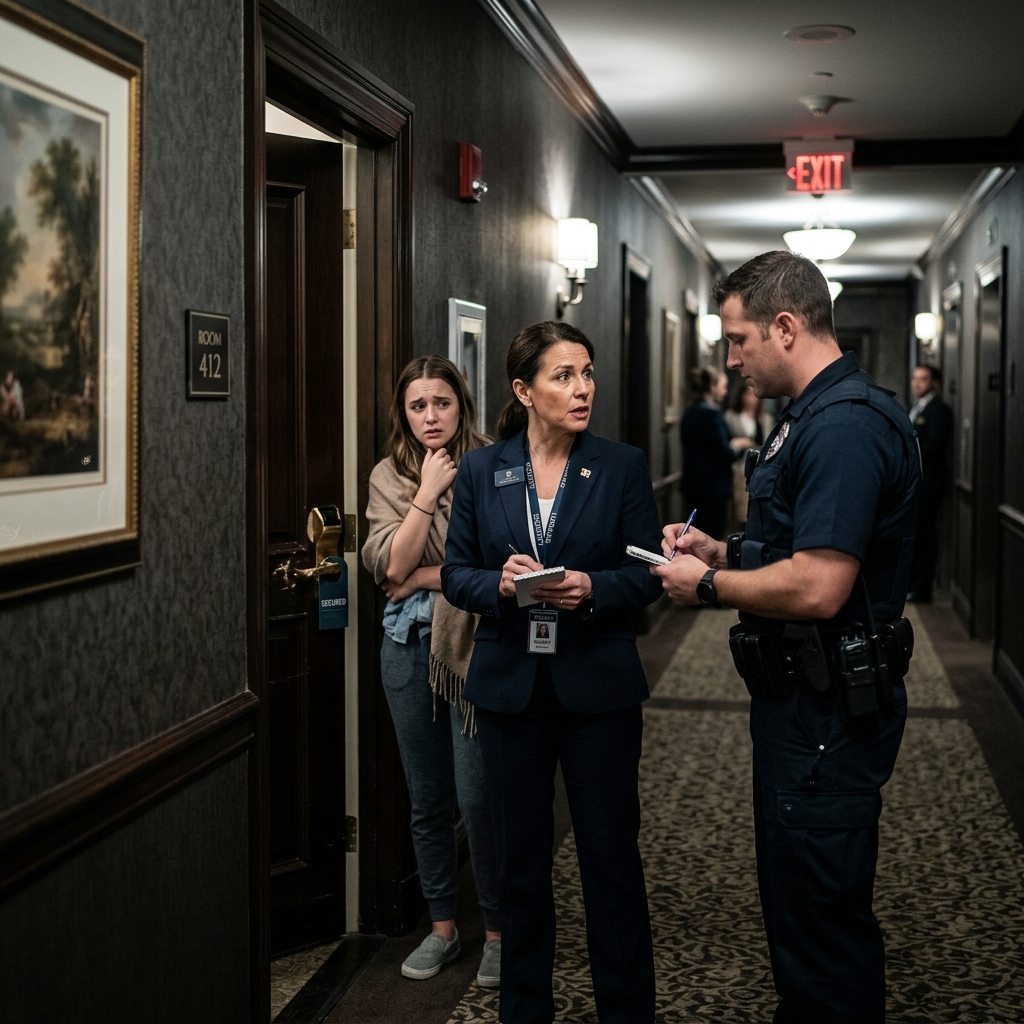
Hotels offer temporary shelter, but they also owe guests a legal duty to provide reasonably safe surroundings. When a crime occurs on hotel property — such as assault, robbery, or theft — the immediate wrongdoer is the criminal. However, under premises liability and negligent security law, the hotel itself may also bear legal responsibility if it failed to take reasonable steps to prevent foreseeable harm.
This article explains how and when a hotel can be held liable for criminal acts, what “reasonable care” and “foreseeability” mean, how property loss is treated, and what practical options exist for guests who are harmed.
Core Legal Concepts Behind Hotel Liability
Hotel liability for crimes and injuries is rooted in broader doctrines of premises liability and negligent security. These doctrines govern when property owners must protect visitors against dangerous conditions and third‑party misconduct.
Premises Liability and Negligent Security
Premises liability is the body of law that holds property owners responsible when people are injured due to unsafe conditions on their land or buildings. Hotels are treated as business premises, and paying guests are considered invitees — people lawfully on the property for the owner’s economic benefit, who are owed a high duty of care.
Negligent security is a specialized type of premises liability claim. It focuses not on broken stairs or wet floors, but on failures to provide basic security measures in the face of foreseeable criminal risks.
- Inadequate lighting in parking lots and hallways
- Broken locks or unsecured entrances
- Absent or poorly trained security personnel
- Failure to monitor known problem areas
- Ignoring prior incidents of crime on or near the property
To succeed in a negligent security claim, courts typically require proof of a duty of care, a breach of that duty, causation, and resulting damages.
The “Duty of Care” Owed by Hotels
Courts widely recognize that hotels, as innkeepers, have an affirmative duty to keep their premises reasonably safe for guests. This duty is not unlimited — hotels are not guarantors of safety — but they must act as a reasonably prudent hotel would under similar circumstances.
Key aspects of this duty include:
- Inspection: Conducting reasonable inspections to discover hazards or suspicious activity on the property.
- Correction or Warning: Either correcting dangerous conditions or providing clear warnings if immediate remediation is not possible.
- Security Measures: Implementing minimal, reasonable security precautions in light of foreseeable risks.
Foreseeability: The Trigger for Liability
Hotels are generally not responsible for every crime that occurs on their property. Liability usually hinges on whether the criminal act was reasonably foreseeable and whether the hotel failed to take appropriate precautions once that risk was known or should have been known.
Courts examine factors such as:
- Prior similar crimes on the premises or in the immediate vicinity
- The nature of the neighborhood (high crime vs. low crime)
- Type of business (e.g., large resort vs. small motel)
- Location of the incident (parking area, lobby, hallway, guest room)
- Whether guests or staff had reported suspicious behavior or threats
When repeated crimes, such as assaults or robberies, have previously occurred in specific areas like parking lots, courts are more likely to find that later incidents were foreseeable and that the hotel had a duty to increase security.
When Hotels Can Be Held Liable for Criminal Acts
Hotels are not insurers of guest safety, but they may be liable if a criminal act happens because they failed to exercise reasonable care in light of known risks. The analysis differs depending on whether the harm is to a person or to property.
Liability for Personal Injuries and Assaults
Guests may suffer physical injury from attacks in hallways, parking areas, elevators, or inside rooms. Courts often ask: did the hotel know or have reason to know that such an attack was likely and fail to take reasonable security measures?
Circumstances that commonly support liability include:
- A known pattern of violent crime on or near the property
- Failure to repair broken locks or secure entrances despite guest complaints
- Poor lighting in areas where crimes have occurred
- No security presence in high‑risk zones such as isolated parking lots
- Ignoring reports of threatening individuals loitering on the premises
If the hotel’s security failures are a
proximate cause
of the injury — meaning the crime likely would not have occurred or would have been less severe had reasonable measures been taken — liability can attach.Liability for Theft and Property Loss
Historically, innkeepers were strictly liable for guest property loss, but modern statutes in many states limit hotel exposure by capping damages or requiring special conditions for recovery. Today, a hotel may not automatically owe the full value of stolen property unless certain factors are present.
Common modern rules include:
- Statutory Caps: Laws limiting the hotel’s liability to a set amount unless negligence is proven.
- Safes and Notices: Requirements that hotels provide secure storage (e.g., in‑room safes) and conspicuous notice to guests regarding how to safeguard valuables.
- Negligence Exception: If the hotel fails to exercise reasonable care — for example, by leaving doors unsecured or failing to monitor known theft problems — courts may allow full recovery of the property’s value.
Similar principles apply to vehicles and belongings stored in hotel parking lots. If the hotel negligently fails to secure its parking area or to respond to a history of car break‑ins, it can be liable for damage to the car and items taken from it.
| Type of Loss | Typical Legal Treatment | When Hotel May Be Fully Liable |
|---|---|---|
| Theft from guest room | Liability often limited by statute or hotel policy; use of safes encouraged. | Failure to secure doors/windows; ignoring repeated thefts; lack of basic security despite prior incidents. |
| Theft from vehicle in parking lot | May depend on whether parking is controlled by hotel and prior crime history. | Poor lighting, broken gates, no patrols amid known pattern of car break‑ins or vandalism. |
| Damage to vehicle | Often analyzed similarly to theft; focus on foreseeability and security measures. | Hotel negligence in maintaining barriers, cameras, or access controls in a high‑risk area. |
Vicarious Liability for Employee Misconduct
Hotels can sometimes be held liable for crimes or torts committed by their own employees under the doctrine of vicarious liability or “respondeat superior.”
If an employee assaults a guest or steals property while acting within the scope of employment or using their position to access the guest, courts may find the hotel responsible, particularly if improper hiring, training, or supervision played a role.
Legal exposure is greater where:
- The hotel failed to conduct basic background checks on staff with access to guest rooms
- Prior complaints about the employee’s behavior were ignored
- Security protocols for key cards and room access were lax
Limits on Hotel Responsibility
Although hotels owe substantial duties of care, there are important limits. Courts aim to balance guest protection with realistic burdens on businesses.
Hotels Are Not Insurers of Absolute Safety
Most jurisdictions explicitly reject the idea that hotels guarantee guest safety under all circumstances. They are not required to prevent every possible crime, nor to install the most advanced security technology available.
Instead, the standard is reasonableness:
- Would a reasonably prudent hotel, aware of the same facts and circumstances, have taken additional or different security measures?
- Were requested or expected security measures so costly or burdensome that imposing them would be unfair or impractical?
Courts frequently weigh the foreseeability and gravity of harm against the economic and operational burden of security measures, especially in cases involving third‑party criminal acts.
Comparative Fault and Guest Conduct
In some cases, a guest’s own behavior may reduce or eliminate the hotel’s liability. Many states use comparative fault rules, where damages are allocated based on each party’s share of responsibility.
Examples include:
- Leaving doors or windows propped open after being warned about security risks
- Ignoring posted instructions to use hotel safes for valuables
- Engaging in illegal or clearly dangerous behavior that contributes to the incident
Even under comparative fault, however, a hotel may still owe compensation if its security failures are a substantial factor in causing the harm.
Practical Steps for Guests After a Hotel Crime
If you suffer injury or property loss due to a crime at a hotel, prompt action is critical — both for personal safety and for preserving your legal rights.
Immediate Safety and Reporting
- Seek medical care: Obtain immediate medical attention for physical injuries, even if they appear minor.
- Contact law enforcement: Report the crime to police so an official record is created and evidence can be collected.
- Notify hotel management: Provide written notice of what happened, including the time, location, and any witnesses.
Documenting the Incident
- Take photographs or videos of the area, including lighting, locks, and any visible hazards.
- Preserve receipts, reservation confirmations, and key cards.
- Request copies of incident reports prepared by hotel staff.
- Note prior suspicious activity you observed or reported during your stay.
Considering Civil Claims
A criminal prosecution against the attacker is separate from any civil claim you might bring against the hotel. Even if the perpetrator is not identified or convicted, you may still pursue a civil case based on negligent security.
Potential damages in a civil claim can include:
- Medical expenses and rehabilitation costs
- Lost income or reduced earning capacity
- Pain, suffering, and emotional distress
- Replacement value of stolen or damaged property
Because premises liability and negligent security laws vary by state and require careful analysis of foreseeability, prior incidents, and local statutes, consulting an experienced attorney is often crucial.
Risk Management Strategies for Hotel Owners
For hotel owners and operators, reducing criminal incidents is both a moral obligation and a critical risk management task. While no security system is perfect, implementing basic measures can significantly lower both actual crime and legal exposure.
Assessing and Monitoring Crime Risk
- Review local crime statistics and police reports for the area around the property.
- Maintain an internal log of on‑site incidents, including thefts, assaults, and suspicious behavior.
- Regularly inspect high‑risk areas such as parking lots, stairwells, and side entrances.
Implementing Reasonable Security Measures
Hotels can reduce liability exposure by aligning security practices with foreseeable risks:
- Ensure adequate lighting in parking areas, exterior walkways, and corridors.
- Maintain functioning locks on all guest rooms and access points.
- Use access‑controlled key card systems and regularly audit card issuance.
- Install and monitor cameras in public and high‑risk areas.
- Hire or contract trained security personnel where crime history justifies it.
Policies, Training, and Communication
- Develop written security protocols for staff, including how to respond to threats and suspicious behavior.
- Train employees to recognize and report risks promptly.
- Provide clear, conspicuous notices to guests about safes, valuables, and any applicable liability limitations.
- Review contracts with security vendors for performance standards and indemnification provisions.
Frequently Asked Questions About Hotel Liability for Crimes
Are hotels always responsible when a crime happens on their property?
No. Hotels are generally liable only when they are at fault — meaning they failed to take reasonable steps to prevent foreseeable harm. They are not absolute insurers of guest safety.
What makes a crime “foreseeable” for a hotel?
Foreseeability often depends on prior similar crimes on or near the property, the surrounding crime rate, reports of suspicious activity, and the nature of the business and location. A single random incident may be less foreseeable than repeated attacks in the same area.
Can I sue a hotel if my belongings were stolen from my room?
Possibly. Many states limit hotel liability for stolen property through statutes, but if the hotel was negligent — for example, by failing to secure doors or ignoring a pattern of theft — you may be able to recover the full value of your loss.
Is my civil case against the hotel affected by the criminal case against the attacker?
Civil and criminal cases are separate. You can typically pursue a negligent security claim against the hotel regardless of whether the attacker is identified, charged, or convicted.
What should I do if I’m attacked or robbed at a hotel?
Seek medical help, contact law enforcement, notify hotel management, document the scene, and preserve any evidence or records related to your stay. Then speak with a lawyer experienced in premises liability or negligent security to evaluate your options.
References
- Hotel Liability — Encyclopedia.com. 2024-01-10. https://www.encyclopedia.com/law/encyclopedias-almanacs-transcripts-and-maps/hotel-liability
- Hotel Liability for Crimes — LegalMatch. 2023-06-15. https://www.legalmatch.com/law-library/article/hotel-liability-for-criminal-acts.html
- Hotel, Motel, and Resort Attack Lawyers — The Rice Firm. 2023-08-01. https://ricefirm.com/premises-liability/negligent-security/hotels/
- Hotel Negligent Security Lawyer: Top Risks — Use The Law. 2025-02-20. https://usethelaw.com/blog/hotel-negligent-security-lawyer/
- Liability for Criminal Acts of Third Persons — John Day Legal. 2022-05-05. https://www.johndaylegal.com/resources-for-tort-attorneys/day-on-torts-leading-cases-in-tennessee-tort-law/chapter-62-premises-liability/62-5-liability-for-criminal-acts-of-third-persons/
- Balancing Act: Premises Liability and Third-Party Crime — Nelson Mullins. 2018-09-12. https://www.nelsonmullins.com/storage/33daeb28a85b7e2722c9ac2cc23c301b.pdf
- Third Party Crime in the Retail and Hospitality Industry — NAMWOLF. 2017-07-30. https://namwolf.org/wp-content/uploads/2017/12/Pac_Hospitality_Compendium_Supplement.pdf
Similar Articles








Read full bio of medha deb




