
Striking a Chord: Music and Civil Liberties
Exploring the powerful intersection of music and civil liberties activism.
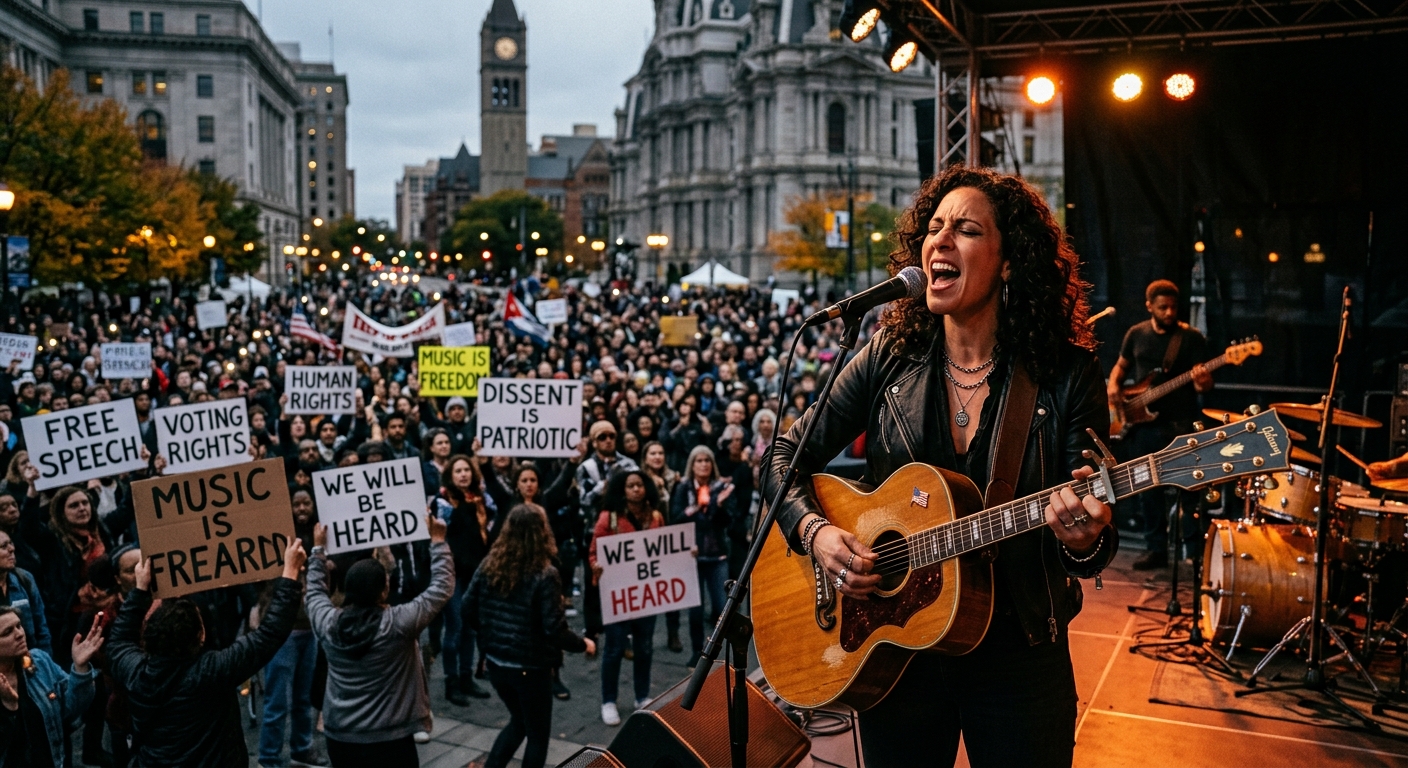
The Resonant Power of Protest and Policy
Throughout the turbulent tapestry of American history, the pursuit of civil liberties has rarely been a silent endeavor. While courtrooms and legislative chambers serve as the formal battlegrounds for constitutional rights, the lifeblood of these movements frequently pulses through the medium of music. The innate human desire for freedom, when translated into melody, possesses an unparalleled ability to bypass intellectual defenses and strike directly at the emotional core of society. Organizations dedicated to preserving civil liberties have long recognized this phenomenon, strategically leveraging the emotive power of artists not merely as entertainers, but as essential advocates. These musicians bridge the critical gap between abstract legal doctrine and everyday human empathy, transforming complex political struggles into accessible, unifying anthems.
As we examine the intersection of artistic expression and social justice, it becomes evident that the chords of a guitar and the clauses of the Constitution share a profoundly symbiotic relationship. The history of civil rights in the United States cannot be fully articulated without acknowledging the soundtrack that propelled it forward. From the acoustic folk protests of the 1960s to the mainstream benefit concerts of the modern era, musicians have continually utilized their public platforms to amplify the voices of the marginalized and to demand accountability from those in power.
The Historical Rhythm of the Civil Rights Movement
To understand the contemporary alliance between civil liberties organizations and musicians, one must look back to the foundational rhythms of the Civil Rights Movement. During the mid-twentieth century, music was not a passive soundtrack to the struggle; it was an active, tactical weapon. Academic research from the University of Central Florida highlights that during the Civil Rights era, music served a crucial strategic purpose: it bolstered the morale of integrationists while simultaneously disarming the hostility of segregationists . The spirituals and rhythm and blues tracks of the era projected the harsh realities of the southern experience while concurrently recasting Black consciousness and pride.
This legacy of musical advocacy is so integral to American history that it has been the subject of extensive preservation and academic study. Events such as the ‘Black Music and the Civil Rights Movement’ concerts, hosted in the late 1980s to commemorate the immense strides made by Dr. Martin Luther King Jr., underscore how institutionalizing musical history helps preserve the emotional truth of political struggles . These highly curated musical events demonstrated that the struggle for equality was as much a cultural revolution as a legislative one. By gathering communities to reflect on their shared history through song, civil rights advocates cemented the emotional bonds necessary to sustain long-term activism.
The transition from the grassroots protest songs of the 1960s to the mainstream benefit performances of the late 20th century marked a significant evolution in how artists interacted with the law. They were no longer just commentators on the sidelines; they became active benefactors, utilizing their cultural capital and economic leverage to fund litigation, support legislative lobbying, and drive massive membership campaigns for leading rights organizations. This evolution paved the way for modern civil rights defenders to view artists as essential strategic partners rather than mere entertainment.
Poetic Justice: The Academic Perspective on Popular Music
In modern higher education, the profound relationship between melody and movement is treated with the academic rigor it deserves. Universities are increasingly examining how popular music functions as a vehicle for systemic change and social re-engineering. According to curriculum developed at the University of California, Berkeley, analyzing ‘Poetic Justice in Popular Music’ reveals how artists utilize specific methods of social engagement—namely positivity, inclusivity, and empathy—to challenge entrenched power structures . Musicians act as public philosophers, dismantling complex civil liberties issues like freedom of speech, freedom of assembly, and equal protection under the law, and rebuilding them as compelling narratives that resonate deeply with the masses.
This academic lens proves that the role of the musician in social justice extends far beyond the confines of the recording studio. Artists frequently act as the vanguard for marginalized communities, using their global platforms to give voice to those who have been historically silenced by systemic oppression. By integrating diverse perspectives and pushing the boundaries of contemporary composition, musicians redefine what justice looks and sounds like in the modern era . Consequently, when civil liberties organizations seek to mobilize their base, they naturally turn to these artists to articulate the urgency of their mission in a language that transcends demographic divides.
Furthermore, as Western music has increasingly welcomed global perspectives into contemporary composition, the door has opened to ever-evolving forms of political expression. The fight for civil liberties is no longer confined to the borders of a single nation; it is recognized as a global imperative. Artists today synthesize diverse musical traditions to create universal anthems of resistance. This cross-pollination of genres allows civil rights organizations to broaden their appeal and build robust international coalitions, ensuring that fundamental human rights resonate with a worldwide audience.
A Case Study in Alliance: Institutional Membership Conferences
A quintessential example of this institutional synergy can be found in the historical membership conferences hosted by major civil liberties defenders. These national gatherings are critical for strategizing future legal battles, fundraising, and unifying a diverse membership base. Yet, it is often the inclusion of highly curated musical performances that elevates these conferences from dry, bureaucratic policy meetings to profoundly inspirational and historic events. A historical case study that perfectly encapsulates this dynamic is the American Civil Liberties Union’s (ACLU) 2008 Membership Conference held in Washington, D.C.
This particular conference was creatively anchored by the performances of critically acclaimed artists, including Grammy-winning singer-songwriter Marc Cohn and music legend John Hiatt. However, the presence of these musical luminaries was not merely a superficial draw to boost attendance; it was deeply intertwined with an organizational milestone. The event served as a heartfelt celebration of outgoing ACLU President Nadine Strossen, who was stepping down after an unprecedented 18-year tenure. Strossen, the first woman to lead the organization, spearheaded the ACLU through some of the most tumultuous periods in modern American history.
Her leadership encompassed the highly complex defense of civil liberties in the aftermath of September 11, 2001, fighting against government secrecy and the rapid expansion of surveillance . Furthermore, she was a fierce champion of reproductive freedom and free speech in the nascent era of the internet. Under her steady guidance, the organization’s membership nearly doubled from 275,000 to over 500,000, and its national staff tripled, cementing the ACLU as an uncompromising force against abuses of power .
During the conference’s closing events, John Hiatt performed a song specifically chosen for the occasion: ‘Our Lady Liberty.’ This moment vividly illustrated the unique power of music in the realm of legal advocacy. By dedicating a passionate performance to a legal luminary, artists personalize and elevate the tireless, often unglamorous work of constitutional defense. The emotional resonance of the performance offered a profound moment of reflection and gratitude, proving that the celebration of civil liberties requires both the sharp, analytical intellect of legal scholars and the soulful, empathetic expression of artists.
The Strategic Symphony: Why Activism Needs Art
The strategic advantages of integrating artists into civil liberties advocacy are manifold. From a purely organizational standpoint, featuring prominent musicians at membership conferences significantly boosts event attendance, drives widespread media coverage, and opens up lucrative new avenues for fundraising. But on a deeper, psychological level, music humanizes the inherently adversarial and exhausting nature of legal battles. When a citizen is constantly inundated with news of privacy violations, censorship, or systemic inequality, the resulting outrage can quickly devolve into civic apathy. Music serves as the perfect antidote to this fatigue. It reinvigorates the human spirit, reminding activists of the inherent beauty, dignity, and humanity they are fighting to protect every day.
To fully understand this dynamic, we can break down the strategic roles artists play in advancing civil liberties into actionable pillars:
| Advocacy Pillar | Artistic Contribution | Strategic Impact |
|---|---|---|
| Membership Mobilization | Live performances at national conferences and rallies. | Drives attendance, fosters a sense of community, and dramatically increases membership renewals and sign-ups. |
| Cultural Translation | Transforming dense legal concepts into lyrical narratives. | Makes complex constitutional issues accessible and emotionally resonant for the general public. |
| Financial Support | Benefit concerts and dedicated album royalties. | Provides essential capital to fund resource-intensive Supreme Court litigation and lobbying efforts. |
| Morale and Resilience | Creating anthems of hope and perseverance. | Combats activist burnout by providing emotional sustenance to lawyers, plaintiffs, and organizers on the front lines. |
Funding the Frontlines
While the cultural and emotional impact of musical advocacy is profound, the tangible financial contributions generated by these alliances cannot be overstated. Benefit concerts, exclusive track releases, and artist-led fundraising campaigns provide crucial capital that fuels the machinery of civil liberties defense. The legal battles fought by major civil rights organizations are notoriously resource-intensive. Litigating a case all the way to the highest courts requires thousands of hours of specialized legal work, extensive historical research, and substantial administrative support.
When musicians lend their talents to a membership conference or a public benefit concert, they are directly subsidizing this vital legal work. Furthermore, artists often pledge to match the donations of their expansive fanbases, creating a powerful multiplier effect that significantly enhances an organization’s war chest. This financial synergy ensures that civil rights defenders have the necessary resources to challenge well-funded governmental agencies or massive corporate entities. In essence, the price of a concert ticket or a membership upgrade spurred by a musical performance translates directly into the drafting of legal briefs, the deployment of community organizers, and the sustained defense of constitutional liberties.
Frequently Asked Questions (FAQs)
How did music directly influence the Civil Rights Movement?
Music served as both a unifying force and a tactical tool during the Civil Rights Movement. Anthems like ‘We Shall Overcome’ bolstered the courage of activists facing violent opposition, while rhythm and blues tracks helped articulate the harsh realities of segregation to a broader national audience. It created a shared cultural identity that sustained long-term political mobilization.
Why do civil liberties organizations invite musicians to their policy conferences?
Beyond the immediate boost in event attendance and fundraising, civil liberties organizations benefit from the cultural relevance that artists bring. Musicians possess the unique ability to translate dense legal jargon into emotional truths. By performing at conferences, artists help rejuvenate the morale of legal professionals and activists, providing emotional sustenance for the grueling work of constitutional defense.
What was the significance of Nadine Strossen’s leadership in the realm of civil liberties?
Nadine Strossen made history as the first woman to serve as President of the American Civil Liberties Union, a role she held for 18 years. Her tenure was marked by a massive expansion of the organization, doubling its membership to over 500,000. She is highly regarded for her staunch defense of civil liberties in the complex, security-focused climate following the September 11 attacks, as well as her lifelong advocacy for reproductive freedom and free speech.
Can popular music still drive social change in today’s digital age?
Absolutely. While the medium has shifted from physical records and localized protests to digital streaming and viral social media campaigns, the core function of protest music remains unchanged. Modern artists continue to release anthems that rapidly raise global awareness, fund digital advocacy campaigns, and foster international solidarity against systemic injustice.
Conclusion
The enduring alliance between the arts and civil advocacy is a testament to the holistic nature of the fight for human rights. Legal briefs and judicial rulings establish the boundaries of our freedoms, but it is art that gives those freedoms their color, texture, and emotional weight. By standing shoulder to shoulder with legal advocates, musicians ensure that the pursuit of justice remains a vibrant, deeply human endeavor. Whether honoring the decades-long dedication of a civil rights leader or rallying a new generation of activists, the presence of artists at the forefront of advocacy continues to be indispensable. As history marches forward, the ongoing partnership between melody and liberty will undoubtedly remain one of our society’s most powerful catalysts for enduring change.
References
- How Change Started to Come: Examining Rhythm and Blues and Southern Identity — University of Central Florida STARS. 2017-01-01. https://stars.library.ucf.edu/cgi/viewcontent.cgi?article=6697&context=etd
- College Writing R1A: Poetic Justice in Popular Music — University of California, Berkeley. 2023-08-01. https://fpfs.berkeley.edu/academics/reading-and-composition/
- Civil Liberties Luminary Nadine Strossen To Step Down As ACLU President — American Civil Liberties Union (ACLU). 2008-05-16. https://www.aclu.org/press-releases/civil-liberties-luminary-nadine-strossen-step-down-aclu-president
- [Program: 5th Annual Black Music and the Civil Rights Movement Concert] — The Portal to Texas History, University of North Texas Libraries. 1988-01-10. https://texashistory.unt.edu/ark:/67531/metapth1168128/
Similar Articles








Read full bio of medha deb


