
Mugshot Expressions: Smile or Stay Serious?
Discover why legal experts advise against smiling in mugshots and the lasting impact on your case and reputation.
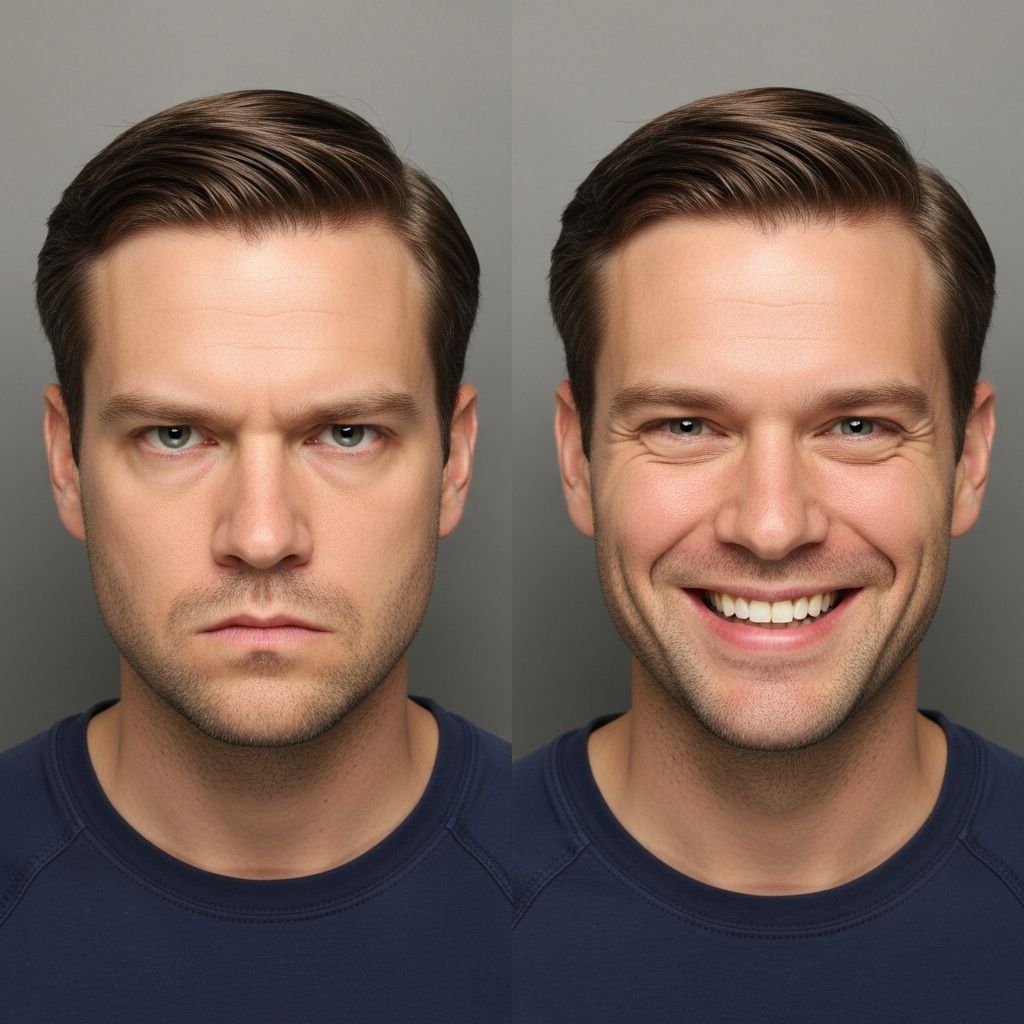
Mugshots, those stark photographs taken during the booking process after an arrest, serve as critical identification tools in the criminal justice system. While the neutral facial expression has long been the standard, some individuals choose to smile, sparking debates about perception, policy, and consequences. Legal professionals overwhelmingly recommend maintaining a serious demeanor to convey respect for the gravity of the situation and avoid unintended negative repercussions.
The Purpose and Process of Taking a Mugshot
Mugshots are official records captured immediately following an arrest as part of the booking procedure. They provide law enforcement with a clear, standardized image for identification, record-keeping, and potential future comparisons in investigations. Typically, these photos include front and profile views, with the subject facing the camera directly and hands visible to ensure accuracy.
The booking process itself is a formal step where personal details are recorded, fingerprints taken, and photographs snapped under controlled conditions. Officers instruct arrestees on positioning to maintain consistency across records. This standardization is essential because mugshots become public documents, often accessible online or through media requests, making their reliability paramount.
- Front-facing view: Captures full facial features for primary identification.
- Profile view: Aids in distinguishing unique physical traits.
- Neutral background: Eliminates distractions for clear recognition.
Variations exist by jurisdiction, but the core goal remains: an accurate depiction of the individual at the time of arrest.
Legal Perspectives: Why Experts Say No to Smiles
Criminal defense attorneys consistently advise against smiling in mugshots. A neutral expression projects seriousness and acknowledges the severity of the charges, which can influence how judges, juries, and the public perceive the defendant. Smiling risks being interpreted as flippancy or lack of remorse, potentially harming plea negotiations or trial outcomes.
A straight-faced mugshot communicates that you respect the legal process and are not trivializing your arrest.
Attorney Ben Schwartz, who occasionally handles criminal matters, emphasizes looking directly at the camera without smiling or frowning. This approach avoids appearing foolish if the photo circulates publicly, such as in news stories where mugshots are commonly featured alongside reports.
Agency Policies on Facial Expressions During Booking
Policies on mugshot expressions vary across U.S. law enforcement agencies. While no federal law mandates a specific expression, local departments set guidelines to ensure photos serve their identificatory purpose effectively. Many instruct a neutral face to standardize images and facilitate recognition.
| Jurisdiction Type | Common Policy | Reasoning |
|---|---|---|
| Urban Police Departments | Neutral expression required | Ensures consistency for database matching |
| Rural Sheriff’s Offices | Often allows minor smiles | Less stringent, focuses on clear ID |
| Federal Facilities | Strict neutral face | High-stakes national records |
Officers have authority during booking and may direct compliance. Refusal could lead to delays, though solitary confinement claims are unsubstantiated. Following instructions prevents complications.
Perception Risks: How a Smile Can Backfire
A smiling mugshot can send mixed signals. In serious cases like DUI or violent crimes, it may suggest the arrestee doesn’t grasp the implications, alienating potential jurors or fueling prosecutor arguments for harsher penalties. Media outlets amplify this: grinning photos go viral, branding individuals as cavalier.
Public records laws in most states make mugshots accessible, even post-dismissal. Online mugshot websites exacerbate spread, linking smiles to mockery. One viral case involved defendants smiling post-arrest, drawing prosecutor ire: “This shows lack of seriousness,” impacting sentencing.
High-Profile Cases Highlighting the Dangers
Notorious smiling mugshots have derailed cases. In a Texas incident, defendants grinned during booking for serious charges, prompting prosecutors to seek maximum sentences and cite the expressions as evidence of nonchalance. Media frenzy followed, prejudicing public opinion.
- Reese Anthony case: Smiling mugshot used to argue against leniency.
- Viral taco promotion: Texas shop offered free food for smiling mugshots, backfiring by highlighting irresponsibility.
- Celebrity examples: Even stars regret grins that overshadow defenses.
These instances underscore how one photo can shape narratives long-term.
Strategies for a Professional Mugshot Appearance
To project the right image:
- Groom neatly: Comb hair, remove hats if allowed.
- Maintain neutral expression: Look straight ahead, relaxed jaw.
- Follow officer directions precisely: Compliance shows cooperation.
- Consult attorney pre-booking: Self-surrender often yields better photos.
Self-surrendering, advised by lawyers, allows preparation and typically results in less stressed images compared to post-arrest bookings.
Psychological and Cultural Factors Influencing Choices
Nervousness leads some to smile awkwardly as a coping mechanism. Culturally, Americans associate smiles with positivity, but in legal contexts, this clashes with expected sobriety. Studies on facial recognition show neutral faces enhance accuracy over exaggerated expressions.
Media portrayal reinforces stern mugshots as normative, associating smiles with infamy. Understanding this helps arrestees align with expectations.
Expungement and the Lasting Legacy of Your Mugshot
Even after case resolution, mugshots persist online. Expungement processes vary by state; some seal records, but third-party sites retain copies. A problematic photo complicates future employment, housing, or loans.
Proactive steps include legal motions for removal and monitoring sites. Prevention via neutral expression minimizes future scrubbing needs.
Frequently Asked Questions (FAQs)
Is smiling in a mugshot illegal?
No, it’s not illegal, but agencies discourage it, and officers may require a neutral face for standardization.
Can a smiling mugshot affect my court case?
Yes, it can be perceived as lacking seriousness, influencing judges, juries, or sentencing recommendations.
Are mugshots always public record?
In most states, yes, until expunged, and they often appear in media or online databases.
What if I accidentally smile?
Officers may retake the photo. Stay calm and comply to avoid escalation.
How do I prepare for booking photos?
Self-surrender if possible, groom simply, and aim for a direct, neutral gaze.
Conclusion: Prioritize Professionalism in Crisis
In the high-stakes world of arrest booking, your mugshot is more than a snapshot—it’s a public statement. Opting for a serious expression safeguards your image, respects the process, and supports your legal defense. When facing arrest, heed attorney advice: keep it neutral.
References
- Smiling Mugshots and Legal Advice — Schwartz & Schwartz. 2023. https://www.schwartzandschwartz.com/smiling-mugshots/
- Is It Okay To Smile In A Mugshot? — CountyOffice.org (YouTube). 2025-08-12. https://www.youtube.com/watch?v=e4S3xeykfT0
- Are You Allowed To Smile In Mugshots — GovBackgroundChecks. 2024. https://are-you-allowed-to-smile-in-mugshots.govbackgroundchecks.com
- Can You Smile In A Mugshot? — CountyOffice.org (YouTube). 2024-09-13. https://www.youtube.com/watch?v=K_U5D1WfXlI
- Mugshot Procedures and Public Records — U.S. Department of Justice (general guidelines). 2023. https://www.justice.gov/
Similar Articles








Read full bio of Sneha Tete


