
Mudding: 4 Legal Tips To Stay Safe And Avoid Fines
Explore how off-road mudding collides with property rights, environmental rules, and criminal and civil liability.
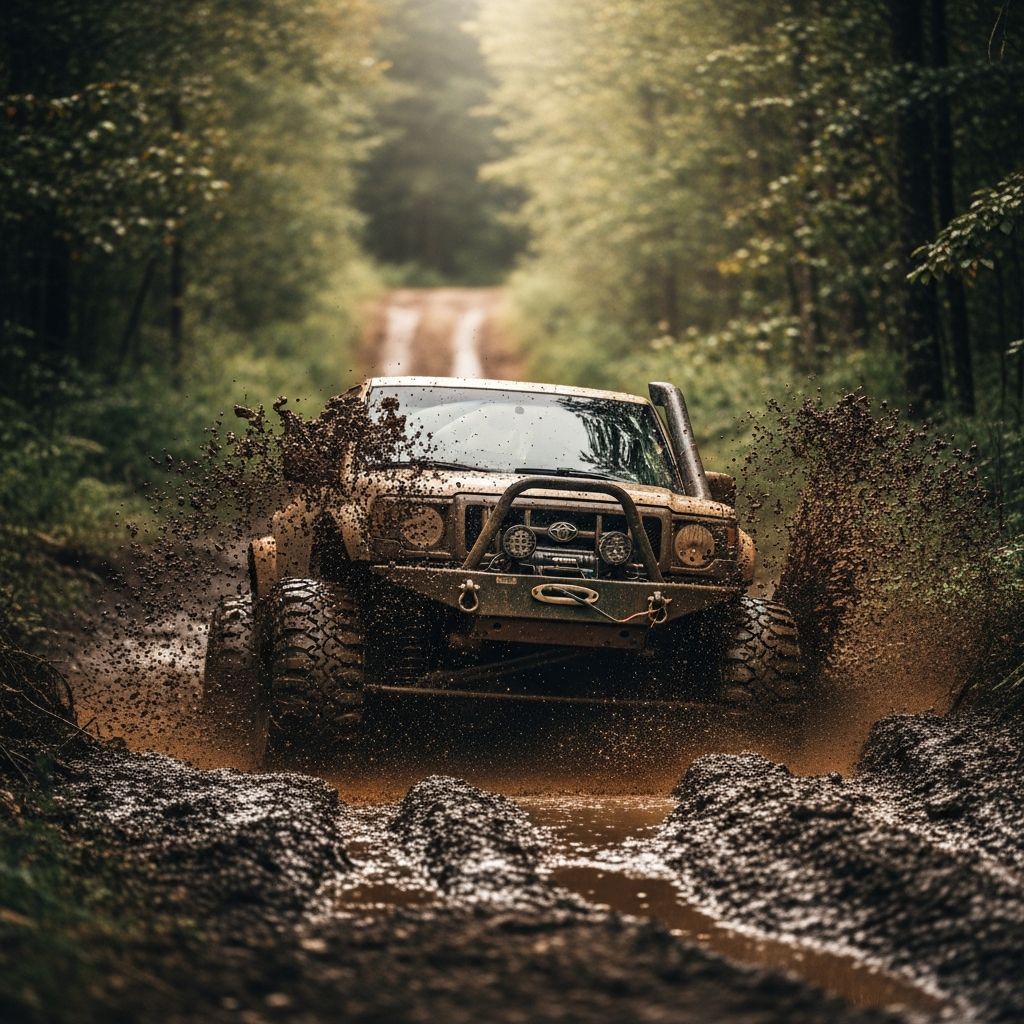
Mudding, sometimes called mud bogging or mud racing, is the recreational or competitive practice of driving vehicles through deep, wet mud for fun or sport. While it can be a thrilling off-road activity, it also raises real legal issues around property rights, environmental protection, and traffic safety. Understanding those rules can mean the difference between a fun weekend and fines, lawsuits, or even criminal charges.
What Exactly Is Mudding?
In modern usage, mudding usually means taking a truck, SUV, ATV, UTV, or other off-road capable vehicle into muddy terrain and deliberately driving, spinning, or racing through mud holes and soft ground. Organized versions of the activity, often called mud bogging, use purpose-built tracks or pits where drivers compete to see who can travel the farthest or the fastest through a mud course.
- Typical vehicles: lifted pickup trucks, Jeeps, side-by-sides, and all-terrain vehicles.
- Common locations: designated off-road parks, private rural land, farm fields (with permission), and occasionally public lands where off-highway use is allowed.
- Styles of riding: casual trail riding after rainstorms, spinning tires in mud holes, or racing on organized mud tracks.
Because mudding often happens far from paved roads and in remote environments, people sometimes assume that ordinary laws do not fully apply. That assumption is incorrect. Property, environmental, and many motor-vehicle laws extend to fields, trails, and public natural areas, not just city streets.
Where Mudding Is Generally Allowed
The law treats mudding very differently depending on who owns the land and what rules apply to that property. In broad terms, mudding is most legally defensible when it happens in places that are explicitly open to off-road vehicle use.
Designated Off-Road Parks and Facilities
Many states and local governments authorize off-highway vehicle (OHV) parks or private off-road parks where mudding is expected and regulated. These areas may be managed by public agencies, private owners, or event promoters, and they typically have posted rules on vehicle types, safety equipment, and trail use.
- Users usually pay an entry fee or sign a waiver.
- Property owners often maintain insurance and post warnings about inherent risks.
- Tracks and pits may be engineered to reduce erosion and protect nearby waterways.
Because these locations are intended for off-road activities, mudding with the operator’s permission is generally lawful, as long as you follow posted rules and any state or local OHV regulations.
Private Property With Permission
Using a friend’s field, farm, or wooded parcel for mudding can be permissible if you have clear consent from the landowner. Property owners in many U.S. states retain broad authority to decide how their land is used, including allowing off-road recreation, subject to environmental and zoning limits.
However, owners who open land for recreational use sometimes carry potential liability exposure if visitors are injured. To manage this, many states have recreational use statutes that limit landowner liability when they allow the public to use land for activities like hiking, hunting, or off-road riding without charging a fee, as long as the owner does not act willfully or maliciously. These protections vary by state and may not fully apply if the landowner actively organizes or profits from events.
Public Lands Where OHVs Are Authorized
On federal or state-managed lands, off-road driving is governed by agencies such as the U.S. Forest Service and Bureau of Land Management, which create travel management plans and designate routes for OHV use. In many areas, motor vehicles must remain on designated roads, trails, or open areas, and cross-country mudding in meadows, wetlands, or streambeds is prohibited.
Breaking these rules can result in citations, fines, and mandatory restoration work. In severe cases involving resource damage or repeat violations, criminal charges may be possible under state or federal law.
When Mudding Becomes Illegal
Mudding often crosses legal lines when drivers venture onto land without permission, harm sensitive environments, or violate motor-vehicle and safety laws. The same activity that is legal at a permitted venue can be unlawful if done in the wrong place or in a reckless way.
Unauthorized Use of Private Land
Driving onto someone else’s land to spin tires in a field, pasture, or forest without permission may constitute trespass. U.S. states typically define criminal trespass as entering or remaining on property without consent, especially after notice that entry is forbidden. Damage to crops, fences, or soil can raise the stakes.
| Legal Concept | How It Can Arise in Mudding |
|---|---|
| Criminal trespass | Driving into posted fields or fenced land to mud without permission. |
| Criminal mischief / vandalism | Rutting fields, tearing up pastures, or destroying crops or landscaping. |
| Civil trespass | Landowner sues for entry and damage, even if no criminal charges. |
| Negligence | Causing ruts that lead to erosion or drainage issues affecting neighbors. |
Landowners sometimes respond by calling law enforcement, documenting damage, and seeking restitution. Damaging farm fields or timber land can quickly reach thousands of dollars, making criminal charges or civil lawsuits more likely.
Damage to Public Lands and Resources
On public lands, mudding outside designated areas can violate state and federal rules designed to protect natural resources. For example, unauthorized off-road vehicle use can harm soils and vegetation, leading to erosion and sediment runoff into waterways. Agencies such as the U.S. Forest Service and National Park Service routinely enforce these rules and can cite offenders for driving in closed areas, damaging wetlands, or disturbing wildlife habitat.
- Wetlands and streams: Many jurisdictions strictly regulate driving through wetlands or streambeds because vehicle traffic can crush vegetation, alter water flow, and increase sediment pollution.
- Endangered species habitat: Areas that shelter sensitive species are often closed to motorized travel, and violations may result in heightened penalties.
- Restoration orders: Offenders can sometimes be required to help restore damaged areas or reimburse agencies for repair costs.
Vehicle, Traffic, and Safety Violations
Even when mudding occurs on legal land, drivers may still violate general motor-vehicle and safety laws. Many states regulate off-highway vehicles, including age limits for riders, helmet requirements, and rules on operating under the influence of alcohol or drugs.
- Driving under the influence (DUI / DWI): Operating an off-road vehicle while impaired can lead to the same or similar criminal charges as drunk driving on a public road in many states.
- Reckless driving: Stunts that endanger passengers or bystanders may be treated as reckless or careless driving, particularly where organized events open tracks to spectators.
- Unregistered OHVs: Some jurisdictions require off-highway vehicles to be titled or registered and to display stickers or plates when used on public lands.
Environmental and Land-Use Concerns
Environmental impacts are a major reason regulators restrict mudding in sensitive areas. Deep tire ruts can compact soil, destroy plant roots, and alter natural drainage, and repeated passes can turn meadows or streambanks into degraded mud pits that wash sediment downstream.
According to land management and environmental authorities, uncontrolled off-road vehicle use can:
- Increase erosion and sediment delivery to rivers and lakes, harming water quality and aquatic life.
- Damage wetlands and riparian zones that filter pollutants and provide wildlife habitat.
- Spread invasive plants when mud and seeds stick to tires and chassis.
Because of these risks, many public agencies restrict mudding to hardened routes and specially designed pits, require seasonal closures during wet periods, or ban motorized use entirely in sensitive areas. Ignoring those limits can trigger administrative penalties or criminal citations.
Injuries, Accidents, and Legal Liability
Mudding involves heavy vehicles, poor traction, limited visibility, and often alcohol—conditions that can contribute to serious accidents. When people are hurt, questions of civil liability arise, particularly if injuries result from negligence or unsafe conditions.
Common Risk Factors
- High speeds on unpredictable terrain.
- Rollovers on uneven or rutted ground.
- Passengers riding in truck beds or on external parts of vehicles.
- Lack of helmets or restraints in ATVs and side-by-sides.
Research on off-road vehicle crashes shows elevated rates of serious injury and death, especially when riders do not wear helmets or seatbelts and when alcohol is involved. If an injured rider (or their family) brings a lawsuit, they may argue that a driver, landowner, or event organizer failed to act with reasonable care.
Potential Theories of Liability
- Negligence by the driver: driving too fast for conditions, ignoring safety rules, or operating while impaired.
- Premises liability for landowners: failing to warn of hidden hazards or maintain reasonably safe riding areas, depending on state law and the visitor’s legal status.
- Event organizer liability: inadequate course marking, poor crowd control, or lack of emergency planning at organized mud events.
Liability rules vary widely among states and can be influenced by recreational use statutes, comparative fault rules, and waivers. Anyone seriously injured in a mudding accident should consult an attorney familiar with local motor-vehicle and premises liability law.
Criminal Versus Civil Consequences
Legal problems arising from mudding can show up in both the criminal and civil systems:
- Criminal cases are brought by the government and can lead to fines, probation, restitution, or jail for offenses like trespass, vandalism, DUI, or violating public-lands rules.
- Civil cases are brought by injured parties or landowners seeking money damages or injunctions, such as payment for crop damage or medical bills.
The same conduct—say, unauthorized mudding in a farmer’s field—might result in a criminal trespass charge from the state and a civil lawsuit from the farmer seeking compensation for ruts, broken fences, and lost yields.
Practical Tips for Legal and Safer Mudding
Off-road enthusiasts can reduce both legal and physical risk by following a few core practices.
1. Confirm Land Access and Rules
- Get explicit permission before entering private land; do not rely on word-of-mouth or assumptions.
- On public lands, check agency maps and signage for designated vehicle routes and seasonal closures.
- Respect gates, fences, and “No Trespassing” or “Closed to Motor Vehicles” signs.
2. Avoid Sensitive Areas
- Stay out of wetlands, creek beds, and marshy meadows unless clearly marked as open for vehicles.
- Do not spin tires in drainage ditches, irrigation canals, or near culverts.
- Use existing tracks or hardened routes rather than creating new ruts across vegetation.
3. Follow Vehicle and Safety Laws
- Never operate off-road vehicles while impaired by alcohol or drugs.
- Follow age and helmet requirements for ATVs and similar machines.
- Use seatbelts and proper seating; avoid passengers standing or riding in unsafe positions.
4. Prepare for Emergencies
- Carry basic recovery gear, first-aid supplies, and a way to call for help.
- Travel with others, especially in remote or heavily rutted areas.
- Let someone know where you are going and when you expect to return.
When to Talk to a Lawyer
Because mudding touches multiple areas of law—criminal, civil liability, property, and environmental regulation—legal situations can be complex. It may be wise to consult an attorney if:
- You have been cited or arrested for trespass, vandalism, DUI, or violating public-lands rules while mudding.
- A landowner is demanding payment for property damage or threatening a lawsuit.
- You or a family member were injured in a mudding crash and you are considering a claim against a driver, landowner, or event organizer.
A local lawyer can explain the specific statutes, case law, and defenses that apply in your state and help you navigate negotiations, insurance claims, or court proceedings.
Frequently Asked Questions (FAQs)
Is mudding legal if there are no signs saying I can’t drive there?
Not necessarily. The absence of a sign does not equal permission. Entering private land without consent can still be trespass, and many public lands prohibit off-road driving outside designated areas even if there is no visible sign at the spot where you enter.
Can I be charged with DUI for operating an ATV or off-road truck in the mud?
In many states, yes. Driving under the influence laws often apply to motor vehicles operated in off-road areas, not just on paved public streets. Operating an OHV while impaired can lead to arrest, fines, license consequences, and a criminal record.
What if my friend invited me to mud on someone else’s land?
You generally need permission from the landowner or someone with legal authority to grant access. A friend’s informal invitation is not a legal defense if the owner did not consent; both the person who invited you and those who entered can face trespass charges or civil claims.
Who pays if my truck damages a farmer’s field?
You, as the driver, can be held responsible for property damage. The landowner may seek compensation through insurance claims, direct negotiation, or a civil lawsuit. If the conduct also violates criminal laws, a court can order restitution as part of sentencing.
Does signing a waiver at a mud park mean I can never sue?
Not always. Waivers can limit some claims but are not absolute shields. Courts may decline to enforce waivers that are overly broad, unclear, or attempt to excuse intentional or grossly negligent conduct. Enforceability depends on state law and the facts of the case; only a qualified attorney can advise you about a specific waiver.
References
- Mud bogging — Wikipedia, The Free Encyclopedia. 2024-01-05. https://en.wikipedia.org/wiki/Mud_bogging
- What does mudding mean? — STANDS4 / Definitions.net. 2025-10-16. https://www.definitions.net/definition/mudding
- Travel Management & Off-Highway Vehicle Use on National Forests — U.S. Forest Service. 2023-04-12. https://www.fs.usda.gov/specialuses/special-off-highway-vehicle-use
- All-Terrain Vehicle (ATV) Safety — U.S. Consumer Product Safety Commission. 2023-06-21. https://www.cpsc.gov/Safety-Education/Safety-Education-Centers/ATV-Safety-Information-Center
- Recreational Use Statutes and Landowner Liability — National Agricultural Law Center, University of Arkansas. 2022-11-01. https://nationalaglawcenter.org/state-compilations/recreational-use/
Similar Articles








Read full bio of Sneha Tete


