Motorcycle Crashes: Risks, Causes, and Legal Insights
Uncover the leading causes of motorcycle crashes, vital safety measures, and essential legal steps for riders seeking justice after an accident.
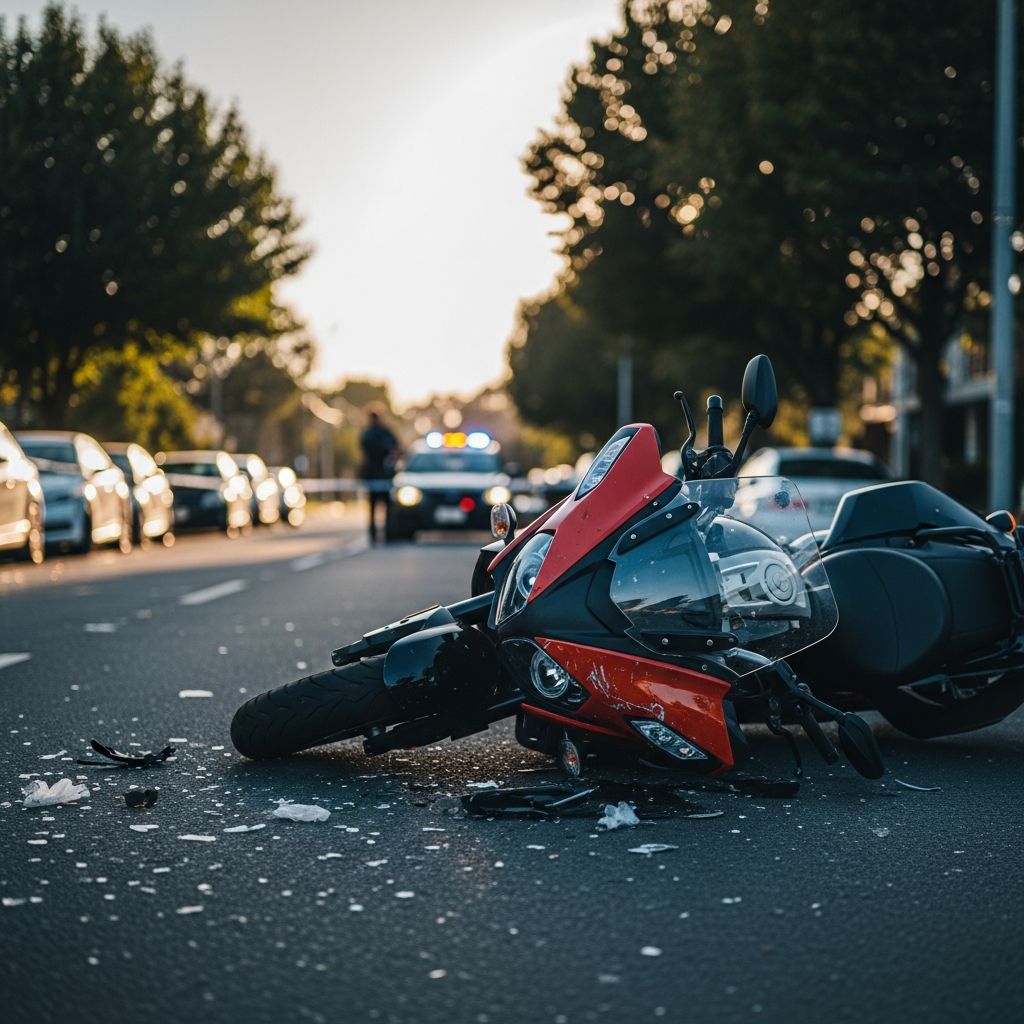
Motorcycle crashes represent a significant public safety challenge, with riders facing heightened vulnerability compared to occupants of enclosed vehicles. In 2023, 6,335 motorcyclists lost their lives in traffic incidents, accounting for 15% of all motor vehicle fatalities despite motorcycles comprising a small fraction of registered vehicles.
Alarming Trends in Motorcycle Fatalities
Fatalities among motorcyclists have surged over the past decade. From 2011 to 2020, deaths in the 55-and-older age group rose by 37%, from 1,087 to 1,486, reflecting an aging rider population with an average age of 43 in 2020. By 2023, the average age of killed riders reached 41, with urban roads hosting 64% of incidents, 94% in good weather, and 49% during daytime hours.
Single-vehicle crashes claimed 2,127 lives in 2023 (40% of total motorcycle fatalities), while multiple-vehicle collisions accounted for 3,898 deaths. Weekends see elevated risks, with 46% of fatalities occurring then, and nighttime hours (9 p.m. to 6 a.m.) showing 44% of killed riders with BACs at or above 0.08%.
Primary Causes Behind Motorcycle Incidents
Human error dominates motorcycle crashes, with equipment failure implicated in only 2% of cases per the National Motor Vehicle Crash Causation Survey. Key contributors include:
- Speeding: 36% of riders in fatal 2023 crashes exceeded limits, up from 33% in 2022, far surpassing rates for passenger cars (22%) or light trucks (16%). Young riders aged 21-24 showed 54% involvement.
- Alcohol Impairment: 26% of 2023 fatalities involved BACs of 0.08 g/dL or higher, plus 7% with 0.01-0.07 g/dL. This exceeds impairment rates for car drivers (24%). Age groups 35-39 (34%) and 45-49 (31%) led in alcohol-related deaths.
- Other Driver Failures: Drivers often fail to detect motorcycles, with 42% of fatal crashes involving left-turn errors by automobiles while riders proceeded straight or overtook. Head-on collisions comprise 74% of incidents.
- Rider Errors in Single-Vehicle Crashes: 37% of 2018 deaths were single-vehicle, often from over-braking, under-cornering, or excess speed. Large-engine bikes (>1400cc) featured in 33% of 2017 fatalities.
The Future of AI: Preventing a Big Tech Monopoly >

California data mirrors national trends: 51% of Los Angeles crashes result in injury, and riders face 32 times the fatality risk per mile traveled compared to car occupants.
Injury Patterns and Prevention Strategies
Head injuries dominate, as the leading cause of motorcyclist deaths, with traumatic brain injuries prevalent. Helmets mitigate this: 65% of fatally injured U.S. riders wore them in 2023, but California achieved 94% compliance among fatalities due to strict laws. Non-helmeted riders in 36% of crashes lacked DOT-compliant protection.
| Factor | National 2023 Stats | California 2023 Insights |
|---|---|---|
| Speeding in Fatal Crashes | 36% | 36% (up 3% from 2022) |
| Alcohol Impairment (BAC ≥0.08) | 26% | 26% |
| Helmet Use Among Fatalities | 65% | 94% |
| Weekend Fatalities | 46% | 46% |
Post-crash hazards like fuel spills (62% of cases) elevate fire risks. SafeTREC notes unsafe speed, right-of-way violations, and improper turns as top California causes, with only 7% of operators drinking pre-collision versus 11% for cars.
Immediate Response After a Crash
Prioritize safety: Move to a secure spot if possible, activate hazards, and avoid moving injured parties to prevent spinal aggravation. Call 911 promptly, providing crash details without admitting fault. Document via photos of scene, vehicles, injuries, and witnesses; exchange info with others involved.
Seek medical evaluation even for minor symptoms, as delayed issues like concussions emerge. Preserve evidence like clothing and helmet for claims, notifying your insurer while consulting a lawyer before statements.
Navigating Insurance and Liability
Motorcycle policies mirror auto coverage: liability for others’ damages, collision/comprehensive for your bike, uninsured motorist for hit-and-runs. No-fault states limit suing your insurer; most allow claims against at-fault parties.
Shared fault reduces awards proportionally (e.g., 30% fault yields 70% recovery). A 70% car-driver-fault crash might cover medical bills, lost income, pain via settlement or suit.
Building a Strong Compensation Claim
Gather police reports, medical records, wage statements, expert reconstructions. Common recoveries include:
- Medical expenses (hospital, rehab, meds)
- Lost wages and earning capacity
- Property damage (bike repairs/replacement)
- Pain/suffering, emotional distress
- Wrongful death (family support, funeral)
Statute of limitations (2-3 years typically) urges prompt action. Lawyers assess via police/medical review, negotiate with insurers, litigate if needed, often no-win-no-fee.
Rider Safety Best Practices
Enhance visibility with bright gear, maintain space from cars. Helmets reduce death risk substantially; avoid impairment entirely. Training via MSF courses sharpens skills. Regular maintenance prevents rare equipment failures.
Advocacy pushes for awareness campaigns, infrastructure like dedicated lanes.
Frequently Asked Questions
What percentage of motorcycle crashes involve speeding?
A: In 2023, 36% of fatal crashes involved speeding, highest among young riders aged 21-24 at 54%.
Do helmets prevent fatalities?
A: Yes, 65% of killed riders wore helmets nationally, but higher compliance correlates with lower death rates.
Are most crashes the rider’s fault?
A: No, 70% involve other vehicles, often due to failure to yield or detect the motorcycle.
What if alcohol is involved?
A: 26% of 2023 fatalities had BAC ≥0.08, disqualifying coverage in some policies and strengthening defendant defenses.
How long to file a claim?
A: Typically 2-3 years from incident; consult local laws immediately.[Specialized knowledge based on standard statutes]
Conclusion: Safer Roads Ahead
Rising fatalities demand vigilance from riders and drivers alike. Helmets, sobriety, and awareness save lives; legal recourse ensures accountability. Stay informed, ride defensively.
References
- 10 Most Common Motorcycle Accident Causes — GA Law Firm. 2023. https://www.galawfirm.com/blog/motorcycle-accident-causes/
- 2020 Data: Motorcycles – CrashStats — NHTSA. 2021-05-03. https://crashstats.nhtsa.dot.gov/Api/Public/Publication/813306
- Top 40 Motorcycle Accident Statistics — Shiner Law Group. 2023. https://shinerlawgroup.com/top-40-motorcycle-accident-statistics/
- California Motorcycle Accident Statistics and Trends 2025–2026 — Los Angeles Personal Injury Attorney. 2025. https://losangelespersonalinjury.attorney/blog/california-motorcycle-accident-statistics
- Los Angeles Motorcycle Accident Statistics — Vaziri Law Group. 2023. https://www.vazirilaw.com/blog/los-angeles-motorcycle-accident-statistics/
- SafeTREC California Motorcycle Safety Facts — UC Berkeley SafeTREC. 2017-02. https://safetrec.berkeley.edu/sites/default/files/safetrec_motorcycle_fact_sheet_feb_2017.pdf
- Fatality Facts 2023: Motorcycles and ATVs — IIHS. 2024. https://www.iihs.org/research-areas/fatality-statistics/detail/motorcycles-and-atvs
Similar Articles






Read full bio of Sneha Tete