Morning After DUI: Expert Guide To Next-Day Charges
Can police charge you with DUI the next morning after drinking? Explore legal risks, defenses, and prevention strategies across states.
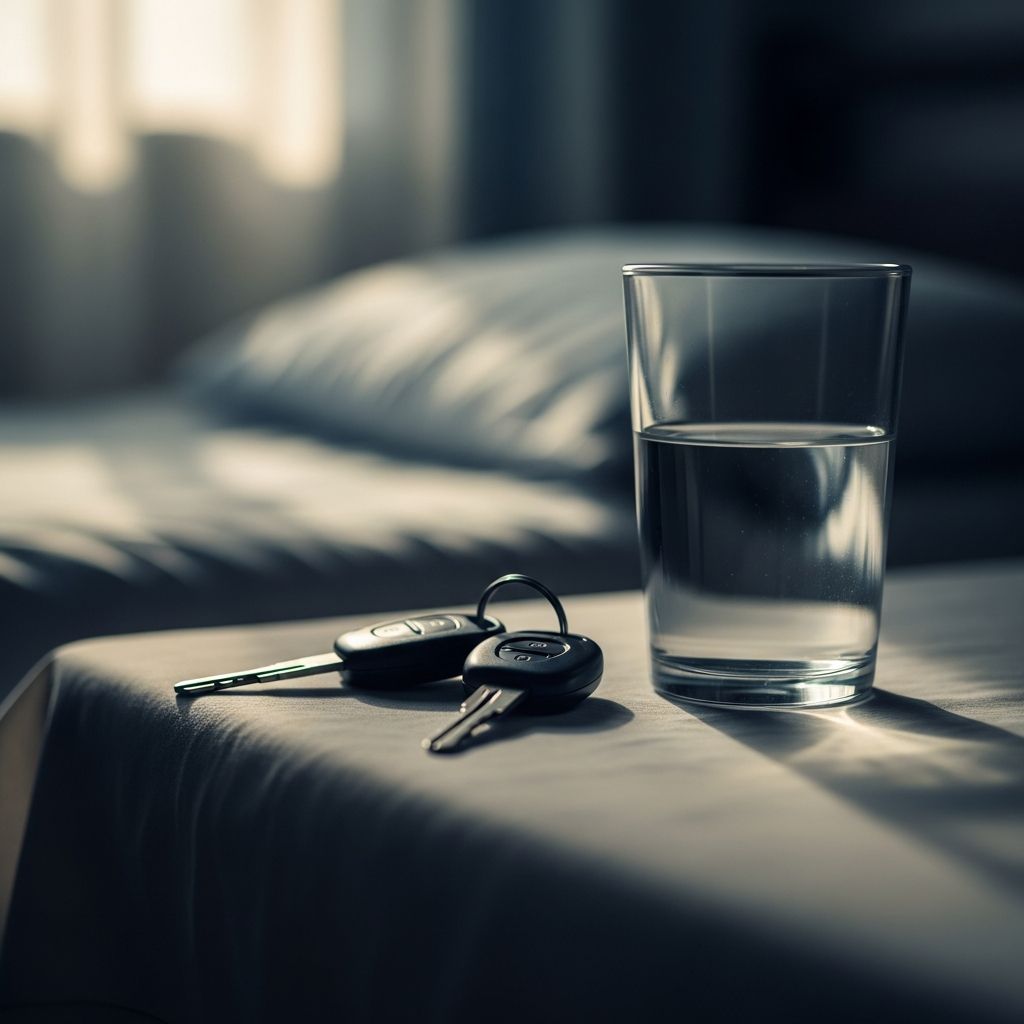
Driving the morning after a night of drinking raises serious legal questions for many. While you may feel sober, authorities can still pursue DUI charges if evidence suggests impairment at the time of driving. This article examines when and how such charges arise, the science behind blood alcohol levels, state variations, potential consequences, and protective measures.
Understanding Delayed DUI Prosecutions
Prosecutors do not always need an immediate arrest to file DUI charges. Investigations can unfold days or weeks later based on emerging evidence. For instance, if an officer releases you during a stop due to insufficient probable cause at that moment, new information like witness accounts can prompt later action.
Probable cause typically involves observable signs of impairment, such as unsteady gait, odor of alcohol, or poor performance on sobriety tests. Without these during the initial encounter, no arrest occurs—but this does not end the matter.
Common Triggers for Next-Day Charges
Several scenarios lead to retroactive DUI investigations:
- Witness Observations: Other drivers reporting swerving or erratic behavior can provide key evidence, even if police did not witness it directly.
- Post-Accident Testing: Hospital blood draws after crashes often reveal elevated BAC, leading to charges once results return.
- Video Evidence: Dashcam footage or bar surveillance capturing impaired exit and driving can surface later.
- Admissions: Statements to friends or police admitting recent drinking and driving strengthen cases.
These elements allow law enforcement to reconstruct events, proving operation of a vehicle while impaired.
The Science of Blood Alcohol Concentration Over Time
Blood alcohol concentration (BAC) does not vanish instantly. After drinking stops, the body metabolizes alcohol at roughly 0.015% per hour, but levels peak 30-90 minutes post-consumption.

The Future of AI: Preventing a Big Tech Monopoly >

Retrograde Extrapolation: Experts use this method to estimate prior BAC from later tests. If a morning breathalyzer shows 0.05% and two hours have passed since driving, calculations might project 0.08% or higher at the wheel. Factors like weight, gender, food intake, and metabolism influence accuracy.
| Factor | Impact on BAC Decline |
|---|---|
| Male, 180 lbs, empty stomach | Faster initial rise, steady decline ~0.015%/hr |
| Female, 140 lbs, with food | Slower absorption, potentially prolonged elevation |
| Recent heavy drinking | Risk of rising BAC during early drive |
This table illustrates variability; courts accept expert testimony on extrapolation, making morning tests prosecutable.
State-Specific Rules and Statutes of Limitations
Laws differ by jurisdiction, affecting charge timelines and definitions of ‘driving.’
- California: Misdemeanor DUIs have a 1-year statute; felonies extend to 3 years. Vehicle Code 23152 prohibits driving with BAC over 0.08% or while impaired.
- Maryland: Charges possible without traffic stops via retroactive probes; ‘operating’ includes broad control interpretations.
- General U.S.: Most states mirror federal BAC limits, with lookback periods of 7-10 years for priors enhancing penalties.
Even without active driving during testing, ‘control’ of a vehicle (e.g., keys in ignition) can trigger charges in some areas.
Potential Penalties for Conviction
A morning-after DUI conviction carries steep repercussions, scaling with priors and severity.
| Offense Level | Jail Time | Fines | License Impact |
|---|---|---|---|
| First Misdemeanor | Up to 6 months | $390-$1,800+ | 4-6 months suspension |
| With Injury | Up to 1 year | $1,000-$5,000 | 1 year revocation |
| Felony/Repeat | 16 months-4 years | $5,000+ | 3+ years, IID required |
Additional sanctions include probation (3-5 years), DUI school, ignition interlock devices, and insurance hikes. Aggravators like high BAC (>0.15%) or child passengers worsen outcomes.
Building a Strong Defense Strategy
Experienced attorneys challenge delayed charges effectively:
- Question Probable Cause: Argue lack of direct impairment evidence at driving time.
- Attack Testing: Highlight delays, calibration errors, or medical interferences in samples.
- Expert Witnesses: Counter extrapolation with alternative timelines or conditions like fatigue mimicking intoxication.
- Rights Violations: Suppress evidence from improper Miranda warnings or searches.
- Negotiate Reductions: Plead to wet reckless or infractions to avoid full DUI stigma.
Early intervention preserves video, witnesses, and alibis critical for dismissal.
Prevention Tips: Safe Driving After Drinking
Avoid risks with proactive steps:
- Wait 1 hour per drink minimum; use apps estimating BAC clearance.
- Arrange rideshares, taxis, or designated drivers.
- Never sit in driver’s seat with keys if over limit—even parked.
- Track consumption: Alternate water, eat before drinking.
- If stopped, politely decline field tests; request attorney before chemical tests.
Hydration and rest help, but only time reliably sobers you.
Frequently Asked Questions (FAQs)
Can I get a DUI if my BAC is under 0.08% the next morning?
Yes, if extrapolation shows it was 0.08%+ while driving, or if impairment by drugs/alcohol is proven regardless of BAC.
How long after driving can charges be filed?
Up to 1 year for misdemeanors in states like California; longer for felonies.
What if I wasn’t arrested at the stop?
Officers may release without probable cause then, but later evidence can lead to charges.
Does a hospital blood test count for DUI?
Absolutely; post-crash draws are admissible if chained properly.
Can I fight a morning-after DUI successfully?
Often yes, with challenges to evidence, timelines, and science via skilled counsel.
Morning-after DUIs underscore caution after drinking. Consult local laws and professionals for personalized advice.
References
- Arrested For DUI: Can You Be Charged with a DUI After the Fact? — The Nieves Law Firm. 2023. https://thenieveslawfirm.com/can-you-be-charged-with-a-dui-days-later/
- The Day After DUI: Can You Be Charged with DUI the Next Day? — Be More Legal. 2023. https://www.bemorelegal.com/blog/the-day-after-dui-can-you-be-charged-with-dui-the-next-day
- Can You Be Charged with a DUI Months Later? — DUI Central. 2022-10-01. https://www.duicentral.com/blog/2022/october/can-you-be-charged-with-a-dui-months-later-/
- Driving Under the Influence (DUI) — California DMV (.gov). 2025. https://www.dmv.ca.gov/portal/driver-education-and-safety/dmv-safety-guidelines-actions/driving-under-the-influence/
- Lookback Period for DUI in California — Law Office of Paul Tyler. 2024. https://www.tylerlaw.com/california-dui-lookback-period/
Similar Articles







Read full bio of Sneha Tete