
Missouri Dram Shop Laws: Liability for Alcohol Accidents
Explore Missouri's dram shop laws holding bars and hosts accountable for overserving alcohol leading to injuries and accidents.
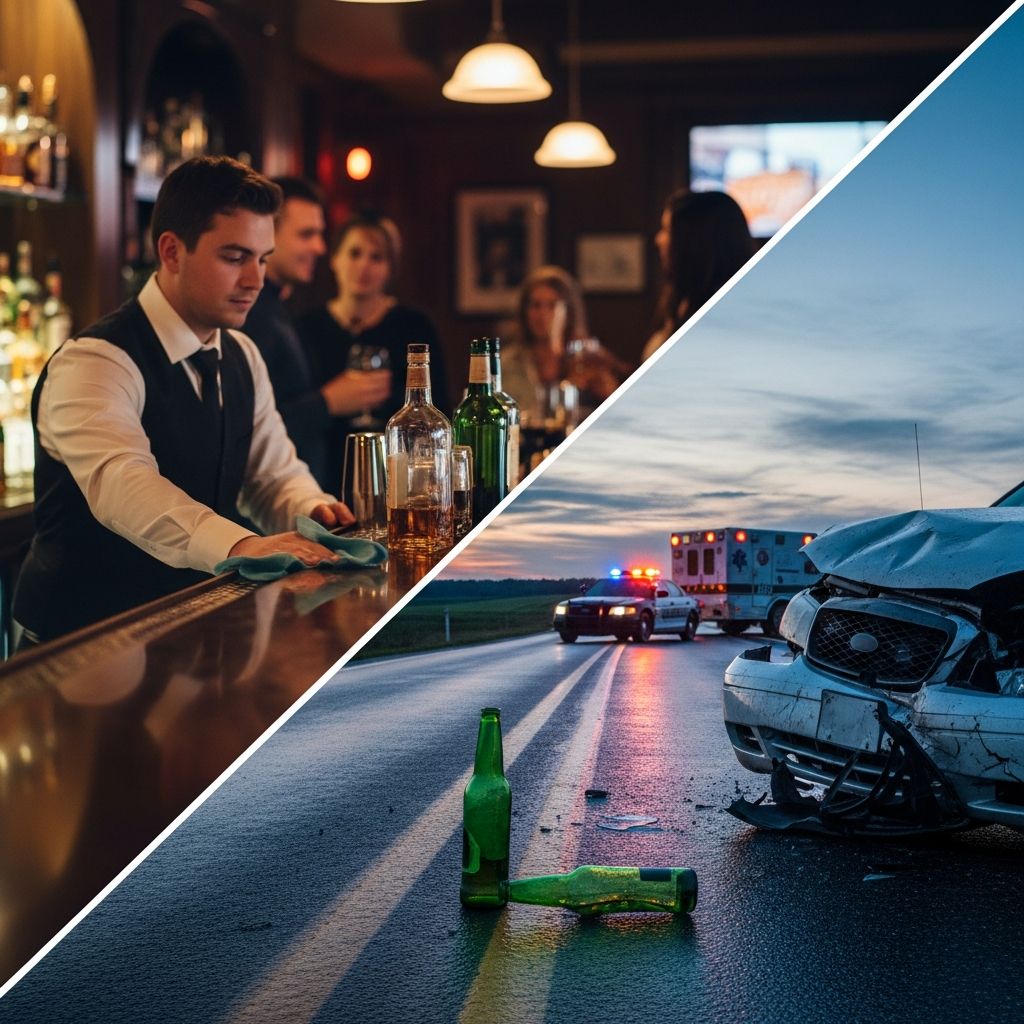
Missouri’s dram shop laws create civil liability for licensed alcohol sellers who serve minors or visibly intoxicated individuals, potentially causing injuries or death to others. These rules balance public safety with business operations by requiring clear proof of negligence in service.
Historical Roots and Policy Foundations
Missouri’s approach to alcohol liability traces back to common law principles where furnishing drinks was not deemed the proximate cause of harm from intoxication. A short-lived Dram Shop Act in 1929 briefly shifted this during Prohibition-era influences, allowing recovery against providers, but it was repealed in 1934, reverting to the rule that consumption—not supply—causes injury.
The current framework under Mo. Rev. Stat. § 537.053 reaffirms this policy while carving out exceptions for specific reckless servings. This statute targets only on-premises licensees, excluding off-sale retailers like liquor stores, as they lack oversight of consumption.
Core Elements of Dram Shop Liability
To succeed in a dram shop claim, plaintiffs must meet a heightened “clear and convincing evidence” standard, proving the licensee knew or should have known they served a minor under 21 or a visibly intoxicated person. “Visibly intoxicated” means significant uncoordinated actions or physical dysfunction, such as stumbling, slurred speech, or impaired balance—signs most observers recognize.
- Serving Minors: Licensees face liability for providing alcohol to anyone under 21, even with fake IDs if the establishment should have detected it.
- Overserving Intoxicated Patrons: Continuing service despite obvious impairment triggers accountability.
- Causation Requirement: The service must proximately contribute to the injury, like a drunk-driving crash.
These elements protect victims while encouraging vigilant service practices in bars and restaurants.
Who Qualifies as a Liable Party?
Liability primarily attaches to licensees selling liquor by the drink for on-site consumption, including:
- Bars, taverns, and nightclubs
- Restaurants with alcohol service
- Social clubs, theaters, and event venues
- Sports arenas and similar licensed spots
Employees serving the alcohol may share responsibility, but owners bear ultimate risk. Package sellers are exempt since alcohol isn’t consumed there.
| Liable Establishments | Non-Liable |
|---|---|
| On-premises bars/restaurants | Liquor stores/grocery outlets |
| Event venues with licenses | Private homes/parties |
| Sports facilities serving drinks | Off-sale retailers |
This table highlights the statute’s narrow focus on observed consumption settings.
Burden of Proof and Evidence Challenges
The “clear and convincing” threshold demands robust proof beyond mere allegation—eyewitness accounts, security footage, or blood alcohol tests linking service to impairment are crucial. Plaintiffs must show the licensee ignored red flags, like a patron’s unsteady gait or underage appearance.
Cases often hinge on fake ID scrutiny; realistic fakes may shield venues, but poor checks expose them. Training staff to spot intoxication and verify ages mitigates risks.
Absence of Social Host Liability
Unlike some states, Missouri imposes no dram shop liability on private individuals or hosts for serving alcohol at home parties. Common law bars claims against social hosts, even if guests drive drunk afterward, emphasizing personal responsibility for consumption.
Exceptions are rare; voluntary intoxication by adults isn’t actionable, except against minors where service negligence applies only to commercial spots. This policy avoids turning every gathering into a legal minefield.
Time Limits for Filing Claims
Victims have five years from the injury date to pursue dram shop lawsuits, a generous statute of limitations compared to standard negligence claims. Missing this window forfeits compensation for medical bills, lost wages, or pain.
Potential Damages and Financial Stakes
Successful claims recover economic losses (e.g., hospital costs, property damage) and non-economic harms (e.g., suffering, disability). Establishments risk substantial payouts, license revocation, and reputational harm from lawsuits.
- Economic: Medical expenses, wage loss, vehicle repairs
- Non-Economic: Emotional distress, reduced life quality
- Punitive: Rare, but possible for egregious overserving
Strategies for Businesses to Avoid Liability
Proactive measures shield venues:
- Staff training on ID checks and intoxication signs
- Security cameras and incident logs
- Refusal policies and cutoff procedures
- Technology for fake ID detection
Compliance reduces claims and promotes safer environments.
Landmark Cases Shaping Dram Shop Enforcement
Missouri courts interpret § 537.053 strictly. In cases involving minors with fake IDs, outcomes depend on ID quality and verification diligence. Visible intoxication claims succeed with video evidence of stumbling patrons served more drinks. These precedents underscore evidence’s role.
Frequently Asked Questions
Can a bar be sued for serving a drunk driver in Missouri?
Yes, if clear evidence shows they knowingly served a visibly intoxicated person or minor who then caused injury.
Does Missouri hold private party hosts liable?
No, social host liability does not exist under state law for non-commercial servings.
What proves ‘visibly intoxicated’?
Significant uncoordination, slurred speech, or dysfunction per statute.
What’s the time limit for dram shop suits?
Five years from the injury date.
Are liquor stores covered?
No, only on-premises consumption licensees.
Navigating a Dram Shop Claim: Next Steps
Injured parties should gather evidence promptly—witness statements, venue videos, BAC results—and consult attorneys experienced in Missouri liability law. Businesses must document refusals and train rigorously to defend claims effectively.
These laws deter reckless service, fostering accountability in Missouri’s hospitality sector while respecting common law limits.
References
- Missouri’s Dram Shop Liability Laws: An Overview — BWO Attorneys. 2023. https://www.bwoattorneys.com/missouri/car-accident-attorney/dram-shop-liability-laws/
- What Is Missouri’s Dram Shop Law? — Gausnell, O’Keefe & Thomas. 2023. https://gotlawstl.com/understanding-missouris-dram-shop-law/
- Understanding Dram Shop Liability Claims — BF Law Firm. 2023. https://bflawfirm.com/understanding-dram-shop-liability-claims/
- Revised Statutes of Missouri, RSMo Section 537.053 — Missouri Revisor of Statutes (.gov). Accessed 2026. https://revisor.mo.gov/main/OneSection.aspx?section=537.053
- Dram Shop and Social Host Liability Laws in Missouri — Nolo. 2023. https://www.nolo.com/legal-encyclopedia/dram-shop-laws-social-host-liability-alcohol-related-accidents-missouri.html
Similar Articles








Read full bio of medha deb


