
Employer Minimum Wage Obligations: 5 Essential Compliance Steps
Navigate federal and state minimum wage laws to ensure workplace compliance.
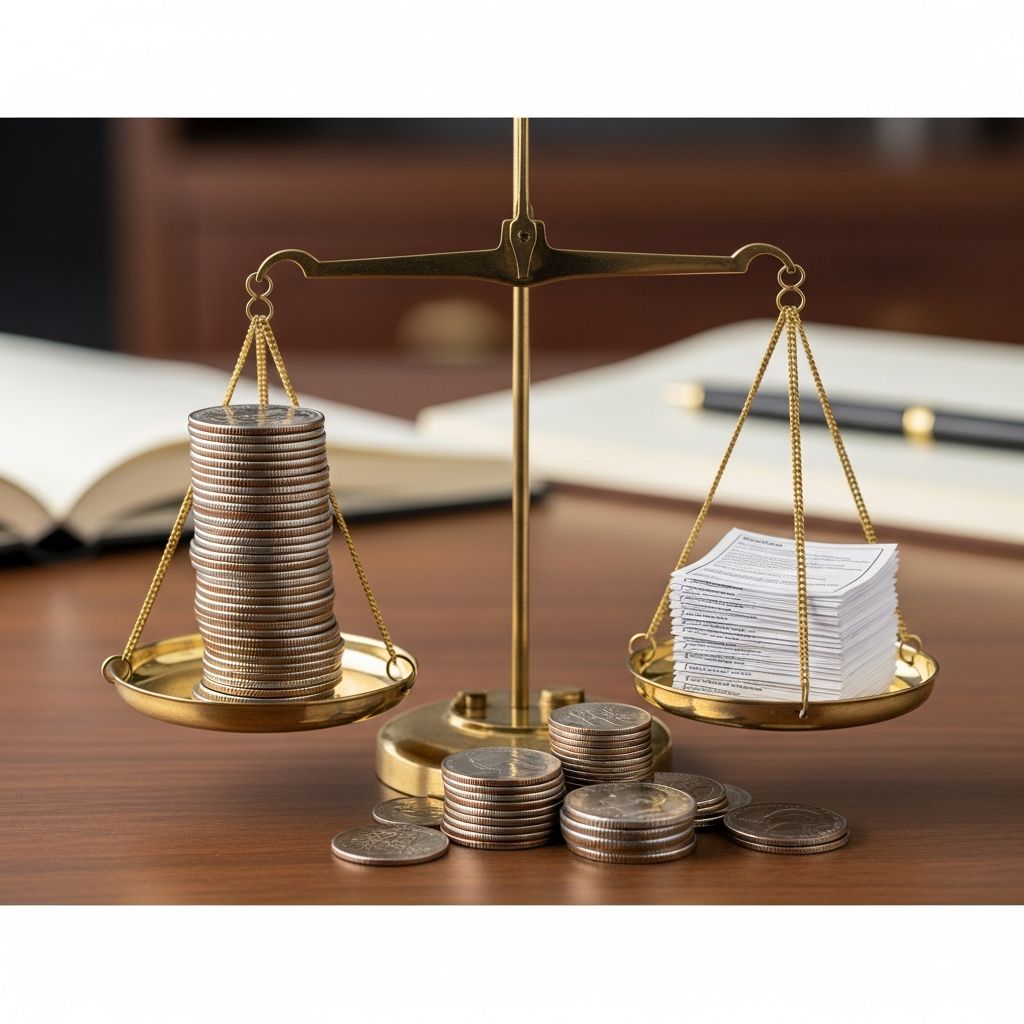
Minimum wage laws establish the lowest hourly rate employers must pay their workers. These regulations exist at both the federal and state levels, and employers must navigate a complex system of overlapping requirements to maintain legal compliance. Understanding these obligations is essential for any business that employs hourly workers, as violations can result in significant penalties and legal liability.
The Foundation of Federal Wage Standards
The Fair Labor Standards Act (FLSA), enacted in 1938, forms the cornerstone of federal wage and hour regulations in the United States. This landmark legislation established the federal minimum wage and continues to serve as the baseline for wage requirements across the country. The current federal minimum wage stands at $7.25 per hour, a rate that has remained unchanged since 2009.
The FLSA applies to all employers engaged in interstate commerce or whose gross annual sales exceed a certain threshold. Under this law, employers must pay covered employees at least the federal minimum wage for all hours worked, regardless of the type of work performed or the employee’s age, experience, or skill level. However, certain categories of workers receive exemptions from minimum wage requirements, including executive, administrative, and professional employees, as well as some specialized workers such as those in agriculture or domestic service.
How State Minimum Wages Create Layered Requirements
While the federal minimum wage applies nationwide, states possess the authority to establish their own minimum wage standards. This creates a dual system where employers must comply with both levels of regulation. The critical principle governing this interaction is straightforward: employers must pay whichever wage is higher—federal or state.
States vary dramatically in their approach to minimum wage policy. As of 2026, twenty-one states have increased their minimum wages, reflecting growing concerns about the cost of living and worker compensation. At one end of the spectrum, several states maintain minimum wages equal to the federal floor of $7.25 per hour, while others have established significantly higher standards.
States at the Federal Minimum
Nineteen states currently defer to the federal minimum wage requirement of $7.25 per hour:
- Alabama
- Georgia
- Idaho
- Indiana
- Iowa
- Kansas
- Kentucky
- Louisiana
- Mississippi
- New Hampshire
- North Carolina
- North Dakota
- Oklahoma
- Pennsylvania
- South Carolina
- Tennessee
- Texas
- Utah
- Wisconsin
- Wyoming
States with Below-Federal Minimum Wages
Two states technically maintain statutory minimum wages below the federal level. Georgia and Wyoming both set their minimum wage at $5.15 per hour. However, this creates an important distinction: employers in these states covered by the FLSA must still pay the federal minimum of $7.25, as federal law supersedes state law when the state rate is lower. The lower state rates apply only to employers not covered by the FLSA, which represents a very small segment of the employment landscape.
Oklahoma presents a unique case with its $2.00 minimum wage for very small employers (those with fewer than 10 full-time employees or less than $100,000 in annual gross sales). Like Georgia and Wyoming, this rate applies only to businesses outside FLSA coverage, and most Oklahoma employees are protected by the higher federal standard.
Progressive States Leading in Wage Standards
Eighteen states and Washington, D.C., have moved substantially beyond the federal baseline, establishing minimum wages of $15.00 per hour or higher. These jurisdictions include:
- Arizona
- California
- Colorado
- Connecticut
- Delaware
- Florida
- Hawaii
- Illinois
- Maine
- Maryland
- Massachusetts
- Missouri
- Nebraska
- New Jersey
- New York
- Oregon
- Rhode Island
- Washington
- Washington, D.C.
California exemplifies this trend, with a minimum wage of $15.50 per hour as of 2025, and certain jurisdictions within the state offering even higher rates through local ordinances. Washington holds the distinction of having the highest state minimum wage at $17.13 per hour, while Washington, D.C., leads nationally at $17.95 per hour.
Specific State Examples and Recent Changes
Several states have implemented notable minimum wage adjustments reflecting inflation and cost-of-living considerations. Connecticut increased its minimum wage to $16.94 per hour effective January 1, 2026, while Hawaii raised its rate to $16.00 per hour on the same date. Maine’s minimum wage reached $15.10 per hour, and Missouri implemented a $15.00 minimum wage on January 1, 2026. Florida’s minimum wage is scheduled to reach $15.00 per hour on September 30, 2026.
These variations demonstrate the patchwork nature of minimum wage regulation in the United States. Employers operating across multiple states must maintain detailed knowledge of each jurisdiction’s requirements or risk unintentional violations.
Beyond State Standards: Local Wage Floors
The complexity of minimum wage compliance extends beyond state boundaries. Many cities and counties have enacted their own minimum wage ordinances that supersede both state and federal requirements. These local jurisdictions often establish rates substantially higher than their state counterparts, reflecting regional economic conditions and cost-of-living factors.
New York City’s minimum wage of $15.00 per hour and Los Angeles’s locally-mandated rates exemplify this trend. When local jurisdictions establish minimum wages, employers must identify and apply the highest applicable rate among federal, state, and local standards. This means a business operating in a city with a higher minimum wage than its state must pay the city rate to employees working within that jurisdiction.
Automatic Adjustments and Annual Wage Changes
An important distinction between federal and state wage policies involves adjustment mechanisms. The federal minimum wage remains static until Congress enacts legislation to increase it, which has occurred infrequently (the last increase was in 2009). Conversely, many states have implemented automatic adjustment mechanisms that raise their minimum wages annually based on inflation or cost-of-living indices.
These automatic adjustments mean that employers in certain states must monitor and update their payroll systems regularly to maintain compliance. States with this feature ensure that minimum wage rates keep pace with economic conditions, providing workers with ongoing purchasing power protection and requiring employers to adjust compensation systematically.
Special Wage Categories and Exceptions
Beyond the standard minimum wage requirements, certain worker categories may receive different compensation standards. Delaware permits a youth or training wage equal to 90 percent of the state minimum wage for employees under 18 or during their first 90 days of employment. California has implemented a noteworthy exception for fast-food workers, requiring employers with 60 or more locations nationwide to pay at least $20.00 per hour.
Additionally, some states maintain tipped minimum wages that differ from standard minimum wage requirements. Indiana’s tipped minimum wage mirrors the federal tipped minimum wage, reflecting federal standards. The distinction between standard and tipped wages acknowledges the complex compensation structures in service industries where workers receive gratuities as part of their earnings.
Occupational and Industry-Specific Exemptions
Certain occupational categories fall outside minimum wage requirements entirely. Agricultural workers, domestic service employees, outside salespeople, and workers in fishing crews may receive exemptions from minimum wage standards in various states. These exemptions reflect the legislative recognition that certain employment relationships operate under different economic models or have unique characteristics justifying different wage rules.
Employers must carefully evaluate whether their workers qualify for any applicable exemptions, as misclassifying employees can result in significant liability. The FLSA’s relatively narrow definition of exempt workers means that most hourly employees receive minimum wage protections regardless of their specific duties.
Employer Compliance Strategies
To maintain compliance with minimum wage laws, employers should implement several key practices:
- Maintain updated wage schedules: Document the applicable minimum wage rates for each jurisdiction where the business operates, including federal, state, and local requirements.
- Monitor legislative changes: Track pending legislation and automatic adjustments in all relevant jurisdictions to ensure timely implementation of rate changes.
- Audit payroll systems: Regularly review compensation records to confirm that all employees receive at least the applicable minimum wage for all hours worked.
- Document wage calculations: Maintain detailed records demonstrating how wages were calculated and that minimum wage standards were met.
- Consult legal resources: When operating in multiple jurisdictions or managing specialized worker categories, seek guidance on applicable requirements to avoid inadvertent violations.
Consequences of Minimum Wage Violations
Employers who fail to pay applicable minimum wages face substantial penalties. Violations can result in wage recovery obligations, requiring employers to pay workers the difference between what they actually received and what they should have earned under applicable law. Additionally, employers may face civil penalties, and in some cases, criminal sanctions for egregious violations. Lawsuits from affected employees, whether individual or class-action claims, can result in significant financial liability and reputational damage.
The Precedence Principle in Wage Determination
When federal, state, and local wage requirements conflict, a clear hierarchy applies: employers must pay whichever rate is highest among all applicable standards. This principle ensures that workers always receive the maximum protection available under all applicable laws. An employer operating in a jurisdiction with a state minimum wage of $12.00 and a local minimum wage of $15.00 must pay the $15.00 rate, not the state rate. Similarly, if the federal minimum (though rarely applicable as the highest rate) were higher than state and local rates, employers would pay the federal rate.
Frequently Asked Questions
Q: What is the current federal minimum wage?
A: The federal minimum wage is $7.25 per hour, unchanged since 2009. However, employers in states with higher minimum wages must pay those higher rates instead.
Q: If my state minimum wage is lower than the federal minimum, which do I pay?
A: You must pay the federal minimum wage of $7.25 per hour. Federal law supersedes state law when the state rate is lower. Only employers not covered by the FLSA may pay the lower state rate.
Q: How often do states adjust their minimum wages?
A: Adjustment frequency varies by state. Some states adjust automatically each year based on inflation or cost-of-living indices, while others adjust only through legislative action. As of 2026, twenty-one states are increasing their minimum wages.
Q: Do local minimum wage ordinances override state minimum wages?
A: When a local jurisdiction establishes a minimum wage higher than the state rate, employers must pay the local rate to employees working in that jurisdiction. The highest applicable rate always governs.
Q: Are there any worker categories exempt from minimum wage requirements?
A: Yes, certain categories receive exemptions, including executive, administrative, and professional employees, as well as some agricultural, domestic service, and sales workers. However, most hourly workers are covered by minimum wage protections.
Q: What should I do if I’m unsure about my state’s current minimum wage?
A: Consult the U.S. Department of Labor website for comprehensive state-by-state minimum wage information, and verify any local ordinances applicable to your specific work locations.
References
- States Below the Standard: An Analysis of State Minimum Wages and Their Effect on Black Communities — Community Benefit Collaborative/Federal Reserve System. Retrieved from https://www.cbcfinc.org/capstones/economic-opportunity/states-below-the-standard-an-analysis-of-state-minimum-wages-and-their-effect-on-black-communities/
- Federal Minimum Wage vs. State Minimum Wage Guide — APS Payroll. Retrieved from https://apspayroll.com/blog/federal-state-min-wage/
- Minimum Wage Rate in the US by State (2026) — Paycom Blog. 2026. Retrieved from https://www.paycom.com/resources/blog/minimum-wage-rate-by-state/
- Understanding the Differences Between California and Federal Wage & Hour Laws — Myers Law Group. Retrieved from https://www.myerslawgroup.com/understanding-the-differences-between-california-and-federal-wage-hour-laws/
- Minimum Wage Rate by State in the U.S. [2026] — Paycor. 2026. Retrieved from https://www.paycor.com/resource-center/articles/minimum-wage-by-state/
- Minimum Wage Tracker — Economic Policy Institute. Retrieved from https://www.epi.org/minimum-wage-tracker/
- State Minimum Wage Laws — U.S. Department of Labor, Wage and Hour Division. Retrieved from https://www.dol.gov/agencies/whd/minimum-wage/state
Similar Articles








Read full bio of Sneha Tete




