
Michigan Living Trusts: 6-Step Guide To Avoid Probate
Master revocable living trusts in Michigan: avoid probate, secure assets, and ensure seamless inheritance for your loved ones.
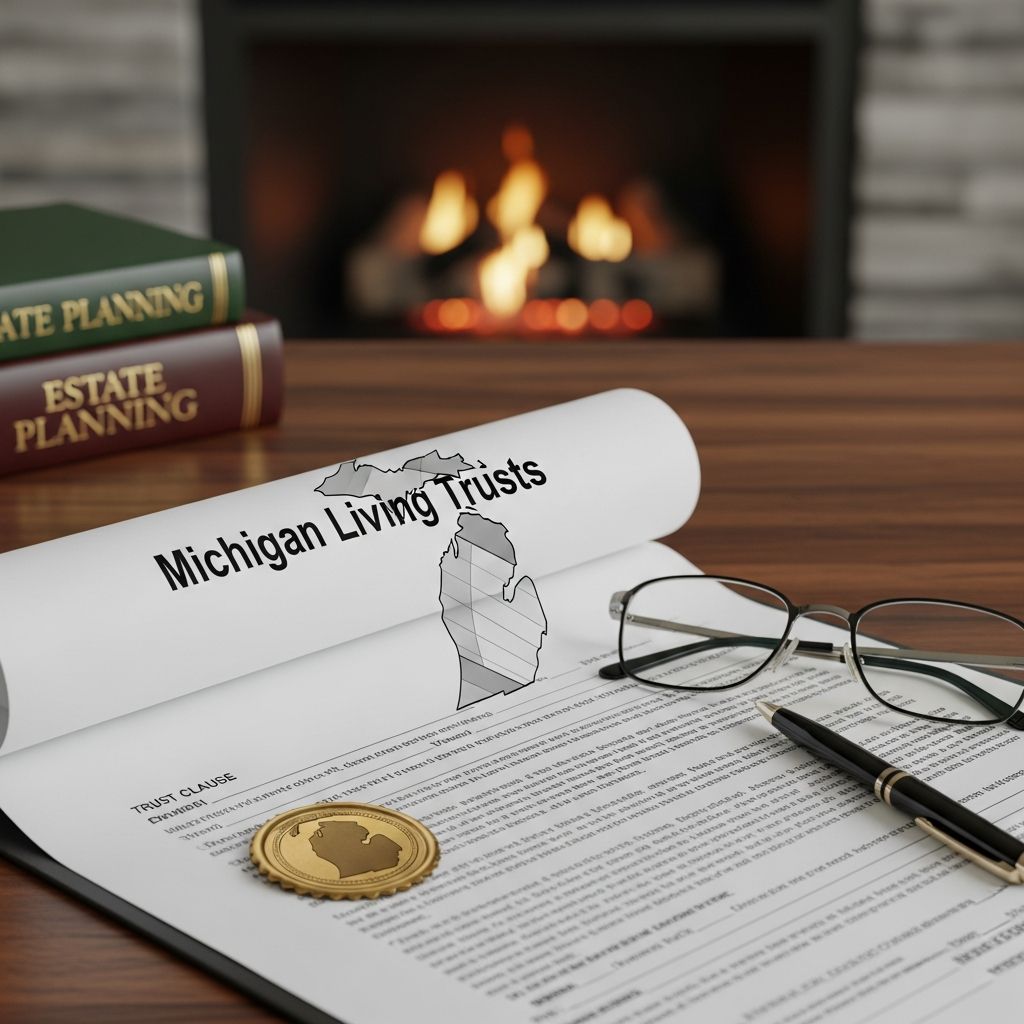
Revocable living trusts offer Michigan residents a powerful tool for estate planning, allowing control over assets during life and smooth transfer upon death or incapacity without court involvement. Governed by the Michigan Trust Code within the Estates and Protected Individuals Code (EPIC), these trusts provide flexibility and privacy.
Understanding Revocable Living Trusts in Michigan
A
revocable living trust
is a legal entity you create to hold property, naming yourself as trustee to manage it while alive and capable. You retain full control to amend, revoke, or withdraw assets anytime. Upon incapacity, a successor trustee steps in; after death, assets distribute directly to beneficiaries, skipping probate.Unlike irrevocable trusts, which are permanent and relinquish ownership for potential tax benefits, revocable ones prioritize control and probate avoidance. Michigan’s adoption of the Uniform Trust Code ensures clear rules for validity and administration.
Key Advantages of Establishing a Living Trust
- Probate Avoidance: Michigan’s probate is streamlined under the Uniform Probate Code, especially for estates under $25,000, but larger ones still face delays and fees. Trusts bypass this entirely.
- Privacy Protection: Probate filings are public; trust distributions remain confidential.
- Incapacity Management: Avoids conservatorship proceedings by empowering your chosen successor trustee immediately.
- Asset Control: Specify precise distribution terms, like staggered payouts to young heirs or spendthrift protections against creditors.
- Multi-State Flexibility: Eases handling out-of-state property without ancillary probate.
Types of Living Trusts Suitable for Michigan Residents
Choose based on marital status and goals:
| Type | Best For | Key Features |
|---|---|---|
| Individual Revocable | Singles or widows/widowers | One grantor; names successor trustee and beneficiaries |
| Joint Revocable | Married couples | Both spouses as grantors/trustees; survivors as successor |
| Irrevocable (less common) | Tax planning or asset protection | Permanent; potential Medicaid or creditor shields |
Joint trusts suit couples with shared assets like homes, simplifying management.
Step-by-Step Process to Create Your Michigan Living Trust
Follow these structured steps for compliance and effectiveness.
Assess Your Estate: Inventory assets—real estate, bank accounts, investments, vehicles, businesses. Determine beneficiaries and goals.
Select Trustees: Name yourself as initial trustee, a trusted successor (spouse, adult child, professional), and backups. Trustees owe fiduciary duties under EPIC to act prudently.
Draft the Document: Outline terms: asset distribution, incapacity provisions, successor instructions. Use an attorney or reputable online service for Michigan-specific language.
Execute Properly: Sign before a notary public. Witnesses may be advisable but aren’t strictly required.
Fund the Trust: Retitle assets: record new deeds for property, update bank/investment accounts, DMV for vehicles. Unfunded trusts fail their purpose.
Maintain and Update: Review every 3-5 years or after life events like births, deaths, divorce, or moves.
Essential Legal Requirements Under Michigan Law
The Michigan Trust Code (MCL 700.7101 et seq.) mandates:
- Grantor capacity and intent.
- Definite beneficiaries.
- Trustee duties defined.
- Notarized written document.
Trusts become invalid if the sole trustee and beneficiary are the same person without proper structure. Spendthrift clauses can shield beneficiaries from creditors.
Comparing Living Trusts and Wills in Michigan
| Feature | Living Trust | Will |
|---|---|---|
| Probate Avoidance | Yes | No |
| Privacy | Yes | No (public record) |
| Incapacity Handling | Yes | No |
| Minor Guardianship | No | Yes |
| Cost to Create | $1,000-$3,000 (attorney) | $200-$1,000 |
| Amendable | Yes (revocable) | Yes |
Most use both: a
pour-over will
catches unfunded assets, directing them into the trust post-probate. Wills remain essential for naming guardians.Costs Associated with Michigan Living Trusts
Expenses vary:
- DIY Online: $100-$600, but risks errors; avoid generic templates.
- Attorney-Drafted: $1,000-$3,000+, including funding guidance. Ideal for complex estates.
- Ongoing: Minimal; trustee fees if professional (1% assets/year), deed recording ($30+ per property).
Long-term savings from probate avoidance (3-7% estate value) often justify upfront costs.
Common Pitfalls and How to Avoid Them
- Forgetting to Fund: Assets outside the trust probate. Solution: Systematic retitling checklist.
- Outdated Documents: Update post-divorce, births, laws. Michigan recognizes community property nuances for newcomers.
- Trustee Selection Errors: Choose organized, impartial individuals; consider co-trustees.
- DIY Oversights: State-specific EPIC compliance requires professional review.
When to Review and Amend Your Trust
Trigger updates for:
- Marriage/divorce/remarriage.
- Birth/adoption/death of beneficiaries.
- Asset changes (inheritance, sales).
- Relocation (adapt to new state laws).
- Trustee/beneficiary changes.
- Tax law shifts.
Amendments are simple: execute a written amendment, notarize, and redistribute copies.
Frequently Asked Questions About Michigan Living Trusts
Do I still need a will with a living trust?
Yes, a pour-over will handles any overlooked assets and appoints guardians for minors.
How long does it take to set up a living trust in Michigan?
1-4 weeks with an attorney; faster DIY, but funding takes extra time.
Can I be my own trustee?
Absolutely, and it’s common for revocable trusts. Name successors for continuity.
Does a living trust save on taxes in Michigan?
No direct savings; revocable trusts use your SSN for taxes. Irrevocable may offer benefits.
Is probate really bad in Michigan?
It’s efficient, but trusts eliminate even that for privacy and speed.
Next Steps for Michigan Estate Planning
Consult a Michigan-licensed estate planning attorney for personalized advice. Online tools like LegalZoom provide affordable starts with attorney review. Pair your trust with powers of attorney and healthcare directives for full protection.
References
- How to Create a Living Trust in Michigan — LegalZoom. 2023. https://www.legalzoom.com/articles/create-a-living-trust-in-michigan
- What Is A Living Trust In Michigan And How Does It Work? — BBA Law. 2023. https://bbalawmi.com/what-is-a-living-trust-in-michigan-and-how-does-it-work/
- Michigan Living Trust: How It Works and Why You May Need One — Michigan Estate Planning. 2023. https://michiganestateplanning.com/michigan-living-trust-how-it-works-and-why-you-may-need-one/
- Setting Up a Trust — Law Office of Blake P. Lipman. 2023. https://blakelipmanatty.com/blog/setting-up-a-trust/
- How To Create A Living Trust In Michigan — SmartAsset. 2023. https://smartasset.com/estate-planning/living-trust-michigan
- Make a Living Trust in Michigan — Nolo. 2023. https://www.nolo.com/legal-encyclopedia/michigan-make-a-living-trust-31968.html
Similar Articles








Read full bio of Sneha Tete


