Michigan HOA Foreclosures: 2025 Guide For Property Owners
Understand HOA liens, foreclosure processes, homeowner rights, and prevention strategies in Michigan communities.
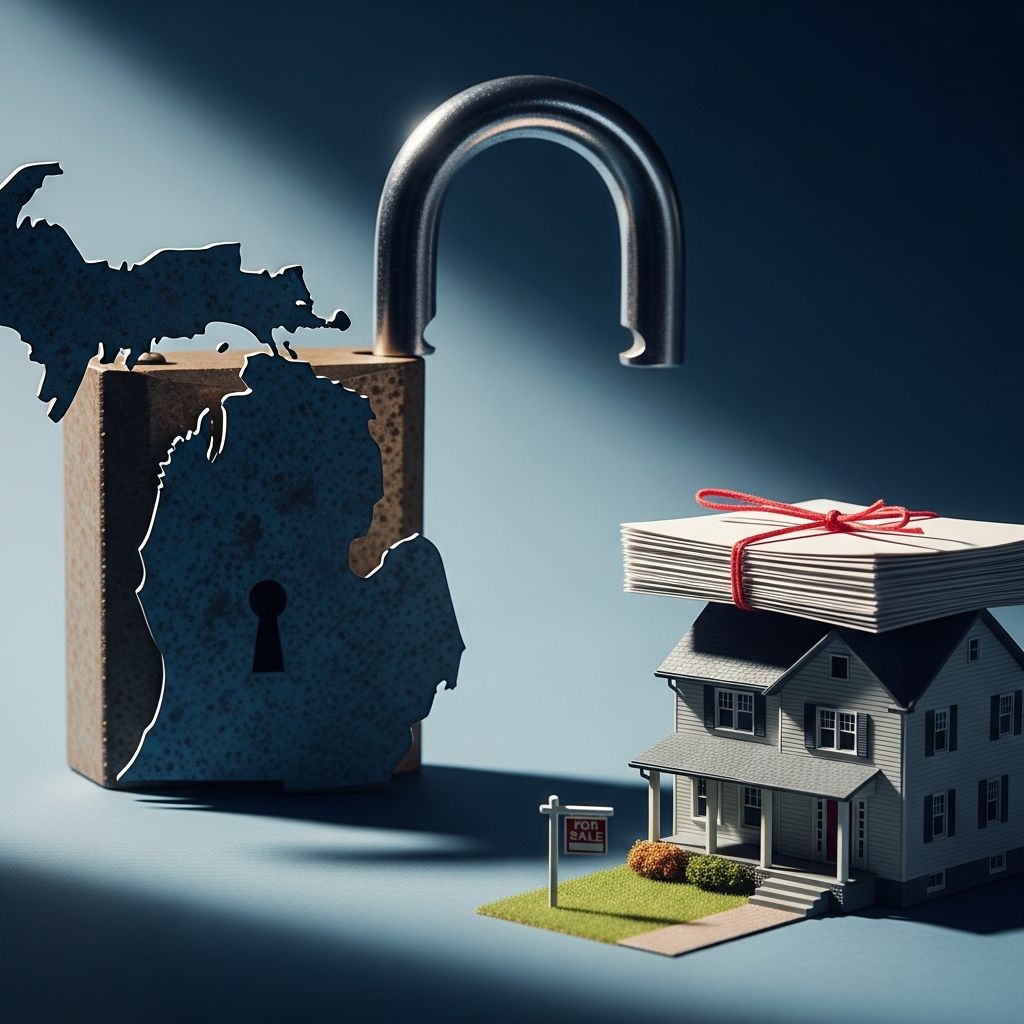
Homeowners associations (HOAs) and condominium associations (COAs) in Michigan play a vital role in maintaining community standards, but unpaid assessments can lead to serious consequences like property liens and potential foreclosures. This guide breaks down the legal framework, processes, and protections available to Michigan residents facing HOA-related financial challenges.
Understanding HOA and COA Assessments in Michigan
HOAs and COAs fund shared amenities, repairs, and services through regular assessments charged to property owners. These fees are outlined in the association’s governing documents, such as the Declaration of Covenants, Conditions, and Restrictions (CC&Rs) for HOAs or the master deed and bylaws for COAs. Michigan law supports these collections to ensure community upkeep.
Failure to pay assessments triggers a series of enforcement steps. Associations can pursue collections under guidelines from the Fair Debt Collection Practices Act, which mandates fair treatment and prohibits abusive tactics. Persistent delinquency allows the association to secure a lien on the property, clouding the title and complicating sales or refinances.
- Common charges in liens: Unpaid dues, late fees, interest, fines for violations, legal costs, and collection expenses.
- Automatic attachment: Liens often arise automatically upon delinquency, with recording providing public notice.
- Governing documents control: Specific allowable charges are detailed in the CC&Rs or condominium bylaws.
The Lien Creation Process
When payments lapse, Michigan HOAs and COAs gain the statutory right to place a lien. For COAs, Michigan Compiled Laws § 559.206 explicitly permits liens for assessment defaults. HOAs follow similar rules via their CC&Rs and state corporate statutes, as most are nonprofit corporations overseen by the Michigan Department of Licensing and Regulatory Affairs.



The Future of AI: Preventing a Big Tech Monopoly >

Recording the lien with the county register of deeds formalizes it, alerting potential buyers and lenders. This step is crucial, as an unrecorded lien may not hold priority against other claims. Homeowners receive notice via first-class mail, typically at least 10 days before further action for COAs.
| Step | Description | Legal Basis |
|---|---|---|
| Delinquency Notice | Initial warning of unpaid amounts | Association bylaws and FDCPA |
| Lien Attachment | Lien secures the property automatically | MCL § 559.206 for COAs; CC&Rs for HOAs |
| Recording | Filed with county for public record | MCL § 559.208 |
| Owner Notification | Mail notice before foreclosure | MCL § 559.208(3) |
Foreclosure Options: Judicial vs. Nonjudicial Paths
Michigan associations can foreclose liens either judicially through court or nonjudicially if permitted by governing documents. COAs have explicit authority under MCL § 559.208(1)-(2), mirroring real estate mortgage foreclosures unless bylaws specify otherwise. HOAs rely on CC&Rs, but state law does not prohibit the process.
Foreclosure is not contingent on mortgage status; even current mortgage payers risk losing their home to HOA action. The process sells the property to recover debts, but junior liens like mortgages survive unless paid from proceeds.
Key Foreclosure Requirements
- Recorded lien and proper notice served.
- Compliance with Michigan Nonprofit Corporation Act for HOA structure.
- Adherence to Michigan Condominium Act for COAs, including non-discrimination under Fair Housing Act and ADA.
Lien Priority and Sale Proceeds Distribution
Lien priority follows the ‘first in time, first in right’ principle. However, Michigan law grants COA liens superpriority for six months of unpaid assessments, taking precedence over later-recorded mortgages. Full liens rank behind only property taxes and first mortgages in some cases.
At auction:
- Taxes and first liens paid first.
- Association lien next, up to its priority amount.
- Excess to junior lienholders or owner.
Low-priority liens may recover nothing, emphasizing early payment importance.
Redemption Rights After Foreclosure Sale
Michigan provides a redemption period post-sale. For COA foreclosures, it’s typically six months, extendable to 12 months if the debt is under two-thirds of original value or for agricultural properties. Homeowners can:
- Occupy the property during redemption.
- Pay the sale bid plus interest and fees to reclaim it.
- Sell or refinance before expiration.
- Maintain insurance, utilities, and upkeep.
Abandonment shortens the period; allow buyer inspections.
Preventing HOA Foreclosure: Practical Strategies
Avoid escalation by acting early:
- Contact the association: Negotiate payment plans before liens.
- Seek hardship assistance: Some offer deferrals.
- Legal aid: Consult attorneys for disputes or defenses.
- Sell proactively: Clear title issues promptly.
Review governing documents annually for changes, like Marketable Record Title Act (MRTA) notices required for older HOAs by 2027.
Legal Framework Governing Michigan HOAs and COAs
Several statutes regulate operations:
- Michigan Condominium Act (MCL 559.101 et seq.): COA formation, liens, foreclosures.
- Nonprofit Corporation Act: HOA corporate compliance.
- Michigan Land Division Act: Common area rules.
- Federal overlays: Fair Housing Act, ADA, FDCPA.
Recent 2025 updates clarify MRTA exemptions for condos and notice requirements for HOAs.
Frequently Asked Questions
Can an HOA foreclose if I’m current on my mortgage?
Yes, HOA liens operate independently; foreclosure priority determines outcomes, not mortgage status.
How long is the redemption period?
Typically six months, potentially 12 under specific conditions.
What defenses exist against wrongful liens?
Challenge via association dispute processes, courts for procedural errors, or FDCPA violations.
Do fines count toward liens?
Yes, if authorized by bylaws, along with legal fees.
Can I evict HOA after foreclosure?
No state provision for eviction solely by HOA; foreclosure sells the property.
Recent Developments and Future Outlook
2025 legislation strengthens protections, like MRTA clarifications preserving older HOA documents with timely notices. Homeowners should monitor updates via the Michigan Department of Licensing and Regulatory Affairs.
Proactive communication remains key. Associations must balance collections with fairness, while owners benefit from understanding rights under MCL § 559.208 and related laws.
References
- Michigan Condominium Act — State of Michigan. 2024. https://www.legislature.mi.gov/documents/mcl/pdf/mcl-Act-59-of-1978.pdf
- HOA and COA Laws and Foreclosures in Michigan — Nolo. 2024. https://www.nolo.com/legal-encyclopedia/michigan-hoa-foreclosures.html
- Michigan HOA Laws and Regulations – 2026 Guide — Steadily. 2026-01-01. https://www.steadily.com/blog/michigan-hoa-laws-regulations
- Stages of Foreclosure — Michigan State Housing Development Authority. 2025. https://www.michigan.gov/mshda/pathway-to-housing/stages-of-foreclosure
- Michigan HOA Laws (2026) — iPropertyManagement. 2026. https://ipropertymanagement.com/laws/michigan-hoa-rules-regulations
- 2025 Michigan Condo and HOA Legislative Update — Michigan Condo Law. 2026-01-14. https://micondolaw.com/2026/01/14/2025-michigan-condo-and-hoa-legislative-update/
Similar Articles








Read full bio of Sneha Tete