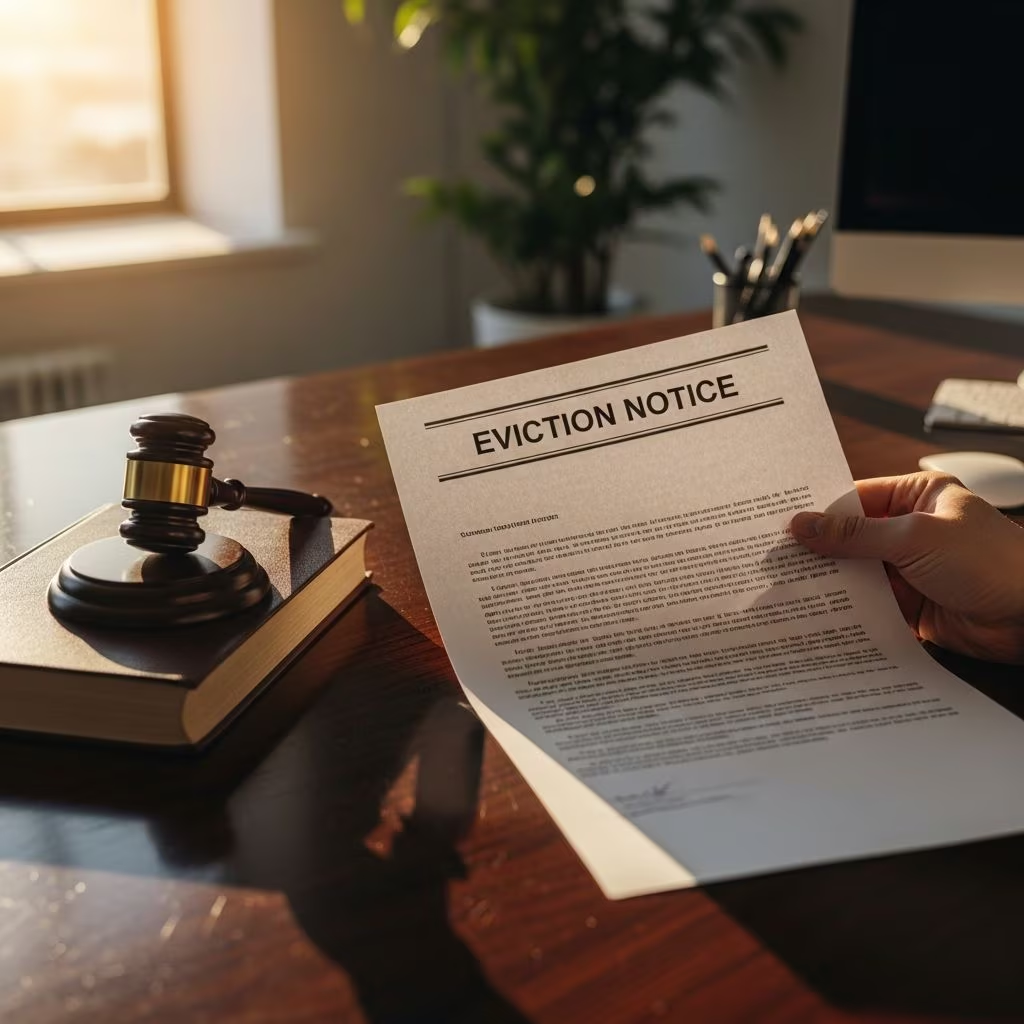
Evicting a tenant requires strict adherence to legal protocols, starting with the proper issuance and delivery of an eviction notice. This initial step sets the foundation for any successful eviction action, ensuring landlords protect their rights while minimizing delays or dismissals.
Understanding the Purpose of Eviction Notices
Eviction notices serve as formal warnings to tenants, outlining specific lease violations and providing opportunities to remedy issues or vacate the premises. These documents are mandatory before filing a court complaint, as courts will dismiss cases lacking valid notices. For nonpayment of rent, notices typically demand payment within a short window, such as three days in many jurisdictions.
Notices also apply to lease breaches like unauthorized occupants or property damage. Failing to specify the exact violation or use the incorrect notice type can invalidate the entire process, forcing landlords to restart.
Common Types of Eviction Notices
Landlords must select the appropriate notice based on the violation and tenancy type. Here’s a breakdown:
- Nonpayment of Rent Notice: Usually a 3-day notice requiring tenants to pay overdue rent or leave. It excludes fees, late charges, or other costs—only base rent qualifies. Deadlines exclude delivery day, weekends, and holidays.
- Curable Lease Violation Notice: A 7-day notice for issues like excessive noise or pet violations, allowing tenants time to correct the problem.
- Uncurable Violation Notice: Immediate or 7-day unconditional quit for severe breaches, such as illegal activities or substantial damage.
- No-Fault or Month-to-Month Termination: 15-day notice for periodic tenancies without cause, delivered before the next rental period.
| Notice Type | Duration | Common Use | Remedy Allowed? |
|---|---|---|---|
| 3-Day Rent | 3 days | Nonpayment | Pay or vacate |
| 7-Day Curable | 7 days | Fixable breaches | Yes |
| 7-Day Uncurable | 7 days | Serious violations | No |
| 15-Day Termination | 15 days | Month-to-month end | N/A |
Commercial evictions often mirror residential 3-day notices for rent defaults but may involve expedited processes.
Key Elements of a Valid Eviction Notice
A strong notice includes precise language, accurate calculations, and clear deadlines. For rent nonpayment, list only owed rent amounts supported by lease terms. Include tenant names, property address, violation details, remedy options, and expiration date.
State statutes often mandate specific wording; for example, unconditional notices must state immediate termination with a 7-day vacate period. Always attach copies when filing complaints to prove compliance.
Approved Methods for Delivering Notices
Proper service prevents challenges in court. Valid methods include:
- Personal Delivery: Hand the notice directly to the tenant or a co-occupant over 15 years old. Obtain a witness or affidavit for proof.
- Door Posting: If tenant is absent, tape conspicuously on the door or entry point. Ideal when avoidance is suspected.
- Mailing: Use first-class, certified, or registered mail. Add 3-5 extra days for mailing time in some cases.
- Process Server: Hire a professional for affidavits documenting service, strengthening court evidence.
Avoid email or text unless lease specifies; courts prioritize traditional methods. Document everything—photos, receipts, affidavits—to counter disputes.
Timeline After Serving the Notice
Once served, tenants get the full period to comply. Nonpayment notices often allow payment plans, rental assistance applications, or full settlement. If ignored, landlords can file immediately post-deadline—no extra wait required, but verify full time elapsed.
Filing involves submitting the complaint, notice copy, lease, and fees to county court. The court issues a summons served similarly to the notice.
Navigating the Court Phase
The summons notifies tenants of a hearing date, typically 5-10 days later. Tenants can raise defenses like improper notice or payment proof.
At the hearing, present evidence: leases, payment records, photos, witness statements. Judges rule on possession; landlord wins grant eviction orders. Even then, law enforcement enforces via writ of possession, posting final vacate notices.
Commercial Eviction Specifics
Commercial notices demand rent or possession within 3 days, with expedited summary procedures under certain statutes. Service mirrors residential but emphasizes affidavits for posting or mail. Tenants have limited defenses post-service unless paying into court registry.
Avoiding Common Pitfalls
Errors like wrong notice type, including non-rent fees, or improper service lead to dismissals. Calculate deadlines meticulously—exclude service day and holidays. Consult local rules, as counties vary (e.g., Pasco requires specific complaint copies).
Self-help evictions—changing locks or utility shutoffs—are illegal, exposing landlords to lawsuits.
Frequently Asked Questions
What if a tenant pays after notice but before filing?
Acceptance may moot the eviction, but document partial payments carefully to avoid waiver claims. Consult an attorney if unsure.
Can I evict during holidays or weekends?
Notices exclude those days from counting; service can occur anytime, but timelines adjust.
How soon can the sheriff remove tenants post-judgment?
A writ allows 24-72 hours typically, followed by forced removal if needed.
Do I need a lawyer for eviction?
Not always for simple cases, but complex disputes or appeals benefit from legal help.
What about squatters or no-lease tenants?
Treat as month-to-month; use 15-day notices or formal ejectment processes.
State Variations and Best Practices
While focused on common U.S. practices like Florida’s, always check state statutes—e.g., Florida’s §83.56 details notice forms. Best practices: Use templates from official sites, hire process servers, keep meticulous records, and consider mediation first.
For nationwide applicability, resources like NLIHC outline universal steps: notice, filing, hearing, judgment, enforcement.
References
- Evictions 101: The Eviction Process: How It Works and What to Know — National Low Income Housing Coalition. Accessed 2026. https://nlihc.org/resource/evictions-101-eviction-process-how-it-works-and-what-know
- Florida Eviction Notice Requirements: 3-Day, 7-Day, and 15-Day Notices Explained — Kelley Grant Law. Accessed 2026. https://kelleygrantlaw.com/florida-eviction-notice-requirements-3-day-7-day-and-15-day-notices-explained/
- Basic Eviction Steps — Pasco County Clerk, FL. Accessed 2026. https://www.pascoclerk.com/168/Basic-Eviction-Steps
- Notice Requirements for Commercial Evictions in Florida — Haber Law. Accessed 2026. https://www.henlaw.com/news-insights/notice-requirements-for-commercial-evictions-in-florida/
- Eviction Laws in Florida: Grounds, Steps and Timelines for Landlords — Azibo. Accessed 2026. https://www.azibo.com/blog/florida-eviction-laws-landlords-and-tenants
- Evictions — 12th Judicial Circuit Court. Accessed 2026. https://www.jud12.flcourts.org/Services/Self-Help-Center/Evictions
- Florida Statutes § 83.56(3) — Florida Legislature. Accessed 2026. https://www.leg.state.fl.us/statutes/index.cfm?App_mode=Display_Statute&URL=0000-0099%2F0083%2FSections%2F0083.56.html