
Mastering Submission Release Forms in Creative Industries
Essential guide to submission release forms: protect your ideas, understand waivers, and navigate creative submissions safely in film, music, and more.
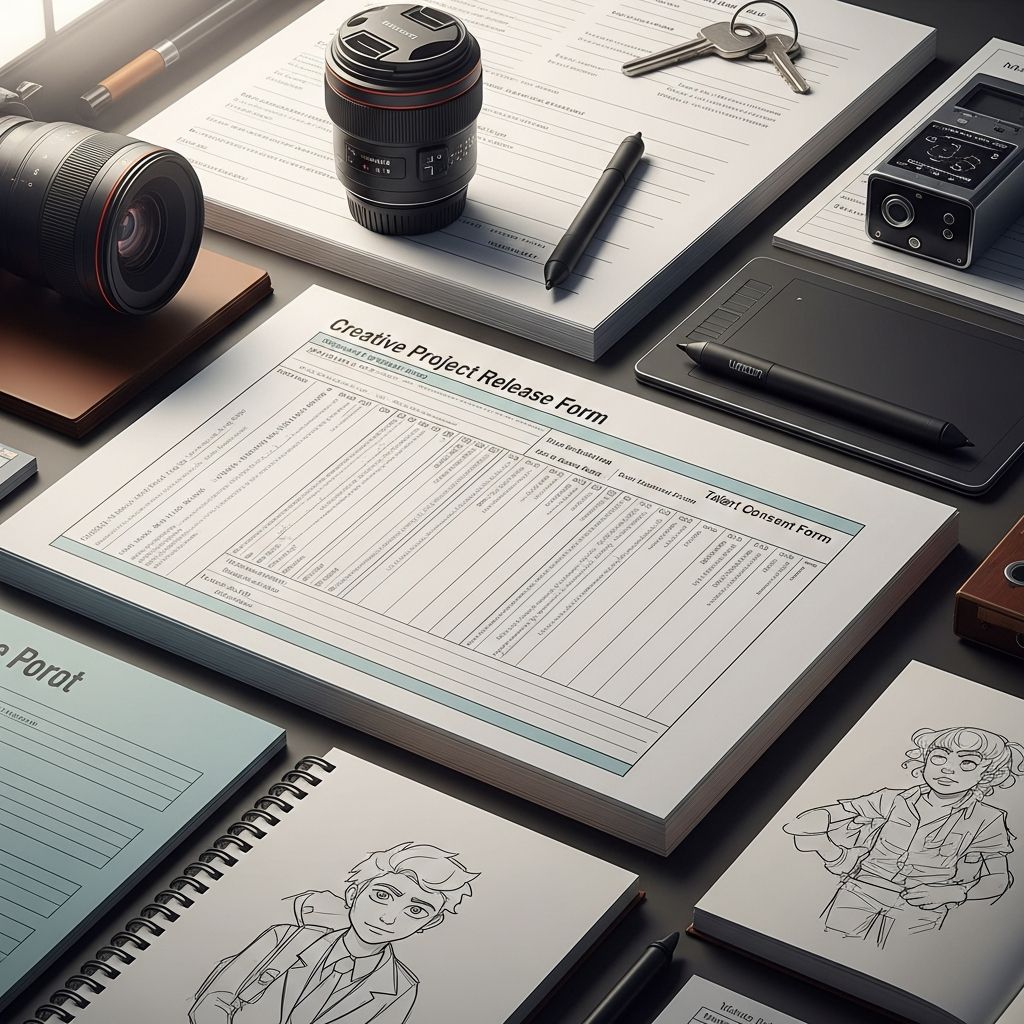
Submission release forms serve as critical legal tools in the creative world, particularly when individuals pitch unpublished works like screenplays, songs, or concepts directly to producers, studios, or publishers without representation. These documents primarily shield receiving parties from potential lawsuits over similarities in future projects, while allowing them to review unsolicited materials.
Why Submission Releases Matter for Creators and Companies
In an era where idea theft claims are common, companies enforce “no unsolicited submissions” policies to avoid liability. A submission release circumvents this by having the submitter waive rights to sue for copyright infringement, implied contracts, or confidentiality breaches if the company develops something similar independently. This practice is standard in Hollywood for screenplays and in music for unsolicited demos, ensuring businesses can innovate without fear of litigation.
For creators, signing one grants access to gatekeepers but requires careful review. It does not guarantee purchase or compensation unless the company directly uses copyrighted elements, in which case fair market value is typically promised. Without an agent, these forms are often unavoidable, making literacy in their terms essential for emerging talent.
Core Components of a Typical Submission Release Form
These forms are structured as waivers rather than contracts, outlining specific protections. Key elements include:
- Waiver of Claims: Explicitly releases the recipient from liability for using ideas, concepts, or similar works developed independently.
- No Confidentiality: States no confidential relationship exists, preventing breach claims.
- Compensation Clause: If protected material is used verbatim, payment at market rates applies, but not for unprotected ideas.
- Dispute Resolution: Often mandates arbitration over court, reducing costs for writers.
- Governing Law: Specifies jurisdiction, usually favorable to the company.
Understanding these prevents surprises. Always register your copyright beforehand via the U.S. Copyright Office for stronger protection, as ideas themselves aren’t copyrightable—only expressions are.
Navigating Risks: What to Look For Before Signing
Not all forms are equal; some overly favor the recipient. Red flags include blanket waivers without compensation promises or one-sided arbitration terms. Seek clauses ensuring payment for direct use and balanced dispute processes. Consult an entertainment lawyer if possible, especially for high-value ideas.
| Clause Type | Creator-Friendly | Company-Heavy |
|---|---|---|
| Compensation | Clear market value for copyright use | No mention of payment |
| Disputes | Arbitration with shared costs | Company venue only, no appeal |
| Scope | Limited to submitted material | Broad ideas ownership |
This table highlights negotiation points. Refuse forms demanding ownership transfer outright.
Submission Releases vs. Other Common Release Forms
While submission releases focus on incoming pitches, other forms grant outgoing permissions. Here’s how they differ:
- Model Releases: Authorize use of a person’s image, voice, or likeness in photos, videos, or ads. Essential for photographers and filmmakers; guardians sign for minors.
- Property Releases: Permit filming or photographing private locations or objects, clarifying commercial vs. personal use.
- Media/Interview Releases: Allow podcasts or journalists to publish interviews, protecting against retraction demands.
- Artwork/Music Releases: Grant reproduction rights for commercial purposes, like licensing songs for films.
Submission forms protect recipients; others protect creators licensing their work. Use the right one to avoid gaps.
Real-World Applications Across Creative Fields
Film and Screenwriting
Producers demand these for unsolicited scripts to dodge “my idea was stolen” suits. Even with agents, they’re common. A form creates a paper trail proving review terms. Independent filmmakers submitting to festivals or studios should prepare accordingly.
Music and Audio Submissions
Labels review demos under similar waivers, safeguarding against similarity claims in new tracks. Podcasters use interview releases for guests.
Visual Arts and Photography
For pitches to galleries or stock sites, releases clarify usage rights. Photographers pair model releases with submissions.
Case in point: A writer submits a script; later, a similar film emerges. Without a release, litigation looms. With one, claims are barred unless direct copying is proven.
Best Practices for Drafting and Using These Forms
Companies should customize forms with legal counsel to balance protection and inclusivity, especially for underrepresented creators. Include arbitration for fairness.
Creators:
- Copyright your work first (copyright.gov).
- Track submissions with dated records.
- Negotiate if represented.
- Read every line; never rush.
Digital tools like Google Forms with e-signatures streamline, but ensure enforceability.
Legal Foundations and Enforcement
Under U.S. law, these are enforceable if voluntary and clear. The Copyright Act (17 U.S.C.) protects expressions, not ideas, bolstering waivers. Courts uphold them against implied contract claims. Internationally, similar principles apply via Berne Convention adherents.
Arbitration clauses invoke Federal Arbitration Act, favoring efficiency. Always verify state-specific nuances.
Frequently Asked Questions
Do I have to sign a submission release to pitch my screenplay?
Most companies require it for unsolicited work to mitigate risks, though agents may bypass.
Can a submission release give away my copyright?
No legitimate one transfers ownership; it only waives certain claims. Copyright remains yours unless explicitly sold.
What’s the difference between a submission release and a model release?
Submission protects companies reviewing your work; model grants you rights to use someone’s likeness.
Is arbitration better than court for disputes?
Often yes—faster and cheaper, especially for individuals vs. corporations.
Should minors sign these forms?
No, guardians do for media/model releases; submission forms are for creators pitching.
Empowering Your Creative Journey
Armed with this knowledge, navigate submissions confidently. These forms enable opportunity while managing risks, fostering a balanced ecosystem for innovation.
References
- Using a Submission Release Form — LegalZoom. 2023. https://www.legalzoom.com/articles/using-a-submission-release-form
- Submission Release Form — Act Four Screenplays. 2023. https://actfourscreenplays.com/glossary/submission-release-form/
- What Are Release Forms? Here’s What You Should Know — Form Publisher. 2023. https://form-publisher.com/blog/what-are-release-forms/
- How common are submission release forms and what rights am I signing away — Movie Outline. 2023. https://www.movieoutline.com/articles/how-common-are-submission-release-forms-and-what-rights-am-i-signing-away.html
- Submission Release Forms — ReFrame Resource. 2023. https://reframeresource.com/resources/development-resource-3/
- What Screenwriters Need to Know About Submission Releases — Script Magazine. 2023. https://scriptmag.com/features/submission-releases
Similar Articles








Read full bio of medha deb


