
Mastering Sales at Markets and Festivals
Essential strategies for vendors to thrive at craft fairs, farmers markets, pop-ups, and music festivals with legal and practical advice.
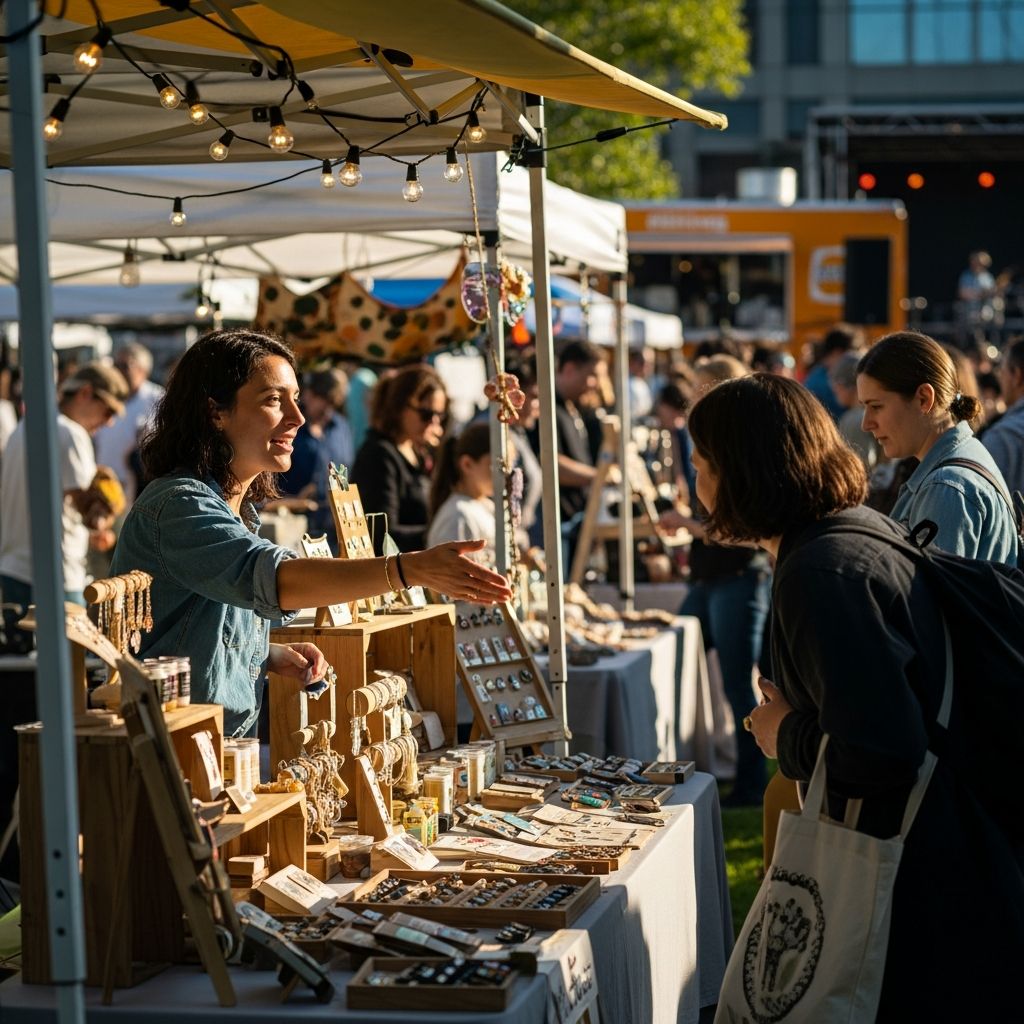
Participating in local markets, craft fairs, and festivals offers small business owners a dynamic platform to showcase products, connect with communities, and drive revenue. These events range from intimate farmers’ markets to bustling music festivals, each presenting unique opportunities and challenges. Success hinges on thorough preparation, from scouting the right venues to executing flawless sales tactics. This guide equips you with actionable insights to turn temporary booths into profitable ventures.
Choosing the Perfect Events for Your Products
Selecting appropriate events is the foundation of vending success. Not every gathering suits every product line. Begin by categorizing events based on their focus, audience, and scale.
- Craft Fairs: Ideal for handmade goods like jewelry, artwork, and textiles. These occur in gyms, halls, or exposition centers, often themed around holidays or seasons, drawing dedicated shoppers seeking unique items.
- Farmers’ Markets: Perfect for homegrown produce, baked goods, or artisanal foods. Weekly setups in parking lots or streets attract families looking for fresh, local offerings, with booths costing $50–$100+ per spot.
- Pop-Up Shops: Temporary retail in high-traffic vacant spaces like malls. Suited for themed collections or consignment sales, offering flexibility for varied vendors.
- Festivals: Large outdoor events centered on music, arts, or culture. Vendors must align products with the theme, such as festival-branded merch, facing higher booth fees from hundreds to thousands.
- Trunk Shows and Trade Shows: Intimate designer showcases or industry expos for networking and bulk sales.
Research past attendee demographics and vendor feedback. Visit events beforehand to observe foot traffic and popular booths. Tools like event directories help locate listings near you.
Navigating Legal and Administrative Essentials
Compliance with regulations prevents costly disruptions. Every event requires specific paperwork, varying by location and product type.
Start with a business license from your local government, essential for all sales activities. For food items, secure health department permits ensuring safe handling. Sales tax collection mandates a resale permit; track and remit taxes per state rules. Festivals often demand vendor applications listing products, insurance proof, and fees.
Vendor liability insurance protects against accidents or product issues—many events require $1 million coverage. Check FAQs on event websites for exact needs. Non-compliance risks ejection or fines.
| Requirement | Purpose | Typical Source |
|---|---|---|
| Business License | Legal operation authorization | City/County Clerk |
| Sales Tax Permit | Tax collection compliance | State Revenue Dept. |
| Health Permit (Food) | Food safety assurance | Local Health Dept. |
| Liability Insurance | Risk protection | Commercial Insurers |
Apply early—popular events fill months ahead. Budget for fees: small markets under $50, major festivals thousands.
Product Selection and Inventory Strategies
Match offerings to event vibes for optimal sales. Impulse buys dominate: small, affordable items under $20 fly off tables.
- Top Sellers: Handmade jewelry, custom tees, candles, skincare, home decor. At music festivals, theme-related merch like band-inspired accessories thrives if licensed.
- Event-Specific: Sports events call for team gear; farmers’ markets favor local edibles.
Stock variety: 70% core products, 30% exclusives. Calculate inventory based on expected attendance—aim for 2–3x projected sales to avoid stockouts without excess. Price competitively: research peers, factor costs (aim 50–70% margins). Bundles boost averages, e.g., tee + cap for events.
Designing an Irresistible Booth Setup
Your booth is your storefront—make it pop. High-traffic spots near entrances maximize exposure.
Use bold signage with your brand name, tagline, and visuals 10 feet high. Layer displays: eye-level heroes, lower for kids. Lighting elevates products; tents need weights for stability. Comfortable seating for staff, clean tables, and branded uniforms build professionalism.
Engage passersby: free samples, demos, or games draw crowds. Keep pathways clear for flow. Portable card readers ensure seamless payments.
Marketing and Promotion Mastery
Pre-event buzz converts attendees. Leverage social media: post teasers, booth location, specials weeks ahead. Partner with event pages for shares.
On-site: vibrant banners, music, scents (for food). Staff should greet warmly, share stories. Bundle merch with tickets via organizers for instant sales. Email sign-ups via QR codes build lists for future events.
Sales Techniques for Peak Performance
Close deals confidently. Train staff on upselling: “Pair this necklace with earrings?” Accept all payments, offer bundles. Track sales hourly to adjust—push slow movers with discounts.
Post-rush, restock visibly. End with thank-yous and follow-ups.
Financial Planning and Profit Maximization
Treat events as investments. Project costs: booth fees, travel, inventory, insurance. Target 3x ROI minimum. Track via apps: sales, expenses, leads.
Expenses example: $200 booth + $300 stock = $500 outlay; sell $1500 for $1000 profit. Scale with seasons—holidays spike sales.
Building Long-Term Relationships
Events foster networks. Exchange contacts with vendors, organizers. Collect customer emails for newsletters on upcoming appearances. Loyalty discounts retain buyers.
Join local groups for tips, collabs. Repeat at favorites for prime spots.
Frequently Asked Questions
What permits do I need for food sales at festivals?
Health department permit, business license, and temporary food facility permit. Verify with local authorities.
How much should I budget for a booth?
$50–$100 for small markets; $500+ for festivals. Factor multi-day rates.
What sells best at craft fairs?
Handmade accessories, apparel, decor—unique, affordable items.
Do I need insurance?
Yes, general liability recommended or required.
How to attract crowds to my booth?
Engaging displays, samples, social promo, strategic location.
Common Pitfalls and How to Avoid Them
Avoid overspending on wrong events, poor weather prep (tents, backups), or ignoring cleanup rules. Test displays pre-event.
References
- 6 Types of Events for Selling Handmade Products — Made Urban. 2023. https://www.madeurban.com/blog/6-types-of-events-for-selling-handmade-products/
- Tips For Selling Merchandise At Local Events — State Forty Eight. 2023. https://statefortyeight.com/blogs/blog/tips-for-selling-merchandise-at-local-events
- Tips for Selling Your Goods at Festivals and Local Events — LegalZoom. 2024-02-09. https://www.legalzoom.com/articles/tips-for-selling-your-goods-at-festivals-and-local-events
- What Products Sell Best at Vendor Events, Pop Ups, Craft… — YouTube (letsbuildaboutique). 2023. https://www.youtube.com/watch?v=mrmg9BjffSo
- Ep. #105 – Hot Tips for Festival and Event Selling — YouTube. 2023. https://www.youtube.com/watch?v=eClnFdCUBSY
- Find Art Shows, Craft Shows, and Festivals near you — FairsAndFestivals.net. 2026. https://www.fairsandfestivals.net
Similar Articles








Read full bio of medha deb


