
Planned Giving: 5-Step Guide For Nonprofits
Unlock sustainable funding through planned giving: strategies, donor identification, and program success for nonprofits.
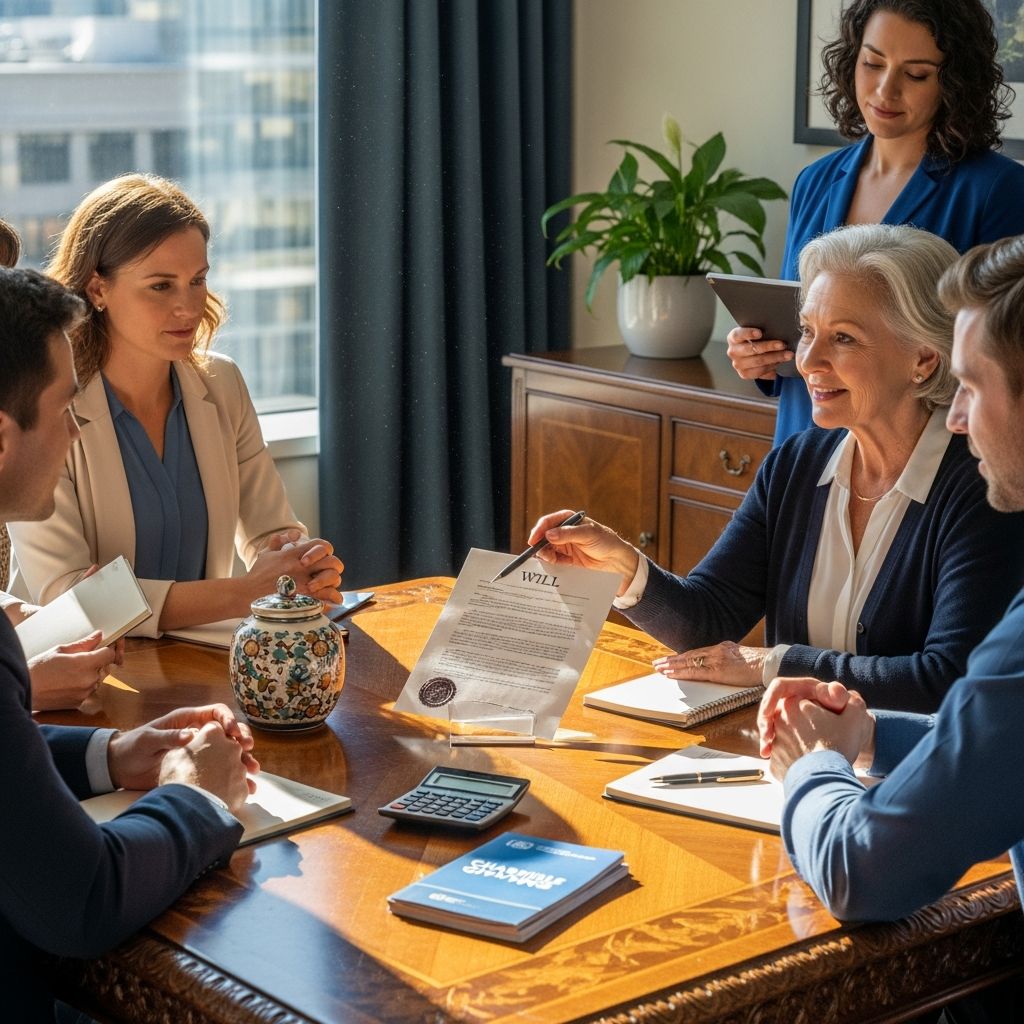
Planned giving empowers nonprofits to secure enduring financial support by encouraging donors to include charitable bequests in their estate plans. This approach not only diversifies revenue streams but also fosters deeper donor relationships, ensuring mission sustainability amid fluctuating economic conditions.
Understanding the Foundations of Planned Giving
At its core, planned giving involves deferred charitable contributions arranged through legal and financial mechanisms such as wills, trusts, retirement accounts, and life insurance policies. Unlike immediate donations, these gifts provide donors with tax benefits while allowing nonprofits to plan for future stability. Research highlights the immense potential, with trillions in wealth expected to transfer from Baby Boomers to younger generations, presenting a pivotal opportunity for charitable organizations.
Nonprofits of all sizes can benefit, as planned gifts often yield high returns on investment by converting loyal supporters into legacy donors. Key advantages include predictable long-term funding, enhanced annual giving from engaged donors, and the ability to fund ambitious projects like endowments or capital campaigns without straining current budgets.
Strategic Benefits Driving Nonprofit Adoption
Prioritizing planned giving transforms fundraising from reactive to proactive. It creates a pipeline of unrestricted funds that buffer against economic downturns and donor fatigue. Organizations with mature programs report stronger multi-generational ties, as families discuss philanthropy across estates.
- Financial Predictability: Bequests often arrive unexpectedly but reliably over time, stabilizing operations.
- Tax Incentives for Donors: Gifts reduce estate taxes, appealing to high-net-worth individuals planning wealth transfers.
- Legacy Building: Donors achieve immortality through named funds or programs, boosting satisfaction and loyalty.
- Increased Engagement: Planned gift discussions elevate annual contributions by 20-50% in many cases.
Moreover, amid the projected $68 trillion intergenerational wealth shift, nonprofits must position themselves as trusted stewards to capture this influx.
Step-by-Step Guide to Launching Your Program
Establishing a planned giving initiative requires deliberate planning. Begin by educating your team on gift vehicles and integrating the program into your overall development strategy.
- Assess Organizational Readiness: Evaluate current donor data for prospects aged 55+ with giving histories exceeding five years.
- Gain Leadership Support: Present ROI projections and case studies to secure board and executive commitment.
- Form an Advisory Team: Recruit financial advisors, attorneys, and accountants for guidance on complex gifts.
- Develop Policies: Outline acceptance criteria, recognition protocols, and stewardship plans.
- Integrate Technology: Use CRM tools for donor segmentation and prospect research.
For smaller nonprofits, start modestly by promoting simple bequests via website banners and newsletters, scaling as commitments grow.
Identifying and Cultivating Ideal Donors
Success hinges on targeting the right individuals. Prime candidates exhibit loyalty, capacity, and affinity: consistent mid-level donors over 60, major gift history, or ties to your mission.
| Donor Profile | Key Indicators | Engagement Tactics |
|---|---|---|
| Long-Term Supporters | 5+ years of gifts, age 55-75 | Personalized legacy society invitations |
| High-Net-Worth | Asset indicators via data tools | Wealth screening and relationship mapping |
| Grateful Beneficiaries | Direct service recipients | Impact storytelling in appeals |
| Next-Gen Heirs | Family philanthropy discussions | Multi-generational events |
Leverage predictive analytics to score prospects and tailor cultivation, such as soft launches in annual appeals mentioning bequest language.
Popular Planned Giving Vehicles Explained
Diverse options accommodate varying donor needs. Bequests remain simplest, comprising 80% of planned gifts, followed by trusts for income-seeking donors.
- Bequests: Outright or residual portions of estates via wills; no upfront cost to donor.
- Charitable Remainder Trusts (CRTs): Donor receives income for life, remainder to nonprofit; tax-deductible.
- Charitable Lead Trusts (CLTs): Nonprofit gets income stream first, then to heirs; ideal for tax planning.
- Retirement Accounts & Insurance: Name nonprofit as beneficiary for tax-efficient transfers.
- Appreciated Assets: Donate stocks or property to bypass capital gains taxes.
Staff training ensures comfortable discussions, emphasizing donor benefits over organizational needs.
Marketing and Communication Best Practices
Visibility drives commitments. Integrate planned giving into all channels with repetitive, benefit-focused messaging.
- Create a dedicated webpage with sample bequest language and calculator tools.
- Launch 4-6 campaigns yearly, blending standalone emails with integrated appeals.
- Host virtual webinars on estate planning with expert partners.
- Recognize donors via named societies, plaques, or events to inspire others.
A one-page benefits flyer serves as a versatile asset for mailings and meetings. Track metrics like inquiries and commitments to refine tactics.
Stewardship: Nurturing Lifetime Relationships
Post-pledge care cements loyalty. Annual updates, exclusive events, and personalized thanks elevate donors to advocates.
- Send impact reports tying gifts to outcomes.
- Host gratitude-focused gatherings like dinners or lectures.
- Deliver care packages with mission-themed items during holidays.
- Encourage upgrades to complex gifts as relationships deepen.
This fosters upgrades and referrals, compounding program value.
Navigating Legal and Tax Complexities
Compliance safeguards all parties. Consult counsel for gift agreements and IRS rules on deductibility. Key considerations include valuation of non-cash assets and restrictions on acceptance. Nonprofits should maintain DAF-friendly policies and document donor intent meticulously.
State laws vary on perpetual funds; endowments require prudent spending policies per Uniform Prudent Management of Institutional Funds Act (UPMIFA).
Measuring Success and Scaling Up
Track leading indicators like prospect contacts and pledges alongside realizations. Mature programs boast 10-20% annual growth.
- Quantitative: Number of bequest notifications, gift value pipeline.
- Qualitative: Donor feedback, staff confidence surveys.
Reinvest realizations into marketing for exponential returns.
Frequently Asked Questions (FAQs)
What is the average ROI for planned giving programs?
Programs yield high returns, often 10:1 or more, due to low acquisition costs and substantial gift sizes upon realization.
How long does it take to see results?
Initial pledges emerge in 1-2 years; full realizations average 5-10 years, necessitating patience and persistence.
Can small nonprofits succeed?
Yes, starting with bequests requires minimal resources and scales organically with consistent promotion.
What tools help identify prospects?
CRM integrations, wealth screening, and donor modeling pinpoint high-potential supporters efficiently.
Are there risks involved?
Gifts may underperform expectations or face legal challenges; robust policies and experts mitigate these.
References
- The Ultimate Guide to Planned Giving for Nonprofits — Altrata. 2023. https://altrata.com/articles/the-ultimate-guide-to-planned-giving
- How to start a planned giving program: Step-by-step guide — FreeWill. 2024-06-15. https://www.nonprofits.freewill.com/resources/blog/planned-giving-program
- A Complete Guide to Planned Gifts for Nonprofits — DonorSearch. 2024. https://www.donorsearch.net/planned-gifts-complete-guide/
- Planned Giving Strategies for Endowments & Foundations — CAPTRUST. 2023-05-10. https://www.captrust.com/resources/planned-giving-strategies-endowments/
- The 8 Characteristics of a Successful Planned Giving Program — PG Calc. 2024. https://www.pgcalc.com/Successful-Planned-Giving-Programs
Similar Articles








Read full bio of Sneha Tete


