
Mastering Negative Review Responses for Business Growth
Learn proven strategies to turn negative online reviews into opportunities for customer loyalty and reputation enhancement.
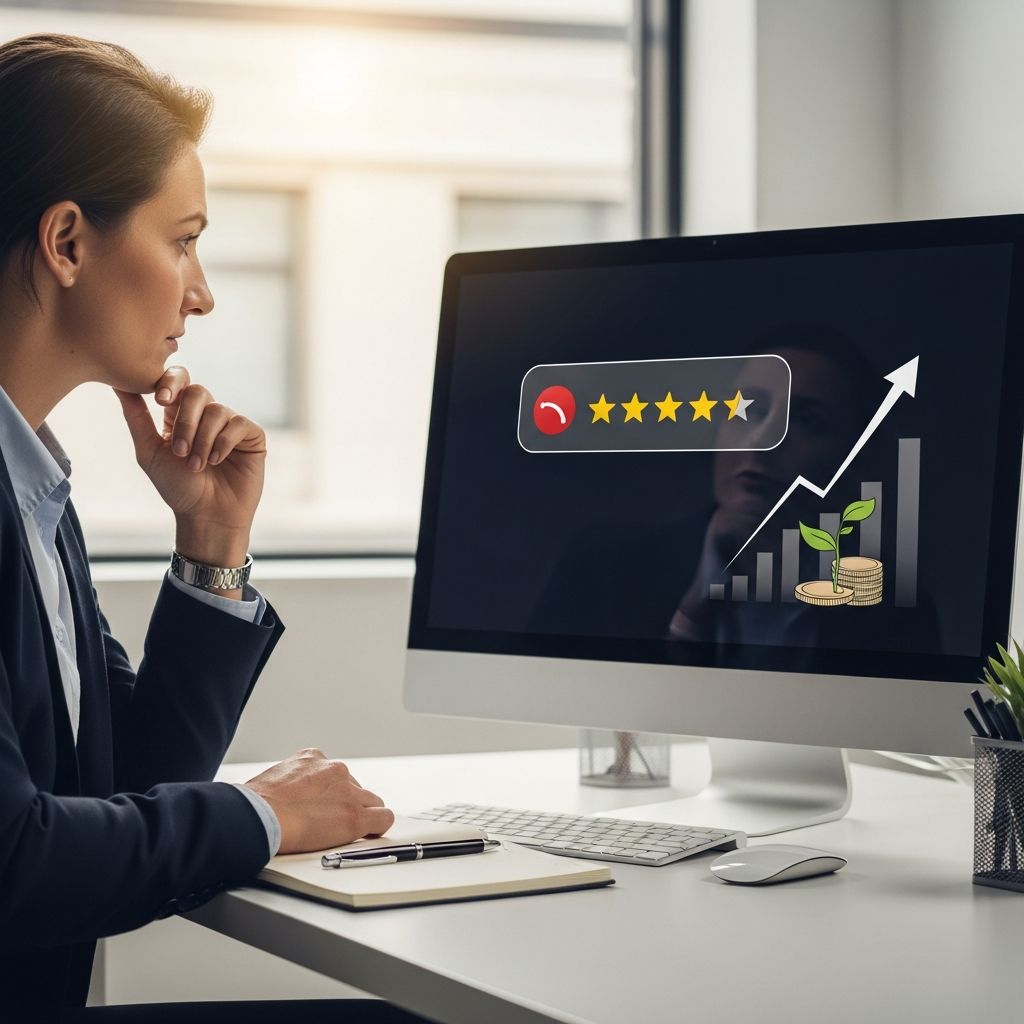
Negative reviews are inevitable in today’s digital landscape where customers share experiences instantly across platforms like Google, Yelp, and social media. Rather than damaging your business, these critiques can become powerful tools for demonstrating commitment to customer satisfaction when handled correctly. This guide explores comprehensive approaches to crafting responses that rebuild trust, resolve issues, and even attract new patrons by showcasing your professionalism.
Understanding the Power of Online Feedback
Customer opinions shape perceptions more than marketing efforts. Studies indicate that 93% of consumers read reviews before choosing a business, highlighting the stakes involved. A single harsh comment can deter prospects, but a thoughtful reply flips the narrative, signaling to observers that you prioritize service excellence.
Potential customers scanning reviews often form judgments based on how businesses interact with detractors. Empathetic, solution-oriented replies humanize your brand, differentiating it from competitors who ignore or argue. This proactive stance not only mitigates harm but fosters loyalty among silent readers.
Key Principles for Effective Replies
Successful responses follow universal guidelines distilled from industry experts. These ensure consistency and maximize positive impact.
- Timeliness Matters: Address feedback within 24-48 hours. Data shows 53.3% of reviewers expect replies in under a week, but faster action builds immediate trust.
- Empathy First: Validate feelings without admitting full fault. Phrases like “We regret your disappointment” connect emotionally.
- Personalization: Reference specifics from the review to show attentiveness, avoiding generic templates.
- Solution Focus: Propose concrete fixes, such as refunds or follow-ups, to empower the reviewer.
- Professional Tone: Stay calm, positive, and brand-aligned, never defensive.
Step-by-Step Guide to Responding
Follow this structured process to transform complaints into constructive dialogues.
Step 1: Assess and Prepare
Before typing, review the full context. Note key complaints, check internal records for verification, and decide on resolutions. This preparation prevents reactive errors and ensures alignment with company policies.
Step 2: Express Gratitude and Apology
Begin by thanking them for their input—”Thank you for sharing your experience”—then apologize sincerely: “We’re truly sorry this fell short of your expectations.” This duo disarms negativity and opens resolution paths.
Step 3: Acknowledge Specific Issues
Restate the problem in your words: “We understand the delay in service caused frustration.” This mirrors their voice, proving you’ve listened closely without excuses.
Step 4: Offer Tailored Solutions
Provide options like replacements, discounts, or complimentary services. For instance, “Please accept a full refund or a free replacement—contact us to proceed.” Multiple choices increase satisfaction.
Step 5: Invite Private Follow-Up
Shift to direct channels: ” We’d value discussing this further; reach us at [email/phone].” This protects privacy and allows deeper investigation.
Step 6: End Positively
Close with optimism: “We hope to serve you better soon.” Encourage updates, potentially turning critics into repeat visitors.
Real-World Response Examples
Examine these adapted scenarios across industries to illustrate principles in action.
| Review Type | Sample Review | Effective Response |
|---|---|---|
| Service Delay | “Waited 2 hours for food that was cold!” | “Thank you for your feedback, [Name]. We’re sorry for the extended wait and subpar meal. We’ve coached our team on timing, and we’d like to offer a complimentary dinner. Please email manager@restaurant.com.” |
| Product Issue | “Item broke after one use—waste of money.” | “We appreciate you letting us know, [Name]. That’s not our standard; apologies for the inconvenience. A replacement ships today, or opt for a refund. Contact support@store.com for details.” |
| Staff Attitude | “Rude employee made my visit awful.” | “Your experience matters, [Name], and we’re disappointed it wasn’t positive. We’ve addressed this with our staff to uphold our hospitality values. Let’s make it right—call us at 555-0123.” |
These examples personalize, resolve, and invite offline chats, often leading to review edits or positives.
Developing a Review Management Policy
For scalability, especially multi-location businesses, institute a formal policy. Outline roles, response timelines (e.g., 48 hours max), tone guidelines, escalation protocols, and training. Centralize monitoring via tools for alerts across platforms. Regular audits ensure uniformity and continuous improvement.
- Assign dedicated responders or teams.
- Set response templates with customization mandates.
- Track metrics like response rate and resolution success.
- Train staff on empathy and de-escalation.
Common Mistakes to Avoid
Certain pitfalls amplify damage—steer clear.
- Defensiveness: Arguing invalidates feelings; focus on forward solutions.
- Ignoring Reviews: Silence implies indifference, eroding credibility.
- Generic Replies: Impersonal notes signal apathy.
- Over-Promising: Unrealistic fixes lead to further dissatisfaction.
- Deleting Feedback: Platforms penalize this; transparency wins.
Measuring Success and Long-Term Strategies
Track impact via review ratings pre/post-responses, conversion rates from review pages, and direct feedback. Aim for 90%+ response rates. Integrate learnings into operations—e.g., staff training from recurring themes—to prevent repeats. Encourage positive reviews post-resolution for balance.
Leverage analytics from platforms like Google Business Profile to identify trends. Businesses responding consistently see up to 186% higher purchase intent, per case studies.
Frequently Asked Questions (FAQs)
What if the review is fake or unfair?
Respond professionally without accusation: Acknowledge concerns, offer verification offline, and flag to the platform if it violates terms. Focus on goodwill.
How quickly should I reply?
Within 24-48 hours ideally; 53.3% expect under a week. Speed signals care.
Should I respond to all reviews?
Yes, positives too—thank them to encourage more. Negatives require special attention.
Can responding hurt my business?
No, thoughtful replies enhance reputation; ignoring does more harm.
What tools help monitor reviews?
Use Google Alerts, platform dashboards, or services like ReviewTrackers for notifications.
Building a Resilient Online Reputation
Beyond reactions, proactive steps fortify your profile: Solicit reviews from happy clients, optimize profiles with rich info, and monitor sentiment regularly. Train teams on service excellence to minimize negatives. Over time, a robust response culture converts challenges into testimonials, driving sustainable growth.
Implement these tactics to not just survive but thrive amid criticism. Your handling of negativity defines your brand more than perfection ever could.
References
- Powerful Examples of How to Respond to Negative Reviews — ReviewTrackers. 2023. https://www.reviewtrackers.com/guides/examples-responding-reviews/
- How to Respond to Negative Reviews (with Examples) — Forge Apollo. 2024. https://forgeapollo.com/blog/negative-review-response-examples/
- How to respond to negative reviews: Examples and best practices — Bazaarvoice. 2024. https://www.bazaarvoice.com/blog/how-to-respond-to-negative-reviews-examples-and-best-practices/
- Negative Review Response Examples — NiceJob. 2023. https://get.nicejob.com/resources/negative-review-response-examples
- How to Respond to Negative Reviews Professionally — WhyOptimize. 2024. https://www.whyoptimize.com/blog/how-to-respond-to-negative-review
Similar Articles








Read full bio of Sneha Tete


