
Mastering Gift Returns for Small Businesses
Expert strategies to streamline post-holiday returns, boost customer satisfaction, and protect your small business profits.
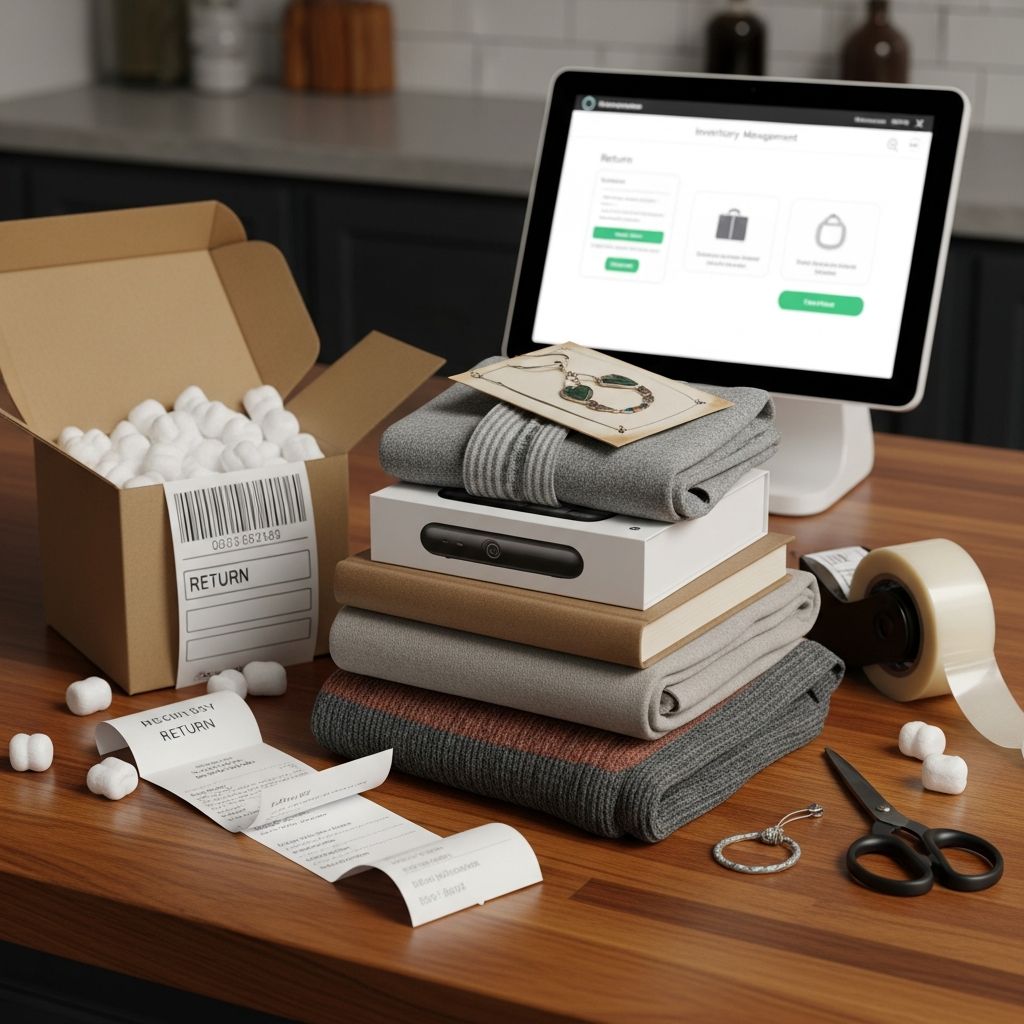
Post-holiday periods bring a flood of returns for small businesses, especially gifts that don’t fit the bill. A well-designed return strategy turns this challenge into an opportunity for loyalty and repeat business.
Why Return Policies Matter More During Peak Seasons
Holiday shopping spikes sales but also returns, as recipients often seek exchanges for better fits or preferences. Small businesses without robust policies risk disputes, lost revenue, and damaged reputations. Clear guidelines set expectations, reduce friction, and demonstrate customer focus.
During festive times, extending return windows acknowledges gift-giving realities, fostering goodwill. Statistics show lenient policies during holidays can increase future sales by building trust.
Core Components of an Effective Return Framework
A strong policy outlines time limits, conditions, refund options, and exclusions. Typical windows range from 14 to 60 days, with holidays warranting extensions to January 31 or longer.
- Time Frame: 30-90 days standard; extend for gifts.
- Item Condition: Unused, original packaging, tags intact.
- Proof: Receipt or order confirmation required.
- Refund Choices: Cash back, store credit, or exchanges.
Transparency prevents misunderstandings. Display policies on receipts, websites, and stores.
Adapting Policies for Holiday Gift Surges
Holidays demand flexibility. Many retailers stretch deadlines beyond standard periods to accommodate delayed openings. Offering store credit over refunds encourages future visits, preserving cash flow.
| Standard Policy | Holiday Adjustment | Benefit |
|---|---|---|
| 30 days | 60 days or Jan 31 | Accommodates gift recipients |
| Refund only | Credit or exchange | Retains revenue in business |
| Customer-paid shipping | Prepaid labels | Simplifies process |
Such adjustments signal empathy, turning potential negatives into positives.
Defining Non-Returnable Items and Exceptions
Not all products suit returns. Clearly list exclusions like personalized goods, hygiene items, or clearance sales to avoid disputes.
- Final sale merchandise
- Custom orders
- Opened cosmetics or undergarments
- Digital downloads
- Gift cards
For defects, provide swift replacements. State if restocking fees apply, typically 10-20% for processing.
Streamlining the Return Process for Efficiency
Efficient handling minimizes staff burden. Use digital tools for tracking, pre-paid labels for online returns, and in-store drop-offs.
- Verify receipt and condition upon arrival.
- Process refunds within 7-10 days.
- Inspect for fraud indicators like missing tags.
- Update inventory immediately.
Train staff for courteous interactions, offering alternatives like exchanges to upsell.
Preventing Return Abuse and Fraud
Serial returners erode profits. Limit returns per customer, track via loyalty programs, and flag suspicious patterns. Require original packaging to deter resellers.
High-value items warrant extra scrutiny. Policies should allow discretion for blatant abuse without alienating honest customers.
Online vs. In-Store Return Strategies
Omnichannel retail complicates returns. Allow online buys in physical stores to boost foot traffic. For pure e-commerce, prepaid labels control costs and carriers.
Communicate options clearly: “Return online orders at any location within policy window.” This convenience drives loyalty.
Leveraging Returns for Customer Retention
View returns as engagement chances. Suggest similar items during exchanges. Follow up with emails offering discounts on credits.
Data from returns reveals trends—poor sizing prompts better charts. Sustainability-focused returns, like local drop-offs, appeal to eco-conscious shoppers.
Legal Considerations Across Jurisdictions
No federal return mandate exists in the U.S., but state laws may apply, like California’s 30-day refund for faulty goods. Check local regs for shipping and consumer protections.
Post clear policies to comply and defend against claims. Consult legal experts for custom language.
Real-World Policy Examples for Inspiration
Adapt these to your niche:
Retail Basic: 30 days, unused condition, refund or credit. Excludes sale items.
Boutique Flexible: 45 days, gentle use OK for credit/exchange.
Tailor to industry: apparel allows try-ons; electronics demand unopened boxes.
Frequently Asked Questions
What is a standard holiday return window for small businesses?
Typically 30-60 days, often extended to mid-January for gifts to allow recipients time.
Should small businesses charge restocking fees?
Yes, 10-25% for non-defective returns covers costs, but waive for loyalty members.
How to handle returns without receipts?
Offer store credit for recent purchases with ID, limiting to avoid abuse.
Are prepaid return labels cost-effective?
Yes, pay only for used ones and control process, enhancing customer trust.
Can policies differ for online and in-store buys?
Absolutely, but ensure consistency where possible for seamless experience.
Implementing Changes for Upcoming Seasons
Review past returns data annually. Survey customers for feedback. Test policy tweaks mid-year to prepare for holidays. Digital signage and website pop-ups ensure visibility.
Ultimately, balanced policies prioritize satisfaction while safeguarding operations, positioning small businesses for sustained success amid return rushes.
References
- 5 Tips to Creating a Small Business Return Policy — The UPS Store. 2023-11. https://www.theupsstore.com/small-business-services/small-business-blog/small-business-blog/2023/11/small-business-return-policy
- Return Policies For Small Businesses Best Practices — Detrack. N/A. https://www.detrack.com/blog/return-policies-for-small-businesses-best-practices/
- Return Policy for Small Businesses: Tips and Examples — Pay.com. 2023. https://pay.com/blog/return-policy-for-small-businesses
- How to Create and Implement a Return Policy That Keeps Customers Happy — FiveStars. N/A. https://blog.fivestars.com/how-to-create-and-implement-a-return-policy-that-keeps-customers-happy/
- Returns Policy Best Practices: The Complete Guide — WSI. N/A. https://www.wsinc.com/blog/returns-policy-best-practices/
- 10 tips for creating a customer-friendly returns policy — Avalara. 2022-10. https://www.avalara.com/blog/en/north-america/2022/10/10-tips-for-creating-a-customer-friendly-returns-policy.html
- The Return Policy Playbook: 7 Tips for Small Businesses — ICSC. N/A. https://www.icsc.com/news-and-views/icsc-exchange/the-return-policy-playbook-7-tips-for-small-businesses-after-the-holiday-rush
Similar Articles








Read full bio of Sneha Tete


