
Equipment Lease Contracts: 5 Steps To Negotiate Better Terms
Comprehensive guide to understanding, negotiating, and managing equipment lease agreements for business success and risk mitigation.
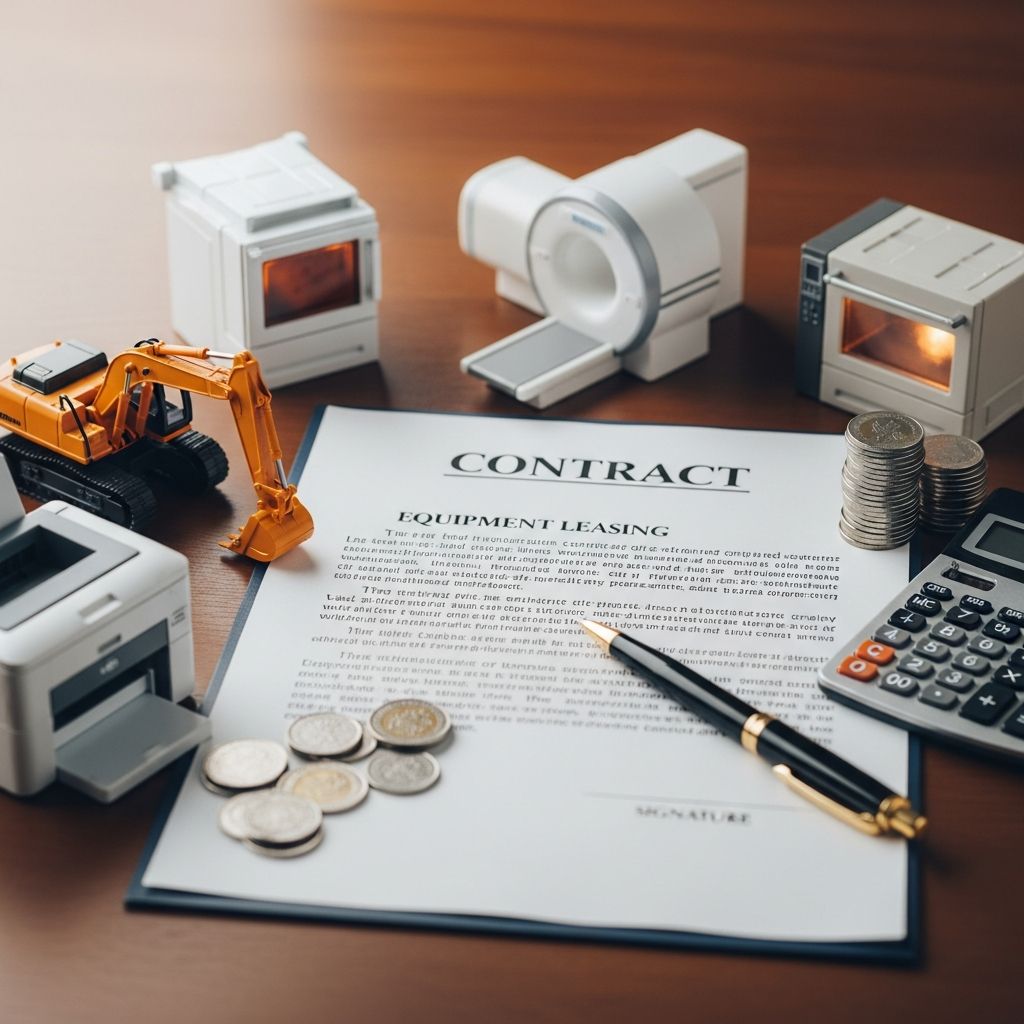
Equipment lease contracts serve as vital tools for businesses aiming to acquire essential assets without the full financial burden of purchasing them outright. These agreements allow companies to access machinery, vehicles, or technology by making periodic payments to a lessor, who retains ownership. This approach provides flexibility, preserves capital, and often includes maintenance support, making it a popular choice across industries like manufacturing, construction, and events planning.
Why Businesses Opt for Equipment Leases
Leasing equipment offers several advantages over buying or traditional loans. It minimizes upfront costs, enabling firms to allocate funds toward growth initiatives. Additionally, lessees can upgrade to newer models at lease end, avoiding obsolescence risks. Tax benefits, such as deducting lease payments as operating expenses, further enhance appeal, particularly for operating leases. However, understanding the nuances is crucial to avoid unexpected liabilities.
- Capital Preservation: Avoid large initial outlays, keeping liquidity high for other investments.
- Flexibility: Short-term leases match evolving business needs, like project-based equipment use.
- Maintenance Inclusion: Many leases bundle service, reducing operational headaches.
- Balance Sheet Benefits: Operating leases often stay off-balance-sheet, improving financial ratios.
Core Varieties of Equipment Leases
Equipment leases fall into primary categories, each suited to different business scenarios. The two fundamental types are capital (or finance) leases and operating leases, with hybrids offering customized solutions.
Capital or Finance Leases
These long-term arrangements treat the equipment as if purchased, with lessees assuming responsibilities like maintenance, insurance, and taxes. Ownership may transfer at term end, or a bargain purchase option exists. Ideal for assets businesses intend to use indefinitely, capital leases appear on the balance sheet as assets and liabilities.
Operating Leases
Short-term and flexible, operating leases function like rentals. The lessor handles maintenance and retains ownership, allowing lessees to return equipment post-term. Perfect for temporary needs, such as construction gear for a single project or office tech with rapid upgrades. Payments are lower, and they typically avoid balance sheet impact.
Hybrid and Specialized Leases
Beyond basics, options like leveraged leases involve third-party financing, sale-leasebacks let owners monetize assets while retaining use, and $1 buyout leases mimic purchases with nominal end payments. Equipment financing agreements (EFAs) blend loan and lease traits, granting ownership upon completion.
| Lease Type | Term Length | Ownership Transfer | Lessee Responsibilities | Best For |
|---|---|---|---|---|
| Capital/Finance | Long-term | Often yes | Maintenance, insurance, taxes | Permanent use assets |
| Operating | Short-term | No | Minimal | Temporary or upgrading needs |
| $1 Buyout | Medium-long | Yes, for $1 | Full during term | Intended purchases |
| Sale-Leaseback | Variable | No | Usage-based | Unlocking asset equity |
Essential Elements Every Lease Must Include
A robust equipment lease contract details all terms to prevent disputes. Key components ensure clarity on rights, obligations, and remedies.
- Parties Involved: Full names, addresses, and contacts for lessor and lessee.
- Equipment Description: Detailed specs, serial numbers, and condition to avoid ambiguity.
- Lease Term: Start/end dates, with options for renewal or early termination penalties.
- Payment Schedule: Amounts, frequencies (monthly/quarterly), due dates, late fees, and methods.
- Maintenance and Repairs: Who handles what—lessee for daily upkeep, lessor for major fixes?
- Insurance and Risk: Lessee typically insures against damage/theft; specify coverage minimums.
- Default and Remedies: Breach triggers like non-payment, plus repossession rights.
Financial terms should align with cash flows; for instance, spreading payments over 36-60 months for costly machinery. Always project scenarios to confirm affordability.
Negotiation Strategies for Favorable Terms
Effective negotiation balances costs and protections. Start by comparing multiple lessors for competitive rates. Request flexible terms like step-up payments for startups or end-of-lease purchase options. Scrutinize hidden fees—delivery, installation, or excess mileage for vehicles. Push for warranties on equipment performance and lessor-funded upgrades.
Leverage your business credit and references for better rates. For operating leases, negotiate return conditions to minimize refurbishment charges. In capital leases, bargain for tax advantages like depreciation pass-through. Always involve legal counsel to review clauses on force majeure, subleasing, and dispute resolution (arbitration vs. courts).
Risks and How to Mitigate Them
Common pitfalls include unclear maintenance duties leading to disputes or aggressive end-of-lease fees. Overlooking residual value guarantees can result in surprise payments if equipment depreciates faster than expected. Defaults trigger acceleration clauses, demanding full remaining payments.
- Conduct due diligence on lessor’s reputation and equipment history.
- Include inspection rights pre-delivery and periodic audits.
- Cap liabilities with indemnification clauses against lessor negligence.
- Plan for tech obsolescence with upgrade clauses.
Legal and Accounting Considerations
Laws vary by jurisdiction; in the U.S., UCC Article 2A governs leases, mandating fair terms and disclosure. ASC 842 standards require capital leases on balance sheets, impacting ratios—consult accountants early. Internationally, align with local regs like Nigeria’s asset finance laws emphasizing clear ownership retention.
Tax-wise, operating lease payments are fully deductible; capital leases split into principal/interest. Track IRS guidelines for Section 179 expensing where applicable.
Steps to Finalize and Manage a Lease
- Assess Needs: Identify required equipment and usage duration.
- Shop Providers: Get quotes from banks, independents, and vendors.
- Review Draft: Mark up unfavorable terms.
- Sign and Insure: Execute, procure coverage, and log payments.
- Monitor Compliance: Track usage, maintenance logs, and renewals.
Frequently Asked Questions
What distinguishes a capital lease from an operating lease?
Capital leases are long-term with ownership-like treatment and lessee maintenance duties; operating leases are shorter rentals where the lessor manages upkeep and retains ownership.
Can I end a lease early?
Yes, but penalties apply—review termination clauses for notice periods and fees, common in operating leases with prior notice.
Who pays for repairs during the lease?
Typically, lessees handle routine maintenance; lessors cover structural issues. Specify in the agreement to avoid conflicts.
Are lease payments tax-deductible?
Yes, as business expenses; operating leases offer straightforward deductions, while capital leases require amortization.
What if the equipment breaks down?
Check warranty and maintenance sections—lessee downtime liability varies, so negotiate service level agreements (SLAs).
References
- Business Made Simple: Equipment Lease Agreement – FundQuest — FundQuest Nigeria. 2023. https://fundquestnigeria.com/equipment-lease-agreement-types-components/
- Equipment leasing: a guide for businesses — Lexpert. 2023-10-01. https://www.lexpert.ca/news/legal-faq/equipment-leasing-a-guide-for-businesses/386585
- Equipment Lease Agreement – Types, Examples, and Key Terms — Corporate Finance Institute. 2024. https://corporatefinanceinstitute.com/resources/commercial-lending/equipment-lease-agreement/
- Understanding AV Equipment Lease Agreements: A Practical Guide — Rentman. 2023. https://rentman.io/blog/equipment-lease-agreement-example
- The Different Types of Equipment Leases Explained — Soluco Financial Group. 2024-01-15. https://solucofinancialgroup.ca/en/blog/types-equipment-leases/
Similar Articles








Read full bio of Sneha Tete


